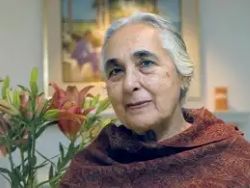
Romila Thapar is a renowned Indian historian and author of many historical books. She has authored many internationally acclaimed books on history including From Lineage to State, Asoka and the Decline of the Mauryas, Early India: From Origins to AD 1300, and the popular History of India, Part I.
Thapar is an Honorary Fellow of the School of Oriental and African Studies, London, where she also received her Ph.D. in 1958, and a Foreign Honorary Member of the American Academy of Arts and Sciences. She was an emeritus professor of history at jawaharlal nehru university , New Delhi.
Thapar is a historian who believed in authenticity of historical data that is corroborated by archaeological evidences. Her historical writings delineate the origins of Hinduism as an evolving interplay between social forces.
Romila’s book From Lineage to State analyses the formation of states in the middle Ganga valley in the first millennium BCE, tracing the process to a change, driven by the use of iron and plough agriculture, from a pastoral and mobile lineage-based society to one of settled peasant holdings, accumulation and increased urbanisation. Her book on Somnath examines the evolution of the historiographies about the legendary Gujarat temple.
Thapar was a great critic of “communal interpretation” of Indian history, in which events in the last thousand years are interpreted solely in terms of a notional continual conflict between monolithic Hindu and Muslim communities. According to Thapar, this communal history is “extremely selective” in choosing facts, “deliberately partisan” in interpretation and does not follow current methods of analysis using multiple, prioritised causes.
Personal life
Romila Thapar was born 0n 30th November 1931 in lucknow,india as the daughter of Lieutenant-General dr.Dayaram thapar,the director general of Indian armed forces medical services. Young Romila ‘s education was in different cities of India as her father had to move as a military officer. She is an alumna of the St. Mary’s School and Wadia College, Pune. After doing her graduation from Punjab university in English literature she secured a second bachelors degree and later doctorate in history from the university of London in 1958.
Career
she started her career journey in Indian history as a reader at Kurukshetra university between 1961 and 1962 and later at Delhi university between 1963 and 1970. Thapar joined as professor of ancient Indian history at the Jawaharlal Nehru university, New Delhi later and continued in the university as Emeritus professor.
She has authored many books as a historian and her major works include:
Asoka and the decline of the Mauryas
Ancient Indian social history: some interpretations
Recent perspectives of early Indian history
A History of India volume one
Early India: from the origins to ad 1300.
From lineage to state.
Thapar’s first volume ofa history of Indianarrates the period from its early history to the arrival of Europeans in the sixteenth century.
Ancient Indian social history gives an account of the period from early times to the end of the first millennium, and detailing a comparative study of Hindu and Buddhist socio-religious systems. It scrutinizes the role of Buddhism in social protest and social mobility in the caste system.
From lineage to state is a meticulous analysis about the formation of states in the middle Ganga valley in the first millennium B C and it traces the process to a change, driven by the use of iron and plough agriculture, from a pastoral and mobile lineage-based society to one of settled peasant holdings, accumulation and increased urbanisation.
Each book of Romila Thapar is an immersive account of historical narratives from a research-oriented perspective.
Honors & accolades
Romila Thapar is an honorary fellow at lady Margaret hall, oxford, and at the school of oriental and African studies (soas), university of London.
She holds honorary doctorates from the university of chicago, the institut national des langues et civilisations orientales in Paris, the university of oxford, the university of Edinburgh (2004), the university of Calcutta (2002) and recently (in 2009) from the university of Hyderabad.
Thapar was elected a foreign honorary member of the American academy of arts and sciences in 2009. She was also elected an honorary fellow of st Antony’s college, oxford, in 2017.
in 2004, the us library of congress appointed her as the first holder of the kluge chair in countries and cultures of the south.
She has been a visiting professor at Cornell university, the university of Pennsylvania, and the college de France in Paris.
She was elected general president of the Indian history congress in 1983 and a corresponding fellow of the British academy in 1999.
She is co-winner with Peter Brown of the Kluge Prize for the Study of Humanity for 2008.It is a very prestigious prize received by Romila Thapar. The prize is awarded by the John W. Kluge Centre at the Library of Congress.
in January 2005, she declined the Padma Bhushan awarded by the Indian government. Later she wrote to the president like this “i only accept awards from academic institutions or those associated with my professional work, and not state awards”.
Romila Thapar is considered as one of the intellectuals of Indian history who believes in doing justice to the nation’s history with a bold unyielding voice.
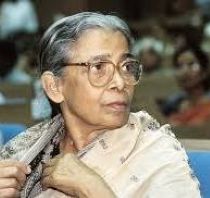
Mahasweta Devi (1926–2016) was one of the illustrious writer and social activist of India. She is one off the widely read author of many notable novels, essays and short stories. Her outstanding literary works include Hajar Churashir Maa, Rudali, and Aranyer Adhikar.
Personal life
Mahasweta Devi was born on 14 January 1926 in a Brahmin family in Dacca, British India (Dhaka, Bangladesh] as the daughter of Manish Ghatak, a poet and novelist of the Kallol movement and Dharitri Devi, a writer and a social worker. Her earlier schooling was in Eden Montessori School Daka (1930) and later moved to West Bengal’s Mission Girls’ High School, Midnapore in 1935 and to Santiniketan during the period of 1936 to 1938.
Later she continued her studies at Beltala Girls’ School (1939-1941) where she finished her matriculation. In 1944 . She secured I.A. from Asutosh College and completed a B.A. (Hons) in English from Rabindranath Tagore-founded Visva-Bharati University . She finished her studies of masters in English literature from Calcutta University.
Maha Swetha Devi is married to renowned playwright Bijon Bhattacharya, who was one of the founding fathers of the Indian People’s Theatre Association movement. In 1948. Soon she gave birth to her son Nabarun Bhattacharya, who became a novelist and political critic later.
Devi was a popular writer as well as social activist and visionary who fought against injustice towards the adivasi tribes of central India.
She was a leftist who worked for the rights and empowerment of the tribal people (Lodha and Shabar) of West Bengal, Bihar, Madhya Pradesh and Chhattisgarh states of India.
Her book about the life of Queen of Jansi ,Rani Lakshmi bhai and her struggles was published in 1956 and it was a great milestone for Mahaswetha devi too. It was the beginning of a new journey in her literary career.
She was honoured with many prestigious literary awards such as the Sahitya Akademi Award (in Bengali), Jnanpith Award and Ramon Magsaysay Award along with India’s civilian awards Padma Shri and Padma Vibhushan. She was awarded the Ramon Magsaysay Award in 1997 for her artistic as well as social activities to uphold the rights of tribes of India. She received the Jnanpith Award, India’s highest literary honour, in 1996.
A life dedicated to Bengali literature
Mahaswetha Devi wrote over 100 novels and over 20 collections of short stories in Bengali language and many of them were translated to other languages.
Her first novel, titled Jhansir Rani, a biography based on the life of the Rani of Jhansi was published in 1956.
In 1964, she began teaching at Vijaygarh Jyotish Ray College (an affiliated college of the University of Calcutta system). In those days Vijaygarh Jyotish Ray College was an institution for working-class women students. During that period she also worked—as a journalist and as a creative writer.
Devi’s prominent literary work Mastar Saab also known as Massaheb (The School Teacher) is based on Bihar’s communist led armed revolution for land reforms. This novel is believed to be portraying the life of naxal leader Jagdish Mahto, who was a prominent figure in Bhojpur known for his armed struggle for the poor against the landlords.
Aranyer Adhikar means Right to the Forest is her one of the most renowned novels published in 1979.
Her novel Chotti Munda Ebong Tar Tir [Chotti Munda and His Arrow] was published in 1980..
Her short story collections include:
Agnigarbha (1978],
Murti (1979]
Neerete Megh (1979]
Stanyadayani (1980]
Devi’s stories have been adapted into films also and they include Sunghursh (1968)& Rudaali (1993)
Mahasweta Devi – a close ally of Adivasi tribes
Mahasweta Devi’s specialization lay in the studies of Adivasi, Dalit women and Marginalized citizens. Her life was very simple, but her compassion & sense of justice was peerless and unparalleled. She stayed with the Adivasi tribes in West Bengal, Bihar, Madhya Pradesh, Chhattisgarh for many years, understanding the pulse of their life and and their struggles.
For Devi ,writing was a tool for expressing her vision and giving voice to the oppressed sessions of the country. She has embodied their struggles and sacrifices in her literary works explicitly and has raised voice against the atrocities and negligence the tribes had gone through for many decades. Devi had claimed once that her stories aren’t just her creation, they are the stories of the people of her country. Her work “Chotti Mundi Ebong Tar Tir” is an embodiment for her stance and love for the people of her country.
Mahasweta Devi raised her voice several times against the discrimination suffered by tribal people in India.Devi’s 1977 novel Aranyer Adhikar (Right to the Forest) was about the life of Birsa Munda,a tribal indepence activist who fought against British rule,their unfair land grabbing practices that demolished tribal conventional land system.
In June 2016, as a result of Mahaswetha Devi’s consistent and relentless efforts, the Jharkhand State Government finally sanctioned the removal of the manacles from the figure of Munda, which had been part of the commemorative sculpture of this young tribal leader. The book Aranyer adhikar won the Sahithya academy award for Bengali in 1979.
The woes of old age didnt deter her from spearheading the Nandigram agitation which resulted in a number of intellectuals, artists, writers and theatre workers joining in protest of the controversial industrial policy and particularly its implementation in Singur and Nandigram. She raised voice fearlessly against the government and criticized the handing over of farmers’ fertile land to industrial groups at throw away prices.People of India will reminisce her name forever as a compassionate writer and human being.
On 23 July 2016, Devi suffered a major heart attack and died of multiple organ failure on 28 July 2016, at the age of 90.
Translations of Devi’s work
Gayatri Chakravorty Spivak has translated Devi’s short stories into English and published three books Imaginary Maps (1995, Routledge), Old Woman (1997, Seagull), The Breast Stories (1997, Seagull)
Awards &honours for Mahaswetha Devi’s work
1979: Sahitya Akademi Award (Bengali): – Aranyer Adhikar (novel)
1986: Padma Shri for Social Work
1996: Jnanpith Award – the highest literary award from the Bharatiya Jnanpith
1997: Ramon Magsaysay Award – Journalism, Literature, and the Creative Communication Arts for “compassionate crusade through art and activism to claim for tribal peoples a just and honorable place in India’s national life.
2003: Officier de l’Ordre des Arts et des Lettres
2006: Padma Vibhushan – the second highest civilian award from the Government of India
2007: SAARC Literary Award
2009: Shortlisted for the Man Booker International Prize
2010: Yashwantrao Chavan National Award
2011: Banga Bibhushan – the highest civilian award from the Government of West Bengal
2012: Nominated for Nobel Prize for Literature
2014 : Mamoni Raisom Goswami National Award for Literature constituted by Asam Sahitya Sabha and sponsored by Numaligarh Refinery Ltd., Assam
On 14 January 2018, Google honored Mahasweta Devi on her 92nd birth anniversary, celebrating her work by creating a doodle on her.
Anti -inflammatory diet is suitable to people suffering from chronic inflammatory diseases as well as food sensitivity or allergy.
The term anti-inflammatory diet is not a specific type of dietary habit suitable for all. As the term anti- inflammatory denotes it is a food choice to reduce inflammation as well as its impacts of body organs. In order to delve deeper into anti-inflammatory diet and understand its benefits one should know what is inflammation, its signs and symptoms and complications or impacts on the body.
The triggers as well as type of inflammations and their impacts vary from person to person. Therefore, while choosing an anti-inflammatory diet an individualized approach is better.
What is inflammation?
Inflammation is a key aspect of the body’s immune defenses. It can be acute or chronic. Symptoms can include swelling, heat, pain, and more. Treatment is offered depending on the underlying cause.
Inflammation may be acute as well as chronic. Acute inflammations occur abruptly and may last for a short period of time. Often acute inflammations are caused by injury, environmental chemicals and by infective agents causing infections of various kinds.
The sign s of acute or sudden inflammation include redness, pain, swelling , heat , loss of function.
Chronic inflammation & its impact on your body
Chronic inflammation means inflammation of the cells and tissues of body for a prolonged period of time. The chronic inflammatory state may cause damage to cells and body organs in the long run. It impairs the functions of organs such as heart, kidney, lung, brain etc.
For instance,metabolic syndrome, which includes type 2 diabetes, heart disease, and obesity is a chronic inflammatory condition which needs anti-inflammatory diet as a life style and nutritional intervention.
Anti -inflammatory diet is suitable to people suffering from chronic inflammatory diseases as well as food sensitivity or allergy.
A few Chronic inflammatory diseases affecting humans are listed below:
Crohn’s disease.
Heart disease.
Chronic obstructive pulmonary diseases
Rheumatoid arthritis.
Type 2 diabetes.
Ulcerative colitis.
High blood pressure.
Irritable bowel syndrome.
Multiple sclerosis.
Obesity.
Psoriasis.
Chronic inflammations are mostly caused by genetic, metabolic and environmental factor. Food sensitivity in people is also a type of inflammatory response.
Who are at risk of chronic inflammation & anti-inflammatory diet may be helpful?
The risk for chronic inflammation is enhanced in:
Old people
Obese people
In people who eat processed foods more
In persons who smoke
In over stressed individuals
In people who follow erratic sleep habits
How chronic inflammations adversely affect your health?
Chronic inflammation eventually leads to complicated Organ diseases
Chronic inflammation predisposes to complex diseases of liver, kidney, heart, lungs etc. which can considerably enhance the morbidity as well as mortality rates globally.
Chronic inflammatory state enhances the risk for cancer.
The incidence of diabetes and obesity are rising in the global population and this chronic inflammatory conditions alarmingly increase the risk of cancer as well as other allied complications of lifestyle diseases.
How do you know you have inflammations? Signs and symptoms
Inflammation is characterized chronic pains , swelling ,redness ,tenderness of the affected parts.
Inflammation causes other symptoms also depending on the organs and tissues affected.
Anti-inflammatory diet
Anti -inflammatory diet offers guidelines to follow to eat in a way that reduces the likelihood of inflammation. In a nutshell anti-inflammatory diet is one that includes minimally processed foods and includes healthy antioxidant rich vegetables, fruits, nuts and seeds ,fish with anti -inflammatory properties.
Avoid the following Foods:
Sweets, pre-packaged desserts, ice cream and candy.
Snacks – fried and junk foods
Processed meats, including bacon, sausage, hot dogs etc.
Processed cheeses
Sugary beverages
The anti-inflammatory diet recommends the following foods to include in your diet plan:
Brown or wild rice.
Vegetables particularly green leafy vegetables which are rich in antioxidants and phytochemicals
Fruits
Chicken breast
Eggs
Fish (oily fish, such as salmon, tuna, herring or mackerel).
Legumes
Nuts and seeds.
Oats.
olive oil
cardamom
ginger
cloves
Best types of anti-inflammatory diet patterns
Mediterranean diet
Dash diets
MIND Diet
These are specific diet patterns which help to prevent and manage life style diseases and various other organ diseases of mankind.The mediterranean and DASH diets are found to be very effective in preventing and modifying diseases of heart and blood vessels .
It helps to prevent heart attack, stroke , diabetes and hypertension. Most of these diseases are associated with chronic inflammations. These diets help to reduce inflammation also. MIND diet is a combination of Mediterranean diet and DASH diet. Here processed and junk foods, excessive intake of sweet and salt intake are restricted.
Further more, the diet includes so much of antioxidants and ingredients with anti-inflammatory properties.
Mediteraanean diet includes olive oil as the prominent ingredient of foods and which are anti-inflammatory to a great extent.
Research studies show that people of Mediterranean region who consume these foods had very low incidence of heart diseases and stroke. Now mediterranean diet is accepted by the whole world as the best and practical solution for obesity and life style diseases prevention.
Both of these conditions are related with chronic inflammation and the efficacy of Mediterranean, DASH and MIND diets prove its anti- inflammatory role also.
Benefits of Anti-inflammatory diet
Improves skin health and beauty
Reduces joint pain & swelling
Improves gut health & reduces abdominal bloating from gas
Better and refreshing sleep.
Reduces heart attack and stroke
Lower blood pressure.
Lower blood sugar and helps to manage type 2 diabetes well.
Helps in weight loss.
Improves energy level.
Foods to include in anti-inflammatory diet
Berries
Fatty fish
Broccoli
Avocados
Green tea
Peppers
Mushrooms
Grapes
Turmeric
Extra virgin olive oil
Dark chocolate and cocoa
Tomatoes
Cherries
Of late anti-inflammatory diet is gathering attention world wide as a solution for obesity and many types of diseases of inflammatory nature including lifestyle diseases.
History of Indian medical heritage points out that many centuries ago herbs, vegetables and fruits were used in the treatment of various inflammatory conditions.
The Indian systems of medicine gives emphasis to prescription of food with some inclusion and exclusion criteria, for various types of clinical conditions or diseases. Recent advances in nutritional research substantiates the ancient practice with well designed dietary protocols understanding the underlying pathology as inflammation.
Everyone can achieve wellness and health through well chosen diet plans tailoring to individual needs.
Daily consumption of walnuts may reduce the risk or slow the progression of age-related cognitive decline, mild cognitive impairment and Alzheimer’s disease
Are you concerned about your cognitive abilities declining with the ageing process? Sometimes, people suffer from progressive reduction in comprehension, understanding and memory even before other changes of ageing set in apparently. It is a red signal or a cautionary warning that most probably, it could be the beginning of mild cognitive impairment.
Cognition is the terminology that denotes the mental process of thinking, learning, and understanding. It involves a number of interacting skills, including attention, language, memory, and perception.
Cognitive impairment is much more severe than the age-related declining memory and difficulties of comprehension. Of late it is discussed with enhanced significance by the global population due to the spike in its incidence. Ageing as well as some hereditary and environmental factors accelerate the nerve cell degeneration within the brain and cause cognitive impairment or decline.
Nowadays there is a global spike in the occurrence of Alzheimer’s disease which is considered as the major cognitive impairment. Alzheimer’s runs in families, however it has been detected in people with no positive family history of the disease. Therefore, the impact of free radicals on brain cells came into the view as the most probable cause of the nerve degeneration and it was researched meticulously across the globe. It has been confirmed that Cognitive impairment occurs as a result of free radical attack on brain cells.
How is Alzheimer’s disease linked with free radicals?
Amyloid beta protein (Aβ) is the main component of amyloid plaques in the brains of people with Alzheimer’s disease. Several studies suggest that Aβ stimulates the production of free radicals in nerve cells, which leads to oxidative damage and cell death.
Free radicals are various types of chemicals which either reach human body from outside through numerous sources or they are generated as byproducts of metabolism of the body. Free radicals cause oxidative stress to body cells. Nerve cells or neurons are not exempted from this damage, instead, they suffer more intensely.
Aβ can also induce neuroinflammation by increasing pro-inflammatory cytokines and enzymes.
Oxidative stress and neuroinflammation have important roles in the aging process, mild cognitive impairment (MCI), Alzheimer’s disease (AD), and other brain disorders.
Currently the only solution that has been emerged to fight against free radical damage is antioxidants.
What are antioxidants?
These compounds are effective warriors against the free radical attack and consequent damage to cells and tissues. Antioxidants prevent damage to nerve cells or neurons also. Thus, the antioxidants may function as very potent compounds against cognitive decline or impairment resulting from nerve cell damage or degeneration.
We may get the advantage of antioxidant protection by consuming various kinds of vegetables, fruits, seeds and nuts.
Among the potent antioxidant foods walnuts play a pivotal role in protecting the nervous system and brain from free radical damage. Many research studies corroborate the good effects of walnuts on the brain and nervous system
Walnuts
Walnuts are nutritious seeds native to North and South America, southern Europe, Asia, and the West Indies. Walnut is the common name for any of the large, deciduous trees comprising the genus Juglans of the flowering plant family Juglandaceae.
The word “walnut” derives from Old English wealhhnutu, literally “foreign nut,” with wealh meaning “foreign.” Walnuts are used for their edible fruit, their wood, and their ornamental purposes. There are many species of walnuts. The nuts of all the species are edible, but the walnuts commonly available in stores are from the Persian walnut, the only species that has a large nut and thin shell, with the edible portion most easily separated from the shell.
These seeds have immense potential to improve brain & cardiovascular health. Walnuts may be effective in improving chronic inflammation and neurodegeneration of brain.
Walnuts are also great immunity boosting foods. A study [1] shows that walnut could significantly improve humoral and cell-mediated immunity. Walnut proteins boost the immune system and perform their immunomodulatory functions.
Walnuts also helps to reduce blood sugar levels. A large study of 83,818 women (age: 34–59 years) showed that dietary supplementation of 1 oz of nuts, such as walnuts, five times or more per week decreased the risk of developing type 2 diabetes [5].
Nutritional value of walnuts:
According to the U.S. Department of Agriculture (USDA) National Nutrient Database, 1 cup of unbranded, organic walnuts (30 grams) contains:
Energy: 200 calories
Carbohydrate 3.89 grams (g)
Sugar: 1 g
Fiber: 2 g
Protein: 5 g
Fat: 20 g
Calcium: 20 milligrams (mg)
Iron: 0.72 mg
Sodium: 0 mg
Walnuts also provide minerals such as:
manganese
copper
magnesium
phosphorus
vitamin B6
iron
Walnuts – Great source of omega fatty acids to boost brain health
Walnuts contain a lot of polyunsaturated fatty acids, which can improve heart and brain functions. Walnuts contain alpha-linolenic and linoleic acids, which may have anti-inflammatory effects that keep blood vessels healthy and reduce bad blood cholesterol.
How does walnut consumption help to fight against cognitive impairment?
Walnuts contain several components that have antioxidant and anti-inflammatory effects.
Animal and human studies suggest that supplementation with walnuts in the diet may improve cognition and reduce the risk and/or progression of Mild cognitive impairment and Alzheimer’s disease [2].
Walnuts have a high content (3.68 mmol/oz) of antioxidants, including flavonoids, phenolic acid (ellagic acid), melatonin, folate, gamma tocopherol (vitamin E), selenium, juglone, and proanthocyanidins .
Walnuts also provide protein (4 g/oz), fiber (2 g/oz), phosphorus (10% daily value), and magnesium (11% daily value).
Walnuts have mainly polyunsaturated fat (13 g of 18 g total fat per 1 oz walnuts), of which the alpha linolenic acid [ALA] amount is 2.5 g.
Omega fatty acids in walnuts have anti-inflammatory properties.
walnuts contain a high amount of n-3 α-linolenic acid (ALA), a plant-based omega-3 fatty acid that has a highly potent anti-inflammatory effect.
ALA is the precursor for eicosapentaenoic acid (EPA) and docosahexaenoic acid (DHA), which are known to have anti-inflammatory effects.
Studies have shown that ALA inhibits inflammation by downregulating iNOS (thus inhibiting NO production), COX-2, and inflammatory cytokines (IL-1β, IL-6, TNF-α)
In another study with older women, higher long-term intake of walnuts was reported to be associated with better cognitive performance. In this study, 15,467 women (70 years of age or older; mean age: 74 years) participated.
The National Health and Nutrition Examination Study (NHANES) of an adult population [of age groups 20–59 years; 60 years and older) in the United States also showed better cognition scores with walnut consumption.
How do walnuts help to prevent cognitive impairment?
The potential mechanisms by which dietary consumption of walnuts may reduce the risk or slow the progression of age-related cognitive decline, mild cognitive impairment and Alzheimer’s disease include:
Walnuts Inhibit Aβ Fibrillization and Solubilize Aβ Fibrils which are important diseases causing deposits of nerve cells in Alzheimer’s disease.
Walnuts Decrease alpha beta protein or Aβ-induced Oxidative Stress and Cell Damage. The components of walnuts, such as flavonoids, ellagic acid, gamma tocopherol, and melatonin, are known to have antioxidant and free-radical scavenging properties.
Parkinsons disease also is a nervous system disease associated with cognitive impairment. Walnut extract has shown to improve symptoms of Parkinson’s Disease (postural balance, motor coordination, and movement), These seeds have been found to be effective in reducing oxidative stress, and protecting neurons[4].
Include walnuts in your daily foods for better brain health
Walnut may be used as ingredients of porridge, cheese sauce, Apple walnut salad, fruit muffins, granola bars and brownie balls. Walnut cookies& Walnut cakes also are yummy and nutritious disserts.
.Jiang R., Manson J.E., Stampfer M.J., Liu S., Willett W.C., Hu F.B. Nut and peanut butter consumption and risk of type 2 diabetes in women. JAMA. 2002;288:2554–2560. doi: 10.1001/jama.288.20.2554. [DOI] https://pubmed.ncbi.nlm.nih.gov/12444862/
Nuts are nutrient dense foods, made up of unsaturated fat Omega fatty acids which play significant role in brain ,heart and hair health.
walnut is the edible seed of any tree of the genus Juglans (family Juglandaceae), particularly the Persian or English walnut, Juglans regia. They are accessory fruit because the outer covering of the fruit is technically an involucre and thus not morphologically part of the carpel; this means it cannot be a drupe but is instead a drupe-like nut.
After full ripening, the shell is discarded, and the kernel is eaten.
Walnuts
Walnuts are a great immunity boosting foods as well as cardiovascular and neuronal health protecting nuts.Include them in your diet to stay
English walnuts without shells are 4% water, 15% protein, 65% fat, and 14% carbohydrates, including 7% dietary fiber
Do your eyes feel strained after working with computer or mobile screen for long? it is high time that you should take measures to prevent digital eye strain.
Digital eye strain is of late a common problem affecting all age groups from children to adults across the world.
Computer vision syndrome is commonly referred to as digital eye strain, and it includes a group of symptoms related to eyes and vision resulting from prolonged usage of computer, tablet, and cell phones.
Prolonged exposure to digital gadget screens causes eye discomfort and vision problems and the level of discomfort increases with duration of exposure.
What is the cause of digital eye strain?
Your eyes get fatigued by constant and prolonged exposure to digital screens of devices and gadgets. Increased screen time compels your eyes work harder in unusual ways and predispose many individuals to develop vision-related symptoms.
Furthermore, a few pre- existing vision problems in people, including far sightedness, astigmatism, age related vision changes [ presbyopia ] complicate the computer vision syndrome or worsen it.
During your digital interaction with a mobile or computer screen the work your eye muscles and other cells and tissues do is entirely different from that done while reading a book. Often the letters on the computer or handheld device are not as precise or sharply defined, the level of contrast of the letters to the background is reduced, and the presence of glare and reflections on the screen may make viewing difficult.
Moreover, the sitting posture and distance to screen and exposure time to screen also affect the focus and eyesight.
Thus, the eye focusing and eye movement requirements for digital screen viewing can place additional demands on the visual system.
Uncorrected or under corrected vision problems can be major contributing factors to computer-related eyestrain. It is not uncommon that people who have an eyeglass or contact lens prescription may find it’s not suitable for the specific viewing distances of their computer screen.
Symptoms of digital eye strain
The most common symptoms of digital eyestrain include:
Eyestrain.
Headaches.
Blurred vision.
Dry eyes.
Neck and shoulder pain.
There are various factors accounting to these symptoms including:
Poor lighting.
Poor seating posture.
Uncorrected vision problems.
Glare on a digital screen.
Improper viewing distances.
Mostly multiple factors synergistically operate to cause these symptoms in people of all age groups.
How digital eye strain is detected?
There are many tests and processes to find out it.
You may check your vision and other symptoms consulting with an ophthalmologist. Sometimes this problem may need preventive as well as curative treatment.
The common processes done here include
History taking.
Visual acuity tests are routinely done to assess the extent to which vision may be affected.
Assessment to determine the appropriate lens power needed to compensate for any refractive errors (nearsightedness, farsightedness or astigmatism) also is done.
Testing how the eyes focus, move and work together is important in order to obtain a clear, single image of what is being viewed by the eyes. It must effectively change focus, move and work in unison. This testing will look for problems that keep the eyes from focusing effectively or make it difficult to use both eyes together.
Eye exercise for reducing digital eye strain
Focusing exercise
Hold your pointer finger a few inches away from your eye.
Focus on your finger.
Slowly move your finger away from your face, holding your focus.
Look away for a moment, into the distance.
Focus on your outstretched finger and slowly bring it back toward your eye.
Look away and focus on something in the distance.
Near and far vision exercises
Hold your thumb about 10 inches from your face and focus on it for 15 seconds.
Find an object roughly 10 to 20 feet away and focus on it for 15 seconds.
Return your focus to your thumb.
3.Figure eight exercise
This exercise needs to be done from a seated position.
Choose a point on the floor about 10 feet in front of your eyes and focus on it.
Trace an imaginary figure eight with your eyes here.
Do tracing for 30 seconds, then switch directions.
The 20-20-20 rule
Eyestrain is a problem for many people as they continuously focus eyes on bright screen light .
If you work at a computer for a long period of time, the 20-20-20 rule may help prevent digital eyestrain.
How to apply this 20-20 rules for the well-being of your eyes?
To implement this rule, every 20 minutes, look at something 20 feet away for 20 seconds.
Many of the visual symptoms experienced by users are only temporary and will decline after stopping computer work or use of the digital device. However, some individuals may experience continued reduced eye sight such as blurred distance vision, even after stopping work at a computer.
Can exercise alone help your eye health?
These self-help eye exercise programs may help you improve your eye strain and fatigue. But no scientific data support it. However , experiences show that it helps to reduce eye fatigue.
A ophthalmologist’s help may be needed for prescribing the correct glasses for your nearsightedness, farsightedness, presbyopia, or astigmatism.
Similarly eye exercises do absolutely nothing for glaucoma or macular degeneration — serious diseases that require professional medical help.
Eyeglasses or contact lenses prescribed for general use may not be adequate for computer work. Lenses prescribed to meet the unique visual demands of computer viewing may be needed.
Special lens designs, lens powers or lens tints or coatings may help to maximize visual abilities and comfort.
Better body posture and positioning of computer helps to reduce digital eye strain
Proper body positioning , lighting conditions, chair comfort, location of reference materials, the position of the monitor, and the use of rest breaks play crucial role in reducing digital eye strain.
Location of the computer screen is very important. Most people find it more comfortable to view a computer when the eyes are looking downward. Optimally, the computer screen should be 15 to 20 degrees below eye level (about 4 or 5 inches) as measured from the center of the screen and 20 to 28 inches from the eyes.
Reference materials.
These materials should be ideally placed above the keyboard and below the monitor. Otherwise, a document holder can be used beside the monitor. Here the goal is to position the documents at eye levels, so the head does not need to be repositioned from the document to the screen.
Lighting
Position the computer screen in such a way to avoid glare, particularly from overhead lighting or windows.
Use blinds or drapes on windows and replace the light bulbs in desk lamps with bulbs of lower wattage.
Anti-glare screens also can be used. If there is no way to minimize glare from light sources, consider using a screen glare filter. These filters decrease the amount of light reflected from the screen.
Seating position
Use a comfortably padded a conform to the body. Chair height should be adjusted so the feet rest flat on the floor. Arms should be adjusted to provide support while typing and wrists shouldn’t rest on the keyboard when typing.
Rest breaks.
Give rest to eyes when using the computer for long periods. Resting the eyes for 15 minutes after two hours of continuous computer use. Also, for every 20 minutes of computer viewing, look into the distance for 20 seconds to allow the eyes a chance to refocus.
Blinking.
Blink frequently to reduce dryness of eyes when using a computer.Blinking helps to keep your eye moist.
Regular eye examinations and proper viewing habits can help to prevent or reduce the development of the symptoms associated with CVS.
How to prevent digital eye strain?
Use appropriate spectacles or glasses which suits your work and vision.
People may be benefitted from one of the new lens designs made specifically for computer work.
Minimize discomfort from blue light and glare. Blue light from LED and fluorescent lighting, as well as monitors, tablets and mobile devices, can negatively affect vision over the long term. Special lens tints and coatings can reduce the harmful impact of blue light.
Minimize glare on the computer screen by using a glare reduction filter, repositioning the screen or using drapes, shades or blinds.
Keep your computer and mobile screen dirt-free and removing fingerprints on it for better clarity.
Adjust work area and computer for comfort. When using computers, most people prefer a work surface height of about 26 inches. Desks and tables are usually 29 inches high. Place the computer screen 16 to 30 inches away. The top of the screen should be slightly below horizontal eye level. Tilt the top of the screen away at a 10- to 20-degree angle.
Use an adjustable document holder. Place reference material at the same distance from eyes as the computer screen and adjacent to it. This may help the eyes to avoid changing focus when looking from one to the other.
In a nut shell, follow healthy habits to improve vision reducing digital eye strain. Consult your ophthalmologist if you have any kind of vision problems and use the right kind of lenses. At the same time discuss with your ophthalmologist about the nature of your work, particularly if you use computer for the entire day. If glasses are worn for distant vision, reading or both, they may not provide the most efficient vision for viewing a computer screen, which is about 20 to 30 inches from the eyes. Tell the doctor about job tasks and measure on-the-job sight distances. If you provide the accurate information to your doctor or optometrist it will help, get the best vision improvement.
Begum Hazrat Mahal was a Muslim ruler of Awadh, India well- known forher bravery in taking control of ‘Awadh’ after he husband was exiled by the British empire. She rebelled against the british east india company during the Indian mutiny of 1857. Begum Hazrat Mahal (c. 1820 – 7 April 1879), also known as the Begum of Awadh, was the second wife of Nawab of Awadh , and the regent of Awadh in 1857–1858.
Early life
No concrete data is available about the childhood of Begam hasrat mahal.She was born in 1820 at Faizabad, the former capital of Oudh State.
She was known by the name Muhammadi khanum in the earlier part of her life and was brought up as a dancing girl by her parents, who then sold her to the royal Palace- harem of the ruler of Awadh.
Her life in the palace of Awadh began as a ‘khawasin’ (maid), and later promoted as ‘pari’ (fairy). Later she became the concubine of the nawab of Awadh Wajid Ali Shah. During that relationship with nawab she gave birth to a son, Birjis qadar, the tajdaar-e-Awadh. The nawab married her, to make the son his legitimate heir, and then named her Begam Hazrat Mahal, the name with which she is known to history of India.
The British East India company annexed Awadh in February of 1856, in its conquest of Indian states and annexation to British empire. As per the contract with East India company Nawab of Awadh agreed to be pensioned off to Calcutta and begam was not part of that entourage. Begam Hazrat Mahal was left in Awadh and she decided to fight for her rights in Awadh remaining with people of the land.she made her son, Prince Birjis Qadr, the ruler of Awadh, with herself as regent during his minority.
In 1857 the sepoy mutiny erupted due to the prolonged resentment and intolerance with the reign of East India company among Indian soldiers. Its repercussions echoed in Awadh too.
Begam Hazrat Mahal and her people made an army against the British East India company and decided to fight. She rebelled against the forces of the British under the leadership of Raja Jailal Singh; they seized control of Lucknow and she took power as the guardian of her minor son, Prince Birjis Qadr, whom she had declared as the ruler.
As regent, she automatically came to have a leadership role in the rebellion against the British.
Begam Hazrat Mahal took control of affairs as her son’s regent of Awadh and fought relentlessly for ten months against the British. She was praised by many people of her time, ranging from the ordinary citizen of Awadh to the Mughal emperor – Bahadur shah jafar for her courage and exemplary rule.
Hazrat Mahal worked in association with Nana saheb, but later joined the Maulavi of faizabad in the attack on Shahjahanpur.
A few British accounts of the battle of Musa bagh in Lucknow, testify that the begum was personally present in the battle ground, fighting and rallying the 9,000 rebels there. She was found in the war field riding an elephant during the battle as well.
But It was difficult to stand against the mighty British for long for a small state like Awadh. She had to withdraw herself in front of the fire power and strategic help of other regions to British. However, she was not ready to surrender to the British army and live in exile.
At the end of the war begam rejected the pension and mercy of British throne. She slipped out of Lucknow to the Himalayan belt fighting with the army and sought refuge in Nepal. She lived in Nepal till her last breath with no wealth left. Yet she was not ready to surrender to British throne even in those adverse circumstances. When she died in Nepal in 1879, it was very difficult to find money even for a grave for the people around her.
Begum Hazrat Mahal’s tomb is located in the central part of Kathmandu near Jama Masjid, Ghantaghar,
She will be remembered in the history of India for the exemplary courage with which she fought against British army and later preferring an ordinary life rejecting their agreement of pension by surrendering.
After her death, on the occasion of the jubilee of Queen of England (1887), the British Government pardoned her son Birjis Qadr and he was allowed to return to India.
Memorials & honours
On 15 August 1962, Begam Hazrat Mahal was honoured at the Old Victoria Park in Hazratganj, Lucknow for her role in the Great mutiny in 1857. The renaming of the park to Begam Hazrat mahal park in her honour took place in this year and also a marble memorial was constructed, which includes a marble tablet with four round brass plaques bearing the coat of arms of the Awadh royal family.
A scholarship is given in her name through Maulana azad foundation to meritorious Girls belonging to minority communities by the government of India.