
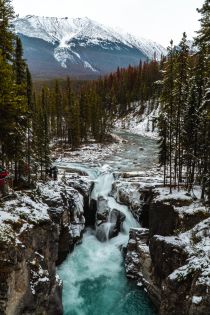
What does the term landscape denote?
A landscape is defined geographically as the visible features of an area of land, its landforms, and how they integrate with natural or human-made features, often considered in terms of their aesthetic appeal. A landscape includes the physical elements such as mountains, hills, rivers, lakes, ponds and the sea, indigenous vegetation and human elements including different forms of land use, buildings, and structures, and transitory elements such as lighting and weather conditions. In a nutshell landscape includes the physical elements of nature, vegetation, living animals, mankind and products of human intervention.
Landscapes and vegetation forming green spaces in the lives of human beings as well as ecosystem for all organisms have been linked with health since time immemorial.
The term ‘landscape’ originated from the Dutch word landschap, the name given to paintings of the countryside. Geographically landscape simply means a particular area visible on earth’s surface, but the term has been in use in various other aspects. Landscape paintings are the main things coming to our minds on hearing the term. Landscape paintings existed since the era of ancient Roman empire; however, it could gather a new momentum during Renaissance period in Northern Europe.
Natural & cultural landscapes
From geographical point of view landscape generally refers to both natural environments and man-made environments. Natural landscapes are considered to be the original or pristine environments that have not been altered by human intervention. Cultural landscapes, on the other hand, are environments that have been modified by human intervention such as building constructions. The term cultural landscape was first formally used in the early 20th century by geographer Otto Schlüter. A few scientific disciplines are closely connected with landscape. Geomorphology is the scientific study of the origin and evolution of topographic features created by physical or chemical processes operating at or near Earth’s surface. Geomorphology is practiced within physical geography, geology, engineering geology, archaeology and geotechnical engineering.
List of contents
- Pachmarhi – The queen of Satpura
- Green spaces to reduce stress
- Sharavati river basin
- Bhedaghat & Dhuandhar falls of Narmada river.
- Impact of plate tectonics on biogeography
- Impact of plate tectonics on biodiversity
- Fossils to decipher the geological &evolutionary history of the earth
Genesis of a landscapes
The origin of landscapes are the result of various processes happening within the surface layer of earth as well as some physical elements on its surface. Geologic processes– The surface of Earth is modified by a combination of geologic processes that cause tectonic uplift and subsidence, and shape the coastal geography. The physical elements on earth’s surface such as the action of water, wind, ice, fire, and living things on the surface of the Earth, along with chemical reactions that form soils and alter material properties, the stability and rate of change of topography under the force of gravity.
Human intervention – One of the most recent changes are due to human alteration of the landscape. Many of the factors operating behind the formation of landscapes are strongly mediated by climate. Geologic processes include the uplift of mountain ranges, the growth of volcanoes, isostatic changes in land surface elevation, and the formation of deep sedimentary basins where the surface of Earth drops and is filled with material eroded from other parts of the landscape. Therefore, it can be concluded that the earth surface and its topography are an intersection of climatic, hydrologic, and biologic action with geologic processes. Most of these factors operate synergistically or in isolation. in forming landscapes.
Different types of landscapes:
Desert, Plain, Taiga, Tundra, Wetland, Mountain, Mountain range, Cliff, Coast, Littoral zone, Glacier, Polar regions of Earth, Shrubland, Forest, Rainforest, Woodland, Jungle, Moors, Steppe, Valley.
Landscape archaeology or landscape history studies how humanity has changed the physical appearance of the environment both in the present time as well as in the past.
Landscapes in close affinity with literature
Through the lens of arts and literature, landscapes have formed a strong connection with these art forms. Topographical poetry is a genre of poetry that describes, and often praises, a landscape or place. John Denham’s 1642 poem “Cooper’s Hill” established the genre, which was very popular in 18th-century England. The poet William Wordsworth was a major contributor to the literature of landscape. The poet and novelist Walter Scott’s influence was felt throughout Europe in the 20th-century glorifying the nature &natural phenomena at its best form.
Topographical poetry includes images of rivers, ruins, moonlight, birdsong, and clouds, peasants, mountains, caves, and waterscapes. The changing landscape, brought about by the industrial and agricultural revolutions, with the expansion of the city and depopulation of the countryside, were the topics discussed in these poems mostly. Landscape is also associated with painting, gardening and architecture.
Blog posts -Landscapes
Sharavati river basin
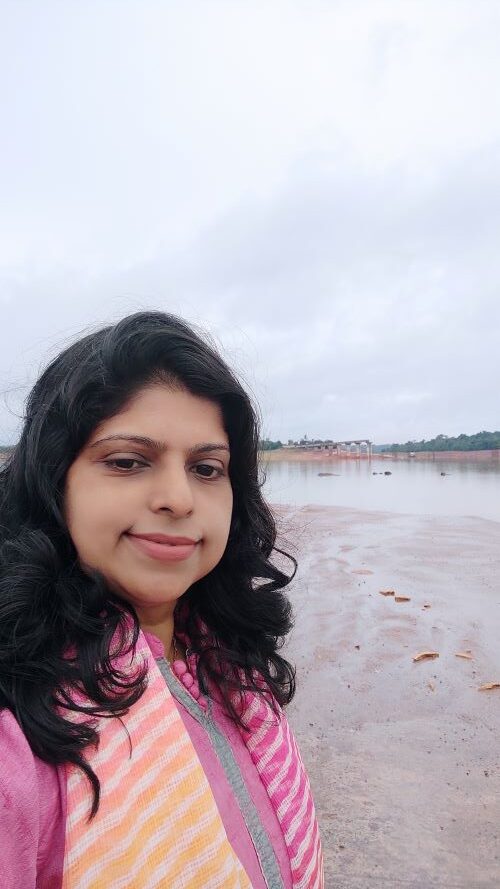
Sharavati is one of the well known rivers flowing through Karnataka state ,India and major part of the river basins lies in the western ghats.Sharavati river flows through Shivamogga and Uttara Kannada districts of Karnataka. The river is around 128 km long and it joins the Arabian Sea at Honnavar in Uttara Kannada district. The Sharavati river basin is a rich biodiversity hotspot.
Green spaces to reduce stress

In this digital era of extreme climate change and global warming, the green spaces serve as centres for respite which can revitalize mind and body alike. Moreover, recent researches point out their role in reducing stress and improving overall health.
Pachmarhi – The queen of Satpura

Pachmarhi is a hill station near the Satpura range of Mountains in Madhya Pradesh ,India. It is a treasure trove of rich history with its hilltop caves and is blessed immensely by it lush green forests and water falls.
Bhedaghat & Dhuandhar falls of Narmada river.
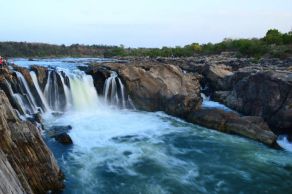
It is a well-known tourist destination in Jabalpur district celebrated for its incredible natural beauty, situated on the sides of the Narmada River which flows through the gorge.
Bhedaghat has a famous water falls known as Dhuandhar Falls. This is one of the main destinations that has been added on UNESCO list of natural world heritage sites.
Impact of plate tectonics on biogeography
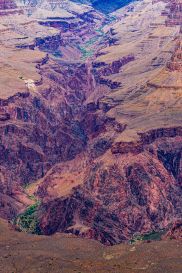
Plate tectonics is defined as gliding over of tectonic plates of earth’s crust over its semi fluid asthenosphere. This movement of plates accounts for the formation of biogeography of earth with mountains, earthquakes, volcanoes, and the distribution of continents and oceans over millions of years.
Impact of plate tectonics on biodiversity

The term “Biodiversity” encompasses a wide variety of life on Earth, with a large diversity of genes, species, and ecosystems. Tectonic plate movements and its consequent climate and habitat change have detrimental impact on biodiversity and evolution of species
Fossils to decipher the geological &evolutionary history of the earth
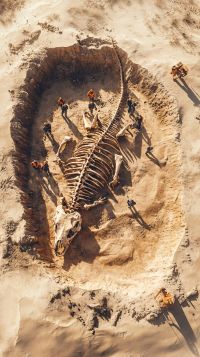
Fossils are the windows to the evolutionary history of Earth and its organisms. They provide valuable information about the geological and evolutionary history of Earth.
Fossils to decipher the geological &evolutionary history of the earth