
Just in- posts

  • Health benefits of strawberries

    Straw berries are nutrient dense superfoods which can boost cardiovascular and brain health. They are enriched with wide variety of antioxidants and micronutrients that help skin health also.

    Strawberry is a fruit that is widely loved and consumed by people across the globe for its aroma, bright red colour, juicy texture, and sweetness. It can be consumed either fresh or in the processed form of foods such as jam, ice cream, and chocolates. However, strawberries are good for health in its raw form without adding sugar.

    History of strawberries

    Strawberries are low-growing herbaceous plants that belong to genus fragaria and family rosaceae. These fruits originated in Europe in the 18th century. The garden strawberry was first cultivated in Brittany, France, in the 1750s. Strawberries have been mentioned in literature and art from Romans . It has been depicted in many western paintings also such as Italian, Flemish, and German paintings, including Hieronymus Bosch’s The Garden of Earthly Delights.

    However, strawberries reached all over the globe and several countries developed their own varieties commercially only during the 19th century. Strawberries are produced commercially both for instant consumption as raw fruits and for processing as frozen, canned, or preserved berries or as juice.

    Nutritional value of strawberries

    The strawberries are ranked as one of the best functional foods because of their vitamins and antioxidant content. These play crucial role in preventing and managing lifestyle diseases.

    Raw strawberries contain 91% water, 8% carbohydrates, 1% protein, and very low amounts of fats. They are rich source of Fibers, vitamin A, C, B1, B2, B6, K, folates and many important minerals such as calcium, magnesium, potassium.

    Along with potassium the antioxidants in strawberries help to protect heart health and reduce hypertension.

    The major antioxidants in strawberries include ellagic acid, and certain flavonoids such as anthocyanin, catechin, quercetin and kaempferol.

    It contains about 99%of the daily requirement of vitamin C and it is much more than that in oranges and help to boost immunity.

    Health benefits of strawberries

    • Protects cardiovascular health

    Antioxidants in strawberries help to lower risk of cardiovascular diseases through inhibition of LDL-cholesterol oxidation, promotion of plaque stability, improved vascular endothelial function, and decreased tendency for thrombosis or clot formation. It protects heart and blood vessels from forming plaques and blood clots.

    • Helps skin collagen formation &glow

    Vitamin C in strawberries helps to boost collagen production and thus skin health and beauty.

    • Helps to prevent Alzheimer’s disease & boost brain health

    The antioxidants in strawberries also help to prevent cognitive decline and protects your brain from neurodegenerative diseases such as Alzheimer’s disease.

    • Helps to maintain blood glucose level

    The glycaemic index of the fruit is less than 40 and hence it can be consumed by diabetic patients also. It will not cause blood sugar spike.

    • Boost immunity

    The vitamin C in strawberries help to boost immunity due to their anti-inflammatory and anti-infective potential. Vitamin C is also a great antioxidant.

    Conclusion:

    Strawberries contain several vital nutrients which can enhance immunity, heart health, bone health, brain health and skin health. Therefore, enjoy the strawberries for better health and quality of life in the most natural way.

    Safety & caution

    Strawberries may cause severe allergy in some people who are hypersensitive to it. Sometimes it may reach the level of anaphylaxis or fatal life-threatening allergy. People who are allergic to strawberries, are advised not to eat them.

    Written by dr Sanjana p

    References for further reading

    1.       https://pubmed.ncbi.nlm.nih.gov/15077879/

    2.       https://pubmed.ncbi.nlm.nih.gov/24345049/

  • Health benefits of fruits

    Fruits are immensely enriched with nutrients such as fibers, vitamins minerals and antioxidants. All these nutrients are crucial for healthy functioning of your body and mind.


    fruits

    Botanically, fruits are the seed-bearing structure in flowering plants (angiosperms) that is formed from the ovary after flowering. The fruits include sweet produce like apples and mangoes, as well as savory items like tomatoes, cucumbers, and nuts. Nutritionally, fruits are great sources of dietary fiber, vitamins, minerals, and antioxidants.

     Common types of fruits:

    • Citrus: Oranges, lemons, limes, and grapefruits.
    • Berries: Strawberries, blueberries, raspberries, and blackberries.
    • Tropical/Exotic: Mangoes, bananas, pineapple, dragon fruit, and papaya.
    • Pomes & Stone Fruits: Apples, pears, peaches, plums, and cherries

    Health benefits of fruits

    Fruits are abundant sources of fibers, vitamins, minerals and antioxidants. The nutritional value of various fruits is different and the health benefits they provide also differ accordingly. Therefore, it is always recommended that you take a mix of various fruits together in moderation at least four times a day along with a balanced diet. It is always advisable to consume cut fruits instead of juicing as it strips the fiber.

    •  Great source of fibers

    Fruits contain a lot of soluble and insoluble fibers. The fibers help to reduce cholesterol in your body and help gut health. They also have crucial role in reducing obesity or in promoting weight loss.

    • Improves heart health

    The antioxidants, fibers and some minerals in fruits help to improve cardiovascular health. They help to reduce plaque development inside blood vessels of heart and prevent heart attack and stroke. Fibers also have crucial role in reducing bad LDL cholesterol. The fibers also help weight loss mitigating the risk for heart attacks.

    • Enriched with various antioxidants

    The fruits contain various types of antioxidants which have beneficial effects on vital organs of human body and on skin. The antioxidant content varies among fruits. However, most of the antioxidants are powerful and prevent free radical induced oxidative stress.

    • A rich source of vitamins

    Fruits are enriched with many important vitamins including vitamin A, B, C, E and folates. All these vitamins are effective antioxidants also and play vital role in maintaining health.

    • Abundant source of essential minerals

    Fruits contain minerals such as calcium, magnesium, manganese, potassium etc. in good amounts which have significant roles in heart health and bone health.

    • Helps to prevent lifestyle diseases

    The fibers in fruits slows down digestion and help to reduce blood sugar spikes and low glycaemic index type fruits can be consumed by diabetic people as well. The fiber helps to reduce bad LDL cholesterols and protect from cardiovascular diseases. Potassium in fruits help to reduce and control blood pressure and therefore help heart health. The anti-inflammatory potential of fruits help to reduce diabetes and cardiovascular diseases.

    • Boost immunity

    The vitamins and minerals in fruits boost the immunity. Vitamin C rich fruits and vitamin A and carotenoids play crucial rule in it.

    • Improves digestion

    fruits regulate bowel movements, prevent constipation, and nurture a healthy gut microbiome due to the presence of fibers in them.

    • Helps weight loss

    Fibers in fruits help to reduce weight loss as the fibers give a feeling of satiety and reduce excessive food intake.

    •  Improves skin health & glow

    The antioxidants, vitamins in fruits help to glow your skin from within. It also helps to promote hair growth.

    • Anti -inflammatory properties

    The fruits have antioxidant vitamins with anti-inflammatory properties and they help to reduce chronic diseases of vital organs.

       The nature provides you with a wide variety of fruits in every season abundantly. Beyond the nutritive value, the fruits and their harvesting is a pleasant experience for people and therefore now fruit cultivation and their harvests are part of many resort projects globally. The urban population who lives in concrete jungles most of their life, visit such fruit farm resorts as a retreat centre of green space occasionally for relaxing and rejuvenating the mind and body. These fruit farm resorts welcome thousands of such visitors in quest of sustainable eco-friendly healthy living. In a nut shell the significance of fruits is enhancing day by day in this digital era of technological development when human beings search their roots for healthy living in close connection with nature.

     It is indeed a welcomely trend to have more farm stay orchards as part of Agri tourism. Furthermore, nowadays fruit gardens are part of home plans of many people who love and foster healthy living with nature.


    A few healthy fruits available in India & their nutritive value

    • Pine apple

    It is enriched with fiber, potassium, calcium, manganese and vitamin C. The fruit has great role in boosting immunity, heart health & skin health. It has anti-cancer and anti-inflammatory properties also.

    The bromelain in pineapple helps digestion and absorption of nutrients.

    • Pomegranate

    Pomegranate is rich in vitamin C and several other antioxidants such as ellagic acid which can fight against free radical damage to the cells. The fibers help digestive and cardiovascular health. Furthermore, minerals such as potassium and calcium play crucial roles in cardiovascular health and bone health.

    • Apple

    Apple contains fiber and vitamin C. They also boost heart health and gut health. Furthermore, it is a great source of potassium and calcium. It has critical role in boosting immunity in children as well as adults. They contain antioxidant quercetin which help in preventing inflammations. Apples are best for consumption in people attempting weight loss.

    • Grapes

    Grapes contain fiber, calcium, magnesium, potassium and vitamin C. Antioxidants in grapes reduce oxidative stress in the brain and protect against cognitive decline

    • Oranges

    Oranges belong to citrus group of fruits and is well known for being a great source of vitamin C and antioxidants like hesperidin and quercetin.

    • Strawberries

    Strawberries are rich source of fibers, vitamin A, C, B1, B2, B6, K, folates and many important minerals such as calcium, magnesium, potassium. Along with potassium the antioxidants in strawberries help to protect heart health.

    The major antioxidants in strawberries include ellagic acid, and certain flavonoids such as  anthocyanin, catechin, quercetin and kaempferol. The antioxidants in strawberries also help to prevent cognitive decline and protects your brain from neurodegenerative diseases such as Alzheimer’s disease.

    It contains about 99%of the daily requirement of vitamin C and it is much more than that in oranges and help to boost immunity.

    Vitamin C also helps to boost collagen production and thus skin health and beauty.

     The glycaemic index of the fruit is less than 40 and hence it can be consumed by diabetic patients also. It will not cause blood sugar spike.

    Conclusion:

    Fruits are enriched with several vital nutrients which can boost immunity, heart health, bone health, brain health and skin health. Include a wide variety of fruits into your daily diet for better health and productivity in life.

    written by dr sanjana vb

  • Dark circles around eyes

    dr sanjana p

    Dark circle around eyes is a common skin problem affecting all age groups of people and the causes are multiple.  In medical language, the problem is called periorbital hyperpigmentation. This is worrisome for men and women as it imparts face an aged, tired or depressed appearance.

    Overview

    The dark circles may mostly affect lower eyelid areas; however, it can spread to upper eyelids, the malar areas and nasal root areas overtime.

    Sometimes dark circles are found since puberty or it may extend to adulthood and last long. It has shown some familial inheritance in some ethnic groups. Both white and dark-skinned people may develop dark circles. They appear more vivid in blue or brown colours in fair skinned people and it is a cause of angst for many having this issue.

    People suffering from this hyperpigmentation issue often seek for various home remedies and medical and cosmetic solutions as the issue can diminish their confidence and self-esteem considerably. The remedies for addressing dark circles are dependent on its causes as the problem has multiple aetiologies or causes.

    Causes of peri orbital hyperpigmentation or dark circles

    • Genetic – In a few ethnic groups it has been found to be familial or it runs in families.
    • Ageing – It can be the result of constriction of blood vessels causing hyperpigmentation or thinning of the periorbital skin from ageing.
    • Sun induced damage – It can also happen from exposure to UV rays of sun which can cause oxidative stress to the skin and premature ageing of skin.
    • Nutritional or dietary errors– Nutritional deficiencies such as anaemia arising from iron deficiency also cause hyper pigmented dark circles around eyes.
    • Allergies – Allergic reactions can cause fluid buildup around the eyes and that may gradually lead to dark circles and swelling.
    • Constant rubbing of the eyes
    • Smoking
    • Loss of sleep
    • Thyroid dysfunction
    • Dehydration from poor water intake
    • Skin diseases – Inflammation from various skin conditions such as atopy and contact dermatitis may also lead to hyperpigmentation on face.
    • Medications  – Certain medications for glaucoma, some oral contraceptives or ophthalmic prostaglandin F2a use have been found to be related to hyperpigmentation.

    How does dark circle appear in people?

      Dark circles appear as purple or blue to dark brown or black in people according to the skin colour.    It is clearer in fair skinned people. The duration of dark circles lasting around the eyes depends on the causations of this pigmentation. If sleep deprivation and nutritional inadequacies cause it , adequate sleep and rest to eyes  along with balanced diet and some natural external applications can help get rid of the dark circles. But diseases causing hyperpigmentation may need proper and consistent treatment to address the problem.

    How to reduce dark circles or peri orbital hyper pigmentation?

    • Ensure sound &adequate sleep every day. It is crucial for skin health as well as health of eye muscles.

    • UV protection sunglasses

    Wearing the UV resistant glasses help to prevent pigmentation. Also use sunscreen on face while going out in sun.

    • Cold compresses
    • Applying   frozen cold cucumber slices to the eyes may help to reduce fatigue of eyes as well as dark circles. Vitamin C of cucumber may help to nourish and moisturize the skin. Vitamin C is a natural anti-oxidant which help to reduce hyperpigmentation from sun rays.
    • Green tea is a natural antioxidant and applying cold green tea bags are useful for removing dark circles and tiredness of eyes. It can also improve the health of skin under the eyes.
    •  Eye packs for managing dark circle or periorbital hyperpigmentation:
    • Aloe Vera gel, vitamin E oil, sweet almond oil eye cream

    Mix 1tbs aloe Vera gel with 1 tsp sweet almond oil,1 tsp vitamin E oil. Apply it around the lids and under the eyes. Massage gently with ring finger for 3 minutes. Leave it for 30 minutes. Do this every morning for better results.

    • Vitamin E oil and honey mixture

    Mix 2 tsp vitamin E oil and one tsp honey and apply on skin around eyes. Leave it for half an hour and wash later with any cleanser.

     Vitamin E is an effective antioxidant for the skin. It may help to reduce wrinkles and fine lines and hyperpigmentation causing damages to skin and blood vessels. Honey helps to moisturize your periorbital skin. It can help skin rejuvenation, regulate pH and has anti-microbial properties.

    •  Concealers are the least invasive option for hiding the dark circles temporarily.

    •  Stop smoking and reduce alcohol consumption.

    Medical management

    1.       under eye creams – Some eye creams are useful in reducing dark circles. Some of the bleaching creams contain hydroquinone, tretinoin. Use the creams only under the direction from a dermatologist.

    2.       Chemical peels

      The chemical peels use alpha hydroxy acids, such as glycolic acid. Peels may help in combination with other methods to reduce dark circles.

    3.       Lasers

    Lasers can reduce the risk of scarring  and help lightening hyperpigmentation.

  •  Impact of yoga on core muscles of back

    dr sanjana vb

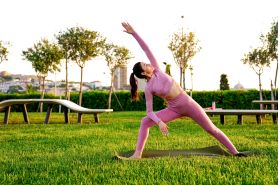
    Yoga has tremendous effects on strengthening core muscles of back &pelvis. Research studies substantiate that several yoga poses help to strengthen spine and pelvic muscles improving the quality of life as well as disease free muskuloskeletal system even in advancing age for everyone.

    Faulty postures & sedentary lifestyle contribute to weakening of core muscles & increased incidence of musculoskeletal disorders.

     Of late it is very common and spine curvature and instability leads to constant strain and pain back as well as limbs. On this back drop, the inevitability of strengthening core muscles is enhancing day by day. More people needs to be aware about core muscle strengthening yoga and other exercises to avoid any musculoskeletal disabilities arising in future.

    What is meant by core muscles?

    The “core” muscular network means the lumbo-pelvic-hip complex. The core muscle can also influence hamstring muscle functions.

    Core stability is defined as the ability to control the position and motion of the trunk over the pelvis to allow optimum production, transfer and control of force and motion to the terminal segment in integrated athletic activities.

    Activation of specific core muscle are involved in asanas or yoga poses which depended on trunk and pelvic movements.

     Core muscle activity is best understood as the pre-programmed integration of local, single-joint muscles and multi-joint muscles to provide stability and produce motion. This results in proximal stability for distal mobility, a proximal to distal patterning of generation of force, and the creation of interactive moments that move and protect distal joints.

    Evaluation of the core should be dynamic, and include evaluation of the specific functions (trunk control over the planted leg) and directions of motions (three-planar activity).

    Rehabilitation should include the restoring of the core itself, but also include the core as the base for extremity function.

    Computer -desk sitting syndrome & impact on spine &pelvis

    Shortening of hamstrings occurs from continuous sitting. Shortened hamstrings have a negative effect on mobility of the pelvis and the lumbar spine.

    During the practice of Utthanasana, rectus abdominis muscle flexes the trunk forward, which is further accentuated by iliopsoas and quadriceps.

    Core muscles of back – Erector spinae [ES] & multifidus [MS ] in yoga poses

    The back muscles of the core include ES and multifidus (MF)

    • ES is a group of posterior spinal muscle which is continuous from the sacrum to the occiput, and together they are involved in vertebral extension.

    The ES muscle groups are categorized from head to sacrum as capitis, cervicis, thoracis, and lumborum. The thoracis and lumborum parts of the ES form the posterior aspect of the core.

    Tadasana causes contraction of these muscles causing the spine to straighten.

     Utthita Trikonasana contracts the laterally placed LT and IC causing lateral bending of spine. The forward bends, such as Uttanasana, stretch these muscles and the backbends (Bhujangasana) strengthen these muscles.

    Back  muscle activation pattern of ES is prominently higher in Utthanasana, Urdhva Mukha Utthanasana, Urdhva Mukha Svanasana, Virabhadrasana (nondominant), and Virabhadrasana (dominant) than Adho Mukha Svanasana[3].

    • Multifidus &yoga

    MF muscle activity increased in ipsilateral bridge pose  and contralateral bridge  postures. The purpose of this study was to investigate both relative (as a percentage of maximal voluntary isometric contraction) muscle activity levels and ratios of local to global muscle activity, during bridging stabilization exercises[5]. Bridging  exercises, all back muscles contribute in a similar way to control spine positions and movements in a healthy population.

    • Quadratus  lumborum (QL)

    Deep to the ES, lies the quadratus lumborum (QL) which originate from the posterior iliac crest and inserts on the lower border of 12th rib and transverse process of lumbar vertebra 1 through 4.

     Contraction of the QL unilaterally flexes the trunk to the side in Utthita Trikonasana. Urdhva Dhanurasana contracts the QL which extends the lumbar spine.

     The functional shortening of QL is associated with sedentary lifestyle postures, and it limits the range of flexion in lumbar vertebra. Shortening of QL increases lumbar lordosis which is reflected as functional stiffness of the lower back and a lack of up- and down-flow of movement. It becomes difficult to raise the pelvis off the ground and rounding the back. This is important for standing in an erect posture.

    Ability to perform back-bending posture is an indicator of healthy core musculature.

    Variations in core muscle firing patterns depend on the trunk and pelvic positions during these poses.

    Training programs can be developed by choosing particular poses to target specific core muscles for addressing low back pain and declines in performance.

     The High plank, Low plank and Downward facing dog poses are effective for strengthening external oblique abdominis, Chair and Warrior 1 poses for targeting gluteus maximum, and Chair and Halfway lift poses for strengthening longissimus thoracis. And these three muscles could be strengthened by the Upward facing dog pose.

    written by dr sanjana p souparnika

    References

    1. Richardson C, Jull G, Hodges P, Hides J. Therapeutic Exercise for Spinal Segmental Stabilization in Low Back Pain: Scientific Basis and Clinical Approach. New York: Churchill Livingstone; 1999. [Google Schola
    2. https://pubmed.ncbi.nlm.nih.gov/16526831/
    3. https://pubmed.ncbi.nlm.nih.gov/24731894/
    4. https://www.ncbi.nlm.nih.gov/pmc/articles/PMC5433114/
    5. https://pubmed.ncbi.nlm.nih.gov/16987410/
    6. https://pubmed.ncbi.nlm.nih.gov/24731894/
  • Pumpkin seeds

    dr sanjana vb

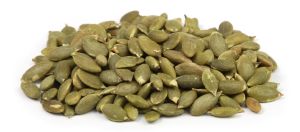
    Pumpkin seeds are highly nutritious seeds of pumpkins and they are enriched with antioxidants capable of preventing cancers of prostate of breast . The seeds have antioxidant, anti-inflammatory, anti-cancerous , anti-glycemic properties.

    Pumpkin seeds to prevent prostate cancer

     Pumpkin seeds are edible seeds of cucurbitae pepo. Several other species of cucurbitae also are cultivated for extracting seeds.

    The seeds contain 30-40% protein,56%unsaturated fat,fiber 6.6grams and very important minerals such as magnesium, zinc, iron , phosphorus.

    Health benefits of pumpkin seeds

    • Improves health of heart and blood vessels

    Pumpkin seeds help the expansion of blood vessels generating nitric oxide. This may help to reduce hypertension and vascular occlusion.

    • Reduces bad cholesterols

    Pumpkins contain phytosterols which helps to reduce bad cholesterol.

    • Helps to reduce the occurrence of prostate hypertrophy and prostate cancer

    Pumpkin seeds contain squalene antioxidants which prevent prostate cancer and hypertrophy. They also help to reduce the increased frequency of urination.

    • Reduces blood sugar level and helps to manage type2 diabetes.
    • Antioxidant properties

    Pumpkin seeds are rich source of antioxidants vitamin E , carotenoids, squalene and phenolic compounds. Antioxidants have great role in human body in preventing and addressing free radical induced damage or oxidative stress. It has crucial role in preventing organ diseases and cancers.  Antioxidants also help to prevent premature ageing resulting from various causes including environmental toxins, UV rays of sunlight, stress, sleep deprivation and metabolic errors.

    • A great source of unsaturated healthy fats

    Pumpkin seeds contain oleic acid and linoleic acid which have anti-cholesterol properties.

    • Anti-cancer properties

    The antioxidants particularly squalene helps to prevent breast cancers promoting apoptosis or cell death of cancer cells.

    • Helps to improve sleep

    Pumpkin seeds are rich in tryptophan aminoacids which have crucial role in the production of neurotransmitters. It also contains zinc, copper, selenium which help sound sleep.

    • Improves mental health

    The tryptophan amino acids of pumpkin seeds help neurotransmitter production. Also, magnesium in pumpkin seeds help to reduce stress and anxiety.

    How to eat pumpkin seeds?

    Pumpkin seeds in raw state contain phytic acid which may prevent absorption of minerals in human body. In order to reduce the phytic acid content either soak or roast pumpkin seeds before consumption.

    Frequently asked questions?

    • Is it safe to eat pumpkin seeds for all age groups?

    Yes. It is. However, it is recommended to eat after roasting or soaking.

    • Can people having higher B.P consume pumpkin seeds as a snack?

    Definitely they can. Pumpkin seeds have a unique potential to reduce B.P

    Generating vasodilator substance nitric oxide.

    • Are pumpkin seeds good for skin health?

    Yes they are. They are rich in various antioxidants including vitamin E which can improve the skin glow and health.

  • Skin tan remedies

    dr sanjana vb

    Skin tan & wrinkles from exposure to UV rays of sun can be effectively managed by natural home remedies with antioxidant potentials including aloe vera, green tea, tomato etc.

     Skin tan is the darkening of the skin’s complexion caused by increased melanin production. It is a defence mechanism of the skin against ultraviolet (UV) radiation from sunlight or artificial sources.

    Exposure to UV rays triggers melanocytes to produce more melanin which results in pigmentation. Furthermore, U V rays cause premature ageing of the skin causing fine lines and wrinkles.

    Impact of Ultra violet rays on skin

     UV rays of sun have immediate as well as chronic effects on skin ranging from inflammation, sunburn to cancers. Chronic exposure is associated with various cancers of skin such as melanomas.

    Sunlight exposure causes photo ageing of skin also. Photo ageing is characterized by collagen fiber breakdown, leading to sagging, wrinkles, and leathery skin. Chronic UV exposure leads to DNA damage and suppresses the immune system, decreasing the skin’s ability to repair itself.

     The acute or immediate exposure to sun’s UV rays include redness of skin as sunburn (erythema), inflammation, and pigmentation changes.

    5 Best sunlight induced skin tan removing natural face masks

    1. Aloe vera & turmeric

    You can apply aloe vera gel any time on your skin.  It has anti inflammatory properties and collagen boosting potential.

    It is a powerhouse of vitamins A, C and E all of which are great antioxidants for your skin.

    Aloe vera can hydrate your skin naturally and also it has cooling properties.

    You may use aloe vera gel immediately after exposure to intense sun light and heat. It is soothening to the mildly erythematous skin.

    For chronically darkened skin with no signs of inflammation or any irritation you may use a mix of aloe vera and turmeric powder.

    Take 2-3tsp turmeric powder and one table spoon aloe vera gel and mix well. Apply the mixture on your face and neck and leave for half an hour.

    This face mask can exfoliate dead cells and brighten your skin instantly.

    Turmeric has anti-inflammatory, antimicrobial properties and it is also a good antioxidant.  For best results use once in a week .

    • Lemon juice & glycerine

    Lemon is rich in vitamin C antioxidants and flavonoids. It lightens tan and pigmentation and can brighten your skin.

    Glycerine is a humectant. It moisturizes and hydrates your skin. It can also improve skin elasticity and helps repair of skin barriers. Generally, glycerine is safe for all skin types.

      Mix 3 teaspoon full lemon juice with one table spoon glycerine and apply on skin. Leave it for 30 minutes and wash with plain water.

    3. Tomatopulp & potato juice.

    Potatoes are rich in vitamin C antioxidant. Tomatoes contain lycopene antioxidants and vitamin C. both are very effective on brightening your skin and boosting collagen.

    Mix both juices together in equal amounts, as much as you need and leave for 40 minutes for best results. Then wash with plain water. This is extremely good for de-tanning and in giving you a radiant bright skin.

    4. Curd

     Curd can intensely hydrate your skin. It is a good exfoliant and helps to remove dead cells.It can  brighten and sooth the skin gently.Moreover, the curd is a natural cleanser that balances the skin microbiome and plays anti-inflammatory role.it helps fade acne marks and spots.Curd can boost collagen production and reduce fine lines and wrinkles.

    5. Gram flour, lemon juice and curd mix

    Mix 2teaspoonful gram flour ,2 teaspoons full lemon juice and 2tsp curd well. Apply on face.

    Lemon juice is rich in vitamin C antioxidants, vitamin B6 and flavonoids. It has anti-inflammatory and antimicrobial properties.

    Gram flour is rich in niacin and folate vitamins. Curd moisturizes and hydrates the skin. It is a good exfoliant. lemon juice is rich in vitamin C antioxidants. The application of this mixture can give you radiant glowing blemish free skin with consistent usage..

    Cautions

    • Do patch test under your chin before applying on the face
    • Avoid application on irritated skin
    • For better results consistent application is necessary.
  • Chia seeds

    Health benefits of chia seeds

    Chia seeds are highly nutritious seeds chosen by millions of people in their diet plans as they are great source of omega fatty acids, fibers , minerals and antioxidants. They have immense value in boosting cardiovascular health and in helping weight loss, bone health and brain health.

    Chia seeds are one of the most sought-after seeds among nutrition enthusiasts and population in general since a decade. Enhanced awareness about the health benefits chia provides made it the favorite food ingredient of many.

    Chia seeds are one of the most loved and consumed functional foods all over the world. Functional food is that which can be good for health beyond its conventional nutritive value. Chia seeds provide numerous health benefits.

    Chia seeds [Salvia Hispania] belong to lamiaceae family and it is cultivated all over the world as a crop.

    Nutritional value

    The chia seeds are rich sources of protein [16g/ 100g], fibers [ 34.4], carb [42.1] energy 480 kcal. It is a good source of vitamin B, niacin, thiamin, riboflavin and folic acid.

    Health benefits of chia seed

    •  Chia seeds improve digestive health

    Fibers of chia seeds helps bowel movement, digestion and helps gut health. It prevents constipation as soluble fibre adds volume to stool.

    • Antioxidant properties of chia

    Chia seeds have plenty of antioxidants within them including polyphenols and vitamin E. They are potent enough to prevent cancers and Alzheimer’s disease.

    • Chia seeds are great source of omega fatty acids

    Chia contains omega fatty acids such as alpha linoleic acid and linolenic acid.

    • Chia boosts cardiovascular health

    These are capable of lowering triglycerides or neutral fat and bad cholesterol LDL and thus help to prevent heart diseases and stroke.  Selenium in chia seeds also help cardiovascular health preventing clot formation as well as empowering heart muscle strength.

    • Chia seeds help brain health &cognition

    Omega fatty acids can also boost brain health and cognitive functions. This may help to prevent dementia or memory loss as they contain effective antioxidants as well as omega fatty acids.

    • Anti-cancer properties

     Studies also show that omega fatty acids are potent enough prevent some cancers.

    Chlorogenic acid and quercetin phytochemicals in chia seeds help to protect from cancers, ageing and lifestyle disorders.

    • Chia helps bone health

    Chia contains calcium, magnesium, phosphorus and copper. These minerals boost bone health as well as health of heart.

    FREQUENTLY ASKED QUESTIONS

    Can chia seeds consumption help to prevent brain diseases like Alzheimer’s disease?

    chia contains several antioxidants and omega fatty acids which have potential to protect against free radical induced brain cell damage or neuro degeneration.So the antioxidants help to neutralize free radicals and omega fatty acids improve cognitive functions of brain.

    Can chia seed soaked water intake help to prevent constipation?

    Yes . definitely . Chia seeds contain lots of fibers and this helps to improve gut health and bowel movements.

    Can chia seeds help weight loss?

    Yes. chia seeds have lots of fibers which help to reduce fat and cholesterol. Fibers also help fullness after its consumption and prevent excessive food intake.

    written by

    Dr.sanjana vb

    More posts on Food &nutrition

    • https://indiheritage.com/food-nutrition/

    image courtesy

    https://www.magnific.com/free-photo/nutritious-chia-seeds-spoon-close-up_9130496.htm#fromView=search&page=1&position=2&uuid=627ed044-fc92-4eb4-bc7e-b2024b0d836a&query=chia+seeds

  • Arrow root powder – health benefits

    Arrow root powder is packed with fibers, B-vitamins – riboflavin, niacin and folate and several important minerals which can boost cardiovascular health , bone health &digestive health particularly in gluten sensitive persons.

    Arrow rootpowder is a highly nutritious food resembling corn starch in appearance. Its scientific name is Maranta Arundinaceae and it is a member of Marantaceae family.

    It is quite often used as a thickening agent in desserts and baked food items.

    History of the plant

    The cultivation of this crop began around 7000 years ago in American continents. Arrow root plant derived its name from aru-aru meaning “meal of meals”, in the Caribbean Arawak language, which was a staple food in the Caribbean cooking.

     In the Victorian era it began to be used, as an easily digestible food for children as well as adult who couldn’t take heavy foods due to various reasons.

     In Burma, arrowroot tubers or artarlut were consumed as a healthy snack for many years. The tubers were boiled or steamed and taken with salt.

    Botanical information

     This perennial herb grows to a height of 3 to 5 feet and underneath the soil the plant grows fleshy tubers. The plant has multiple branches which grows to a height of 1.5 meters.

    Preparation of arrow root powder

    The arrow root powder is highly nutritious and easily digestible. But the production of arrow root powder is not so easy. It involves complex steps. The tubers are first harvested before the beginning of plant’s state of dormancy.

    The tubers are collected and outer skins are peeled after thorough rinsing under water. The dirt and soils are cleared by rinsing several times under the water. Later they are grated to produce the pulp. The pulp is mixed with clean water and strained several tims to separate the fiber. Then starch is allowed to settle by sedimentation.The starch is removed and more water added to resettle. This process is repeated multiple times until a clear surface water of the solution is obtained.

    Now the the top water is drained of and the arrow root fiber settled in the bottom is strained out and dried in sunlight. It is dried using machines also. Now the dried powder is ready to pack and use.

    Health benefits of arrow root powder

    • Enriched with B group vitamins

    Arrow root powder is an abundant source of thiamine, riboflavin, niacin, pantothenic acid vitamins.

    • Improves bone health and cardiovascular health

    The minerals in arrow root powder include calcium, magnesium, iron and potassium, phosphorus,zinc which are crucial for regulating blood pressure, heart health and for bone health. These minerals are crucial for bone mineralization which give strength to bones.

    • Helps for weight loss

    The arrow root powder is rich in fibers. So, they do not cause a sudden blood sugar spike after consumption. Diabetic &obese people can use arrow root powder.

    • boosts digestive health

    The arrow root powder can maintain better gut health as the fibres in this food improves digestion; relieves constipation; improves gut motility

    • boosts immunity

     According to research studies the arrowroot tuber extracts strongly increase interferon γ production by splenocytes. Also, it has been found that diet containing arrowroot extracts increased the immunoglobulins serum IgG, IgA and IgM levels as per animal studies.

    •      Gluten -free food for consumption for gluten sensitive people

    Arrowroot flour can be an alternative option for people sensitive to wheat and other gluten rich flours.

    The resistant starch in arrowroot make it an apt choice for gluten-free diets, particularly in gluten sensitive people.

    •      B-complex vitamins & niacin to boost cardiovascular health

    Arrowroot powder is rich source of B-vitamins –riboflavin, niacin and folate. Niacin helps to increase good cholesterol (HDL) levels and lower the risk of heart disease.

    •      Helps neural development in foetuses

    Arrowroot powder is an excellent source folate [about 338 mcg per serving], help red blood cell formation, cell division and growth and prevent anaemia. Moreover, folate is important for the normal growth and development of the foetus and prevents neural tube defects in infants.

    •      Strengthens bones

    Arrowroot is a rich source of magnesium [about 25 mg of magnesium per 100 g serving].

    Magnesium is crucial for bone mineralization process to impart strength for bones.

    Helps to reduce dehydration in gut infections

    Arrow root powder dissolved in water helps to boost the vitality after dehydration from gut infections and other causes.

    •      Reduces blood pressure and supports heart functions

     The alkaloids, phenolic compounds, flavones and saponins in arrowroot aids in reducing cholesterol levels. Potassium present in arrow root powder regulates blood pressure and protects against cardiovascular diseases.

    •      Arrowroot is a food with low glycemic index and can be helpful for diabetics

    How can you include arrow root powder in your diet?

    •      Arrow root powder can be used for thickening sauces and soups as a healthier substitute for corn flour.

    •      Being a gluten-free flour, arrowroot is largely used for baking gluten-free bread and biscuit.

    •      It can be used as a major ingredient for making arrow root milk puddings.

    •      It can be used as a health drink

    written by dr sanjana p

    More posts on Food & Nutrition

    • https://indiheritage.com/food-nutrition/
  • Quinoa to help weight loss & prevent lifestyle diseases

    Quinoa is a highly nutritious, gluten-free food packed with protein, dietary fiber, vitamins, and minerals potassium and magnesium. Quinoa is very much useful to help weight loss and improve heart health and digestive health.

     It is an easily digestible food and many people all over the world consume it as substitute for rice.

    Quinoa is a herbaceous plant grown for its seeds and belongs to the amaranth family.  The seeds of quinoa are edible and immensely nutritious as they are packed with protein, dietary fiber, B vitamins and important minerals such as potassium and magnesium.

    Quinoa is a prominently cultivated food in Asia, the United States, and European countries. People love to include this protein and fiber rich food for weight loss along with a lot of vegetables and legumes in salads.

    Nutritional value

    Quinoa is enriched with protein, fibers, vitamins and minerals. A cup of quinoa contains around 8g of protein and 5g of fiber.  It also contains folate, magnesium, iron and zinc. 1 cup of cooked quinoa contains 5.18 grams of fiber which is much more than that in whole grains.

    Quinoa is naturally gluten-free and is useful to people who need to cut gluten from their diet.

    Quinoa is enriched with high quality proteins as it contains all nine essential amino acids [amino acids that human body cannot form  but need to be obtained from food].

    However, quinoa contains some antinutrients such as saponins, tannins and phytic acid. These substances can reduce the absorption of iron and magnesium as they bind with them. But nothing to worry much. These antinutrients can be eliminated or reduced by rinsing, soaking, or sprouting the quinoa before cooking.

    How to prepare quinoa?

    First rinse quinoa well in a fine mesh strainer to remove bitter saponin coating. D it for 2-3 times for better results. Then soak it in water for 15 minutes.

      Take 2 parts water for cooking1 part quinoa and bring to a boil, then simmer for 10-15 minutes.

    The cooked quinoa can be mixed with cooked or boiled vegetables, chick pea etc. You may add ghee, some spices for flavor.

    Quinoa is available in different colours and varieties.

    Chenopodium quinoa is a dicotyledonous annual plant, usually about 1–2 m (3–7 ft) high. It has broad, generally powdery, hairy, lobed leaves.

    This plant is a cultivated crop world wide and in 2013 quinoa was in huge demand as awareness about its health benefits created a boom in its production and use. The United Nations General Assembly declared 2013 as the “International Year of Quinoa” in recognition of the ancestral practices of the Andean people, who have preserved it as a food for posterity to foster sustainable living practices.

    Health benefits of quinoa

    • Helps to reduce cholesterol &blood sugar
    • Quinoa is an abundant source of fibers and thus help to reduce cholesterol and blood sugar spike.
    •  Helps to reduce the body weight &triglyceride levels
    • antimicrobial,
    •  anticancer properties
    • Rich source of protein which helps healthy body building &proper functioning

    More posts on Food & Nutrition

    • https://indiheritage.com/food-nutrition/
  • Glioblastoma (CAR) T cell therapy – A ray of hope

    Glioblastoma multiforme (GBM) is a brain tumor with high fatality rate as the standard treatment options such as surgery, radiation and chemotherapy have very limited role. The particular location of the tumour, the blood brain barrier and immunosuppressive niche restrict the access to therapeutic intervention.

    The chimeric antigen receptor (CAR) T cell therapy in GBM

     Glioblastoma is a tumour characterized by rapid growth, high invasiveness The clinical outcome post therapy is poor due to multiple factors. Globally, the incidence of GBM is approximately 3.19 per 100,000 individuals per year, with a male predominance.

    The median overall survival in glioblastoma patients is only 12–15 months, with a 5-year survival rate below 5%. The poor prognosis of glioblastoma is attributed to the highly infiltrative nature, molecular heterogeneity, and its location within the CNS.

    The tumor is diagnosed by magnetic resonance imaging [MRI], magnetic resonance spectroscopy, histopathological examination and molecular profiling.

    Histologically, GBM is characterized by pleomorphic, poorly differentiated, astrocytic cells with high mitotic activity, microvascular proliferation, necrosis, and an elevated Ki-67 proliferation index.

    CAR-T therapy represents a rapidly evolving and promising perspective for GBM treatment. Preclinical and clinical data demonstrate that novel CAR designs, such as armored CAR-T, synNotch, and dual-target approaches, which can increase intratumoral activity, overcome antigen heterogeneity and the immunosuppressive TME to an extent.

    CAR-T therapy for GBM has advanced to promising clinical activity; however, further engineering and early phase trials are required before CAR-T can become a standard therapeutic option for GBM patients.

    written by dr sanjana p