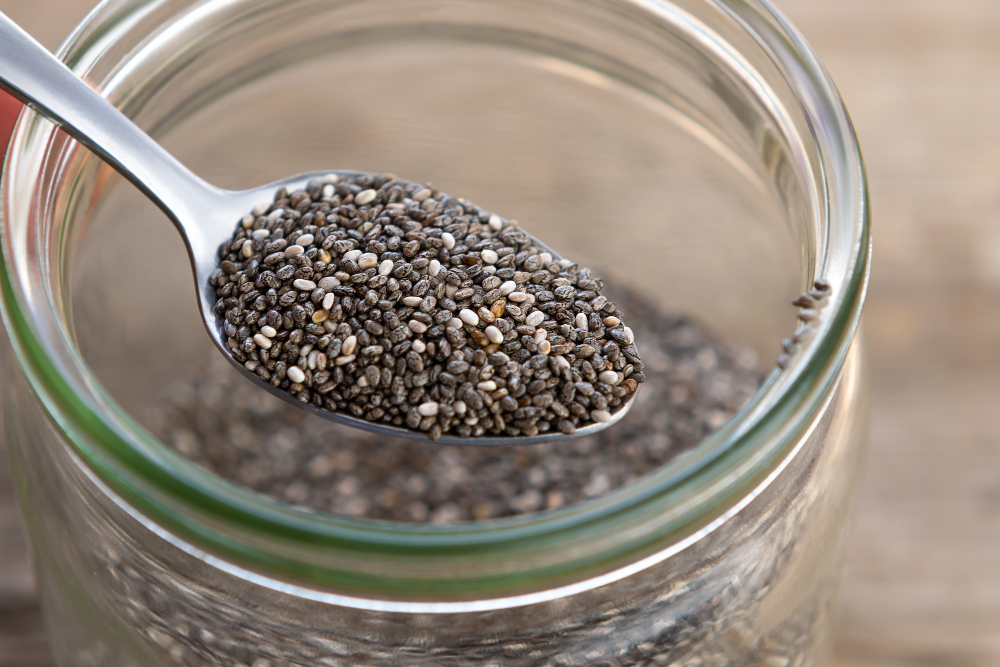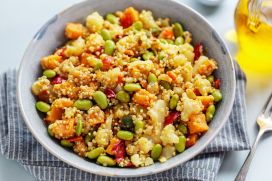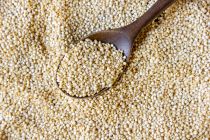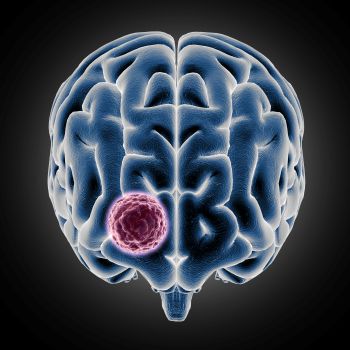

Chia seeds are highly nutritious seeds chosen by millions of people in their diet plans as they are great source of omega fatty acids, fibers , minerals and antioxidants. They have immense value in boosting cardiovascular health and in helping weight loss, bone health and brain health.
Chia seeds are one of the most sought-after seeds among nutrition enthusiasts and population in general since a decade. Enhanced awareness about the health benefits chia provides made it the favorite food ingredient of many.
Chia seeds are one of the most loved and consumed functional foods all over the world. Functional food is that which can be good for health beyond its conventional nutritive value. Chia seeds provide numerous health benefits.
Chia seeds [Salvia Hispania] belong to lamiaceae family and it is cultivated all over the world as a crop.
Nutritional value
The chia seeds are rich sources of protein [16g/ 100g], fibers [ 34.4], carb [42.1] energy 480 kcal. It is a good source of vitamin B, niacin, thiamin, riboflavin and folic acid.
Health benefits of chia seed
Chia seeds improve digestive health
Fibers of chia seeds helps bowel movement, digestion and helps gut health. It prevents constipation as soluble fibre adds volume to stool.
Antioxidant properties of chia
Chia seeds have plenty of antioxidants within them including polyphenols and vitamin E. They are potent enough to prevent cancers and Alzheimer’s disease.
Chia seeds are great source of omega fatty acids
Chia contains omega fatty acids such as alpha linoleic acid and linolenic acid.
Chia boosts cardiovascular health
These are capable of lowering triglycerides or neutral fat and bad cholesterol LDL and thus help to prevent heart diseases and stroke. Selenium in chia seeds also help cardiovascular health preventing clot formation as well as empowering heart muscle strength.
Chia seeds help brain health &cognition
Omega fatty acids can also boost brain health and cognitive functions. This may help to prevent dementia or memory loss as they contain effective antioxidants as well as omega fatty acids.
Anti-cancer properties
Studies also show that omega fatty acids are potent enough prevent some cancers.
Chlorogenic acid and quercetin phytochemicals in chia seeds help to protect from cancers, ageing and lifestyle disorders.
Chia helps bone health
Chia contains calcium, magnesium, phosphorus and copper. These minerals boost bone health as well as health of heart.
FREQUENTLY ASKED QUESTIONS
Can chia seeds consumption help to prevent brain diseases like Alzheimer’s disease?
chia contains several antioxidants and omega fatty acids which have potential to protect against free radical induced brain cell damage or neuro degeneration.So the antioxidants help to neutralize free radicals and omega fatty acids improve cognitive functions of brain.
Can chia seed soaked water intake help to prevent constipation?
Yes . definitely . Chia seeds contain lots of fibers and this helps to improve gut health and bowel movements.
Can chia seeds help weight loss?
Yes. chia seeds have lots of fibers which help to reduce fat and cholesterol. Fibers also help fullness after its consumption and prevent excessive food intake.
Arrow root powder is packed with fibers, B-vitamins – riboflavin, niacin and folate and several important minerals which can boost cardiovascular health , bone health &digestive health particularly in gluten sensitive persons.
Arrow rootpowder is a highly nutritious food resembling corn starch in appearance. Its scientific name is Maranta Arundinaceae and it is a member of Marantaceae family.
It is quite often used as a thickening agent in desserts and baked food items.
History of the plant
The cultivation of this crop began around 7000 years ago in American continents. Arrow root plant derived its name from aru-aru meaning “meal of meals”, in the Caribbean Arawak language, which was a staple food in the Caribbean cooking.
In the Victorian era it began to be used, as an easily digestible food for children as well as adult who couldn’t take heavy foods due to various reasons.
In Burma, arrowroot tubers or artarlut were consumed as a healthy snack for many years. The tubers were boiled or steamed and taken with salt.
Botanical information
This perennial herb grows to a height of 3 to 5 feet and underneath the soil the plant grows fleshy tubers. The plant has multiple branches which grows to a height of 1.5 meters.
Preparation of arrow root powder
The arrow root powder is highly nutritious and easily digestible. But the production of arrow root powder is not so easy. It involves complex steps. The tubers are first harvested before the beginning of plant’s state of dormancy.
The tubers are collected and outer skins are peeled after thorough rinsing under water. The dirt and soils are cleared by rinsing several times under the water. Later they are grated to produce the pulp. The pulp is mixed with clean water and strained several tims to separate the fiber. Then starch is allowed to settle by sedimentation.The starch is removed and more water added to resettle. This process is repeated multiple times until a clear surface water of the solution is obtained.
Now the the top water is drained of and the arrow root fiber settled in the bottom is strained out and dried in sunlight. It is dried using machines also. Now the dried powder is ready to pack and use.
Health benefits of arrow root powder
Enriched with B group vitamins
Arrow root powder is an abundant source of thiamine, riboflavin, niacin, pantothenic acid vitamins.
Improves bone health and cardiovascular health
The minerals in arrow root powder include calcium, magnesium, iron and potassium, phosphorus,zinc which are crucial for regulating blood pressure, heart health and for bone health. These minerals are crucial for bone mineralization which give strength to bones.
Helps for weight loss
The arrow root powder is rich in fibers. So, they do not cause a sudden blood sugar spike after consumption. Diabetic &obese people can use arrow root powder.
boosts digestive health
The arrow root powder can maintain better gut health as the fibres in this food improves digestion; relieves constipation; improves gut motility
boosts immunity
According to research studies the arrowroot tuber extracts strongly increase interferon γ production by splenocytes. Also, it has been found that diet containing arrowroot extracts increased the immunoglobulins serum IgG, IgA and IgM levels as per animal studies.
• Gluten -free food for consumption for gluten sensitive people
Arrowroot flour can be an alternative option for people sensitive to wheat and other gluten rich flours.
The resistant starch in arrowroot make it an apt choice for gluten-free diets, particularly in gluten sensitive people.
• B-complex vitamins & niacin to boost cardiovascular health
Arrowroot powder is rich source of B-vitamins –riboflavin, niacin and folate. Niacin helps to increase good cholesterol (HDL) levels and lower the risk of heart disease.
• Helps neural development in foetuses
Arrowroot powder is an excellent source folate [about 338 mcg per serving], help red blood cell formation, cell division and growth and prevent anaemia. Moreover, folate is important for the normal growth and development of the foetus and prevents neural tube defects in infants.
• Strengthens bones
Arrowroot is a rich source of magnesium [about 25 mg of magnesium per 100 g serving].
Magnesium is crucial for bone mineralization process to impart strength for bones.
• Helps to reduce dehydration in gut infections
Arrow root powder dissolved in water helps to boost the vitality after dehydration from gut infections and other causes.
• Reduces blood pressure and supports heart functions
The alkaloids, phenolic compounds, flavones and saponins in arrowroot aids in reducing cholesterol levels. Potassium present in arrow root powder regulates blood pressure and protects against cardiovascular diseases.
• Arrowroot is a food with low glycemic index and can be helpful for diabetics
How can you include arrow root powder in your diet?
• Arrow root powder can be used for thickening sauces and soups as a healthier substitute for corn flour.
• Being a gluten-free flour, arrowroot is largely used for baking gluten-free bread and biscuit.
• It can be used as a major ingredient for making arrow root milk puddings.
Quinoa is a highly nutritious, gluten-free food packed with protein, dietary fiber, vitamins, and minerals potassium and magnesium. Quinoa is very much useful to help weight loss and improve heart health and digestive health.
It is an easily digestible food and many people all over the world consume it as substitute for rice.
Quinoa is a herbaceous plant grown for its seeds and belongs to the amaranth family. The seeds of quinoa are edible and immensely nutritious as they are packed with protein, dietary fiber, B vitamins and important minerals such as potassium and magnesium.
Quinoa is a prominently cultivated food in Asia, the United States, and European countries. People love to include this protein and fiber rich food for weight loss along with a lot of vegetables and legumes in salads.
Nutritional value
Quinoa is enriched with protein, fibers, vitamins and minerals. A cup of quinoa contains around 8g of protein and 5g of fiber. It also contains folate, magnesium, iron and zinc. 1 cup of cooked quinoa contains 5.18 grams of fiber which is much more than that in whole grains.
Quinoa is naturally gluten-free and is useful to people who need to cut gluten from their diet.
Quinoa is enriched with high quality proteins as it contains all nine essential amino acids [amino acids that human body cannot form but need to be obtained from food].
However, quinoa contains some antinutrients such as saponins, tannins and phytic acid. These substances can reduce the absorption of iron and magnesium as they bind with them. But nothing to worry much. These antinutrients can be eliminated or reduced by rinsing, soaking, or sprouting the quinoa before cooking.
How to prepare quinoa?
First rinse quinoa well in a fine mesh strainer to remove bitter saponin coating. D it for 2-3 times for better results. Then soak it in water for 15 minutes.
Take 2 parts water for cooking1 part quinoa and bring to a boil, then simmer for 10-15 minutes.
The cooked quinoa can be mixed with cooked or boiled vegetables, chick pea etc. You may add ghee, some spices for flavor.
Quinoa is available in different colours and varieties.
Chenopodium quinoa is a dicotyledonous annual plant, usually about 1–2 m (3–7 ft) high. It has broad, generally powdery, hairy, lobed leaves.
This plant is a cultivated crop world wide and in 2013 quinoa was in huge demand as awareness about its health benefits created a boom in its production and use. The United Nations General Assembly declared 2013 as the “International Year of Quinoa” in recognition of the ancestral practices of the Andean people, who have preserved it as a food for posterity to foster sustainable living practices.
Health benefits of quinoa
Helps to reduce cholesterol &blood sugar
Quinoa is an abundant source of fibers and thus help to reduce cholesterol and blood sugar spike.
Helps to reduce the body weight &triglyceride levels
antimicrobial,
anticancer properties
Rich source of protein which helps healthy body building &proper functioning
Glioblastoma multiforme (GBM) is a brain tumor with high fatality rate as the standard treatment options such as surgery, radiation and chemotherapy have very limited role. The particular location of the tumour, the blood brain barrier and immunosuppressive niche restrict the access to therapeutic intervention.
The chimeric antigen receptor (CAR) T cell therapy in GBM
Glioblastoma is a tumour characterized by rapid growth, high invasiveness The clinical outcome post therapy is poor due to multiple factors. Globally, the incidence of GBM is approximately 3.19 per 100,000 individuals per year, with a male predominance.
The median overall survival in glioblastoma patients is only 12–15 months, with a 5-year survival rate below 5%. The poor prognosis of glioblastoma is attributed to the highly infiltrative nature, molecular heterogeneity, and its location within the CNS.
The tumor is diagnosed by magnetic resonance imaging [MRI], magnetic resonance spectroscopy, histopathological examination and molecular profiling.
Histologically, GBM is characterized by pleomorphic, poorly differentiated, astrocytic cells with high mitotic activity, microvascular proliferation, necrosis, and an elevated Ki-67 proliferation index.
CAR-T therapy represents a rapidly evolving and promising perspective for GBM treatment. Preclinical and clinical data demonstrate that novel CAR designs, such as armored CAR-T, synNotch, and dual-target approaches, which can increase intratumoral activity, overcome antigen heterogeneity and the immunosuppressive TME to an extent.
CAR-T therapy for GBM has advanced to promising clinical activity; however, further engineering and early phase trials are required before CAR-T can become a standard therapeutic option for GBM patients.
“Panch Kailash” as the literal meaning indicates [the Five Kailashas] is the collective name for the group of five sacred mountain peaks in Himalayas which are worshipped by the Hindu pilgrims for many centuries.
Panch Kailash is yet another instance of sacred linking of landforms with devotion, myths, epics and legends in the subcontinent. It is a highly revered group of mountains in Northern India under the Himalayan range of mountains. The faith and beliefs of people of these regions are deeply connected with divine presence of Lord Shiva in these mountains with goddess Parvati. Beyond the veil of myths, it is their hope and unwavering trust in the divine power residing on these mountains, which gives new momentum to take their everyday life forward.
Hindu religion has been intricately connected to these “five kailash” mountains and among them “The Mount Kailash” in Tibet is considered as the most sacred and visited by thousands of pilgrims and saints of several other religions apart from Hinduism.
The five kailash mountains situated in India fascinate pilgrim travelers from the subcontinent and neighborhood throughout the year. After mount Kailash in Tibet, the second most sacred mountain is the Adi Kailash of Uttarkhand[India].
Shri Khand Mahadev Kailash [ Shikhar Kailash), Kinnaur Kailash (Kinner Kailash), and Mani Mahesh Kailash (Chamba Kailash) are the remaining Kailash mountains situated in the state of Himachal Pradesh India.
Apart from these Panch Kailash mountains there is yet another culturally significant mountain in Hiimalayas which is known as “Sri Kailash”.
Sacred linking of Kailash mountains with Hindu mythology
Kailash-Mansarovar, Adi Kailash, and Om Parvat are sacred to pilgrims of Hindu religion. Adi kailash is revered as the first or original home of Lord Shiva and Godess Parvati before the divine couple’s movement to Mount Kailash in Tibet.
Adi Kailash has great spiritual significance as a place worshipped by Hindus as the meditation space of Lord Shiva for thousands of years. It is believed that Devi Parvati loved Lord Shiva on the foothills of this mountains and Lord Shiva tested the goddess for her determination and devotion to him and later married her. The myth prevailing in the region gives a fascinating narrative related to Shiva and his consort. According to that the deities started living in Adi Kailash in the initial period of their marriage and moved to Mount Kailash later.
Adi Kailash is also related to the cosmic dance or Thandava of lord Shiva “the creator of the universe who lived on Earth”.
Parvati Sarovar is a holy lake situated near to Adi kailash at an altitude of 4,501 meters. Gauri kund is close to Parvati saroar lake and it is a serene water body, with the peak of Adi Kailash reflecting on its surface.
Om Parvat is situated nearby at a height of 5,543 meters, known for its natural snow formation of the “OM” (ॐ) symbol
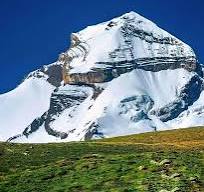
Adi Kailash
AdiKailash is known by several other names such as Shiva Kailash, Chota Kailash, Baba Kailash or Jonglingkong Peak.
Location:
This mountain is part of The Himalayan mountain range situated in the Pithoragarh, Uttarakhand India.
Gauri Kund (Jolingkong Lake) and Parvati Tal glacial lakes are at the base of the Adi Kailash
Adi Kailash and Limpiyadhura Pass (further northwest of Adi Kailash) are both located northwest of Gunji.
The Lipulekh Pass, Old Lipulekh Peak, and Om Parvat (southwest of Lipulekh Pass) are located northeast of Gunji.
Adi Kailash base camp, near the Hindu Shiva temple on the banks of sacred Jolingkong Lake (Gauri Kund), is located 17 km northwest of Kuthi (Kuti) village in Kuthi Yankti Valley (Kuthi or Kuti Valley)
How to reach Adi Kailash Mountain?
The journey to Adi Kailash takes about 7–10-day trip starting from Kathgodam or Dharchula.
An Inner Line Permit is mandatory to reach here and can be obtained in Dharchula.
The Adi Kailash Yatra Circuit route-1 via Gunji, the eastern-southeastern route, is reached by the Pithoragagh-Lipulekh Pass Highway (PLPH) and its Gunji-Lampiya Dhura Pass Road (GLDPR) paved motorable spur via Kuthi Yankti Valley from Gunji to Adi Kailash.
The permits for this route are issued at Dharchula and medical check-up is conducted there.
The Adi Kailash Yatra Circuit route-2 via Darma Valley, the western-southwestern route, begins by going up the Darma Valley and then crossing the Sin La pass south of Brahma Parvat to go to Kuthi Yankti Valley to Jolingkong Lake Base Camp.
Many travellers who take the route-2, after the Adi Kailash darshan, choose to traverse the route-1 in reverse direction till Gunji where they can join the Om Parvat and Mount Kailash-Lake Manasarovar Tibetan pilgrimage route along the Sharda River (Kali River).
Accommodation
The homestay accommodations are available in the villages along the route in Gunji, Napalachchu, Nabhi, Juli Kong and Kuti.
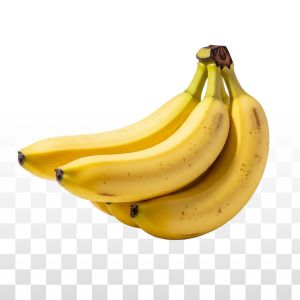
Banana is one of the highly nutritious fruits which provide energy and help cardiovascular & bone health due to its high fibers, potassium & magnesium content.
Banana is consumed by populations across the globe due to its availability and nutritious value. Banana belongs to the genus Musa and family Musaceae. It is cultivated worldwide and harvested throughout the year.
Banana in the history
Banana has been mentioned in early Greek, Latin, and Arab literatures as an edible fruit. There is an intriguing story related to banana and Alexander the Great. He saw bananas on an expedition to India and wondered seeing the fruit.
According to ancient history of America, bananas were taken from the Canary Islands to the New World after discovery of America and they were first established in Hispaniola and soon spread to other islands and the mainland.
Bananas are most sought after fruits in the global market and it ranks 5th among the most demanded cultivated food crops.
In India bananas are used both as a fruit and as an important ingredient in a variety of dishes for culinary use. It is either eaten raw or processed.
In India bananas have been merged with its culture and religious ceremonies. The plant itself is used for decoration in festivities across various states of Indian subcontinent. Ripe bananas are used for preparing various delicious food items by people of all religions in India during their festivities and celebrations.
Nutritional value of bananas
Bananas are abundant sources of several types of bioactive compounds and antioxidants. They contain phenolic compounds, carotenoids, phytosterols which foster health.
Banana fruit peel and flesh are enriched with phytochemicals, including polyphenols, flavonoids, fatty acids, carotenoids, phytosterols, amines having antioxidant potential.
Bananas are rich sources of fibers.
One medium banana (∼118 g) contains about 27 g carbohydrate (half as sugars), 3.1 g dietary fiber, 105 kilocalories.
Bananas are great source of potassium (422 mg) and vitamin B6 (0.43 mg).
Dopamine is a polyphenolic compound detected in small quantities in banana flesh, and in ample amounts in the banana peel. However, this dopamine is not useful as a mood boosting compound to brain as dopamine cannot cross the blood-brain barrier.
Health benefits of banana
Bananas a great energy booster
Bananas are a good source of carbohydrate and it boosts your energy to daily activities. In addition to carbs bananas are good sources of vitamins, minerals and fibers which boost health. Bananas can be consumed by non-diabetic people. However, its intake has to be in moderation for diabetic people as the fruit has high glycemic index.
The glycemic index of bananas is 51. Therefore, diabetics can consume banana moderately if they reduce unhealthy carbohydrates in their diet. Remember that banana is a rich source of fiber, antioxidants and vitamins and minerals essential for bone and heart health. Never forget to include a small piece of banana in your breakfast as a snack.
Banana helps digestion
Bananas are abundant sources of fibers which can improve digestive health and prevent constipation.
Fibers also help to reduce bad LDL cholesterol and thus protect heart and cardiovascular system. Fibers have great role in the prevention of colorectal cancers.
Improves cardiovascular health
Potassium in banana helps to improve heart health and blood pressure as potassium can reduce blood pressure. Furthermore the fibers in banana play a key role in reducing bad LDL cholesterol related atherosclerosis in arteries to heart.
Antioxidants in banana fight against free radicals &oxidative stress
Flavonoid polyphenolic compounds in banana are effective antioxidants found in its flesh. They help in free radical scavenging & protect against oxidative stress induced damage to DNA of body cells. Vitamin C in banana acts both as an antioxidant against free radicals and boost immunity also.
Improves brain health
Vitamin B6 found in banana has great role in helping to improve the health of brain & nervous system. In addition, vitamin B6 boosts metabolic health.
improves bone health.
Magnesium in banana has pivotal role in improving bone health as well as heart health.
Anticancer potential
A study shows that banana flesh can be used as a dietary supplement for protection against pancreatic and breast cancers as polyphenol flavonoid content in it can prevent oxidative stress and DNA damage [3]
How to include banana into your diet?
Banana blue berry smoothie
Banana kiwi apple smoothie
Banana nuts chocolate milk shake
Banana pan cake
Banana puddings
Banana dates smoothie
Eat raw banana as a breakfast snack
Banana milk shake
Chocolate banana peanut butter overnight oats
Banana peanut butter sandwich
Banana muffins
Boiled and sliced banana with honey and grated cheese
Dopamine and serotonin are neurotransmitters produced in your brain and they help regulating mood. However, they have distinct roles in affecting your mood. Dopamine is popularly known as the brain’s “reward/motivation” chemical promoting pleasure, motivation, and motor control, while serotonin is the “happiness” regulator, managing mood, sleep, appetite, and emotional stability.
Dopamine
Dopamine is a neurotransmitter released by neurons [nerve cells in the brain] and they carry signals between neurons. Dopamine is functioning as the “Accelerator” neurotransmitter. It motivates action and reward seeking. High levels feel like pleasure, addiction, or excitement. Dopamine is your supreme motivator. In addition to that role dopamine has role in movement and coordination of the body. It also has integral role in sleep, alertness etc.
While there is a difference between the actions of dopamine and serotonin. Dopamine provides short-term pleasure and motivation, whereas serotonin gives long-term happiness and calmness. Low dopamine causes low motivation.
How to boost the dopamine?
Dopamine boost is achieved by completing tasks, self-care, and engaging in exciting activities.
Exercising, meditating, and getting enough sleep increase.
Major dopamine boosting foods include chicken, eggs, fish, dairy, soy, avocado, nuts, seeds, fruits and vegetables.
Dopamine deficiency is associated with Parkinson’s diseases, hallucinations and schizophrenia.
The optimal range for dopamine in the blood is generally less than 30 picograms per milliliter (pg/mL).
Serotonin
Serotonin is a neurotransmitter produced in brain and gut by the nerve cells which provides satisfaction, calmness and long-term contentment to human beings. Serotonin gives long-term happiness and quietude unlike dopamine which is of short duration.
90% of serotonin is found in the gut and help digestion. Serotonin is present in the enterochromaffin cells in the gut, where it helps regulate the movement of the digestive system [gut motility]. Only 2%of serotonin is present in the central nervous system which plays a crucial role in mental health.
Serotonin levels influence your mood, sleep wake cycle, metabolism, appetite, cognition etc. It plays some role in regulating body temperature.
Serotonin production can be boosted by social connection, mood regulation techniques, and positive thinking. When serotonin levels decrease in your brain it affects neuronal signal transmission. Anxiety, insomnia, depression occurs from low serotonin. Low serotonin levels also cause constipation as it is important for digestion and gut motility.
Serotonin levels are influenced by
Genetics
Stress and environmental factors
Some diseases
How to boost serotonin?
The optimal range for serotonin in the blood is generally 50–220 nanograms per milliliter (ng/mL)
Exercising, meditating, and getting enough sleep helps to increase this neurotransmitter.
Sunlight also has great role in boosting serotonin naturally. Exposure to sunlight for about 10-15 minutes helps serotonin production by the body.
Other ways for managing good serotonin levels in your body include
reducing stress through mindfulness
eating tryptophan-rich foods like eggs, nuts and seeds, turkey, tofu.
Consuming good protein rich foods.
Comparison between dopamine & serotonin
Both serotonin and dopamine are neuromodulators. That means they facilitate communication between neurons even with those neurons that are far away from the neurotransmitters release site.
Both serotonin and dopamine affect sleep wake cycles. Sleepiness is caused by melatonin hormone secreted by pineal gland which has receptors for both neurotransmitters. Wakefulness state is caused by dopamine regulating norepinephrine.
Both helps happy mood but dopamine improves mood instantly and it lasts for a short time while serotonin provides long lasting happiness and calmness.
Both these neurotransmitters are required in the brain only in the optimum levels. Excessive intake of them in the form of medicines is associated with physical and mental problems impairing communication between neurons. Serotonin intake if exceeds normal in depression therapy it may cause serotonin syndrome.
Green tea has become an integral part of the daily life particularly among the urban population.Catechins are the major polyphenolic compound antioxidants in green tea. Catechins have great effect on blood vessels and their vascular protective effects operate through multiple mechanisms.
Cardiovascular health is a hotly debated topic in the wake of surging heart attacks and strokes. Cardiovascular disease (CVD) involves disorders of the heart and blood vessels, such as coronary artery disease, stroke, and heart failure, often caused by atherosclerosis (plaque buildup).
Cardiovascular diseases stem from multiple factors operating in the background. It is also associated with some non-modifiable risk factors such as age, gene etc. However, a major part of the cardiovascular risk is linked with faulty lifestyles such as unhealthy diet, erratic sleep, sedentary life styles etc.
For sustaining a healthy heart and plaque free blood vessels adopt a healthy diet plan. Diet to improve your heart health must include wholegrains, vegetables, fruits, nuts and seeds.
Moreover, one must refrain from hazardous foods weakening health of heart and blood vessels. Limit the following foods for better cardiovascular health. Cake biscuits, pastries, white bread, pasta, pizza, sweet desserts and candies. Avoid almost all junk foods, sugar, white flour and alcohol. For better health of heart & blood vessels along with cardiac diet, moderate physical activity also is recommended under the guidance of a health expert.
Cardiac diet must include whole grains, fruits, vegetables, nuts and seeds. Furthermore, some foods and drinks having potential to improve cardiovascular health need to be included in lifestyle.Green tea is a good option to prevent atherosclerotic plaque build up in blood vessels. Green tea has several other roles in heart and blood vessels. Moderate consumption of green tea also is highly recommended by experts.
Green tea -A treasure trove of antioxidants
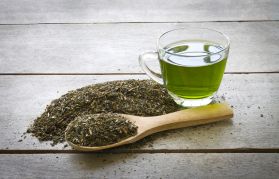
Green tea is commonly brewed using the dried leaves of the plant Camellia sinensis. Catechins are the most abundant antioxidants in green tea.
Green tea is manufactured by either firing or by steaming the fresh leaves, this process inactivates polyphenol oxidase in the fresh leaves. However, steaming prevents the enzymatic oxidation of catechins, the flavonoids in green tea extracts.
The main catechins of green tea are epicatechin (EC), epicatechin-3-gallate (ECG), epigallocatechin (EGC) and epigallocatechin-3-gallate (EGCG)
Around 80% to 90% of total flavonoids of green tea include catechins; EGCG being the most abundant catechin (48–55%). Drinking green tea raises the plasma catechin concentration after 2 to 4 hours of consumption. The plasma catechin levels after ingestion may raise between the range 0.6 to 1.8 μM. Even if the bioavailability is low, the absorbed catechins are still adequate to exert beneficial effects on cardiovascular system.
How to prepare green tea?
Green tea is prepared in a proportion of 1 g of tea leaves to 100 ml of boiling water in a 3-minute brewing.
Research studies substantiate -green tea antioxidants improve cardiovascular health
Does green tea offer protection to the heart?
Recently green tea and its effect on cardiovascular health is researched widely and extensively. Green tea has become an integral part of the daily life particularly among the urban population.
Catechins are the major polyphenolic compounds in green tea.
Catechins have great effect on blood vessels and their vascular protective effects operate through multiple mechanisms.
Catechins have antioxidative, anti-hypertensive, anti-inflammatory, anti-proliferative, anti-thrombogenic, and lipid lowering effects.
The catechins as antioxidants play crucial role in scavenging free radicals. Free radical induced oxidative stress to heart and blood vessels is prevented by catechins.
The catechins inhibit the key enzymes and reduce intestinal lipid absorption, thereby improving blood lipid profile.
Catechins regulate vascular tone by activating endothelial nitric oxide.
Catechins prevent vascular inflammation that has a pivotal role in the progression of atherosclerotic lesions.
Catechins inhibit proliferation of vascular smooth muscle cells by interfering with vascular cell growth factors involved in atherogenesis.
LDL-cholesterol is an important risk factor for the development of heart diseases. Studies showed that green tea consumption helps to achieve a lower ratio of LDL-cholesterol to HDL (high density lipoprotein) cholesterol. This may reduce the risk for clot formation and plaque formation within blood vessels.
Apolipoprotein B (ApoB) is the primary structural protein for LDL, VLDL, and IDL, which is a critical marker for cardiovascular risk. Consumption of green tea catechins supplements have shown to reduce ApoB and improve the ratio of ApoA-1/ApoB. Thus green tea reduces the risk for atherosclerosis and heart diseases associated with it.
Apoprotein B in cardiovascular diseases & green tea consumption impact
Apolipoprotein B (ApoB) is the primary structural protein for LDL, VLDL, and IDL, which is a critical marker for cardiovascular risk.
Nowadays apolipoprotein B and A are studied to assess the cardiovascular risk. It provides a more accurate assessment of heart disease risk than LDL. The reference range of apoB levels in adults is less than 130 mg/dL (1.3 g/L).
ApoB levels are higher in males than in females and tend to increase with age.
A high ApoB level often suggests a higher risk of plaque formation in the blood vessels.
Apolipoprotein B (ApoB) is the primary apolipoprotein component in LDL and high levels of ApoB and decreased Apolipoprotein A-1 (ApoA-1)/ApoB ratio are associated with higher risk of cardiovascular diseases. Green tea has a crucial role in reducing the risk associated with apolipoproteins.
Consumption of green tea catechins supplements have shown to reduce ApoB and improve the ratio of ApoA-1/ApoB.
Fingermillet is a highly nutritious gluten free grain which is a good source of calcium, iron,amino acids, fibers, antioxidants etc. Finger millet or ragi is crucial for bone health, digestive health and heart health. It is used as a food beneficial for achieving weight loss and managing blood sugar & cholesterol.
Relevance of healthy food & life style practices
In the digital era, owing to sedentary life styles and junk food consumption majority of the urban population suffer from deteriorating bone health, digestive health and cardiovascular health. Lifestyle diseases such as heart attack, stroke, fatty liver, diabetes etc. conquer a large number of men and women even in their early thirties.
Women also suffer from low bone mineral density and osteoporosis as a complication of poor bone health. Poor nutrition and lack of exercise are the fundamental causes of weakening of bones in women. Particularly post-menopausal women are more vulnerable to osteoporotic bone fractures due to declining female sex hormone oestrogens. They are also at risk of heart attacks as the oestrogen hormone start declining around menopause. A well-balanced diet, healthy mind, physical activity and moderate amount of strength exercises are crucial for bone health. Calcium rich food consumption in adequate amounts help bone health in postmenopausal women and others.
Of late there has been a transformation and awareness in a small fraction of population about the need of healthy food habits and life style practices in order to prevent lifestyle diseases and several other kinds of morbidities which endanger life.
Now people have started thinking about nutrient rich but low sugar low fat foods in the wake of enhanced health and wellness awareness. It is a great step towards a health indeed. They are aware about the dire need of physical activity also in sustaining a healthy body and mind.
Sedentary lifestyle leads to obesity and consequent to that many complications develop. This awareness has prompted many to choose foods having low sugar, low saturated or unhealthy fat and high in all essential nutrients.
Today I am narrating here such a highly nutritious staple food which can provide you with innumerable health benefits from weight loss to heart health. Let us have a glimpse into the nutritional value of finger millet or ragi.
Finger millet [ragi]
Finger millet or ragi is also known as Eleusine coracana. It is grown in several parts of the world particularly in India and Africa. It ranks 6th in production as a staple food after rice, wheat, maze, bajra etc globally.
Nutritional value:
Finger millet contains about 5–8% protein, 65–75% carbohydrates, 15–20% dietary fiber and 2.5–3.5% minerals
Nutritionally, finger millet is an important food due to its high content of calcium (0.38%), dietary fiber (18%) and antioxidant phenolic compounds (0.3–3%).
Calcium -344—364mg/100g
Protein 7g
Dietary fiber11.5g
Iron – 3.9-4.6 mg
Magnesium 137-146mg
Ragi is also well known for several health benefits it provides; such as anti-diabetic, anti-cholesterol, antioxidant and antimicrobial effects.
Finger millets also help weight loss, digestive and cardio vascular health due to fiber content.
The antioxidants in ragi include polyphenols and flavonoids. The polyphenols have antimicrobial, antioxidant and antidiabetic properties.
Health benefits of finger millets
Helps weight loss
The high fiber content of finger millets helps to provide easy satiety and prevent over eating preventing obesity. They also improve digestive health and reduce cholesterol accumulation in the body.
Helps to improve heart health
The fibers in ragi helps to reduce cholesterol and protects heart and blood vessels from atherosclerosis and clots. Thus, improve cardiovascular health.
Beneficial for diabetes management
The finger millets are rich in fibers and it is good for managing blood sugars. Research studies show that the carbohydrates present in finger millet are slowly digested and assimilated than those present in other cereals
Improves bone health
Ragi or finger millet being an abundant source of calcium it helps to improve bone health and muscle functions.It is also a good source of magnesium which is important for bone growth, strength and development
Agood source of iron
Ragi helps to reduce anaemia and its impact in humans as it is a good source of iron. Iron is crucial for proper oxygen delivery to cells by hemoglobin of our blood.
A good source of essential amino acids
Ragi contains essential amino acids tryptophan and methionine. Tryptophan is crucial in the formation of neurotransmitters and helps to improve brain function and maintain mood in a good condition. Tryptophan is necessary for formation of serotonin, melatonin and niacin. These control mood and sleep quality in human beings.
Tryptophan is a precursor in the formation of neurotransmitter seratonine. This neurotransmitter helps to curb appetite and reduce stress induced eating. So tryptophan of fingermillets has crucial rule in preventing obesity related to stress. Also it ensures happy mood helping seratonine production.
Methionine amino acid present in ragi helps to eliminate fat, support liver health and is good for skin and hair.
Antioxidants -prevents organ diseases&premature ageing
Ragi has several antioxidants which prevents oxidative stress induced by free radicals. Oxidative stress being an important link to processes leading to premature ageing. Finger millet antioxidants help to prevent premature ageing resulting from oxidative stress.
Methionine amino acid in ragi also boost skin health.
Free radical damages also cause several organ diseases. The antioxidants protect vital organs from the attack of free radicals .
Gluten free food
It is an excellent food for people having gluten sensitivity such as celiac disease. Ragi or finger millet is totally gluten free and rich in nutrients
Research studies on finger millets
A study conducted in 2010 by Shobana et al has substantiated the hypoglycaemic, hypocholesterolaemic properties. It also has illustrated the property of finger millets in protecting kidneys [1]
Diabetic patients are susceptible to oxidative stress by free radicals. The free radical types reactive oxygen species cause peroxidation of membrane lipids, protein glycation, and health complications. Antioxidants inhibit glycation by scavenging reactive oxygen species. Hegde et al. (2002) studied the role of polyphenol antioxidants of finger millet in this glycation inhibition effect. The study substantiated the antidiabetic properties.
How to include ragi or finger millet in your diet?
Mount Kailash, the sacred mountain peak [6,638 m] located in Tibet’s Ngari Prefecture is a world-famous pilgrim centre of Himalayas, revered by believers of Hinduism, Jainism, Buddhism and Bon followers. It is visited for circumambulation of the mountain and ritualistic bath in nearby lake Manasarovar by thousands of people every year.
Kailash -The unclimbed sacred mountain
Mount Kailash with its snow cladded peaks, worshipped as the centre of universe amazes the world for millions of years as a serene destination where devotees experience the fulfilment of soul’s journey.
This unclimbed sacred mountain is located in Tibet in the western Trans Himalayas near Manasarovar Lake and Rakshastal. It is regarded as a symbol of spirituality and sacredness for Hinduism, Buddhism, Jainism and Bon religion of Tibet.
Mount Kailash [6638m] located in Tibet’s Ngari Prefecture is revered by Bon followers as a divine abode and the center of the universe. It is located near Lakes Manasarovar and Rakshastal.
The word ‘Kailash’ is derived from sanskrit kailasa or kelasa which means crystal. Pilgrims from China, India, Nepal, and other countries visit mount Kailash for a circumambulation of the universe. Each circumambulation is a representation of fulfilling a life-death cycle.
On the way to mount Kailash one can see numerous stupas, flag poles, Buddhist monasteries and praying stations. Many of the ancient cultural artifacts were vandalized during the Cultural Revolution of China from 1966 to 1976.
The vestiges of the artifacts visible on both sides, on your journey in quest of divine power of Kailash, may tell you the stories of civilizations and cultures of bygone era sleeping in this land.
Manasarovar lake has been considered holy since time immemorial and Hindus take a ritual bath in the Manasarovar before doing circumambulation of mount Kailash. Manasarovar is the highest freshwater lake in the world.
According to Skanda Purana scripts “There are no mountains like the Himalaya, for in them are Kailas and Manasarovar. As the dew is dried up by the morning Sun, so are the sins of mankind dried up by the sight of the Himalaya
In Tibet, the mount Kailash is also known as Gang Rinpoche which means “snow jewel mountain”. Tibetan Buddhists call kailash as Kangri Rinpoche which means ‘Precious Snow Mountain’.
According to Tibetan religious texts of Bons Mount Kailash is known by several names such as Water’s Flower, Mountain of Sea Water, Nine Stacked Swastikas Mountain.
Till date Kailash Mountain peak remains unclimbed and climbing the mountain is prohibited by law due to its religious significance
Mount Kailash through the veil of myths &legends;
According to Hindu puranas and mythology texts Kailash is the centre of Universe, the home of Lord Shiva and goddess Parvati and their children. The mountain has been referred as mount Meru in Hindu scriptures and texts. Mount Meru represents stairway to heaven, where the devas reside.
The Vishnu Purana states that it lies in the centre of the world surrounded by six mountain ranges similar to a lotus, one of which is the Himalayas.
Kailash is intricately woven with the Jainism also as the first leader of Jains got enlightenment in this mountain. According to Jain scriptures, Rishabhadeva, the first Tirthankar of Jainism attained moksha (liberation) on Mount Kailash. Later Rishabhadeva’s son emperor Bharata Chakravartin had constructed three stupas and twenty-four shrines of the 24 tirthankaras in the region. He also performed a fortnight of worship termed Mahamaga and attained salvation from Kailash.
Buddhists believe that Mount Kailash is the navel of the universe. Buddhist texts describe Mount Kailash (Kailasa) as the mythological Mount Meru. Kailash is central to its cosmology, and a major pilgrimage site for some Buddhist traditions. Kailash and Manasarovar are considered as fatherly and motherly symbols in Buddhist tradition. Many destinations in the region are associated with Padmasambhava, the pioneer of Tantric Buddhism in Tibet in the 8th century CE.
Tibetan Buddhist pilgrims often chant Om mani padme hum (jewel in the lotus) and sing nyelu songs while crossing the Dolma La pass which are believe to proclaim a fraternity amongst all pilgrims who cross paths on a Kailash pilgrimage. Hinduism, Jainism, Buddhism, Bon followers converge as one entity of faith in the centre of the universe at mount Kailash.
Mount kailash is of supreme reverence for believers of Bon religion of Tibet also. For the Bons, the mountain is the abode of sky goddess Sipaimen and the mountain was the centre of the ancient Bon empire of Zhang Zhung. The followers of Bon religion of Tibet believe that the mountain is the abode of the sky goddess Sipaimen.
Geographical location
Mount Kailash is located in Ngari Prefecture, Tibet the Autonomous Region of China.
It is situated in the Gangdise Shan (also known as Kailash Range) of the Transhimalaya, in the western part of the Tibetan Plateau. The Mount Kailash peak is at an elevation of 6,638 m.
A few culturally significant rivers take origin from the western Gangdise Mountains and they include the Yarlung Tsangpo (which later becomes the Brahmaputra), the Indus, the Sutlej and the Ghaghara, a tributary of the Ganges. All these major rivers arise within a 60 km stretch in the region.
Mount Kailash is located on the banks of Manasarovar and Rakshastal lakes. Spread over an area of 320 km2.
Geology of mount Kailash
The geological analysis may show that mount kailash is a metasedimentary roof pendant supported by a base of granite. The collision of India and Asia resulted in folding, faulting, and heating of sedimentary basins. The area is a “roof pendant” or uplifted block of rock where deep crustal rocks (granites) and ocean-floor sediments (sedimentary rocks) are now exposed together at high altitudes.
The Indus headwaters area is typified by wide-scale faulting of metamorphosed late-Cretaceous to mid-Cenozoic sedimentary rocks interspersed with igneous Cenozoic granitic rocks. The headwaters are situated along the Indus-Tsangpo Suture Zone (ITSZ), where the Indian Plate collided with the Eurasian Plate. The igneous rocks are formed by the cooling of magma (molten rock) deep within the Earth’s crust during the Cenozoic era.
The Cenozoic rocks represent offshore marine limestones deposited before subduction of the Tethys oceanic crust.
Climate in the mount Kailash region
In summer the weather is fairly dry and during April to June the day time temperatures are in the range 5 to 17 °C (41 to 63 °F) and night time temperatures of 0 to 6 °C (32 to 43 °F). The region is cool even in summer.
But in the winter starting from October the temperature falls down to the freezing point ranging from −4 to 0 °C (25 to 32 °F) and further lower in the night reaching up to −20 °C (−4 °F). January is the coolest month and is covered with snow and glaciers in the Trans Himalayan region.
Monsoon rain begins from the end of June to August accompanied by freezing cold winds.
The temperature and weather of Trans Himalayas and mount Kailash are transforming under the impact of global warming as in other part of the globe. The rising temperature poses devastating impact on
The retreating glaciers and thawing of the permafrost in the Tibet region may have impact on water resources.
Furthermore, population explosion, pollution and tourism have adversely impacted the fragile ecosystem around Mount Kailash.
Pilgrimage to the sacred abode of Shiva – Kailash
It is unclear in the history when mount Kailash rose to the status of a sacred destination for pilgrimage. In the Indian subcontinent the sacred linking of landforms with divinity is evident since antiquity. In the Himalayan region crossing the borders also this tradition of sacred linking of myths is evident. Mount Kailash and other temples, monasteries in the valley testify for that.
Mount Kailash is revered as the abode of Hindu lord Shiva and by other religious sects as center of the universe.
The pilgrimage to mount Kailash involves trekking towards Lake Manasarovar and a circumambulation of Mount Kailash. The path around Mount Kailash is 53 km long. There are many stupas, flag poles, Buddhist monasteries and praying stations along the route.
The circumambulation usually begins and ends at Darchen, a small outpost located at an elevation of 4,670 m.
Each circumambulation of mount Kailash is symbolic of a fulfilled a life-death cycle.
Hindus take a ritual bath in the Manasarovar before doing circumambulation. The circumambulation is made in a clockwise direction by Hindus, Buddhists, and Jains, while Bonpos circumambulate the mountain in a counterclockwise direction. But setting foot on the slopes of the mountain or attempting to climb it is forbidden by law due to the religious significance of the mountain.
Religious pilgrimages to Mount Kailas and Manasarovar were allowed by China after its occupation of Tibet in 1950-51.
While pilgrimage from India was guaranteed by the 1954 Sino-Indian Agreement, access was restricted after the subsequent 1959 Tibetan uprising and the borders were closed after the Sino-Indian War in 1962.
After a pause of around two decades pilgrimage from India to Mount Kailash was resumed in 1981 after an agreement between the governments of India and China.
Later in 2020 the pandemic covid shut the route to mount Kailash and Manasarovar for around three successive years.
The route was re-opened in 2023 with new regulations.
How can you make a pilgrimage to mount kailash? [Kailash manasarovar yatra]
The pilgrimage or journey to mount Kailash is facilitated by Govt of India since 2015. The pilgrim tourists may have to apply in advance to the Ministry of External Affairs and specific number of passes will be issued to them and preference given to those who are visiting for the first time visitors.
In India, the applications are to be submitted for Kailash manasarovar yatra from June and September.
Pilgrims from India travel through two routes : with border crossings at Lipu Lekh pass in Uttarakhand and the Nathu La pass in Sikkim.
Visit mount Kailash from Nepal
Since 2015, the pilgrimage from Nepal is conducted through the Humla district in northwestern Nepal. Mount Kailash is visible from the Lapcha La pass above the Limi valley also.
Another route exists through the crossing at Rasuwa-Gyirong. Pilgrims could reach Lhasa by air before the journey to Lake Manasarovar.
The pilgrimage to mount Kailash involves trekking towards Lake Manasarovar and a circumambulation of Mount Kailash. The path around Mount Kailash is 53 km long.
The circumambulation usually begins and ends at Darchen, a small outpost located at an elevation of 4,670 m.
Trekking around the mountain can be made on foot with the help of a pony or domestic yak. The circumambulation takes three days on average with the first day trek from Darchen to Dirapuk gompa for about 14 km. The journey is resumed from Dirpauk to Zutulphuk via the Drolma pass for 19 km on the second day and the final day trekking back to Darchen .
The mystery of unclimbed mountain.
Mount Kailash had amazed many travellers on expeditions in the past centuries. In the beginning there were attempts by some trekking enthusiasts to climb the mountain. But adverse weather, snow fall paused hindrances and they abandoned the idea of trekking on the mountain. Later due to the growing religious significance and sacredness assigned by believers to the mountain, attempts to climb mount Kailash is forbidden by law.