
Tag: dr sanjana p souparnika

  • Alzheimer’s disease – A study reveals metabolic chemicals as causative factors beyond amyloid plaques

    Overview

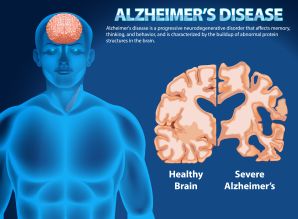
     According to a study from Rice university scientists, the dye free molecular atlas of brain of Alzheimer’s patients uncovers a new metabolic change across the brain beyond the amyloid plaque accumulation. It indicates a whole brain metabolic disruption beyond the amyloid protein deposits.

    Rice University scientists have compiled a fresh and innovative perspective in the pathological study of Alzheimer’s brain tissues. They have created first comprehensive, label free molecular atlas of the Alzheimer’s brain in an animal model.

    All over the world Alzheimer’s claims more lives in the recent decades and its incidence is spiking every year. Till date amyloid plaque deposition is considered as the major cause of the disease and still medical neuro-science has not made great progress in the management of Alzheimer’s and dementia in general.

    This study throws light into the fact that metabolic disruption affects brain cells and further research in this regard may help to formulate new strategies to address the onset as well as the progress of Alzheimer’s disease.

    Currently, Alzheimer’s is classified among the major diseases causing dementia or loss of memory and eventual progress to nerve degeneration to a wider area of brain incapacitating the patient to lead a normal life on both mental and physical levels.

    Previous pathological overview about Alzheimer’s disease

    Alzheimer’s disease is a progressive neurodegenerative disorder defined pathologically by the accumulation of extracellular amyloid-beta plaques and intracellular neurofibrillary tangles (NFTs) of hyperphosphorylated tau protein.

    Amyloid plaque accumulation happens through the abnormal cleavage of Amyloid Precursor Protein (APP) by beta- and gamma-secretase enzymes. Genetic mutations play key role. Early-onset Alzheimer’s is often caused by mutations in APPPSEN1, or PSEN2 genes. Also, the brain’s inability to remove the amyloid, often due to impaired proteostasis (protein degradation) adds to the pathological change.

    Moreover, reduced blood flow, chronic inflammation, and hypoxia (low oxygen) can trigger amyloid plaque production leading to Alzheimer’s disease.

    The amyloid proteins disrupt cell-to-cell communication and trigger immune responses (microglial activation). Microglia and astrocytes become activated by protein accumulation, releasing inflammatory cytokines that exacerbate damage.

    Oxidative Stress & Mitochondrial Dysfunction exacerbate the crisis. Increased oxidative stress and damage to cellular mitochondria can accelerate neuronal decline.

    Tau protein, which normally stabilizes microtubules in neurons, becomes hyperphosphorylated, changes shape, and aggregates into paired helical filaments (tangles). This causes the internal transport system to collapse, leading to neuronal dysfunction and death

    Alzheimer’s is is characterized by significant synapse loss and neuron death, primarily affecting the hippocampus and entorhinal cortex, leading to severe brain shrinkage (atrophy).

    This study at Rice university gives a deeper outlook towards the emergence and progress of Alzheimer’s disease. Although this study is in the incipient stage and further extensive research is needed to unravel the entire mechanism of metabolic disruption, the study provides new evidence in the pathology of Alzheimer’s disease.

    Research method

    The scientists of Rice university used an advanced light-based imaging method combined with machine learning, the team examined brain tissue from both healthy and Alzheimer’s affected animals. Their results, published in ACS Applied Materials and Interfaces, reveal that chemical changes linked to Alzheimer’s are not confined to amyloid plaques. Instead, these alterations appear throughout the brain in uneven and complex patterns.

    The researchers scanned whole brains slice by slice, compiling thousands of overlapping measurements to build high resolution molecular maps of both healthy and diseased tissue. The imaging process generated large amounts of data, which was analyzed using machine learning. Later they resorted to supervised machine learning, training models to distinguish between Alzheimer’s and non-Alzheimer’s samples. This was a crucial step that aided in determining how different brain regions reflected Alzheimer’s related chemistry.

    Research outcome by Rice university

    The research team found that the changes caused by Alzheimer’s disease are not spread evenly across the brain. Some areas showed strong chemical changes, while others were less affected. This uneven pattern elucidates clearly about the gradual onset of symptoms in Alzheimer’s disease and why treatments that focus on only one problem have had limited success.

    Beyond amyloid plaque accumulation, the study could throw light into the broader metabolic differences between healthy and Alzheimer’s brains.

     Levels of cholesterol and glycogen varied across brain regions, with the most dramatic contrasts appearing in areas responsible for memory, specifically in the hippocampus and cortex.

    Cholesterol has crucial role in maintaining brain cell structure, and glycogen serves as a local energy reserve.

    In a nutshell, this research study offers a more comprehensive view of the disease and opens up new avenues for research both at pathological, investigational and pharmaceutical realms.

    Delving deeper into metabolic disruption from other research studies

    The findings unveiled include:

    • Reduced glucose uptake by brain cells

    In alzheimer’s disease significantly reduced cerebral glucose metabolism, particularly in regions like the hippocampus has been detected. Neurons struggle to take up and utilize glucose, leading to a state of “intracellular starvation”.

    • Mitochondrial Dysfunction & ATP Failure
    • Also, dysfunction in the Tricarboxylic Acid (TCA) cycle, specifically a decrease in ketoglutarate dehydrogenase complex activity.
    • Reduced metabolic efficiency causes chronic oxidative stress, which damages brain cells. Microglia cells fail to clear debris and neuroinflammation follows.
    • Lipid Metabolism Dysregulation and lipid accumulation which triggers neurodegeneration.
    • The  Alzheimer’s brain exhibits insulin/IGF resistance, which impairs neuronal glucose transport and worsens energy metabolism.
    •  Signaling Pathway Disruptions: Dysregulation of the AMPK signaling pathway is closely linked to this impaired energy metabolism.

    Conclusion:

     I think the new information pertaining to the metabolic dysfunction and oxidative stress may give a new perspective to Alzheimer’s prophylaxis [ prevention], intervention and screening with more metabolic panel analysis.

    written by dr sanjana p souparnika

    Refernce

    1. Machine Learning-Enhanced Hyperspectral Raman Imaging for Label-Free Molecular Atlas of Alzheimer’s Brain. ACS Applied Materials, 2025; DOI: 10.1021/acsami.5c22623
    2. Brain Metabolic Alterations in Alzheimer’s Disease

    Carlos G. Ardanaz  Department of Pharmacology and Toxicology, University of Navarra, 31008 Pamplona, Spain https://www.mdpi.com/1422-0067/23/7/3785

    image courtesy freepik

  • The orogeny of Himalayas – Impact on ecosystem &climate

    The Himalayan orogeny or mountain formation is an ongoing process began from Cenozoic era from collision of tectonic plates and it had profound impact on the climate and ecosystem of the region.

    Himalayas – the evolution

      The Himalayan orogeny is a complex process of mountain building that happened through millions of years and is still ongoing. This article by dr sanjana p souparnika is an in-depth study of the evolution of Himalayas, the majestic mountain ranges over the centuries.

     The word “orogeny” is derived from Greek and it means “mountain creation”. Orogeny is the primary geological process of mountain building happening through the collision of tectonic plates on the earth’s crust at convergent margins. This collision leads to intense folding, faulting, and crustal thickening processes. It lifts, deforms, and metamorphoses crustal material to create huge mountain ranges like the Himalayas. The Himalayas were formed around 50-100 million years ago in the Cenozoic era.


    Himalayan orogeny deciphers the evolution of species

       The formation of Himalayas began roughly 50–70 million years ago and the Himalayan stratigraphic study of rocks may decipher plate tectonic movements in the geological time scale along with changes in climate and biodiversity in the region around Himalayas. This can throw light into the history of evolution of earth & its ecosystems over billions of years.

     The collision of the Indian and Eurasian continental plates paved way for the Himalayan  mountain building and still it is ongoing. This collision vanished the Tethys ocean[ an ancient ocean] resulting in intense folding, faulting, and crustal thickening, ultimately forming the Himalayas.

       The Cenozoic Era is the current and most recent geological era, spanning from 66 million years ago to the present day. It is also known as the “Age of Mammals”. We must remember that only 2.6 million years ago humans appeared on the surface of earth from hominids through the evolutionary process. The Homo Sapiens emerged precisely in the quaternary period of coenozic era, in the Pleistocene epoch around 300,000 years ago. In that sense, Himalayas being the youngest mountain ranges formed in the Cenozoic era has profoundly influenced the climate and ecosystems and emergence of human species.

     Himalayan rock stratigraphic studies unveil the influence of mountain ranges in the evolution of human species. The rapid uplift of Himalayan mountain ranges as a result of collision of tectonic plates created new ecological niches.  Ecological niches are specific environmental requirement of a species within an ecosystem such as habitat, food sources etc. that help survival and reproduction. These niches acted as a “species pumps” that instigated significant evolutionary changes through diversification, and vicariance of Asian fauna and flora.

     When an ecological niche is empty with no living organisms, particularly after a new landform creation or extinction, it acts as a “pump” that attracts new species into it.  The niches, allowing for the evolution of specialized, endemic species.

    However, it is to be noted that, according to the competitive exclusion principle, two species with identical niches cannot coexist; one species may compete with the other, eventually leading to extinction. Nevertheless, nearly identical species clusters may co-occur sometimes.

     In short When niches are differentiated, they reduce competition between species and fosters coexistence of similar species.

    Himalayan mountain uplift enhanced biodiversity

     The orogeny of Himalayas has immensely impacted the biodiversity through intense topographic and climatic changes.

     Himalayas created diverse habitats, stimulating diversification and rapid evolution of species of fauna and flora. Diversification is the evolutionary process where species adapt to fill specific roles in an ecosystem, reducing competition and increasing biodiversity.

     The newly formed mountain ranges created physical barriers, fragmenting populations and leading to allopatric speciation through vicariance. vicariance denotes a scenario where a species is divided by a geographical barrier may adapt to slightly different environmental conditions. The passive splitting of a species’ range, often due to geological changes such as mountain uplift, continental drift or climatic changes lead to vicariance. This process has crucial role in allopatric speciation. Here the physical isolation of the species in a new ecological niche leads to genetic and phenotypic divergence. Himalayan niches thus grow as great biodiversity spots.

    The uplift of Himalayan ranges intensified the South Asian Monsoon, which had impacted the regional climate and determined the expansion or contraction of habitats facilitating species movement and adaptation. The sudden uplift of mountains leads to environmental shifts either species adapting to the terrains or becoming extinct.

    Himalayas- phases of orogeny

    Himalayan mountain building phases

    The Himalayan mountain range and Tibetan plateau have been formed from the collision between the Indian Plate and Eurasian Plate which happened around 40 and 50 million years ago. The tectonic plate movement and orogeny is still ongoing moving the plates towards north every year slightly.

      The Himalayas are denoted as the youngest mountain chain in the world. Himalayan mountains have come out of the Tethys Sea and that the uplift has taken place in different phases.

    During Permian Period (250) million years ago, there was a supercontinent known as Pangaea. Its northern part included present-day North America and Eurasia (Europe and Asia) which is called as Laurasia. The southern part of Pangaea consisted of present-day South America, Africa, South India, Australia, and Antarctica and together it was called Gondwanaland.

    Between Laurasia and Gondwanaland,existed a long, narrow, and shallow sea known as the Tethys Sea with several tributaries of rivers flowing into it. Sediments from these rivers flowed in and deposited on the floor of the Tethys Sea.

    Then the powerful compression due to the northward movement of the Indian Plate compressed the sediments of the sea bed. This resulted in the folding of sediments. As the Indian plate began plunging beneath the Eurasian plate, these sediments were further folded and uplifted resulting in the formation of Himalayas. Later the folded sediments, underwent weathering and erosional activity which sculpted it as the present-day Himalayas.

     The genesis of Indo-Gangetic plain was due to the consolidation of alluvium brought down by the rivers flowing from the Himalayas.

      Still the summit of Mount Everest is made of marine limestone from this ancient ocean tethys. Tibetan plateau was formed due to up thrusting of the southern block of the Eurasian Plate.

    The movement of tectonic plate is an ongoing process happening even today.  India is moving northwards at the rate of about five cm per year and crashing into the remaining part of Asia.

    The curved shape of the Himalayas convex to the south is because of the maximum force occurred at two ends of the Indian Peninsula during its northward drift.

     The orogeny of Himalayas into the current landform happened through 6 phases.

    6 phases involved in the formation of Himalayas

    Phase 1 – 100 million years ago

    Phase 2 – 71 million years ago

    Phase 3 – The Drass volcanic arc

    Phase 4 – Greater Himalayas were raised

    Phase 5 – Rise of lesser Himalayas

    Phase 6 – Rise of the Shiwalik ranges

    Phase 1

    The first phase of formation of Himalayas began 100 million years ago During Cretaceous Period, around 100 million years ago, the Indian plate was located b/w 10 ⁰ S – 40 ⁰ S, over the reunion hotspot. The movement of the plate gathered its mass velocity as it was closer to the equator (14cm/yr) and compression of sediment bed of the Tethys  sea started towards the end of the Paleocene.

    Phase 2

     The second phase of Himalayan orogeny began around 71 million years ago as the plate with Gondwana land drifted towards North East and the rigid Northwestern ridge composed of the Aravalli series collided with Eurasia.

    The line of collision b/w the Tibetan Plateau and the Indian Plate is called Indus–Tsangpo Suture Zone which is a compressional tectonic fault line.

    As the plate began to subduct, crustal doubling below Tibet raised them into a high plateau with a thickness of around 60km

    Along the southern front of the Indus-Tsangpo Suture Zone, the Murree Foredeep was formed and further south, the Shiwalik foredeep was created.

    Phase 3 – The Drass volcanic arc

    During Oligocene period of Cenozoic era, the Drass volcanic area was formed and in the Tethys crust, a series of volcanic eruptions took place. It is situated in the Indus suture zone as an island arc on Neo- Tethys Ocean crust during cretaceous period[ 84-125 million years ago]

    The plate has started anti-clock rotation and Drass became the Pivotal Axis. Thus, in the western part, pressure and compression were gradually released but towards the East, compression of Tethyan sediments has started which marks the beginning of the rising of Tethyan Himalayas. As the Indian plate pushed north 71-50 million years ago the sedimentary stack was thrust southward.The Tethys Himalayas originated from the sedimentary basin underwent folding and transformation during the period of compression.

    Phase 4 – Greater Himalayas were raised.

    The continuous rotation and greater compression created a major thrust in the sediments of Murree foredeep and greater Himalayas were raised about 30-35 million years ago (Oligocene to Eocene period]. The compressional thrust line is known as the Main Central Thrust (MCT). It is a 30-km-thick, medium- to high-grade metamorphic sequence of metasedimentary rocks which are interlocked by granites of Ordovician and early Miocene age.

    However, majority of the meta sediments of this area of mountain ranges are of late Proterozoic to early Cambrian age.

    The metasediments represent the metamorphic equivalents of the sedimentary series forming the base of the overlying Tethys Himalaya“.

    Phase 5 – Rise of lesser Himalayas

    The sediments were being deposited in the Shiwalik foredeep and further movement in the plate formed the lesser Himalayas during the Miocene (15-20 million years ago.)

    MCT separates greater and lesser Himalayas and the compressional thrust line along which the lesser Himalayas were lifted is known as Boundary Thrust/Fault (MBT of MBF) line.

    Phase 6 – Rise of the Shiwalik ranges

    In the Shiwalik foredeep, sedimentation by the Himalayan rivers formed the molasse material. It forms the southern foothills of the Himalayan Range and is essentially composed of Miocene to Pleistocene molassic sediments derived from the erosion of the Himalaya.

    The partial feeding of the Shiwalik foredeep along the Himalayan Frontal Fault (HFF) led to the rise of the Shiwalik ranges which represent partially folded sedimentary range.

    These molasse deposits, known as the “Murree and Sivaliks Formations”, are internally folded and imbricated.

    Tethys Himalaya (TH) – A short narrative about the oldest mountain ranges of Himalayas

    Tethys Himalayas represents the ocean to mountain transformation and therefore the fossils of marine organisms are found on its higher peaks with in sedimentary rocks. This region is also referred to as Tibetan zone Himalayas which covers Zanskar range in Kashmir and Spiti basin in Himachal Pradesh extending to south Tibet.

    Tethys Himalayan region is located south of Indus Sangpo suture zone and north of Greater Himalayas. It is considered as the oldest parts of Himalayan range system. This zone of Himalayas originated from the seabed sediments of the ancient Tethys ocean [ an ancient ocean which got vanished by tectonic plates collision into huge mountain ranges of Himalayas].

    The Tethys Himalaya is an approximately 100-km-wide synclinorium or trough formed by strongly folded and imbricated, weakly metamorphosed sedimentary series. It is 2000km long geological tectonic zone north of the main Himalayan range.

    This zone has fossil remnants of northern margin of the Indian subcontinent.

     Several nappes [ sheet like body of rocks], known as the “North Himalayan Nappes”, have also been described within the Tethys Himalaya which is a syclinorium of folded poorly metamorphosed fossiliferous marine sedimentary rocks [over 500 million years old].

       Tethys mountain ranges give a stratigraphic record ranging from the Upper Proterozoic to the Eocene of fossils preserved within the sediments of the Tethys Himalaya. Stratigraphic analysis of Tethys Himalayan sediments yields important clues about the geological history of the northern continental margin of the Indian sub-continent. This mountain range gives implications about its Gondwanian evolution to its continental collision with Eurasia.

    written by dr sanjana p Souparnika

    image courtesy freepik.com

  • The Himalayas – biodiversity hotspot

       The Himalayas are biodiversity hotspots with exquisite flora &fauna and endangered species of animals & birds that have garnered increased attention from environmental scientists and nature lovers worldwide in recent decades.

    “The Himalayas” captivates the minds of the common man, affluent and the ascetic alike due to various reasons. The ethereal beauty of these colossal and magnificent mountain ranges captivates the human spirits, yet its profound, serene vales allure the ascetic. The grandeur of these ethereal mountain ranges captivates all who behold them.

       Beyond the aesthetic beauty and tranquility it offers, the Himalayas host a rich array of flora and fauna, including rare medicinal plants currently facing a high risk of extinction.

        Generally, the mountains encompass around 25% of the world’s terrestrial biodiversity and nearly half of the world’s recognized biodiversity ‘hotspots’ are present in the mountains.

    The Himalayas – biodiversity & ecosystem

     The Himalayan mountain ranges separate the Indian subcontinent from Tibetan plateau. These youngest mountain ranges cover an area of about 595,000 Km2 over 8 countries. The region contains over 10,000 plant species, over 300 mammal species, and 979 bird species, along with endemic flora and fauna.

    Himalayas – click to read more

     The Himalayas are home to many rare flowers and Orchids and cushion plants at 6100m height.

    Ermania himalayensis, one of the highest altitude flowering plants, is found at 6300 m on the slope. It is a unique small, dense, hair-covered cushion plant on scree slopes, thriving in extreme cold and dry conditions.

      Himalaya is home to Freshwater turtles and over1300 bird species.  The endangered bird species found in Himalayas include white eared night heron, grey crowned crocias,  orange necked patridge.

     Himalayas at its extreme altitude variations features diverse ecosystems from subtropical forests to alpine meadows.

     It is home to endangered species, including the Snow Leopard, Red Panda, Himalayan Tahr, and Himalayan Monal.

    Bengal tigers, Asian elephants, greater one-horned rhinoceros, and wild water buffalo also exist in the lower regions.

       The biodiversity of Himalayan region confronts severe threat from climate change, deforestation and, urbanization. The mountain ecosystems are very sensitive to climate change. Climatic conditions may change rapidly with elevation over relatively short horizontal distances, impacting quality &quantity of water resources, vegetation, ecosystems, and socio-economic settings.

    The Himalayas- biodiversity hotspot under threat

    The Himalayan ranges being a biogeographic region with an exceptional concentration of endemic species of plants & animals facing the threat of extinction from several factors operating in the region,is categorized as one of the prominent” biodiversity hotspots “on the globe.

    This huge, awe-inspiring mountain ranges extending over 8 countries, play a pivotal role in regulating the climate of the subcontinent acting as a massive climatic barrier. They are instrumental in blocking freezing, dry air from Central Asia in winter, resulting in a warmer, moderate climate.

    It’s a stark, shocking reality that Himalayas are under the threat of biodiversity loss &environmental pollution owing to multiple factors operating in the region.

    Himalayan landscapes have been altered, modified, and influenced by a large number of factors including climate change, intensified anthropogenic activities, trade etc. Several studies have reported the altered and modified landscapes, degrading biodiversity, altered plant phenology, and deteriorating ecosystem productivity in the region.

    According to research studies on Himalayan biodiversity, the shrinking of the cryosphere, land use for trading & construction activities, vegetation change and loss of biodiversity have adversely affected the ecosystem of the region.

    Habitat fragmentation, illegal wildlife trade, and unplanned urban expansion is killing the ecosystem of the Himalayas silently day by day.

    Impact of climate change on Himalayan Glaciers

     Climate change has deleterious impacts on the mountains and its valleys over the decades, causing gradual loss of biodiversity as well as poor quality of water emanating from the snow cladded mountains. In addition to climate change, several other factors contribute to the ecosystem damage in the Himalayan region.

     According to researchers Ren et al as per a study conducted in 2017, the region has experienced significant warming in recent decades, with the annual mean surface temperature increasing at about 0.11 °C per decade from 1901 to 2014.

    Annual precipitation trends using Global Land Monthly Precipitation (GLMP) and Global Land Daily (GLDP) data does not show any significant change over time.

    The Himalaya is warming at an alarming rate, probably three times higher than the global average. This may cause species to shift to higher elevations.

    • Thinning & retreat of Himalayan glaciers

       The cryosphere is the key component of the Himalayan ecosystem and several studies have documented the extent of climate change on it.

    The cryosphere encompasses the lakes, rivers, ice, snow cover, glaciers, ice caps, ice sheets, and frozen ground (permafrost) of the region. It is a critical component of the climate system that regulates global temperatures by reflecting solar radiation back into space.

    Several studies on Himalayan glaciers point out that the glaciers have retreated, thinned, and lost mass in many regions of the Himalayas.

    • Decreasing water content in snow cover

      Research data also indicates that there is a significant and widespread decrease in the water content of snow cover (Snow Water Equivalent – SWE). This reduction, often referred to as “snow drought,” is driven by rising global temperatures and shifting precipitation patterns from snow to rain.

     The Himalayan region is experiencing a critical “snow drought” in the earlier part of the current year 2026 with significantly reduced Snow Water Equivalent (SWE) and shrinking snow cover, particularly between 3,000m and 6,000m elevations.

    These factors have direct impact in reducing the amount of water stored over the winter. Water scarcity is the imminent threat challenging the future of the  vegetation, flora and fauna of the region.

    •  Permafrost degradation in Himalayan region

    Himalayan permafrost is experiencing rapid, unprecedented, and largely irreversible degradation due to global warming.

    Permafrost is ground—soil, rock, or sediment—that remains frozen at or below 0°C for at least two consecutive years, with some lasting for thousands of years. The permafrost degradation can have significant implications for regional infrastructure, water security, and risk of hazards.

      Studies indicate that a substantial amount of permafrost was lost in the Western Himalayas between the early 2000s and late 2010s, with the climate change associated to global warming.

    Recent studies have highlighted that over 60% of the high-altitude areas in specific regions, such as Jammu & Kashmir and Ladakh, are underlain by permafrost, which is now actively degrading and it is unprecedented.

    As per global mountain glacier studies, decrease in snowpack water content alters the crucial insulation layer on the ground, causing severe ecological consequences.  

      Climate change is significantly altering plant phenology in the Himalayas, causing earlier spring leaf emergence, extended growing seasons, and shifted flowering times due to warmer temperatures and reduced snow cover. Rhododendron arboreum, have shown delayed flowering. These alterations in plant phrenology threaten high-altitude biodiversity and ecosystem stability

    Impact of climate change Himalayan on biodiversity &water quality

    The lowering soil moisture consequent to less snow cover, thinning of glacier and degrading permafrost adversely impact the vegetation of the region. Particularly in spring and summer, it limits water availability for vegetation growth.

     Without the insulating snow layer, winter temperatures can cause deeper soil freezing. This results in higher fine root mortality, nutrient loss, and lower microbial activity. It may cause extensive damage to the vegetation of the region.

    Less snowpack causes earlier snowmelt, which can trigger earlier, but less productive, plant growth.

    Less water storage in snowpack lead to forest water stress and eventually cause higher tree mortality rates. Forest water stress occurs when water loss through transpiration exceeds uptake from the soil, causing severe physiological strain due to drought. Forest water stress leads to loss of a large population of trees in an extensive area.

    When snowpack decreases, or when rain-on-snow events increase, it leads to increased soil nutrient leaching. This may cause higher nutrient loads (like phosphorus and nitrogen) being flushed into waterways, degrading water quality.

    Reduced SWE [snow water equivalent] is associated with snow draught. This causes less meltwater available in the dry season, leading to lower streamflows and reduced reservoir levels.

    With reduction in total water volumes, the concentration of pollutants in remaining water sources can increase, reducing water quality for consumption and poor sustenance of aquatic life.

    The Himalayas provide 30–60% of downstream freshwater, rising to 70–90% in some semi-arid and arid environments.

    Water supply reduction affects irrigation, leading to lower crop yields and thus scarcity of food resources in the nearest future.

     Impact of intensified anthropogenic activities on Himalayas

    Ecosystem services and goods offered by mountains are of global significance, as they provide fresh water, biodiversity, mineral resources etc.

     Deforestation, habitat fragmentation, overgrazing, and road construction, especially in the Eastern Himalayas cause adverse impacts on the Himalayan ecosystem.

    Illegal wildlife trade poses a threat to endangered species. Construction of dams and other illegal encroachment to sensitive zones also destroy the biodiversity and eco system.

    For further reading:

    impact of plate tectonics on biodiversity

    The Himalayas- Biodiversity Conservation Efforts

    To the conserve the ecosystem of Himalayan region efforts are being made in a stringent way as the region has been listed among the four biodiversity hotspots in India.

    The strategic conservation measures include :

    • Protected zones:

     Implementation of national parks and sanctuaries, such as the, Barsey Rhododendron Sanctuary, where grazing is banned to protect endemic species.

    • Sustainable Practices are recommended &practiced
    • Development of medicinal plant conservation zones
    •  promoting, community-led, conservation initiatives.
    • Enforcement of regulations against illegal mining, and regulating unsustainable tourism.
    • sustainable agricultural practices.
    • addressing the impacts of climate change.
    • image courtesy: freepik.com
    • written by dr sanjana p souparnika[ copyright]
  • Healthy living

          Healthy living implies adoption of certain wise choices in life such as good eating habits, healthy sleep pattern, physical activity, mental wellness fostering habits, stress management.


      Healthy living is the adoption of lifestyle practices and habits that may help to reduce diseases and premature death consequent to faulty lifestyle. The rate of morbidities & mortalities spikes every year all over the globe in an alarming scenario. It encompasses curable, incurable, manageable types of morbidities. These accounts &estimates elucidate the relevance of prevention of diseases through healthy living.

    When we speak about health it has a wider dimension in the current era and an unprecedented significance as health implies mental and physical health. which is deteriorating in the population due to a myriad of factors.

         The World Health Organization (WHO) has already defined health as “a state of complete physical, mental and social well-being and not merely the absence of disease or infirmity”. However, in this digital world of unbridled urbanization added disease burden from sedentary lifestyles and jetlag emphasises the dire need for adoption of healthy lifestyle practices for everyone.

        Health means fulfilling personal abilities, managing life’s stresses, working productively, and contributing to one’s community. Simply health encompasses physical, mental, and social dimensions.

    Healthy living habits

       Healthy living implies adoption of certain wise choices in life such as good eating habits, healthy sleep pattern, physical activity, mental wellness fostering habits, stress management.

    List of habits &practices for healthy living:

    • Healthy balanced diet   [ see the next section of this article]
    • Stress management

      Chronic as well as severe acute stresses are associated with several types of morbidities which can threaten lives. It is very important to manage our day-to-day life stress accumulation. Key strategies for stress management include identifying stressors, setting boundaries, maintaining social connections, and avoiding unhealthy coping mechanisms like excessive alcohol or caffeine. Stress can be alleviated through practices such as meditation, yoga, mind body exercises, physical activity and mindfulness.

    • Physical exercise & yoga

     Adopting physical activity into our life style may provide immense health benefits for our body and mind. It improves physical stamina as well as mental, emotional and cognitive health.

    • Quit smoking

    Smoking is associated with several types of cancers and chronic lung diseases. Quit smoking and stay healthy.

    • Avoid/reduce alcohol intake

    Alcohol in excess amounts cause chronic liver damage and eventually cirrhosis and liver cancers. Alcoholic fatty liver is one of the beginning stages of liver damage from alcoholic consumption. Alcohol also can damage the nervous system also in a serious way.

    • Meditation

    Meditation helps to reduce the impact of stress on your body and mind. It helps to de-clutter your mind from the damages, challenges & difficult circumstances had inflicted on you. It helps to stabilize your parasympathetic nervous system to achieve a calm state of mind.

    • Good sleep pattern

    Sleep has crucial role in regulating your bodily functions and immunity. Loss of sleep or sleep deprivation is associated with several life style diseases. Of late many research studies point to the adverse impact of jetlag.  Sleep deprivation may affect cognitive brain functions and memory also. Ensure that you get a sound undisturbed sleep of at least 6-7 hours every day.

    • Work life balance

    It is very important to take adequate rest after strenuous as well as stressful work. Continuous work may fatigue your organs particularly heart and brain.  Work stress from overload may deteriorate your mental and intellectual capacities. Ensure that you get adequate rest after arduous tasks.  Keep your mind calm with meditation and yoga breathing practices or mind-body exercises.

    • Mindfulness

     Mindfulness in health means being nonjudgmental, having present-moment awareness. It helps to reduce stress, manage chronic disease conditions, and improve mental well-being.  Mindfulness helps through calming the nervous system and lowering cortisol. It can alleviate anxiety, depression, insomnia, and high blood pressure. Mindfulness involves meditation, breathing exercises, and mindful eating or walking.

    • Water

    Drink adequate amount of water daily as it is essential for proper functioning of the body and to flush out toxins entering the body.

    What is balanced diet?

    Food has a great role in the lives of human being both as an ingredient fostering health and improving mood. Oncourse, nutrients in the food is crucial for the functions of human body and their optimum levels determines the mental and physical health of an individual as well as population. However, food with its appealing colour, taste and aroma influence the mood also.

    The smell of cooking food and its appearance can stimulate our nervous system and gastrointestinal system and plays a great role in digestion and absorption. This fact has been used in mindful eating concept existed in Indian subcontinent since the Vedic times. Still mindful eating has been given due importance in Ayurvedic system of medicine. 

    A nutritionally balanced diet should include carbohydrates, proteins, fats, vitamins and minerals in adequate quantities. The quality of the food as well as safety is important in choosing your diet.  For example, all carbohydrates are not healthy. Whole grains are the best carbs. Similarly red meat provides protein and iron but its regular consumption may enhance the risk for cancer of intestinal tract and rectum.Healthy proteins are plant proteins, chicken, egg and milk proteins.

    Also, all fats are not healthy. Only unsaturated fats are good for health. Saturated fats are unhealthy. eg: vanaspathi ghee.

    Balanced diet-What to include in your daily diet for a healthy living?

    Healthy living involves cultivating daily habits that improve physical, mental, and social well-being. Among all the points discussed here nutritious healthy balanced diet has more significant role in healthy living. Ensure that following foods are included as a section of your daily diet.

    • Whole grains

     Include more whole grains instead of unhealthy sugar rich carbohydrates in your daily diet. Consume whole grains such as oats, cereals. Consume adequate amount of fibre rich fruits, vegetables, beans,nuts etc. along with wholegrain products daily for healthy living.

    •  Healthy protein rich foods

     Healthy proteins are plant proteins, chicken, egg and milk proteins. Consume them in moderate amounts according to your level of physical activity. Proteins are building blocks and important for the formation of enzymes and hormones in human body. Proteins also impart strength & tone to skin and hair.

    • Green leafy vegetables

    Green leafy vegetables are abundant source of antioxidant compounds and several other essential micronutrient vitamins and minerals. These are vital for the growth and maintenance of bodily functions. They also help to boost immunity.

    • Fruits

    Fruits are enriched with vitamins, minerals, fruit sugars, fibers etc. Include moderate number of fruits as a part of your routine food for healthy living.

    • Nuts & seeds

    Nuts are packed with healthy fats, vitamins, minerals, protein and Fibers. In most of the nuts, the saturated fatty acid content is low and nearly half of the total fat content is made up of unsaturated healthy fat.

    Major types of edible nuts with high nutritional value are the following:

    •      Almonds

    •      Brazil nuts     

    •      Cashew nuts

    •      Hazelnuts      

    •      Macadamia nuts 

    •      Peanuts

    •      Pistachios      

    •      Walnuts

      Brazil nuts have good amount of healthy polyunsaturated fatty acids. Pine nuts contain linoleic acid and α-linolenic acid.  Walnuts are rich in omega-3 fatty acid α-linolenic acid.Moreover, nuts are good source of proteins &dietary fiber. Nuts are enriched with folate vitamin.

    Nuts contain antioxidant vitamins (e.g., tocopherols) and phenolic compounds which are free radical scavengers, protecting the body from oxidative stress damage.

    Almonds are abundant source of vitamin E, manganese, magnesium, and fiber. Eating a small handful of almonds daily may boost the immune system as well as skin health and glow.

    Seeds also contain several important micronutrients.Sunflower seeds are a rich source of vitamin E which is an effective antioxidant against free radicals. Chia seeds are rich source of omega fatty acids which help cognitive brain functions.

    All these nutrients rich food constitute” healthy balanced diet” as they support the healthy functioning of the body and mind.

    conclusion

    For a healthy mind and body incorporating a healthy food and lifestyle practices are crucial. Its benefits are countless and the outcome may be a very productive, creative, physically and mentally fit population. Furthermore, it promotes wellness of mind and body.

    Begin your journey towards healthy living today itself!

  • Cherries – Antioxidants to boost cardiovascular& brain health

    Cherries are small, sweet and tart reddish to maroon-coloured edible fruits that belong to the genus Prunus and family Rosaceae. It is a delicious & nutritious fruit consumed by all people across the globe irrespective of their age. Cherries provide numerous health benefits due to their antioxidant potential

    Cherries are part of various cuisines including salads, desserts, salads etc. There are various species of cherries.  Commercially cherries are produced worldwide and they include both sour cherries (Prunus cerasus) and sweet cherries (P. avium). Sour cherries can be frozen or canned and used in the preparation of sauces and pastries, while sweet cherries are eaten afresh or preserved.

    The cherries are fruits with a fleshy drupe (stone fruit) that is generally heart-shaped to nearly globular, measures about 2 cm (1 inch) in diameter, and varies in colour from yellow through red to nearly black.

    Drupe is a fruit having thin skin, a fleshy body, a hard stone, and an inner seed. Therefore, cherry drupes are often referred to as “stone fruits” due to the presence of a hard stone in the middle.

    Major commercial production of cherries occur in Europe and countries of Mediterranean region. It is also produced in America and Australia too.

    History of the origin of cherries

    According to historical data the Greeks were the first Europeans to start cultivating cherries and later the Romans continued to expand its production to far-flung regions.

    It is believed that sweet cherries were cultivated during the ancient times in Asia Minor[ Turkey] between the Black and Caspian seas and it spread to Europe through migratory birds consuming the fruits.

     It is an amazing fact that the stones of wild cherries have been found in deposits at bronze age settlements of entire Europe. It was Persians and the Romans who brought cherries into Britain many years before the 1st century AD. In Britain, cherry cultivation was promoted by the royals in the sixteenth century, particularly by Henry VIII.

     In the American subcontinent, Massachusetts colonists planted the first sour cherry, ‘Kentish Red’, when they  migrated to the region.

    Nutritional value of cherries

    Cherries are nutritious fruits packed with several kinds of nutrients vital to the body.

    Sweet cherries contain 82% water, 16% carbohydrates, 1% protein, and negligible amount of fat. It is also enriched with vitamin C. Sour cherries contain more vitamin C and beta carotenes having antioxidant properties. They are good source of fibers also.

    Health benefits of cherries

    • Fruits with low calories

    The cherries are highly recommended fruits with relatively low caloric content and can be consumed even by obese people in moderate doses.

    • Rich source of antioxidants

    Cherries contain polyphenols and vitamin C having anti-oxidant properties.  Chiefly sweet cherries, are enriched with anthocyanins, quercetin, hydroxycinnamates, potassium, fiber, vitamin C & carotenoids.

    Cherries prevent cancers, cardiovascular disease, diabetes, inflammatory diseases, and Alzheimer’s disease  most probably due to their high antioxidant activity.

    Cyanidin-3-glucoside and cyanidine-3-rutinoside are the major anthocyanins in cherries.

    • Improves mental health & brain health

    Cherries are abundant source of tryphtophan amino acid & neurotransmitter precursors for brain health. The cherries contain tryptophan, serotonin, and melatonin. Tryptophan is the precursor for neurotransmitters controlling mood.

    • Anti-inflammatory properties

    Cherries may reduce the risk of several chronic inflammatory diseases including, arthritis. Polyphenols, melatonin, carotenoids, and vitamins E and C all contribute to the antioxidant and anti-inflammatory properties of cherries.

    •  Helps to achieve sound sleep

    Insomnia or sleeplessness is a common problem in this digital era. Research studies state that consumption of cherries may help to improve sleep.

    • Cherries may improve cognitive function
    • Some animal and cell culture studies show that cherries improve cognitive function. Further studies are required to confirm the potential to enhance the cognitive function and mental abilities in humans. 
    •  Reduces muscle pains

    Muscle aches are common after strenuous exercise. Exercise-induced   muscle damage may lead to  reduced muscle function from mechanical and immune stressors. This stress is mainly due to inflammation and increased oxidative stress. Studies point out that daily consumption of cherries may attenuate inflammatory and oxidative responses to  exercise induced muscle damage.

    • Reduces hypertension

    Cherries can also reduce high blood pressure.

    Safety &caution

    The cherry kernels are toxic as they contain the compound amygdalin. One can reach the the inner kernal part of cherries while chewing or breaking the hard-shelled cherry pits, which contain amygdalin. It is a chemical that releases the toxic compound hydrogen cyanide when ingested.

    How to include cherries in your diet?

    Cherries are delicious fruits that could be included as part of various types of desserts, salads and smoothies.

    • In salads
    • Include in smoothies with berry
    • prepare chicken salad with cherries
    • Cherry puddings
    • Include in almond and banana smoothie
    • Cherry pan cake
    • Coconut cherry smoothie

    References

    References for further reading

    • https://www.britannica.com/plant/cherry
    • https://pubmed.ncbi.nlm.nih.gov/21229414/
    • https://pubmed.ncbi.nlm.nih.gov/22553424/
    • https://pubmed.ncbi.nlm.nih.gov/21229414/

    More posts on food &nutrition

    • https://indiheritage.com/food-nutrition/
  • Dandruff solutions

     Dandruff of scalp is a serious issue affecting the scalp of men and women across the globe. Dandruff is a common scalp disorder with flaky scales and itching of scalp. Sometimes the white flakes falling over shoulders and clothes may lead to low self esteem and depression to the individuals having dandruff.

    Dandruff is considered as a non-inflammatory condition of scalp and hair although the precise mechanism causing dandruff is still unclear. Mostly the symptoms of dandruff overlap with that of seborrhoeic dermatitis.

    Malassezia is a fungus infection which is often connected with dandruff although it is not regarded as the microbe causing dandruff.

    It is an intriguing fact that some steroid medications clearing off dandruff although dandruff is not included in the list of immune mediated diseases.

    Dandruff is common among people who are obese and depressed. Therefore, role of hormonal imbalance is a hotly debated topic in connection with dandruff. Emotional stress worsens it.

    Dandruff is associated with hair loss also.

    What are the causes of dandruff?

    The following factors are presumed to contribute to dandruff:

    • seborrheic dermatitis
    • overgrowth of a fungus Malassezia
    • stress
    • dryness of scalp skin
    • allergic reactions to some cosmetic products
    •  eczema or psoriasis
    • Dietary factors

    Dandruff & weather conditions

    Excessive exposure to sunlight may cause dryness and scaling of the scalp. Dry skin facilitates growth of dandruff.

     Cold weather and winter also aggravate it. It can be assumed from these that dandruff shows seasonal fluctuation.

    Dandruff &oily scalp

       Dandruff is a condition of scalp characterized by increased proliferation of keratinocyte cells. Excess sebum or oil production on scalp may facilitate dirt and impurities to get clogged in the scalp. This may promote the growth of microbes that cause dandruff. Briefly, oily scalp may increase the dandruff risk. However, it has to be noted that everyone with oily scalp is not affected with dandruff.

     Oily fat of sebum may help the formation of dandruff to some extent but it is not regarded as the primary cause. Other susceptibility factors of the person may play a major role in dandruff formation.

    Dandruff is believed to occur from several other factors such as stress, seasonal changes, fluctuating hormones or excess fungus growth on the scalp etc. The severity of dandruff worsens in winter. In short, oily scalp is more prone to dandruff while other factors also have contributory role in causing dandruff.

    Symptoms of dandruff

    Dandruff presents as an itchy, scaly scalp and white oily flakes that may fall on the hair or shoulders. It may get worse during the autumn and winter months when the air is very dry.

    Individuals having seborrheic dermatitis may have irritated, oily scalp skin and are prone to get dandruff. The skin may appear red, greasy, and covered with flaky white or yellow scales in this condition.

    Treatment for dandruff

    The American academy of dermatology recommends antidandruff Shampoos and scalp treatment as the solutions for dandruff. Most antidandruff shampoos may have ingredients such as ketoconazole, selenium sulphide,tea tree oil, salicylic acid etc. Different types of shampoos are available in the market. For the best results, always follow the instructions on the shampoo bottle.

     Beware of using an anti-dandruff shampoo containing coal tar. Tar shampoo may discolor blonde, grey or white hair, so if you have light-colored hair, you may have to choose a different type of anti -dandruff shampoo.

    Tar shampoo also may make your scalp more sensitive to sunlight.

    It is advisable to use a conditioner after shampooing your hair. This may help to maintain the moisture content and shine of the hair.

    Consult a dermatologist for properly diagnosing your condition and suggest a customized treatment plan.

    A dermatologist can suggest a treatment plan based on the underlying causes for dandruff.

    Diet to improve scalp health &prevent dandruff

    •  It is recommended that follow a well-balanced diet to improve scalp health and hair growth.

    •  Zinc in adequate amounts is important for hair growth and health as it regulates the levels of androgens or male hormones in the body. Any reduction in androgens has been linked to dandruff and also slow hair growth. Consume zinc rich natural foods such as sea foods, some green leafy vegetables, oysters, lobster, baked beans, pumpkin seeds, chickpeas, almonds   etc. Do not take supplements without directions from a healthcare provider.

    •  Omega 3 fatty acids –it helps in managing oil production, regulating inflammation and improving hydration of scalp skin.

    •  Fruits and vegetables- they contain many antioxidants and anti-inflammatory compounds that can improve scalp skin health.

    •  Biotin rich foods-egg yolk, salmon, nuts etc. help to improve the health of hair, nails, and skin.

    •  Zinc rich foods –oysters, lobster,baked beans,pumpkin seeds, chickpeas,almonds.

    Home remedies for dandruff management

    •  Exfoliating the scalp regularly with hair and scalp masks can avoid dead skin cells clogging the pores on scalp.

    •  Stress reduction is important as anxiety worsens seborrheic dermatitis. Do practice mind body exercises.

    Some natural ingredients for reducing dandruff:

    To know in detail about the properties and good effects of each ingredient click on the list given above.

    These ingredients have nutrients as well as phytochemicals which can give relief from dandruff if used as topical application on scalp and hair. Among these ingredients Fenu Greek seeds are very effective agents with potential to reduce dandruff and inflammations of scalp.

    Olive oil also is anti-inflammatory. Aloe vera gel has unique role in hair smoothening and growth. Aloe Vera is intensely moisturizing to the hair and removes the dryness of hair. It has antibacterial and anti-inflammatory properties. Moreover aloe Vera contains antioxidants also.

    Green tea has antioxidant properties. It is anti-inflammatory also. It reduces the UV rays of sun induced damage to hair. Coconut oil is deep penetrating and intensely moisturizes your hair

    Hair mask for preventing dandruff

     Aloe Vera hair mask

    Ingredients

    Aloe vera gel      2-4tbsp

    Coconut oil         2tbsp

    Olive oil               1tbsp

    Green tea            1 tbsp

    Soaked fenu Greek – 1 tsp

    Preparation

    • Soak Fenu Greek seeds in water overnight  and make it a paste grinding in a mixer.
    • Use either aloe Vera gel bought from market or aloe Vera gel extracted out of the plant.
    • Mix 2-4 tbsp aloe vera gel [depending on your hair length] with 2tbsp coconut oil and 1tbsp olive oil.
    • Add green tea solution 1tbsp.
    • Add all these ingredients mix into the fenu Greek seed paste.
    • Stir well and apply the mask on your scalp and hair gently. Use a wide toothed comb to spread it all over the length of your hair. Do not rub it on your hair as friction may damage hair roots.
    • Leave it on your hair for 30 minutes so that the nutritional properties of aloe Vera and oils may nourish the hair well.
    • After 30 minutes wash with a non-sulphate shampoo or mild herbal shampoo.
    • Let air dry the hair.

    This hair mask may leave your hair soft, shiny and silky

    writte by dr sanjana p

    References for further reading

    1. https://www.ncbi.nlm.nih.gov/pmc/articles/PMC2887514/
    2. https://pubmed.ncbi.nlm.nih.gov/27328441/
    3. https://www.sciencedirect.com/science/article/pii/S002231662214321X
    4. https://pubmed.ncbi.nlm.nih.gov/2394299/

    More posts on Beauty & Fitness

    • https://indiheritage.com/beauty-fitness/
  • Fenu Greek oil & hair mask for preventing hair loss

      Fenugreek oil and hair mask are very beneficial in imparting hair shine and strength .Fenu greek seeds are having oestrogenic potential and is useful in managing male pattern baldness.

    Fenu Greek is a leguminous herb which grows to a height of about 2 feet. The herb is produced mainly in South Indian states such as Rajasthan, Gujarat, Uttar Pradesh, and Tamil Nadu.

    Fenu Greek oil is extracted from the seeds. It contains compounds such asdiosgenin.

    Diosgenin is a steroid sapogenin. Other sapogenins include yamogenin, gitogenin, tigogenin, and neotigogens.  The plant also contains alkaloids such as trigonelline, gentianine, and carpine compounds.

    Fenu Greek oil is prepared from Fenugreek (Trigonella foenum graecum L) which is also known as Greek hay.

    How to prepare fenugreek oil?

    To make fenugreek oil, infuse carrier oil (like coconut or olive) with fenugreek seeds.

    Steps:

    • Firstly you can crush or soak 2 tablespoons of fenugreek (methi) seeds overnight, then drain.
    • In a pan, warm 1/2 cup of your carrier oil (coconut, olive, castor) on low heat.
    • Add the ground seeds to the warm oil [along with ingredients like onion juice or curry leaves which is optional]and simmer for 5-10 minutes, stirring occasionally.
    • Let the mixture cool, then strain through a fine sieve into a clean, airtight bottle.

    Benefits of Fenu Greek hair oil

        Fenu Greek oil is well known for its potential to prevent hair loss. It is claimed that fenugreek oil provides some beneficial results in managing androgenetic alopecia or male pattern baldness.

        Diosgenin component in fenugreek is thought to have the potential to manage male pattern baldness. Diosgenin has oestrogenic hormonal activity. This can oppose dihydrotestosterone which is high in people having male pattern baldness. Owing to the oestrogenic property of  diogenin  compound fenugreek oil helps inhibition of dihydrotestosterone. Therefore, it can be concluded that diosgenin has anti-androgenic activity. It is having oestrogenic potential and is useful in managing male pattern baldness.

      Furthermore, Fenu Greek oil has anti-inflammatory and anti-proliferative properties.

     Flavonoids and Trigonelline of the oil cause vasodilation in the scalp. Flavonoids have also been shown to have anti-inflammatory and anti-proliferative effect.

    Fenugreek oil has protective effect on skin. It has fungicidal effect against Trichoderma viride, Aspergillus niger, Aspergillus oryzae and Aspergillus flavus and Fusarium graminearum.

    A study points out that Fenugreek oil and seeds are effective in managing skin conditions such as Pityriasis sicca.

    Antibacterial properties have been reported by several studies.

     The fenugreek seed extracts have been found to be effective against E. coli, Salmonella.typhi and Staphylococcus. aureus.

    The oil protects scalp skin if applied on hair and scalp regularly.

    Usually, fenugreek oil is applied in combination with a carrier oil [ eg: coconut oil] to enhance its penetrating capacity to hair cuticle and scalp.

    How to use fenugreek oil on hair?

    Only a few drops of the fenugreek oil are to be add to carrier oil such as olive oil or coconut oil. Gently apply the mixture on hair and scalp


    Benefits of fenugreek as hair mask

    Fenugreek has lecithin which is a natural emollient and helps in strengthening and moisturization of hair. Hence, fenugreek seed extract with water and other ingredients is used as hair mask for achieving healthy clean scalp and shiny soft hair.

    Preparation of fenugreek hair mask

     Fenugreek hair masks are commonly used for making soft silky healthy hair in traditional medicine. The emollient and moisturizing properties of the seed along with its antifungal effects has been used in the making of hair masks which impart healthy shine and glossiness to hair.

    Steps in the preparation of mask:

    • Soak 2 tablespoons of methi seeds in water overnight
    •  In the morning, blend the soaked seeds into a smooth paste with a little water in a grinder or mixer.
    •  Add 3-4 tablespoons of plain yogurt (curd), aloe vera gel and mix well to form a creamy paste.
    • Apply this mask  and massage gently onto your scalp and hair, from roots to tips. Leave on for 30-45 minutes.
    • Rinse with lukewarm water or cold water and a mild herbal shampoo.

    This hair mask is very much useful in cleaning the scalp ,removing dead skin and dandruff. It provides the hair a smooth shiny luster and softness.

    written by dr sanjana vb

    References

    1.    Mullaicharam AR, Deori G, Maheswari RU. Medicinal values of fenugreek – A review. Res J Pharm Biol Chem Sci. 2013;4:1304–13. [Google Scholar]

    2.    Schulz C, Bielfeldt S, Reimann J. Fenugreek+ micronutrients: Efficacy of a food supplement against hair loss. Cosmetic Medicine. 2006;27:176–9. [Google Scholar]

    3.    Verma V, Saxena R, Garg P, Sharma S, Khanna P, Singh M, et al. Effect of germinated seeds of fenugreek on malassezia furfur from hair dandruff. Int J Curr Res. 2011;3:322–3. [Google Scholar]

    More posts on Beauty & Fitness

    • https://indiheritage.com/beauty-fitness/
  • Health benefits of eggs

     Eggs are commonly available highly nutritious food for all age groups. They are abundant sources of proteins, fats, vitamins, minerals, and bioactive compounds.

    Eggs have white gel-like substance which is called egg white and a yellowish portion called egg yolk.

    The egg white is composed mainly of water, fibrous structural proteins (ovomucins), glycoproteins (ovalbumin, protease inhibitors), antibacterial proteins (lysozyme), and peptides. Egg-white ovalbumin is an excellent source of amino-acids.

    Egg white also contains antibacterial lysozyme which boost immunity against infections. The viscous nature of egg white is due to ovomucin proteins.

    Chicken egg contains a large number of antioxidant compounds including vitamins, carotenoids, minerals, and trace elements along with egg-white proteins.

    The egg yolk is a great source of vitamin A, D, E, K, B1, B2, B5, B6, B9, and B12. Egg yolk also contains iron and zinc in high amounts.

    Egg is enriched with minerals such as phosphorus, calcium, potassium. It also contains moderate amounts of sodium. Trace elements including copper, iron, magnesium, manganese, selenium, and zinc also are included within eggs.

    Eggs are lacking fibers and carbohydrate content also is low. Egg carbohydrates are distributed between egg yolk and egg white. Glucose is the main free sugar found in the egg.

    Proteins in egg yolk include apolipoproteins, phosvitin, egg yolk globulin, and riboflavin binding protein. Proteins help bodybuilding and are used for the production of various hormones and enzymes in human body.

     Egg proteins are distributed equally between egg white and egg yolk, while lipids, vitamins, and minerals are essentially concentrated in egg yolk.

     The concentration of proteins is, on average, 12.5 g per 100 g of whole raw fresh egg.

    Nutritional value of eggs

    A medium-sized boiled egg (50 g) contains 78 kcal energy, 6.29 g protein, 0.56 g carbohydrate, and 5.3 g total fat, of which 1.6 g is saturated, 2.0 g is monounsaturated, 0.7g is polyunsaturated, and 186 mg is cholesterol.

    Eggs are good sources of vitamins thiamin, riboflavin, niacin, vitamin B6, folate, vitamin B12, vitamin A, vitamin E, vitamin D, and vitamin K. However, out of the group of all essential vitamins only vitamin C is lacking in eggs.

    B group vitamins in eggs are important for proper functioning of heart and nervous system. They also take part as cofactors in various metabolic functions of the body as co factors.

    Folates are very important for foetal development and maturation of nervous system in pregnant women.

    Carotenoids in egg yolks essential for health of eyes. The two major carotenoids in eggs are carotene and xanthophylls (lutein, cryptoxanthin , and zeaxanthin) which are highly bioavailable in egg yolk. They help to improve vision and prevent macular degeneration and cataract. They have role in prevention of cancer and atheromatous clots in carotid artery.

    Egg lipoproteins include LDL and HDL. About 98% of sterols in the egg yolk are cholesterol, and a small amount of phytosterols such as beta-sitosterol, methyl cholesterol, and sorbitol mycotoxins are also present in it [3].

    Eggs also contain active lipid components, such as unsaturated fatty acids, phospholipids, choline, and carotenoids.

    Phospholipids in eggs include phosphatidylcholine, phosphatidylethanolamine, lysophosphatidylcholine, sphingomyelin ,and some neutral lipids

    Egg yolk is also a rich source of essential fatty acids such as linoleic acid.

    Health benefits of eggs

    consumption of eggs provide numerous health benefits.

    •      Rich in antioxidants

    Egg proteins have been proved to possess antioxidants, such as phosvitin. Anti-oxidants help protect body from many chronic diseases ,particularly lifestyle diseases arising from free radical attack.

    •      Better brain health

    B group vitamins and folate in eggs help brain and nervous system health.

    boosts heart health

    Vitamins B and minerals potassium, magnesium and calcium in eggs play major roles in maintaining the health of heart.

    Improves bone health

    Eggs are rich sources of vitamin D and minerals such as calcium, magnesium and phosphorus which are crucial for bone health.

    Helps brain development in foetus

     Choline plays beneficial role in foetal and neonatal brain development, as deficient choline intake during pregnancy increases neural tube defects risk in infants.

    Improves vision

    Carotenoids are highly bioavailable in egg yolk and reduce the risk of age-related macular degeneration and cataracts. It improves vision.

    Facts about cholesterol raising potential of eggs &daily consumption

     Eggs are considered as cholesterol rich food by many. But studies point out that although eggs consumption raises both serum LDL and HDL levels, the LDL/HDL ratio remains unchanged. Therefore, the adverse effect of LDL on heart and blood vessels might be reduced by the beneficial effect of HDL.

        Amino acids such as glycine, glutamate, methionine, and cysteine in eggs play roles in regulating cholesterol metabolism. Egg yolk contains abundant unsaturated fatty acids which are good for heart health.

       Therefore, currently it is presumed that the consumption of eggs does not enhance the risk of heart diseases in healthy people. However, it is recommended that people already having cardiovascular risks such as diabetes or hypertension have to be cautious about egg intake.

    written by dr sanjana p

    References

    1.     https://pubmed.ncbi.nlm.nih.gov/22953815/

    2.     Zhang T. Egg processing. Taipei, Taiwan: Huaxiangyuan Press; 1992. [Google Scholar]

    3.     Ma M. Processing science of egg and egg products. Beijing, China: China Agricultural Press; 2006. [Google Scholar]

    4.     https://pubmed.ncbi.nlm.nih.gov/15234930/

    5.     Journal of Nutrition. 2010;140(11):1970–1976. doi: 10.3945/jn.110.127647.

    https://pubmed.ncbi.nlm.nih.gov/20844186

    More posts on food &nutrition

    • https://indiheritage.com/food-nutrition/
  • Best foods for bone health

    Healthy bones and joints are important for all age groups as they form the skeletal system of our body which help movement and support the body weight.

     Bone formation and resorption is a complex process happening with in the body and it is dependent on several factors such as nutrition, physical activity, hormones etc.

    Bone strength starts deteriorating with ageing as well as undernutrition. Menopausal and perimenopausal women are more prone to bone strength reduction and osteoporotic fractures consequent to the declining hormones. Ageing men also are predisposed to weak and fragile bones. Bone fractures are common in undernourished children and adults. To understand the role of nutrition for bones , first and foremost let me guide you through the complex processes involved in the physiology of bone formation and resorption. Simply, it defines how bones maintain their structural integrity and strength.

    Bones are constantly undergoing structural and biological change, and it is called remodeling of bones. This process continues throughout the lifespan in humans. Various factors affect this remodeling. Nutrition has a significant role in bone remodeling. Particularly, some vitamins and minerals are crucial for the development of bones.

    Vitamin D, vitamin K and minerals including calcium, magnesium, phosphorus etc. have significant role in the formation of healthy and strong bones.

    Bones are a type of specialized connective tissue with the capacity to remodel based on the needs. The primary cell forming bone is the osteoblast. Osteoblasts secrete a fluid known as osteoid, which is rich in a protein collagen. For the bone to become hard, the osteoid must undergo mineralization with minerals such as calcium and phosphate.

    Role of calcium &vitamin D in bone health

     Calcium helps bone mineralization and thus strength or hardness of bones. Calcium requirement for adults is 700mg / day. Calcium can keep your bones healthy and vitamin D helps your body absorb calcium.

    Adequate amount of vitamin D and calcium in the diet is essential, especially during the period of rapid growth of childhood and adolescence. [Recommended daily intake of calcium is 1300g].

     It has been found with various studies that prevalence of Vitamin D deficiency is very high in patients with hip fragility fractures. Vitamin D deficiency is associated with osteoporosis. Calcium, phosphorus, zinc, and magnesium are very important minerals required for bone development and remodeling. Vitamins A.D and K also play significant role in normal bone metabolism. Deficiency of these nutrients weakens bones and may lead to bone fractures.

    Best foods that boost bone health

    Human body needs a balanced diet with carbohydrate, proteins, vitamins, minerals in adequate amounts for the healthy functioning of skeletal system.  Out of these nutrients, some vitamins and minerals are crucial for bone health. A few bone health boosting foods enriched with these micronutrients are listed below:

    • Milk and other dairy foods

    Milk and milk products are great source of calcium. Calcium plays a pivotal role maintaining the health of bones.

    Cow’s milk contains calcium [118mg], phosphorus [89.6mg], sodium [44.5 mg], potassium[150mg], proteins, lactose and fat.

    Calcium in various types of milks[portions-200ml]

    • Whole milk 236mg
    • Semi-skimmed milk 240mg
    • Skimmed milk 244mg

    Dietary recommendations for including milk, and dairy products are vital for the prevention of osteoporosis.

    According to a study children who had avoided milk and other food fortified with calcium, suffered occurrence of fracture before puberty more frequently than children who had consumed cow’s milk.

     Another study indicates that intake of dairy products, increases bone mineral density [BMD] of the femoral bone neck and lumbar spine among subjects with normal 25(OH)D concentration [ vitamin D], but not in a group with vitamin D deficiency. This study throws light into the fact that along with calcium and other minerals vitamin D is crucial for bone health.

    Another research study points out that people on a pure vegan diet [who avoid milk and milk products] get only insufficient amount of calcium and vitamin D, which may lead to osteoporosis due to a decrease in bone mineral density .

    • Green leafy vegetables

    Green leafy vegetables, such as broccoli, cabbage and okra are rich in calcium, zinc and vitamins A,C and K; However, spinach is not considered as a good source.  Although spinach contains calcium, it also contains oxalate, which inhibits calcium absorption.

    Vegetables high in calcium include collard greens, turnip greens, kale, mustard greens, beet greens, bok choy, okra, Swiss chard, and broccoli.

    • Calcium fortified soy milk

    About 200 mL of calcium enriched soy milk contains 240 mg of calcium.

    • Soya beans

    Estrogen hormone is protective of bone. Menopause causes a fall in estrogen level in females.  postmenopausal estrogen decline is linked with bone loss and enhances the risk for osteoporotic fracture. Soy products contain isoflavones, plant-based estrogenic compounds or phytoestrogens which show an affinity with the estrogen receptor and protects from loss of bone mass.

     Most clinical studies on postmenopausal women and soy products point out a positive effect of soy on markers of bone turnover and bone mineral density. However further extensive studies are needed in this regard.

    • Tofu

    Tofu, also called bean curd, is a soft, flavorless food product made from soybeans. Tofu is made from dried soybeans that are soaked in water, crushed, and boiled.

     Tofu contains nutrients such as protein, calcium, potassium, and iron. Soy products are rich source of high amount of calcium as well as plant oestrogenic compound isoflavones. These help bone mineralization, prevent bone loss and thus prevent osteoporotic fracture.

    • Legumes

    Beans or legumes contain calcium, magnesium, fiber and other nutrients. But the presence of phytates in legumes limit their role as this compound may interfere with the absorption of calcium that is contained in beans.  The phytate level can be reduced by soaking beans in water for several hours and later they can be cooked fresh water.

    • Nuts

    Nuts are enriched with omega 3 fatty acids, protein, and minerals like calcium and magnesium.  Almonds and pistachios are good nuts rich in calcium, omega fatty acids and several other nutrients promoting bone health. Almonds are good source of calcium. A half-cup of the nuts alone has 190 mg of calcium.

    • Small fishes with bones

    Include fishes such as sardines and pilchards into your daily diet. These are rich source of omega -3 fatty acids which help bone health in elderly females at the risk of osteoporosis. Oily fish, such as salmon, sardines and mackerel contain long-chain omega-3 fatty acids. The most important biologically active omega 3 polyunsaturated fatty acids, eicosapentaenoic acid   and docosahexaenoic acid are mainly derived from certain cold-water fish or their oils. Salmon and tuna are also rich sources of vitamin D, which helps the mineralization of bones and help to improve bone strength.

    • Egg yolk

    Eggs are good source of vitamin D along with several other nutrients which can boost bone strength helping bone mineralization. Consume one egg every day to boost bone health.

    • Vitamin D fortified foods

    Mostly milk, milk products and margarine are fortified with vitamin D. Consumption of vitamin D fortified foods can increase vitamin D intake and has found to be effective in significantly increasing 25(OH)D levels in the body.

    Other types of fortified foods include some cereals, juices, staple food, other dairy products and margarine.

    Vitamin D fortified foods can strengthen the bones.

    Apart from these proteins and vitamin C are important in collagen formation and proper development of skeletal system. Bone strength depends not only on the quantity of bone tissue but also on the quality.

     Collagen, primarily Type I, forms the flexible organic framework of the bones, imparting structure and toughness. Osteoblasts [ bone cells]build this collagen matrix, controlling bone formation and remodeling.

    The minerals like calcium and phosphate deposit to form hard hydroxyapatite, creating strong, mineralized tissue.

    Therefore, intake of foods such as eggs, milk, legumes and citrus fruits, guava, gooseberry etc. is very important in building and maintaining bone strength.

    written by dr sanjana.p

    References

    1.    https://www.nhs.uk/live-well/bone-health/food-for-strong-bones/

    2.    https://orthoinfo.aaos.org/en/staying-healthy/bone-health-basics/

    3. https://pubmed.ncbi.nlm.nih.gov/16341622/

    More posts on Food&nutrition

    • https://indiheritage.com/food-nutrition/
  • Apple cider vinegar- health benefits

    Apple cider vinegar is one of the most popular ingredients used in the preparation of various dishes and used for weight loss by some people. Please have a look at the health effects of apple cider vinegar.

    It has been used for reducing blood glucose level in diabetic people. According to Harvard health publishing, a few studies suggest that vinegar help in reducing blood sugar levels in people with prediabetes and type 2diabetes.

    Another study shows that apple cider vinegar consumption helps to reduce blood lipid levels. Its role in reducing cholesterol needs extensive research.

    It is often consumed by people who want to lose weight. However, there is no significant research evidence that support the role of apple cider vinegar in achieving weight loss.

    Apple cider vinegar is used in salad dressings, in preparing sauces and marinades and as a home remedy for various health issues.

    It is used as preservative agent in foods. Apple cider vinegar is consumed in small quantities or taken as a supplement by some people.

    How to take apple cider vinegar?

      Apple cider vinegar should be taken in the diluted form in small quantities only. In highly concentrated form its high acidity can damage tooth enamel while sipping.

    What is Apple cider vinegar and how is it prepared?

     Apple cider vinegar is a common type of vinegar, produced by fermenting apples. Apple cider vinegar is prepared   through the fermentation of crushed apples.

     It is a two-step process. It is made by crushing apples, then squeezing out the juice. Bacteria and yeast are added to the liquid to start the alcoholic fermentation process, which converts the sugars to alcohol. The first step occurs relatively rapidly and involves the conversion of sugars to alcohol (cider) by yeast.

    The second step is not rapid. In this step the alcohol is converted into vinegar by acetic acid-forming bacteria Acetobacter. Acetic acid and malic acid combine to give vinegar its sour taste.

    Maceration and other production methods have been can significantly affect the chemical composition, total antioxidant activity, acidity, and phenolic content of apple cider vinegar.

    Chlorogenic acid is the most abundant phenolic substance produced by fermentation and maceration process. Gallic acid, catechin, epicatechin, caffeic acid, and p-coumaric acid are present in low levels.

    Caution

    •   Apple cider vinegar can lower potassium levels. So, people suffering from low potassium or heart diseases related to it should not consume apple cider vinegar.

    •   Apple cider vinegar may cause untoward drug interaction with drugs lowering blood sugar such as insulin.

    Safety

    Low amount of diluted apple cider vinegar consumption is associated only with low risk of health effects. But adverse results are reported with over consumption in undiluted concentrated forms. These include esophageal damage, tooth enamel erosion, and excessive burping, flatulence, and bowel movements.

    People having allergies to apples may experience allergic reactions to apple cider vinegar.

    The use of apple cider vinegar may cause drug interactions with insulin or diuretics.

    Written by dr sanjana p

    References

    1. https://www.ncbi.nlm.nih.gov/pmc/articles/PMC8243436/
    2. https://www.health.harvard.edu/blog/apple-cider-vinegar-diet-does-it-really-work-2018042513703