
Tag: dr sanjana p souparnika

  • Indian Gooseberry- health benefits

    Indian gooseberries are used widely as a fruit for consumption as well as for culinary uses. They possess numerous properties that are beneficial to health including antiaging, anticancer, anti-diabetic and anti-inflammatory properties.
    Goosberries are part of Indian cuisines and the ancestral memories of every Indians as a sweet and bitter fruit. It is known for its nutritious potential since antiquity. Gooseberries are linked to in Indian history as a fruit which is revered in ancient texts like Charaka Samhita (800 BCE) and Sushruta Samhita (600 BCE). It is referred as a supreme rejuvenating herb for hair, skin, and overall vitality in ancient texts.

    Indian gooseberry is commonly known as Amla. Its scientific name is Phyllanthus emblica and belongs to Euphorbiaceae family.

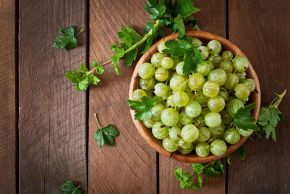
      The gooseberry tree commonly grows to a height of 1–8 metres. The tree may grow with abundant light green leaves and greenish yellow flowers. The fruit is nearly spherical, light greenish–yello. It may be smooth and hard on appearance, with six vertical stripes or furrows. The fruit is up to 26 millimetres in diameter.

    Nutritional facts

    Indian gooseberry is a rich source of vitamin C and full of various other types of antioxidants as well.

    Gooseberries are used widely as a fruit for consumption as well as for culinary uses. They possess numerous properties that are beneficial to health including antiaging, anticancer, anti-diabetic and anti-inflammatory properties.

     Generally, gooseberries are low in calories and fat and thus safe to include as part of diet for obese people also. It contains carbohydrates [70 g/100 g dry weight] and fibers[7.2–16.5 g/100 g DW].

    Indian gooseberries are abundant source of antioxidants such as phenolic compounds, flavonoids and vitamin C.

    They contain minerals iron, calcium and phosphorous. Many studies show the presence of ellagitannins, which includes chebulinic acid, chebulagic acid, corilagin, emblicanin A and B, geraniin, isocorilagin, pedunculagin, phyllanemblinins A–F, and punigluconin in gooseberries.

    Health benefits of Indian gooseberries

    •      Anti-ageing properties

    Vitamin C an effective antioxidant as well as collagen improving agent is abundant in gooseberries. It helps to prevent wrinkles on skin and helps to maintain the tone and strength of skin.

    •      Antioxidant properties

      Polyphenol and vitamin C antioxidants of gooseberries help in free radical scavenging and thus prevent the threat of serious morbidities to vital organs.

    improves digestive health &immunity

    The antioxidants such as gallic acid, ascorbic acid and phenolic compounds of gooseberries boost the body’s immune system as well as digestive processes.

    Protects heart and cardiovascular system

    Owing to the anti- cholesterol and antiatherogenic properties gooseberries boost cardiovascular system health in human body. It helps to prevent heart attacks and stroke preventing clot formation within blood vessels.

    Protects nervous system

    The polyphenols of gooseberry have antioxidative potential and neuro protective properties.

    Lowers blood sugar

    The antioxidant compounds in gooseberries help to reduce blood sugar level.

    Improves hair health

    Vitamin C and antioxidants of gooseberries boost hair growth and imparts strength to hair strands.

    Anticancer potential

    The polyphenols prevent oxidative stress to cells of human body. They also produce pro-inflammatory chemicals, prevent DNA damage, and increase apoptosis or cell death of worn out and abnormal cells. This apoptosis process is crucial in preventing morbid as well as normal cell growth uncontrollably in cancer. Therefore, eating gooseberries are very beneficial in mitigating the cancer risks.

    Research updates about Indian gooseberry

    •      Experimental studies indicate that gooseberry and some of its phytochemicals such as gallic acid, ellagic acid, pyrogallol, some norsesquiterpenoids, corilagin, geraniin, elaeocarpusin, and prodelphinidins B1 and B2 also possess anticancer effects.

    It helps free radical scavenging, antioxidant, anti-inflammatory activities which reduce cancer risks in the population.

    •      According to a study at human level, a 500 mg gooseberry extract intake (twice a day) for three months reduced the highly sensitive C-reactive protein (CRP), total cholesterol, and LDL levels in Class I obese subjects. This may have a cardioprotective effect reducing heart attacks and other diseases.

    •      As per data from yet another study ellagic acid and ascorbic acid could reduce the activity of key enzymes involved in glucose digestion and therefore possess antidiabetic properties.

    •polyphenols have been indicated to protect gastrointestinal organs.  Gooseberries have the potential for inhibition of clarithromycin-resistant Helicobacter pylori strains in vitro, since this microorganism is a known cause of gastric ulcers

    How to include gooseberry include gooseberries in your daily foods?

    It is an edible fruit as such. However, to make it more palatable it can be used for making various types of:

    •      Jellies

    •      Salad ingredient

    •      Wine

    •      dessert

    •      Jams

    Safety &caution

    No adverse side effects have been reported if gooseberries are consumed in adequate amounts. Excessive usage may affect lowering the blood sugar in patients who are already under diabetic medications.

    Gooseberries are good source of vitamin C. excessive intake is not recommended as vitamin C is an important micronutrient helping metabolism. Consume only one gooseberry per day.

    written by dr sanjana p

    References

    1. European journal of cancer prevention  2011 May;20(3):225-39. doi: 10.1097/CEJ.0b013e32834473f4  PMID: 21317655 DOI: 10.1097/CEJ.0b013e32834473f4  https://pubmed.ncbi.nlm.nih.gov/21317655/
    • 6. Kapoor M.P., Suzuki K., Derek T., Ozeki M., Okubo T. Clinical evaluation of Emblica officinalis Gatertn (Amla) in healthy human subjects: Health benefits and safety results from a randomized, double-blind, crossover placebo-controlled study. Contemp. Clin. Trials Commun. 2020;17:100499. doi: 10.1016/j.conctc.2019.100499   https://pubmed.ncbi.nlm.nih.gov/31890983/
    • M.M., Joshi M.K. Influence of Emblica officinalis aqueous extract on growth and antioxidant defense system of human hepatoma cell line (HepG2) Pharm. Biol. 2012;50:497–505. doi: 10.3109/13880209.2011.618501. https://pubmed.ncbi.nlm.nih.gov/22133060/
    • Bharathi M.D., Thenmozhi A.J. Attenuation of Aluminum-Induced Neurotoxicity by Tannoid Principles of Emblica officinalis in Wistar Rats. Int. J. Nutr. Pharmacol. Neurol. Dis. 2018;8:35. doi: 10.4103/IJNPND.IJNPND_23_18  google scholar https://scholar.google.com/scholar_lookup?journal=Int.+J.+Nutr.+Pharmacol.+Neurol.+Dis.&title=Attenuation+of+Aluminum-Induced+Neurotoxicity+by+Tannoid+Principles+of+Emblica+officinalis+in+Wistar+Rats&author=M.D.+Bharathi&author=A.J.+Thenmozhi&volume=8&publication_year=2018&pages=35&doi=10.4103/IJNPND.IJNPND_23_18& 
    • Khanna S., Das A., Spieldenner J., Rink C., Roy S. Supplementatihttps://pubmed.ncbi.nlm.nih.gov/25756303/
    •  Nampoothiri S.V., Prathapan A., Cherian O.L., Raghu K.G., Venugopalan V.V., . Food Chem. Toxicol. 2011;49:125–131. doi: 10.1016/j.fct.2010.10.006   https://pubmed.ncbi.nlm.nih.gov/24418077/
    • image courtesy https://www.freepik.com/search?format=search&last_filter=query&last_value=indian+amla&query=indian+amla

  • Impact of plate tectonics on biogeography

    Plate tectonics is defined as gliding over of tectonic plates of earth’s crust over its semi fluid asthenosphere. This movement of plates accounts for the formation of biogeography of earth with mountains, earthquakes, volcanoes, and the distribution of continents and oceans over millions of years.  

     Of late tectonic plates movements and the impact on biogeography is researched with unprecedented significance. Tectonic plates and their movement have pivotal role in the evolution of species including mankind. How?

    The planet earth has tectonic plates over its surface and which are in constant motion. Their movement and collisions are associated with significant transformations in earth’s geological and oceanographic structures.

    What are tectonic plates?

    Tectonic plates are large, fragmented sections of Earth’s upper mantle and crust that cover the entire globe.These tectonic plates are in continuous movement and the movements and collisions lead to formation of huge mountains, and ocean trenches and various other geological features. These activity of tectonic plate happens at different intervals reshaping global geography over millions of years.

    The term plate tectonics is derived from Latin word  tectonicus or from Ancient Greek word tektonikos  meaning ‘pertaining to building’

    The tectonic plates on the surface of Earth on Lithosphere have been slowly moving since 3–4 billion years ago.Earth’s lithosphere, the rigid outer shell including the crust and upper mantle, is fractured into seven or eight major plates and many minor plates or “platelets”. The relative movement of the plates typically ranges from zero to 10 cm annually.

    Tectonic plates are composed of the oceanic lithosphere and the thicker continental lithosphere, each topped by its own kind of crust.

    What are plate boundaries?

    Plate boundaries are formed by movement of different types of tectonic plates relative to each other. Tectonic plate movement range from 10 to 40 millimetres per year (0.4 to 1.6 in/year). Where the plates meet, their relative motion determines the type of plate boundary as convergent, divergent, or transform.

    Three types of plate boundaries exist, characterized by the way the plates move relative to each other.

    They are associated with different types of geomorphological changes& climate change.

    1.Divergent boundaries (constructive boundaries or extensional boundaries).

     These are boundaries where two plates slide apart from each other.  This rifting may lead to the formation of new ocean basin.

    At zones of ocean-to-ocean rifting, divergent boundaries form by seafloor spreading, allowing for the formation of new ocean basin.

    2.Convergent boundaries (destructive boundaries or active margins)

    These boundaries occur where two plates slide toward each other. The convergent boundaries may form either a subduction zone (one plate moving underneath the other) or a continental collision.

    Subduction zones :

    1.ocean-to-continent subduction, where the dense oceanic lithosphere plunges beneath the less dense continent plate.

    2. ocean to ocean subduction

    here older denser oceanic crust slips beneath less dense ocean

    associated with subduction zones, and the basins that develop along the active boundary are often called “foreland basins”.

    At zones of ocean-to-ocean subduction a deep trench forms in an arc shape. The upper mantle of the subducted plate then heats and magma rises to form curving chains of volcanic islands e.g. the Aleutian Islands, the Mariana Islands, the Japanese island arc.

    At zones of ocean-to-continent subduction mountain ranges form, e.g. the Andes, the Cascade Range.

    Continental collision zones:

    At continental collision zones  two masses of continental lithospheres are converging. As they are of similar density, neither is subducted.

    The plate edges are compressed, folded, and uplifted forming mountain ranges, e.g. Himalayas and Alps. Closure of ocean basins can occur at continent-to-continent boundaries.

    3.Transform boundary

    Transform boundaries (conservative boundaries or strike-slip boundaries) occur where plates are neither created nor destroyed. Instead, two plates slide, or precisely they grind past each other, along transform faults.

    Strong earthquakes may happen along a fault. The San Andreas Fault in California is an example of a transform boundary exhibiting dextral motion.

    In addition to these three boundaries other plate boundary zones occur where the effects of the interactions are not very clear.

    Geomorphological consequences of tectonic plate movements

    It is intriguing to understand that plate tectonics affects climate patterns, ocean currents, and the evolution of species.

     The boundaries where tectonic plates interact are risky zones of increased volcanic and seismic activity. Volcanic eruptions and earthquakes are common in these zones.

     Earthquakes do occur when tectonic plates slip past each other, while volcanoes form where plates collide and one dives under the other (subduction), or where plates pull apart (divergent movement).

    Along convergent plate boundaries,as the process of subduction carries the edge of one plate down under the other plate and into the mantle there is reduction in the total surface area (crust) of Earth. The lost surface at one boundary is balanced by the formation of new oceanic crust along divergent margins by seafloor spreading[ divergence] and thus keeping the total surface area constant in a tectonic “conveyor belt”.

    The mankind has always amazed at the formation of huge mountain ranges since time immemorial. Study of tectonic plate movements unraveled this mystery to man a few decades ago. The tectonic plates can collide with each other and the forceful collision cause the land to be forced upward, creating mountain ranges. Similarly, divergence when happens on oceanic plates it leads to formation of new ocean basin. ocean-to-ocean subduction leads to the formation of deep marine trenches typically.

    Impact of plate tectonics on global climate

    Over millions of years, the continents have drifted apart and have come together, creating new oceans and continents.

    These movements of tectonic plates affect global climate by influencing ocean currents, which distribute heat around the planet. Mountains formed by tectonics can also affect regional climates and function as important sinks for carbon dioxide.

     Impact of tectonic plate movement on evolution

      The separation and collision of continents compel species to adapt to new environments created.

    This can lead to new evolutionary paths or extinctions.

    Impact on marine environment

     The formation of new ocean ridges may happen from plate tectonics. The subsequent cooling and sinking of oceanic crust can displace seawater, causing global sea levels to rise.

    Beyond earthquakes and volcanoes, plate tectonics can contribute to tsunamis and landslides.

    According to a hypothesis proposed by Robert Stern and Taras Gerya, plate tectonics are a necessary criterion for a planet to be able to sustain complex life as they play a key role in regulating the carbon cycle.

    Continental drift theory helps biogeographers to explain the disjunct biogeographic distribution of present-day life found on different continents.

  • Wellness Wheel Assessment [WAA]

    Wellness wheel assessment is a visual tool to assess, strategize and evaluate the level of wellness of individuals. It has great significance in our day today life as we are living in an environment with multiple factors detrimental to state of well-being.

    Wellness is defined by various institutions across the globe in multiple ways as it encompasses different dimensions. However, it is a term often heard in relation to health.

    The   World health organization [WHO]has defined wellness as the optimal state of health of individuals and groups which is a positive state of being that goes beyond simply not having a disease or infirmity.The dimensions of wellness is not limited to health alone. Health related wellness is one of its strong pillars on which other aspects are standing on, but being interconnected with each other.

    Let us have a glimpse on the various dimensions of wellness. Wellness  encompasses emotional, physical, financial, social, occupational, environmental, intellectual and spiritual dimensions.

    Why is it crucial to assess your wellness level?

    Wellness can be redefined as an active & continuous life long process of making decisions by individuals to live a healthy& fulfilling life.

    Wellness wheel assessment is a visual tool to assess, strategize and evaluate the level of wellness of individuals. It has great significance in our day today life as we are living in an environment with multiple factors detrimental to state of well-being. Stress is mounting in everywhere and some people commit suicide to run away from the unbearable pressure life inflicts on them ,while others fall prey to serious illnesses and morbidities overtime. Here significance of wellness assessment is crucial and there is a dire need to implement strategies and action plans to improve wellness in all realms. It has to be executed as micro-habits & lifestyle modifications which will compound over the course of time giving you a fulfilling, stress free and contented life.

    Wellness is a state in which an individual achieves his or her full potential in life. It enhances the sense of well-being.

    Wellness is a process and well-being is its result achieved by traversing the journey of wellness. It is rooted in making wise  healthy decisions about habits and lifestyles.

    Wellness wheel assessment [WWA]

    This visual tool is an image wheel with 8 dimensions of wellness which may stimulate your mind in assessing your current level of wellness, strategizing making action plans and evaluating them periodically. WWA includes 8 sections portraying different categories of wellness to be achieved by an individual such as:

    • Emotional
    • Physical
    • Financial
    • Social
    •  Occupational
    •  Environmental
    •  Intellectual
    •  Spiritual

    Role of wellness experts in wellness assessment

    The wellness wheel assessment and strategizing &evaluation can be practiced after consulting a wellness expert who may recommend effective strategies to be implemented in every sector of your wellness journey. Once you make a progress you can practice it yourself lifelong for achieving your full potential and a fulfilling life.

    A wellness expert may guide you in assessing your current lifestyle, level of your emotional wellness – your ability to cope with people and incidents in your life, your physical wellness which is the strongest foundation of wellness as health of body determines your mental state [ vice versa too] and your other realms of wellness such as intellect, occupation, finance, spiritual & social wellness etc.

    A health care provider with expertise in wellness strategies can provide you with action plans to foster a lifestyle ensuring healthy body and mind in the scientific way.

    Wellness assessment is carried out in a holistic and individualized way taking into account the age, sex, intellectual level, education, realm of work, occupation, ambitions& goals, state of health, lifestyle preferences and many more factors.  

    The wellness strategies to improve your social connections, occupational satisfaction, environmental well-being and spiritual wellness may help you reach new echelons of happiness and well-being eventually. Always remember that this is a continuous lifelong journey you can pursue yourself once you gain awareness about the strategies of wellness.

  • Star anise antioxidants to prevent lifestyle diseases & obesity

    Star anise one of the flavouring agents of Indian cuisines,has the potential to prevent life style diseases and obesity being the rich source of bioactive compounds.

    Star anise -an overview

    Star anise is familiar to Indian kitchens as one of the key spice ingredients adding flavors to Indian cuisines. It is a fragrant licorice smelling spice used chiefly in cooking Biriyanis and delicious seafood reciipes since antiquity. Star anise is popularly known as “chakra phool” due to its wheel like shape.

    Star anise [illicium verum] is a medium sized evergreen tree native to South east Asian countries, particularly China. The Chinese star anise is well known for its quality and comparatively low propensity to trigger allergy. It is a safe variety of star anise to consume.

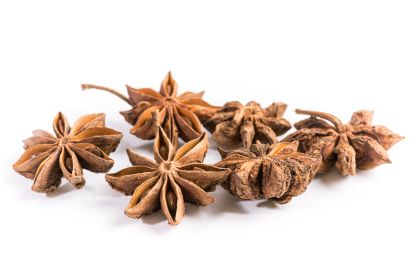
    The leaves of the tree are fragrant and the tree yields pink to red flowers also. This spice seed is taken from the fruits of the tree. The fruit is a capsule-like follicetum, star-shaped, reddish-brown, and contains six to eight follicles arranged in a whorl.

    Star anise as a food ingredient provides numerous health benefits. The spice is a treasure-trove of numerous biologically active compounds which protect against various lifestyle diseases afflicting the mankind.

    According to recent medical research studies, this flavoring ingredient offers great health benefits due to the presence of antioxidant compounds within it. Let us have a glimpse at the health benefits star anise provides.

    Health benefits of star anise

    • Antioxidant property

    Star anise contains several types of polyphenols and flavanoids. Phenolic compounds in star anise include p-coumeric acid, gallic aid, cinamic acid, chlorogenic acid and ferulic acid. Catechin and rutin are the major flavonoids. Antioxidants protect against oxidative stress related diseases to body organs such as lifestyle diseases, cancer etc.

    • Antimicrobial &anti-inflammatory properties

     Apart from the antioxidant property to remove oxidative stress to cells of human body, star anise has anti-microbial and anti-inflammatory properties owing to the presence of these compounds in it :

    Linalool

    Quercetin

    Anethole

    Shikimic acid

    Gallic acid

    Limonene.

    Shikimic acid imparts it the antiviral property to fight against viral infections.

     The flavonoid anethole provides it antifungal properties.

    Star anise has the potential to inhibit the production of pro-inflammatory cytokines (Tumor necrosis factor alpha (TNF-α) and interleukin-1 beta (IL-1β)). It also helps to reduce oxidative stress.

    In a nutshell, star anise protects your body against microorganisms causing inflammations and infectious diseases.

    • Obesity & cholesterol reducing potential

    A study [2] showed that star anise tea consumption significantly reduced the overweight  and BMI. Furthermore, it significantly lowered the levels of serum total cholesterol, triglyceride, LDL and VLDL were observed in the study. It is a hopeful news that star anise helps to decrease bad cholesterol and fat accumulation within the body and prevent heart attacks and strokes chiefly along with other complications of obesity.

    Culinary use of star anise:

    It is used in Indian subcontinent chiefly as a flavoring agent added mostly to various types of Biriyanis and Masala chais. It has an equal significance in Chinese cuisines also as one of the quintessential flavoring ingredients commonly known as”the five spice powder”.

    Caution regarding consumption of star anise :-

    Consume only a very small amount of this spice. Chinese variety is generally safe. Excess intake may cause allergy,

     Copyrighted Dr sanjana p (Dr sanjana vb)

    References

    1. https://biomedpharmajournal.org/vol15no2/antioxidant-and-anti-inflammatory-activity-of-star-anise-illicium-verum-in-murine-model/  Antioxidant and Anti-Inflammatory Activity of Star Anise (Illicium Verum) in Murine Model,Ibrahim S Majal.Department of medical laboratory sciences, Mu’tah University, Karak Jordan
    2. https://pmc.ncbi.nlm.nih.gov/articles/PMC9686881/
  • Sacred trees of India

    Indian subcontinent has several renowned trees for worshipping which are considered sacred. The list of sacred trees of India chiefly includes Banyan tree and Peepal.

      Trees are symbolically connected with tradition and culture in various geographical regions of the world since time immemorial. The concept of linking trees with holiness or divinity and categorizing them as sacred trees is intricately connected to Indian as well as South East Asian cultures.

    Indian subcontinent and countries like Japan, Korea also have this deep-rooted linkage with trees. The trees have merged intimately with myths and legends of the region and rituals are performed to worship trees in some of these hamlets for many centuries.

    The tradition & practice of worshipping trees connecting with the religious landscape has been noted since ancient times. Hinduism, Jainism and Buddhism has religious linkage with trees.

     Indian subcontinent has several renowned trees for worshipping which are considered sacred. The list of trees chiefly includes Banyan tree and Peepal. Other sacred trees include Neem, Ashoka,Kadamba, Parijata,Sandal wood , fig tree etc.

    Trees are symbolic representation of knowledge according to various cultures of India. Banyan tree is connected with permanent wisdom of hermit life and enlightenment.

     Various religious texts and scriptures of Hinduism, Buddhism and Jainism has mentions about sacred trees and environment. The Hindu text Matsyapurana has Sanskrit hymns which illustrates the reverence paid to ecology in the ancient era.The excerpt from Matsyapurana goes like this:

    “A pond equals ten wells, a reservoir equals ten ponds, while a son equals ten reservoirs and a tree equals ten sons”.

    According to Vedic literature many trees including Banyan tree, figs, khejri, teak,silk cotton were integral part various vedic rituals.

    In Sikhism Jujube tree is considered as a sacred tree capable of removing all woes and sufferings, particularly the jujube tree situated near Harmandir sahib complex, Amritsar.

    Banyan tree [Ficus benghalensis]

    Banyan tree is worshipped as a symbol of longevity, connectedness, life’s stability and strength. This tree is a connecting link between generations due to its long years of survival or lifespan. The tree has witnessed many centuries, attaining giant aerial roots over the years and remains symbolic of growth, connectedness, stability and longevity.

    Banyan tree is  regarded as the symbol of Trimurti- Lord Brahma, Vishnu and Shiva according to Hinduism and it is worshipped very fervently in the subcontinent. The tree is considered as immortal as per the vedic traditions.

     Banyan tree has gained significance beyond the spiritual realm and it is often regarded as a symbol of fertility, longevity and stability gathering the sobriquet tree of life. It is the national tree of India.

     Indian subcontinent has numerous centuries old Banyan trees and Sagar in Madhya Pradesh has a Banyan tree which is believed to be 5000years old.

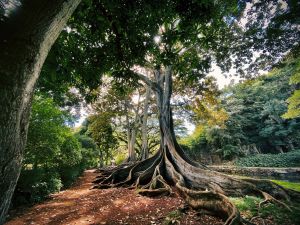
    Ficus benghalensis or Banyan tree is an evergreen tree with wide spreading crown of green foliage and grows to a height of 20-30 meters. It is an epiphyte growing on the stem or branch of another tree and as it grows over the years numerous aerial roots are generated and these root hanging down to the earth touching the soil. Eventually these roots thicken and imparts strength and stability.

    Peepal tree [ Ficus religiosa]

    Peepal is known as Bodhi tree because it is under a Peepal tree The great Buddha achieved enlightenment. The tree has religious significance not only in Buddhism but also in Hinduism and Jainism.  The sacred fig is the tree of meditation and has given utmost significance in Indian state Odisha, Bihar and Haryana as the state tree.

    Ficus religiosa is a seasonal deciduous semi evergreen tree growing into the height of above 30m and trunk diameter up to 3 meters. Ficus is native to India and its neighboring countries like Nepal , Bhutan and Bangladesh etc. It grows in a wide variety of soils having good drainage for water. Ficus grows well in temperature range0-35 degree Celsius. It gross well in a wide variety of climates including tropical rain forest climate and tropical monsoon climate.

    The stories Sacred trees of India are innumerable and are infused intricately with the religion, tradition and culture of this land and it imparts fervent hues to the cultural heritage as well as lives of people of the subcontinent since antiquity.

    written by dr Sanjana p

    Image courtesy:https://www.freepik.com/free-photo/exotic-tree-with-roots-ground-middle-beautiful-forest_9283112.htm#fromView=search&page=1&position=8&uuid=e256ad2a-0da1-4265-9936-bd12aef12e13&query=+ficus++trees+with+aerial+roots

  • Homeopathy & Integrative medicine solutions for ADHD -Attention deficit hyperactivity disorder

    ADHD or attention deficit hyperactivity disorder is a type of neurodevelopmental disorder found in children as well as adults which interfere with work and social life.

    Overview

    The attention deficit hyperactivity disorder may be present since childhood; however, in some people it get manifested explicitly in adulthood or get unnoticed during childhood.

     ADHD is manifested in children in different patterns including inattention, impulsivity and hyperactivity.

    ADHD begins in childhood and progress to adulthood affecting school performance, interaction with society and relationships depending on the grade of the disorder. ADHD may be seen as inattention or inability to focus on a topic or as hyperactivity [ overactivity which is inappropriate to the setting or context], impulsivity [hasty actions without any forethought].

    ADHD may occur in various forms with all these problems in combined form or singly.

    Three different types of ADHD include:

    • Predominantly inattentive form
    • Predominantly hyperactive/impulsive form
    • Combined form

    ADHD in children and adult present in different ways. ADHD may lead to relationship issues, work place problems and oversensitivity to criticism particularly in adults.

    ADHD is often diagnosed in childhood itself; however some forms of ADHD may escape the diagnosis and manifest as problems in adulthood.

    The diagnosis is based on the clinical presentation of the disorder [ the presence of persistent symptoms that have occurred over a period of time and are noticeable over the past six months]. A healthcare provider can diagnose ADHD without much difficulty. The treatment for ADHD is dependent on the manifestation &the grade of the disorder. Modern medical as well as complementary and integrative medicine treatments are available for managing ADHD.

    What are the causes of ADHD?

    Although the exact cause of ADHD is not clear, it has been found that genetics play a prominent role.ADHD runs in families.

    What are the signs & symptoms of ADHD?

    ADHD may be presented in three different ways:

    1. Predominantly inattentive type
    2. Predominantly hyperactive/impulsive type
    3. Combined
    • Predominantly inattentive type

    Attention deficient hyperactive children of this category fail to pay attention to details, to focus on the matters discussed; and often gets complaints of poor attention span while being taught in schools.

    Children with ADHD often makes mistakes in tasks due to poor attention to detail. They forget or fail to do tasks assigned due to their inability to pay attention for long and the restlessness.

    They fail to do homework, chores and can not focus on conversations for a long time. Easily get distracted.

    Sustained focus and mental effort are difficult.

    • Hyperactive /impulsive type

    People having this type of ADHD constantly fidget. They are not able to sit at one place and are bounding with energy. Quite often stamped as talkative. Children often run about in class or in places where it is not appropriate.

    Interfere while discussing a matter, will not allow to complete it. Cuts the conversation or answer a question before the question is completed.

    Difficult to wait patiently for his or her turn.

    While doing any activity or game there will be great disquiet and do things hastily and impulsively without any forethought.

    • Combined type of ADHD

    In this type of ADHD both inattentive and hyperactive symptoms can be found. It is more complex and may impact the social interaction as well as relationships if not appropriately managed right from childhood.

    ADHD symptoms in adults

    Forgetfulness. Poor attention span and inability to focus on tasks for long.Restlessness.

    Easily get distracted. Difficulty in doing some tasks in an organized way.

    Difficulty in completing tasks that need prolonged attention.

    How ADHD is diagnosed?

    Primary level health providers as well as mental health professionals can recognize ADHD and can refer for medical evaluation. Mostly ADHD is diagnosed by clinical evaluation, asking questions to the person, family, care givers etc. Family history   and upbringing environment are also taken into account to evaluate the condition. Some other psychiatric diseases or mental conditions may mimic ADHD. A well-trained mental health provider can differentiate these from ADHD.

    Treatment for ADHD

    ADHD is managed with various strategies depending on the age and grade of the condition. In preschool children medications are not recommended by modern medicine mostly. Parent child interaction therapy is recommended.

    However, in some other higher grade cases medications are advised.

    Depending on the progress or advancement of disease medications or therapy is given.

    In children who do not improve with medications special school education and learning techniques are recommended.

    Homeopathy &Integrative medicine approach

    • Lifestyle modification
    • Diet & nutrition
    • Cognitive behavioral therapy
    • Homeopathic medications

    We provide homeopathic medications after detailed case taking & evaluation of family history, drug history, parental behaviour& approach, environment etc.

    Homeopathy offers various constitutional remedies which are efficacious and safe to use in children as well as adults.

    A few of the homeopathic drugs used for managing ADHD include tuberculinum,tarentula, Lachesis etc. Homeopathic medications are helpful to a large extent in managing emotional and behavioural problems in ADHD people.  Homeopathy may be of help in integration with conventional medicine to relieve the distresses caused by pharmaceuticals and also in establishing emotional control and focus to a certain degree.

    Homeopathic medications are selected with holistic approach integrating physical, mental and emotional characteristics of the individual having ADHD. Homeopathic drugs prescribed by a qualified homeopathic physician may be gentle and safe; also, non addictive.

    Homeopathy can complement conventional medicine treatment well. Although many promising study results are there, extensive and rigorous research is needed in this realm beyond a few case studies.

    What is the advantage of using homeopathic medicine?

    Safe and gentle

    Emotional control and stability

    Improved focus and attention

    Non-addictive remedies

    Mental wellness & lifestyle protocols incorporated by us [ Mediprecision ]also in the treatment strategy tailoring to the individual needs help for improving the quality of life.

    written by dr sanjana p

    image courtesy:

    https://www.freepik.com/search?format=search&last_filter=query&last_value=attention+deficit+hyperactivity&query=attention+deficit+hyperactivity

  • Mediterranean diet for preventing obesity & Life style diseases

     Mediterranean diet is a globally approved diet pattern for preventing and managing obesity & life style diseases and thus for sustaining healthy living.

    Obesity and its associated risks are the growing concern in all age groups globally as it is the root cause of various kinds of life style diseases, hormonal disorders, cancers and depression.

      Obesity is a condition which affects the quality of life and the general health of individuals as well as populations. Obesity is closely linked with diabetes and depression even in children, although genetics also plays a contributory role here. The emerging solution to preserve and sustain the health of the population is to adopt healthy lifestyle practices right from the formative years of life. Adults as well as children need to follow healthy food habits and ways for adequate physical activity to ensure better quality of life and productivity.

    In the journey towards adoption of healthy life practices, diet plays a pivotal role. Everyone is worried about the right diet for their health and clinical conditions. This is quite natural and needs advice of a health care provider or nutritionist, particularly if one is affected with life style diseases such as diabetes, heart attack, stroke and some cancers.

    Hormonal disorders like polycystic ovarian syndrome in females, also has been linked with obesity, insulin resistance and metabolic syndrome. This condition requires vigorous physical exercise as well as dietary modifications for reducing insulin resistance and obesity.

     Mediterranean diet is a globally approved diet pattern for preventing and managing many of the life style diseases and sustain healthy living.

    What is Mediterranean diet?

    It is a diet based on traditional diet patterns. Mediterranean diet follows the dietary patterns of people living in Mediterranean region. The diet gives emphasis to the inclusion of whole grains, vegetables, legumes, fruits, nuts, seeds, herbs and spices. Olive oil is included as a chief ingredient of most of the recipes in Mediterranean diet, it being a source of healthy fats. Fish, sea food and poultry are also included in this diet. Although not considered as mandatory, red meat and sweet is allowed occasionally.

    History of origin of Mediterranean diet &its spread

    Now, Mediterranean diet is a popular dietary choice among fitness freaks as well as with people concerned about life style diseases globally. However, it is curious to know that for many decades the diet was part of the lives of various tribes existed in the Mediterranean region.

    The Mediterranean region comprises areas of the globe around the Mediterranean Sea, having the Mediterranean climate characterized by rainy winters and dry, hot summers. It encompasses the countries around Mediterranean sea in three continents Africa, Asia, Europe and certain regions of other continents such as California, Chile, Southwestern Australia, and southern South Africa.

    It was around 1950s  that Ancel Keys, an American scientist noticed the fact that incidence of heart diseases is very low among people of Mediterranean region and he focused his research on the dietary habits of people of this region. His study is known as ‘The Seven Countries Study of Cardiovascular Diseases’.

     Later further advanced research studies conducted over the years confirmed that Mediterranean diet & dietary patterns derived from it are not only beneficial in the prevention of cardiovascular diseases, but also in the therapeutic approach of obesity, type 2 diabetes, metabolic syndrome, cancer or neurodegenerative diseases.

    Mediterranean diet includes food ingredients having healthy, monounsaturated fat, which lowers total cholesterol and low-density lipoproteins [bad cholesterol] levels in the human body.

    Nuts and seeds being an integral part of Mediterranean diet provide monounsaturated fat and are good for health if consumed in moderation.

    Th diet includes fish and seafood & legumes which provide proteins, vital minerals, vitamins and omega fatty acids to the body.

    Vegetables and fruits are important part of this diet and serve as effective antioxidants, sources of vitamins and minerals required for vital functions in the body.

    Health benefits of Mediterranean diet

    Mediterranean diet has numerous health benefits, particularly in the prevention of life style diseases.  Of late numerous studies have elucidated its role in sustaining cognitive functions of brain and nervous system.

    Mediterranean diet helps to:

    • Lower the incidence of heart diseases & stroke
    • It helps to maintain optimum weight and prevent obesity
    • It helps to reduce blood glucose levels
    • It lowers blood cholesterol
    • Mediterranean diet helps to reduce hypertension
    • Reduces the risk of development of metabolic syndrome in obese peope. Metabolic syndrome is the triad of  occurrence of high blood pressure, high levels of bad cholesterol and obesity in individuals.
    • Mediterranean diet includes ingredients that support gut microbacteria. It also improves digestive health.
    • The diet also helps in reducing the occurrence of some type of cancers. [ prostate, colon cancers]
    • Improves brain health & cognitive function.
    • Improves longevity
    • Antioxidants in mediterranean diet helps to prevent free radical injury and helps improved skin health.Antioxidants are beneficial in slowing down ageing preventing oxidative stress to skin and vital organs.
    • High fiber content help reduce bad cholesterol improving cardiovascular health and it also reduces the risk for colorectal cancers.


    written by dr sanjana p [copyright]

    References

    1.Wright C.M. Biographical notes on Ancel Keys and Salim Yusuf: Origins and significance of the Seven Countries Study and the INTERHEART Study. J. Clin. Lipidol. 2011;5:434–440. PMID: 22108146 DOI: 10.1016/j.jacl.2011.09.003 https://pubmed.ncbi.nlm.nih.gov/22108146/

    2.      Gotsis E., Anagnostis P., Mariolis A., Vlachou A., Katsiki N., Karagiannis A. Health benefits of the Mediterranean Diet: An update of research over the last 5 years. Angiology. 2015;66:304–318. doi: 10.1177/0003319714532169. https://pubmed.ncbi.nlm.nih.gov/23553669/

    3. https://www.sciencedirect.com/topics/earth-and-planetary-sciences/mediterranean-region

    4. https://pmc.ncbi.nlm.nih.gov/articles/PMC12027923/

  • Green tea -Health benefits

    Green tea is one of the most sought-after health drinks &consumed widely by fitness freaks as well as common people globally. It is consumed for its taste as well as with the goal of achieving better health.

    Green tea is extracted from the leaves of the plant camelia sinensis.Commonly young leaves and budding leaves are used for making this beverage. Green tea intake is beneficial in numerous ways. It is one of the major sources of Catechins which are a type of polyphenol antioxidants with immense health benefits.

    History

    Green tea originated in China in the late 1st millennium BC. From here it spread to various parts of the world as a refreshing and stimulating drink. There are narrations about green tea in ancient Chinese texts about green tea. The book written by Lu Yu [ between 618- 907 AD] describes about the origin of green tea. Another book penned by Zen priest Eisai describes about the stimulant effects of green tea and how it is extracted from the leaves.

    Green tea compounds- Antioxidants

    Green tea contains polyphenols mostly catechins. The four main catechin compounds are (−)-epigallocatechin-3-gallate (EGCG), (−)-epigallocatechin (EGC), (−)-epicatechin-3-gallate (ECG), and (−)-epicatechin (EC).

    Other components include three kinds of flavonoids, known as kaempferol, quercetin, and myricetin.

    Health benefits of green tea on heart, brain & skin

    • Antioxidant potential

    Catechins found in green tea are effective antioxidants potent enough to prevent oxidative stress.

    • Boosts cardiovascular health

    These are capable of preventing atherosclerotic plaque formation in Coronary artery and hence help in preventing heart diseases. This potential of green tea to thwart clot formation in blood vessels to heart and brain help in preventing heart attack and stroke. Furthermore, green tea can reduce can reduce triglycerides and cholesterol levels in the human blood.

    • Prevents sun induced damage to your skin Antioxidant, immunomodulatory, and photo protective functions of green tea make it a great addition to healthy life styles. Green tea helps to protect the skin from sun induced damage and premature ageing. It has immunomodulatory and photo protective effects on skin against UV rays of sun. Catechins in green tea are natural antioxidants that has key role in the prevention of cell damage.
    • Green tea helps to boost cognitive functions of your brain.

    Caffeine, of green tea constituents can improve brain function, including mood, vigilance, reaction time, and memory. Amino acid L-theanine, of green tea can cross the blood-brain barrier.

    Safety /cautionary warnings for green tea consumption

    It is advisable to take only 1-2 cups of green tea a day and in this amount green tea intake is not associated with any detrimental effects to the body. However, if you are sensitive to caffeine green tea may cause tremors or shivering and anxiety.

    Excessive intake may cause liver problems.

    Drug interactions:

    Green tea may interact with nadolol, a beta-blocker used for high blood pressure and heart problems lowering your blood pressure as much as it should. Green tea has presence of vitamin K in small amounts which can interact with proper functioning of blood thinner medicines. Therefore, for patients using beta blocker drugs, and blood thinners like aspirin, clopidogrel etc.  green tea is not a good choice.

    written by Dr sanjana p

    References

    • https://www.ncbi.nlm.nih.gov/pmc/articles/PMC4843789/
    • https://www.nature.com/articles/srep24353
    •   https://plants.ces.ncsu.edu/plants/camellia-sinensis
  • Ujjayi pranayama to de-stress

    Ujjayi pranayama is a type of breathing exercise of yoga which helps to get rid of your stress, fatigue and invigorate your body and mind.

    ujjayipranayama

    The literal meaning of “Ujjayi” is breath of victory. This pranayama technique is related with victory as the breathing in expands the chest and belly of the person doing this pranayama and the body may resemble to a victorious warrior.  It is one of the important pranayama mentioned in Hata Yoga Pradipika, the ancient classical yoga text.

    Ujjayi pranayama -health benefits

    • It helps to de-stress

    This breathing exercise helps to calm down your nervous system and remove your fatigue and accumulated stress.  You may practice this simple breathing to address the stress of daily life in a positive and effective way.

    • Ujjayi contributes to meditation

    Ujjayi is an integral part of meditative process and it aids to enhance focus and concentration indirectly. Meditation is calming down your nervous system and body to be receptive .Ujjayi helps in this area and as an outcome you may be gifted with better focus and improved concentration.

    •  Helps to improve emotional stability

    Ujjayi pranayama helps to reduce anxiety, agitation and impulsiveness. To get rid of this excessive mental stimulation, is crucial in achieving emotional stability with regular and consistent practice. Only an emotionally stable mind can do better decision making in your career as well as personal life.

    • It improves the energy flow in human body

    According to yoga principles, this pranayama invigorates you by removing energy blocks in your spinal cord. It removes the stagnation of energy and facilitates smooth flow of vital force or energy.

    How to do ujjayi pranayama?

    • The first step is sitting erect with your spine and head straight.
    • closing your mouth and constricting or contracting the throat with slight exertion. Avoid too much contraction of glottis.
    • Now try to exhale and then begin to inhale air slowly and rhythmically. Let the air pass through the constricted throat slowly.
    • Continue inhaling slowly the fresh air, until a sense of fullness is achieved in the chest region. It is good to retain the inhaled air for a period of 6 seconds.
    •  Now exhale spontaneously. Please try to exhale slowly and it is advisable to avoid jerky or hasty movements.
    • At the end of it,breath normally in a relaxing way.


    How does ujjayi breathe work for human body beneficially?

        This breathing technique is capable of generating body heat with in. Actually, it is the friction of the air, going down the contracted upper airway to both lungs is generating the heat. It is soothing for all vital organs & particularly aids in stimulating the fatigued brain. Therefore, Ujjayi is also referred to as “Psychic breath”.

    Ujjayi is beneficial in enhancing the capacity of your lungs. The airflow through constricted throat in this type of pranayama, compels the lungs to expand fully during inhalation of air.  This maximum expansion helps increased oxygen transfer to various parts of the body.

    The ujjayi pranayama is done slowly and rhythmically and it calms down the para sympathetic nervous system and brings about calmness at mental level.

    While doing ujjayi pranayama certain vibrations in the larynx stimulate sensory receptors and it may signal the Vagus nerve. The whole process helps to calm down the mind and body.

        The contraction of glottis throat] produced in Ujjayi pranayama exerts a gentle pressure on the carotid sinuses in the neck also, which is regulating blood pressure in the arteries. This may affect to reduce stress and slow down the excessive thinking activity.

    Who should not do Ujjayi pranayama?

    • Individuals having high blood pressure & heart diseases better avoid doing this pranayama.
    •  Never over do the contraction of glottis

    While doing this breathing exercise, exert only a little contraction of throat so that the air flow through channel is streamlined and a little friction is generated. This is generating the adequate heat or energy. Too much exertion is the erroneous method of doing this breathing exercise and is associated with various disadvantages and adverse effects. Be cautious to be gentle.

     writtenby dr sanjana p [copyright]

    References

    • https://www.yogajournal.com/practice/yoga-sequences/what-is-ujjayi/
       
      https://www.sciencedirect.com/science/article/pii/S0975947621001388
  •  The cultural & ecological significance of Khejri tree

     Khejri tree is one of the most beloved trees of Indian subcontinent, with its distinctive leaves and small yellow flowers and the tree grows in arid, dry climate with tolerance to adverse weather.

    Prosopis cineraria is the scientific name of this special tree which is intricately linked to the culture and traditions of Indian subcontinent since ancient times. Prosopis belongs to the pea family, Fabaceae.

    Prosopis cineraria is the state tree of Rajasthan where it is known as khejri. This tree is known by various names in different parts of the country. In Western Uttar Pradesh it is known as chhonkara and inTelangana  it is known as jammi. It is well-known in Madhya Pradesh& Maharashtra as Shami. Gujrati people of India knows the tree as khijro.

    Its adaptability to arid & dry climatic conditions has imparted it ecological significance as the preserver of soil and biodiversity sustainability.

    Khejri -the star of deserts all over the globe

     Prosopis cineraria [khejri tree] is native to arid portions of Western Asia and the Indian Subcontinent. It is cultivated in Afghanistan, Bahrain, Iran, India, Oman, Pakistan, Saudi Arabia, the United Arab Emirates, and Yemen. It is the national tree of the United Arab Emirates.

    The story of human sacrifice for khejri tree & the chipco movement

    In 1730 AD, the village of Khejarli near Jodhpur in Rajasthan witnessed a scene of violent & vehement environmental confrontation. Maharaja Abhai Singh of Marwar had ordered to cut khejri trees of the region to build a new palace there. A family resided in that region including Amrita Devi and her three young daughters gave their lives in an attempt to protect some khejri trees. This incident led to widespread protest and resentment and later turned into a massive movement in which 363 people were killed in the attempt to save the trees. In hindsight, this tragic incident compels us to have a look at the cultural significance of the tree in the history of Indian landscapes & vegetations.  Khejri was part of their ethnic culture and lives rather than the environmental significance the tree connotes currently.

     Later in the 1970s, the memory of this sacrifice led to the start of the Chipko movement in India which raise voice against cutting trees indiscriminately.

    Kejri – A sacred linking with the myth

     The Indian epic Mahabharata narrates the story of the Pandavas spent their thirteenth year of exile in disguise in the kingdom of Virata. Before entering the kingdom of Virata, they hung their celestial weapons on the khejri [Shami]tree for safekeeping for a year. When they returned after a year, they found their weapons safe in the branches of the Shami tree. It is narrated in the epic that before taking their weapons from the Shami tree, the Pandavas worshipped the tree and thanked it for keeping their weapons safe. It is curious to know that in Indian subcontinent every landscape and vegetation has a sacred linking with divinity as well as myths. Khejri is one of the such instances of trees being part of the culture and traditions of a spiritually inclined ancient society.

    Khejri tree -Botanical description

    The tree is found in extremely arid conditions, with rainfall as low as 15 cm (5.9 in) annually. Prosopis cineraria is a small tree, ranging in height from 3–5 m (9.8–16.4 ft). The leaves are bipinnate, with seven to fourteen leaflets on each of one to three pinnae. Branches are thorned along the internodes. Flowers are small and creamy-yellow and followed by seeds in pods.

    The plant has tolerance for highly alkaline and saline environments and thrive in these localities also.

    Kejri tree- A cultural link with Dussehra

    The tree is revered by Hindu community in Inda and it is intricately connected with Dusshera festival. On the tenth day of the Dasara Festival the tree has some special significance.

    In the Deccan region of India, as part of the tenth-day ritual of Dussehra, the marathas used to shoot arrows onto the crown of the khejri tree and gather the falling leaves into their turbans.

    Mysore Dasara &Banni [ kejri] tree

    According to historical references, Prosopis cineraria is known as the Banni mara, and holds a special place in the Mysore Dasara, where it’s worshipped on the Vijay-dashami day.

    Conservation efforts for the Khejri Tree focus on promoting sustainable land management practices, afforestation initiatives, and the preservation of natural habitats. Protection and restoration of Khejri-dominated ecosystems contribute to the maintenance of biodiversity and sustainable use of this resilient species.

    Khejri – Ecological warrior against soil erosion and climate crisis

    Currently the entire world is grappled with climate crisis as the aftereffect of global warming. At another end landslides and soil erosion are continuously morphing the landscape of our habitat and ecosystem. In the wake of these grave scenarios, Khejri tree due to its adaptability to adverse weather conditions and survival in arid regions helps to mitigate the impact of climate crisis and soil erosion indirectly. Therefore we can call the plant as an ecological warrior which preserve the ecosystem with its deep roots and leaves.

    As the Chipco movement advocates for preservation of trees, let us Embrace the trees , stop cutting and felling them down as long as no direct imminent threat of trees falling and endanger human lives under torrential rain and tempests. The term “Chipko” means “to hug” or “to embrace”. Let us embrace this tree and many others of its kind into human culture as well as lives to preserve our ecosystem and delve into our roots to imbibe the good practices of ancient wisdom.

    Written by Dr. Sanjana .P. Souparnika

    References for further reading