
Category: wellness& habits

  • Cinnamon Health benefits

    Are you fond of cinnamon flavour? If so there is a good news about health benefits of cinnamon . Cinnamon may boost your health due to its anti cancer & anti microbial properties

    Cinnamon is an ancient spice ingredient which ruled Indian kitchens and cuisines since time immemorial. Apart from adding flavour to the delicious dishes it is endowed with various health benefits. It is really fantastic to know that beyond its culinary usage as flavouring ingredient to add taste and aroma to Indian foods cinnamon enhances our health at multiple levels.

    The queen of Indian & south Asian cuisines – cinnamon verum

    Cinnamon is known as Cinnamomum verum in the world of botanical science and medicine. It is an evergreen tree that belongs to family Lauraceae .

    Cinnamon used as a spice in Indian kitchens, is derived from its bark. The tree is native to South Asian countries such as India, Sri Lanka and Myanmar (Burma). It is also cultivated in South America and the West Indies. Cinnamon has been known since ancient times. Cinnamomum verum, is native to India, Sri Lanka, Bangladesh and Myanmar. Herodotus, Aristotle and other authors named Arabia as the source of cinnamon.

    The dried inner bark is brown in colour and has a delicately fragrant aroma and a warm sweet flavour. Essential oil of cinnamon is distilled from the bark fragments. Cinnamon oil is used for use in various foods, perfume, and in drugs.

    The main varieties of cinnamon available in Asia include Ceylon cinnamon (Cinnamomum verum), which is chiefly grown in Sri Lanka. It is known as “true” cinnamon. Cassia cinnamon (Cinnamomum aromaticum),is  grown  all over southeastern Asia.

    Cinnamon in the pages of history

    Cinnamon is a  prominent spice used in many rituals & ceremonies  since ancient times. When you turn the pages of ancient world history you may come across several curious facts pertaining to usage of cinnamon. Egyptians used it for embalming and religious practices.

     In medieval Europe many religious rites and rituals were performed using cinnamon as a flavouring agent. During that era cinnamon was a very expensive ingredient in Europe and other parts of the world.

     Cinnamon has an incredible story of inspiring western voyagers like Christopher Columbus and Vasco Da Gama to embark on an expedition to South Asia in quest of this precious spice in 15th century.  It is a fascinating narrative by various travellers of the period that this quest lead to the discovery of new countries and continents.

     Overtime cinnamon conquered the western markets as the most sought after and profitable spice in the Dutch East India Company’s global trade.

    Harvesting & processing of cinnamon

    Cinnamon is an evergreen tree with oval-shaped leaves, thick bark and a berry fruit. While harvesting the spice, the bark and leaves are the main parts of the plant used. The harvesting includes cutting the shoots of the plant close to the ground. In processing, the shoots are first scraped with a semicircular blade and then rubbed with a brass rod to loosen the bark, which is split with a knife and peeled. The peels are telescoped one into another, forming a quill about 107 cm (42 inches) long and filled with trimmings of the same quality bark to maintain a cylindrical shape.

    After this process follows four or five days of drying and the quills are rolled on a board to tighten the filling . Again they are placed in subdued sunlight for further drying for a few days. Finally, they are bleached with sulfur dioxide and sorted into grades.

    Cinnamon is used as an aromatic condiment and flavouring additive in a wide variety of cuisines. The aroma and flavour of cinnamon is due to the presence of essential oil and principal component, cinnamaldehyde.

    Ground cinnamon is 11% water, 81% carbohydrates (including 53% dietary fiber), 4% protein and 1% fat.Since ancient times cinnamon has been in use as part of traditional medicine  primarily in Asian countries.

    Of late many research studies have explored the beneficial effects of cinnamon in Parkinsons, diabetes and neurodegenerative diseases. Cinnamon seems to possess antioxidant, anti-inflammatory, antilipemic, antidiabetic, antimicrobial, and anticancer properties.

    Health benefits of cinnamon

    • Potential to reduce blood glucose levels

    A few small studies suggests that cinnamon helps to lower blood glucose levels. Cinnamon seems to possess an insulin sensitizing action which may help to reduce blood sugar. However, more extensive studies are needed to corroborate these preliminary research findings.

    •      Improves brain health

    The phytochemicals of cinnamon facilitate brain’s ability to utilize glucose.

    Cinnamon helps to limit the Alzheimer induced changes in the brain and modulates the brain insulin signaling also.

    •      Antimicrobial activity

    Cinnamaldehyde in cinnamon possess anti-microbial activity. It can inhibit the growth of Listeria , Escherichia coli, Staphylococcus aureus, fungus like Aspergillus flavus, Mucor plumbeus and yeast species such as Candida lipolytica.

    •      Antioxidant property.

    The antioxidant property is owing to the eugenol component in cinnamon.

    •      Reduces blood pressure

    Cinnamon can reduce high blood pressure.

    •      Anti-cancer effects

    One of the main causations of gastric carcinoma is the gram-negative bacilli Helicobacter pylori (H. pylori).

    Cinnamon extract can decrease the colonization of this  bacteria  in the gut to some extent. However further extensive research is needed in this regard.

    The potential of cinnamon extract to induce apoptosis in tumor cells and also  inhibiting the activity of NFκB accentuate the anti-cancer properties.

    •      Protects from heart diseases

    The  cinnamaldehyde and cinnamic acid protect the heart due to their ability to produce nitric oxide . Also these have anti-inflammatory effect which helps in reducing atherosclerosis or clot and plaque formation within bloodvessels.

     It also helps to prevent high cholesterol.

    Safety & caution

    Cinnamon supplements consumption is safe. Also when cinnamon consumed in small amount generally used in foods as a spice or flavouring agent.

    Excessive consumption or intake for prolonged period of time is associated with side effects such as gastrointestinal problems or allergic reactions.

    Cassia cinnamon contains a chemical called coumarin, which can be harmful to the liver. Huge and prolonged use of cassia cinnamon may cause liver problems.

    written by dr sanjana p

    References

    1.     https://www.britannica.com/plant/cinnamon

    2.     Howard ME, White ND. Potential benefits of cinnamon in type 2 diabetes. Am J Lifestyle Med. 2012;7:23–6. [Google Scholar] [Ref list]

    3.     https://pubmed.ncbi.nlm.nih.gov/24001892/

    4. https://www.ncbi.nlm.nih.gov/pmc/articles/PMC4466762/
  • Star anise antioxidants to prevent lifestyle diseases & obesity

    Star anise one of the flavouring agents of Indian cuisines,has the potential to prevent life style diseases and obesity being the rich source of bioactive compounds.

    Star anise -an overview

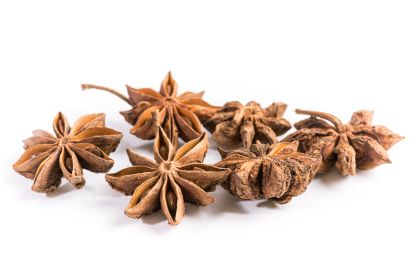
    Star anise is familiar to Indian kitchens as one of the key spice ingredients adding flavors to Indian cuisines. It is a fragrant licorice smelling spice used chiefly in cooking Biriyanis and delicious seafood reciipes since antiquity. Star anise is popularly known as “chakra phool” due to its wheel like shape.

    Star anise [illicium verum] is a medium sized evergreen tree native to South east Asian countries, particularly China. The Chinese star anise is well known for its quality and comparatively low propensity to trigger allergy. It is a safe variety of star anise to consume.

    The leaves of the tree are fragrant and the tree yields pink to red flowers also. This spice seed is taken from the fruits of the tree. The fruit is a capsule-like follicetum, star-shaped, reddish-brown, and contains six to eight follicles arranged in a whorl.

    Star anise as a food ingredient provides numerous health benefits. The spice is a treasure-trove of numerous biologically active compounds which protect against various lifestyle diseases afflicting the mankind.

    According to recent medical research studies, this flavoring ingredient offers great health benefits due to the presence of antioxidant compounds within it. Let us have a glimpse at the health benefits star anise provides.

    Health benefits of star anise

    • Antioxidant property

    Star anise contains several types of polyphenols and flavanoids. Phenolic compounds in star anise include p-coumeric acid, gallic aid, cinamic acid, chlorogenic acid and ferulic acid. Catechin and rutin are the major flavonoids. Antioxidants protect against oxidative stress related diseases to body organs such as lifestyle diseases, cancer etc.

    • Antimicrobial &anti-inflammatory properties

     Apart from the antioxidant property to remove oxidative stress to cells of human body, star anise has anti-microbial and anti-inflammatory properties owing to the presence of these compounds in it :

    Linalool

    Quercetin

    Anethole

    Shikimic acid

    Gallic acid

    Limonene.

    Shikimic acid imparts it the antiviral property to fight against viral infections.

     The flavonoid anethole provides it antifungal properties.

    Star anise has the potential to inhibit the production of pro-inflammatory cytokines (Tumor necrosis factor alpha (TNF-α) and interleukin-1 beta (IL-1β)). It also helps to reduce oxidative stress.

    In a nutshell, star anise protects your body against microorganisms causing inflammations and infectious diseases.

    • Obesity & cholesterol reducing potential

    A study [2] showed that star anise tea consumption significantly reduced the overweight  and BMI. Furthermore, it significantly lowered the levels of serum total cholesterol, triglyceride, LDL and VLDL were observed in the study. It is a hopeful news that star anise helps to decrease bad cholesterol and fat accumulation within the body and prevent heart attacks and strokes chiefly along with other complications of obesity.

    Culinary use of star anise:

    It is used in Indian subcontinent chiefly as a flavoring agent added mostly to various types of Biriyanis and Masala chais. It has an equal significance in Chinese cuisines also as one of the quintessential flavoring ingredients commonly known as”the five spice powder”.

    Caution regarding consumption of star anise :-

    Consume only a very small amount of this spice. Chinese variety is generally safe. Excess intake may cause allergy,

     Copyrighted Dr sanjana p (Dr sanjana vb)

    References

    1. https://biomedpharmajournal.org/vol15no2/antioxidant-and-anti-inflammatory-activity-of-star-anise-illicium-verum-in-murine-model/  Antioxidant and Anti-Inflammatory Activity of Star Anise (Illicium Verum) in Murine Model,Ibrahim S Majal.Department of medical laboratory sciences, Mu’tah University, Karak Jordan
    2. https://pmc.ncbi.nlm.nih.gov/articles/PMC9686881/
  • Green tea -Health benefits

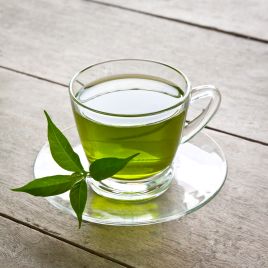
    Green tea is one of the most sought-after health drinks &consumed widely by fitness freaks as well as common people globally. It is consumed for its taste as well as with the goal of achieving better health.

    Green tea is extracted from the leaves of the plant camelia sinensis.Commonly young leaves and budding leaves are used for making this beverage. Green tea intake is beneficial in numerous ways. It is one of the major sources of Catechins which are a type of polyphenol antioxidants with immense health benefits.

    History

    Green tea originated in China in the late 1st millennium BC. From here it spread to various parts of the world as a refreshing and stimulating drink. There are narrations about green tea in ancient Chinese texts about green tea. The book written by Lu Yu [ between 618- 907 AD] describes about the origin of green tea. Another book penned by Zen priest Eisai describes about the stimulant effects of green tea and how it is extracted from the leaves.

    Green tea compounds- Antioxidants

    Green tea contains polyphenols mostly catechins. The four main catechin compounds are (−)-epigallocatechin-3-gallate (EGCG), (−)-epigallocatechin (EGC), (−)-epicatechin-3-gallate (ECG), and (−)-epicatechin (EC).

    Other components include three kinds of flavonoids, known as kaempferol, quercetin, and myricetin.

    Health benefits of green tea on heart, brain & skin

    • Antioxidant potential

    Catechins found in green tea are effective antioxidants potent enough to prevent oxidative stress.

    • Boosts cardiovascular health

    These are capable of preventing atherosclerotic plaque formation in Coronary artery and hence help in preventing heart diseases. This potential of green tea to thwart clot formation in blood vessels to heart and brain help in preventing heart attack and stroke. Furthermore, green tea can reduce can reduce triglycerides and cholesterol levels in the human blood.

    • Prevents sun induced damage to your skin Antioxidant, immunomodulatory, and photo protective functions of green tea make it a great addition to healthy life styles. Green tea helps to protect the skin from sun induced damage and premature ageing. It has immunomodulatory and photo protective effects on skin against UV rays of sun. Catechins in green tea are natural antioxidants that has key role in the prevention of cell damage.
    • Green tea helps to boost cognitive functions of your brain.

    Caffeine, of green tea constituents can improve brain function, including mood, vigilance, reaction time, and memory. Amino acid L-theanine, of green tea can cross the blood-brain barrier.

    Safety /cautionary warnings for green tea consumption

    It is advisable to take only 1-2 cups of green tea a day and in this amount green tea intake is not associated with any detrimental effects to the body. However, if you are sensitive to caffeine green tea may cause tremors or shivering and anxiety.

    Excessive intake may cause liver problems.

    Drug interactions:

    Green tea may interact with nadolol, a beta-blocker used for high blood pressure and heart problems lowering your blood pressure as much as it should. Green tea has presence of vitamin K in small amounts which can interact with proper functioning of blood thinner medicines. Therefore, for patients using beta blocker drugs, and blood thinners like aspirin, clopidogrel etc.  green tea is not a good choice.

    written by Dr sanjana p

    References

    • https://www.ncbi.nlm.nih.gov/pmc/articles/PMC4843789/
    • https://www.nature.com/articles/srep24353
    •   https://plants.ces.ncsu.edu/plants/camellia-sinensis
  • Ujjayi pranayama to de-stress

    Ujjayi pranayama is a type of breathing exercise of yoga which helps to get rid of your stress, fatigue and invigorate your body and mind.

    ujjayipranayama

    The literal meaning of “Ujjayi” is breath of victory. This pranayama technique is related with victory as the breathing in expands the chest and belly of the person doing this pranayama and the body may resemble to a victorious warrior.  It is one of the important pranayama mentioned in Hata Yoga Pradipika, the ancient classical yoga text.

    Ujjayi pranayama -health benefits

    • It helps to de-stress

    This breathing exercise helps to calm down your nervous system and remove your fatigue and accumulated stress.  You may practice this simple breathing to address the stress of daily life in a positive and effective way.

    • Ujjayi contributes to meditation

    Ujjayi is an integral part of meditative process and it aids to enhance focus and concentration indirectly. Meditation is calming down your nervous system and body to be receptive .Ujjayi helps in this area and as an outcome you may be gifted with better focus and improved concentration.

    •  Helps to improve emotional stability

    Ujjayi pranayama helps to reduce anxiety, agitation and impulsiveness. To get rid of this excessive mental stimulation, is crucial in achieving emotional stability with regular and consistent practice. Only an emotionally stable mind can do better decision making in your career as well as personal life.

    • It improves the energy flow in human body

    According to yoga principles, this pranayama invigorates you by removing energy blocks in your spinal cord. It removes the stagnation of energy and facilitates smooth flow of vital force or energy.

    How to do ujjayi pranayama?

    • The first step is sitting erect with your spine and head straight.
    • closing your mouth and constricting or contracting the throat with slight exertion. Avoid too much contraction of glottis.
    • Now try to exhale and then begin to inhale air slowly and rhythmically. Let the air pass through the constricted throat slowly.
    • Continue inhaling slowly the fresh air, until a sense of fullness is achieved in the chest region. It is good to retain the inhaled air for a period of 6 seconds.
    •  Now exhale spontaneously. Please try to exhale slowly and it is advisable to avoid jerky or hasty movements.
    • At the end of it,breath normally in a relaxing way.


    How does ujjayi breathe work for human body beneficially?

        This breathing technique is capable of generating body heat with in. Actually, it is the friction of the air, going down the contracted upper airway to both lungs is generating the heat. It is soothing for all vital organs & particularly aids in stimulating the fatigued brain. Therefore, Ujjayi is also referred to as “Psychic breath”.

    Ujjayi is beneficial in enhancing the capacity of your lungs. The airflow through constricted throat in this type of pranayama, compels the lungs to expand fully during inhalation of air.  This maximum expansion helps increased oxygen transfer to various parts of the body.

    The ujjayi pranayama is done slowly and rhythmically and it calms down the para sympathetic nervous system and brings about calmness at mental level.

    While doing ujjayi pranayama certain vibrations in the larynx stimulate sensory receptors and it may signal the Vagus nerve. The whole process helps to calm down the mind and body.

        The contraction of glottis throat] produced in Ujjayi pranayama exerts a gentle pressure on the carotid sinuses in the neck also, which is regulating blood pressure in the arteries. This may affect to reduce stress and slow down the excessive thinking activity.

    Who should not do Ujjayi pranayama?

    • Individuals having high blood pressure & heart diseases better avoid doing this pranayama.
    •  Never over do the contraction of glottis

    While doing this breathing exercise, exert only a little contraction of throat so that the air flow through channel is streamlined and a little friction is generated. This is generating the adequate heat or energy. Too much exertion is the erroneous method of doing this breathing exercise and is associated with various disadvantages and adverse effects. Be cautious to be gentle.

     writtenby dr sanjana p [copyright]

    References

    • https://www.yogajournal.com/practice/yoga-sequences/what-is-ujjayi/
       
      https://www.sciencedirect.com/science/article/pii/S0975947621001388
  • Creative pursuits to boost mental health

     Creativity is an innate trait which can instill contentment and joy to every humanbeing .However, sometimes creative pursuits are recommended by the intellectual community as well as mental wellness professionals to enhance positivity as well as professional talents. It is one of the most significant tools for boosting mental health globally.

     Creative pursuits encompass a wide range of activities that involve imagination, expression, and the development of original ideas. These may range from simple house hold chores like cooking and crafting to vivid artistic performances by professionals.

    Creativity offers a broad horizon to explore and practice. It is curious to know that since time immemorial creative pursuits were part of all civilizations, quite often developed as a part of the social evolution of ancient tribes from hunter gatherers into a society or population.

     In the present era of advanced science and technology too, creative pursuits have indispensable role.  Across the globe, people may be pursuing creativity either instinctively or as an integral part of profession as arts provide you rewards, contentment and joy, elevating the mood towards more positive outlook. Some of you may have adopted creative professions which also provide you wealth & sense of joy while stimulating your cognitive skills as well. 

    Research data about creative pursuits & health benefits

    Do you know the creative mind is more stable, balanced and intellectually keen. Of late numerous neuroscientific research studies have been published focusing on creativity and mental and cognitive health. They point out that engaging in creative pursuits is associated with numerous benefits, including improved mental health, enhanced creativity, and increased opportunities for personal growth and expression. In short, creativity and creative pursuits boost physical, mental and emotional health.

    A few examples of creative pursuits you may incorporate into life:

    Artistic pursuits

    • Performing arts such as acting, singing, dancing etc.
    • Visual arts – drawing, painting, sculpture, pottery, digital arts
    • Creative writing of poems, short stories, fictions, journaling etc.
    • Crafts: Knitting, crocheting, sewing, woodworking, candle-making.

    Other types of hobbies you are pursuing may be considered as creative pursuits if it involves your mental and physical contribution such as:

    • Gardening
    • Photography & editing
    • Home decoration & renovation
    • Learning new languages
    • Cooking experiments
    • Creating video games
    • Playing musical instruments
    • Story scripting and narration
    • blogging

    Apart from the listed pursuits you can add more creative hobbies and ventures into your life and enjoy its positive effects on life. Creativity is the ability to discover innovative and original ideas. It is one of the 10 life skills advocated by the World Health Organization.

    Four-C model of creativity given by Kaufman and Beghetto

    According to this model creativity is classified as:

    • Mini-c model

    It means transformative learning, meaningful interpretations of daily experiences that can make changes in the understanding at the individual level.

    • Little-c model

    This model includes creative actions and thoughts that is out-of-box thinking in anything we do &  it impacts individuals and their zone of influence.

    • Pro-c model

    It includes the creative acts of experts/experiences people learn within an organization, community, or domain or organization, field system of practice. It has impact on the market

    • Big-c model

    This includes eminent creativity of exceptional people that is self-taught, unconventional thinking. This can make profound impact on culture, society and the world.

    Benefits of creative pursuits

    • Psychological or mental health is improved by creativity

    Enhanced  self-efficacy, coping skills and emotional regulation or balanced emotions are achieved by creative people more easily. All creative pursuits orient the mind for positive focus. Purposeful creative involvement promotes well-being.

    • Creativity helps to reduce stress

    Creative pursuits lower stress hormone response and thus help in reducing the impact of stress on your physical and mental health.

    •  Immunity is better in creative & active  people

    Enhanced immune function is another added benefit of creative pursuits

    • Creativity improves social involvement

    Creative pursuits reduce loneliness and isolation, particularly presentation of artistic performances, digital art work etc. These kinds of pursuits are shared with audience and receive feedback also. It enhances social support, and improves social involvement.

    • Adoption of healthy Behaviors

    A focused attempt at creativity fosters healthy habits including increased exercise or physical activity, adoption of healthier behaviors & skills development.

    Creativity as an important way of enhancing and maintaining a sense of well-being. Research studies have recognized that the practice of creative pursuits can be beneficial in influencing positively psychological, physical and social components.

    For example, music as a creative pursuit is associated with numerous health benefits on the brain. A study conducted on children shows that music plays an important role in reading, language, and auditory skill development. Studies have shown structural differences in grey matter and white matter in children who engage in music (especially during early childhood) compared with those who do not.

    Another study shows that in adults with a mental illness, activities such as choir singing, art-making, expressive writing, and group drumming reduce mental distress, depression, and anxiety while simultaneously enhancing individual and social well-being.

    The benefits achieved through creative pursuits of these kinds may be attributed to the modulation of serotonin and other neurotransmitters, a decrease in cortisol and other stress hormones. The creative activities also cause a reduction in inflammatory immune responses.

    Sleep studies on music indicates that music helps to improve sleep quality, sleep efficiency, and time to sleep onset in a way much better than meditation can do.

    Written by Dr Sanjana p Souparnika [ dr sanjana vb]

    Reference

    • Hyde KL, Lerch J, Norton A, Forgeard M, Winner E, Evans AC, et al. Musical training shapes structural brain development. J Neurosci. 2009;29:3019–25. doi: 10.1523/JNEUROSCI.5118-08.2009. https://pubmed.ncbi.nlm.nih.gov/19279238/
    • Cordi MJ, Ackermann S, Rasch B. Effects of relaxing music on healthy sleep. Sci Rep. 2019;9:9079. doi: 10.1038/s41598-019-45608-y. doi: 10.1038/s41598-019-45608-y. https://pubmed.ncbi.nlm.nih.gov/31235748/
    • https://pmc.ncbi.nlm.nih.gov/articles/PMC10911317/

  • Capsicum to improve your cardiovascular health

    Capsicum is known for its antioxidant, anti-inflammatory, and antimicrobial activities. It also helps to reduce the prevalence of type 2 diabetes and obesity. Capsicum has role in reducing cholesterol and hence cardiovascular diseases.

    Generally peppers belong to the genus Capsicum. Some commercially grown species of capsicum include C. annuum, C. frutescens, C. chinense, C. pubescenes, and C. baccatum . Among these C. annuum is grown most extensively worldwide.

    Capsicums  are an excellent source of phytochemicals, such as anthocyanins, vitamins, phenolic acids, flavonoids, carotenoids, and capsaicinoids

    Nutritional value

    Capsicum contains many valuable nutrients and phytochemicals

    It has been found that vitamin C, an effective antioxidant, is high in red peppers , while vitamin E is high in dried chili peppers.

    The capsicums contain fiber and some minerals such as:

    iron

    calcium

    copper

    manganese

    molybdenum

    amino acids such as:

    tryptophan

    phenylalanine

    lysine

    Health benefits of capsicum

    Capsicum can be found as an integral part of Mediterranean and continental foods. It is also used in Asia and middle East countries widely. However, many people are not aware of the health benefits capsicum provides.

    It is rich in nutrients and antioxidants.  Therefore, capsicum has protective effect on your heart , brain and immune system. It helps to reduce the impact of lifestyle diseases on your health including heart attack, diabetes, stroke &obesity.

    •          Anti-inflammatory properties

      Capsicum helps to reduce inflammation due the presence numerous antioxidants and phytochemicals within it.

    •          Antibacterial properties

    Capsicum is effective against microbes, particularly against bacteria. One research study show inhibitory effect of the extract of Capsicum annuum bell pepper type was evaluated against Salmonella typhimurium and Pseudomonas aeruginosa. The study shows that capsicum extracts kill bacteriae [2].

    • Helps to reduce blood sugar; anti-diabetic effect.

    Studies suggest capsaicin has several actions that have an anti-diabetic effect. This is achieved by reducing insulin resistance, which makes it easier for blood glucose to get inside cells from the bloodstream.

     Capsaicin also helps prevent obesity, which predisposes for diabetes.

    • Helps to reduce cholesterol

    A few studies suggest capsaicin can decrease total cholesterol, triglycerides, and low-density lipoproteins, known as “bad cholesterol.”

    It has been also found that capsicum can increase high-density lipoproteins, known as “good cholesterol.”

    • Reduces blood pressure

     Studies show capsaicin reduces high blood pressure through several benefits. These include releasing substances that dilate blood vessels, suppressing an enzyme that narrows blood vessels, and stimulating increased urination, which reduces blood pressure by helping remove excess fluid.

    References

    1. Anti-inflammatory effects of red pepper (Capsicum baccatum) on carrageenan- and antigen-induced inflammation

    Fernando Spiller 1, Márcia K Alves et al. Journal of Pharmacy and Pharmacology, Volume 60, Issue 4, April 2008, Pages 473–478, https://doi.org/10.1211/jpp.60.4.0010

    • Antibacterial activity of Capsicum extract against Salmonella typhimurium and Pseudomonas aeruginosa inoculated in raw beef meat

    Mónica Careaga 1, Elizabeth Fernández, Lidia Dorantes, Lydia etal.

    PMID: 12745238 DOI: 10.1016/s0168-1605(02)00382-3

    • https://pmc.ncbi.nlm.nih.gov/articles/PMC6770197/
    • https://www.freepik.com/free-photo/close-up-portrait-beautiful-woman-smiling-showing-yellow-pepper-vegetarian-girl-making-dinner_76274720.htm#fromView=search&page=1&position=1&uuid=b4d91212-e03c-4aff-bf8a-e5ef074413d2&query=Capsicum+eating+woman
  •  Mindful eating helps your hormonal rhythm

    Does mindful eating help in improving your overall health? Does it have any advantage over binge eating? Research studies are ongoing on this topic as the role of mind in impacting physical health is becoming prominent day by day.

        Mindfulness is an ancient practice in which one’s thoughts, emotions, and physical sensations are directed at the present moment. It is becoming more aware of, rather than reacting to, one’s situation and choices.

    Mindfulness is neither focusing to improve concentration nor it is meditative process. Instead it is a feeling of awareness. Being “aware of the present moment “ is mindfulness.

       Mindful eating focuses on your eating experiences, body-related sensations, and thoughts and feelings about food, with heightened awareness and without judgment. In short it is listening to your food, its taste, aesthetic appeal, in the process of eating or chewing it.

            Health benefits of mindful eating  

    • Improved gut health

     Mindful eating helps to reduce bloating and gas as you enjoy food here and take enough time to chew it. Chewing helps to mix food with saliva and other gastric juices facilitating proper digestion. Therefore, the amount of undigested food in your gut will be reduced and fermentation process will be reduced. So bloating do not happen. Most of do hasty eating without proper chewing and digestion is delayed.

     It also helps to reduce constipation, diarrhoea, reflux and IBS like symptoms.

    • Proper absorption of nutrients

     Good digestion helps absorption of nutrients in the intestine and proper absorption of food aid in improving health of organs and body in general.

    • Helps weight loss

    Research studies have shown that mindful eating helps you eat less and feel more full.

    • Increased appreciation of food

    Only  if you love your food taking time it is appreciated well.

    Once  you start loving food  it makes your meal or dinner or snacking an enjoyable experience in your thoughts .

    • Stress reduction and hormonal well- being :

        When you slow down while eating and enjoy it as if in mindful eating ,you are naturally reducing your cortisol (stress hormone). This may help your body to protect itself from bad effects of stress like hormonal and autoimmune diseases, migraine, fertility issues and sexual dysfunctions.

    Some studies suggest that mindful eating helps to maintain a balanced hormonal rhythm.

    How to eat mindfully?

    ·       Take a few deep breaths and think how hungry you are.

    ·       As you cook food, notice its texture, smells and the sounds generated by the food prepared.

    ·       Put only the needed amount of food on your plate to satisfy your hunger.

    ·       Taste your food chewing it slowly and know the real taste, how it feels in your mouth, and how much you are enjoying it.

    ·       Try to note your hunger cues along the way.

    ·        Are you really still hungry after eating a quarter or half of your meal? Enjoy the meal but do not eat in such a way that your stomach is full.

    ·       Stop eating when you feel enough for quenching hunger, no matter how much food is left. Keep away the plate away from you.

    ·       Eating too much till the stomach is full is against mindfulness.it may affect digestion badly. For proper digestion to happen leave some empty space in your stomach .

    Reference

    1.https://pmc.ncbi.nlm.nih.gov/articles/PMC5556586/

    2.https://pubmed.ncbi.nlm.nih.gov/36045097/

    3. https://www.freepik.com/free-photo/medium-shot-smiley-vegetarian-woman_13153038.htm#fromView=search&page=1&position=43&uuid=72b8f52f-f1c0-4676-aff8-fe841daad71a&query=woman+eating+healthy+food

  • Nutrition – to promote hair growth

    Nutrition plays a key role in the growth and repair of hair in human body. Many vitamins ,minerals and other nutrients are crucial for hair growth.

    Deficiencies of crucial nutrients lead to hair loss, although various other factors  also have been attributed as the causation of hair loss.

    A list of important nutrients for promoting hair growth as well as for preventing hair loss is listed below:

    Vitamin A influence hair growth cycle

    Vitamin A is a fat-soluble vitamin essential for the growth of healthy hair. However, it has been found that both deficiency and excess of vitamin A can cause hair loss.  Retinoic acid form of vitamin A helps to regulate hair follicle stem cells, influencing the functioning of the hair cycle.

    Beta-carotene or the pro vitamin A is also important to hair growth as beta-carotene is converted to vitamin A which helps growth of hairs.

    Pro vitamin A carotenoids are plant pigments that the body converts into vitamin A in the intestine. The main pro vitamin A carotenoids are beta-carotene, alpha-carotene, and beta-cryptoxanthin. Sources of provitamin A are leafy green vegetables, orange and yellow vegetables, tomato products, fruits, and some vegetable oils.

    Preformed vitamin A is found in foods from animal sources, including dairy products, eggs, fish, and meats.

    Vitamin B complex to nourish hair follicles

      B group vitamins particularly vitamins B1, B2, Niacin & Pantothenic acid play crucial role in hair growth. Reduced levels of thiamin (vitamin B1), riboflavin (vitamin B2), niacin, and pantothenic acid can contribute to the undernourishment of hair-follicle cells.

    Sources of B vitamins are Fortified breakfast cereals, fish beans, lentils, green peas, enriched or fortified cereals, breads, brown rice, sunflower seeds ,yogurt.

    Vitamin B5 (pantothenic acid) gives hair flexibility, strength and shine and helps prevent hair loss and greying.

    Pantothenic acid is found in a wide variety of foods like nuts, seeds, dairy milk, yogurt potatoes eggs, brown rice oats, broccoli,  fortified cereals ,organ meats (liver, kidney), beef, chicken breast,  mushrooms, avocado.

    Bacteria in the gut can also produce pantothenic acid to a small extent, although it is not adequate for bodily functions.

    The Recommended Dietary Allowance (RDA) of vitamin B5 for men and women is 5 mg daily. For pregnancy and lactation, the amount increases to 6 mg and 7 mg daily, respectively.

    Vitamin B12 to prevent hair loss

     Vitamin B12 helps prevent the loss of hair and can be found in fish, eggs, chicken and milk.

    Sources of vitamin B12 are:

    •     milk

    •     cheese

    •     yogurt

    •     meat

    •     fish-salmon, trout

    •     eggs

    •     clams

    •     shiitake mushroom

     Folic acid to boost hair follicle cell division and growth.

    Folic acid is important for hair growth as folic acid deficiency may contribute to decreased hair-follicle cell division and growth.

    Folic acid is also essential for the maintenance of healthy methionine amino acid levels in the body.

    The main dietary sources of folic acid are:

    o   tomato

    o   fresh fruits-oranges, grapefruit, papaya, banana, avocado

    o   turnip greens, spinach, romaine lettuce, asparagus, brussels sprouts, broccoli , mustard greens, green peas,

    o   cantaloupe

    o   beans

    o   peanuts

    o   sunflower seeds

    o   whole grains

    o   liver

    o   seafood

    o   eggs

    o   fortified foods and supplements

    o   crab

    o   hard-boiled egg

    o   beef liver

    Women  of reproductive age need 400 mcg of folic acid every day.

    Biotin for preserving hair strength, texture, and function.

     According to a study conducted at Harvard University biotin is one of the most important nutrients for preserving hair strength, texture, and function.

     Good food sources of biotin are eggs, liver and soy.

    Biotin from natural sources helps hair growth. However, biotin intake as a supplement for hair loss is not having any scientific evidence.

    People who are eating adequate amount of protein may not suffer from biotin deficiency; however vegans may be at risk.

     Vitamin C to build collagen for maintaining the strength of hair

     Vitamin C intake is crucial in patients with hair loss associated with iron deficiency as it plays an important role in the intestinal absorption of iron.

    Vitamin C helps to build collagen, which is vital for hair growth as well as for maintaining the strength of hair. Collagen plays a significant role in the health of the scalp and hair follicles.

    Collagen is the primary component of the dermis that contains hair follicles. Declining collagen levels associated with ageing may contribute to hair loss.

    The chief sources of vitamin C include :

    • Strawberries
    • Papaya
    • Potato
    • Broccoli
    • Kiwi fruit
    • Mangoes

    Vitamin D

    Vitamin D is linked with particular type of hair loss alopecia areata , in which hair is lost in circular spots. Vitamin D has crucial role in immune system functions and hence linked with an autoimmune disease alopecia areata.

     It is a vitamin you get from exposure to sun. Meat, fish,  milk, eggs and some oils are rich in vitamin D.

     Vitamin E to maintain the integrity of cell membranes of hair follicles

    Vitamin E is important to maintain the integrity of cell membranes of hair follicles. The vitamin also provides  stability to cell membranes and functions as an antioxidant while promoting healthy skin and hair.

    Vitamin E is an effective antioxidant  which fights  against free-radical damage causing hair loss.

     The chief sources of vitamin E include nuts and seeds, wheat germ oil, Sunflower, safflower, and soybean oil, sunflower seeds, almonds, avocado, peanuts, peanut butter, beet greens, collard greens, spinach & pumpkin.

     Amino acids

    Amino acids  L-methionine and L- cystein  play a vital role in hair health. Proteins are the major sources of amino acids.

    L-Methionine, one of four sulfur-containing amino acids, supports hair strength by providing adequate amounts of sulfur to hair cells.

    L-Cystein – supports hair strength providing sulphur.

    The main sources of methionine are animal products as they contain all the essential amino acids and include meat, fish, poultry, eggs, and dairy products. The plant sources are sunflower seeds, tofu, edamame, black beans, refried beans, cashews.

    Proteins for hair growth

    Proteins play a significant role in the growth as well as in the maintenance of strength of hair. The daily requirement is 0.83 g/kg BW.

    Sources of healthy proteins:

    • Lean meat
    • Eggs
    • Soy products.
    • Legumes, which include beans and peas
    • Nuts & seeds
    • Dairy products, such as milk, cheese, and yogurt.
    • Whole grains
    • Vegetables

     Minerals for maintaining healthy hair

     A few minerals including iron, magnesium, sulfur, silica, selenium and zinc are also very important for maintaining healthy hair.

    Selenium helps in protecting the hair from oxidative damage . It also helps  in hair follicle morphogenesis. The mineral is involved in hair growth and is needed by the body for regulating and activating thyroid hormones, imbalances of which can lead to hair fall. Liver, fish, eggs, whole grains, meat, fish, nuts etc. are excellent sources of selenium.

    Iron also play a vital role in hair loss prevention. Telogen effluvium is a type of excessive amount of hair loss related to deficiency of iron. It is essential to ensure the intake of iron, and maintain adequate amounts of serum ferritin [iron storage in the body]. Consume more leafy vegetables, beans such as red kidney beans and chickpeas, seafood etc.

     Iodine is important for the production of thyroid hormones. Variations in thyroid hormone levels can lead to hair thinning and hair loss. Main sources of iodine are seaweed (nori, kelp, kombu, wakame),fish, shellfish (cod, canned tuna, oysters, shrimp, iodized table salts ,dairy (milk, cheese, yogurt)eggs, beef liver, chicken.

    Omega 3 fatty acids for  hair growth and maintenance of follicular health.

    Omega 3 fatty acids also have a significant role in hair growth and maintenance of scalp and hair follicular health. The essential omega-3 fatty acids found in fish sources, prevent a dry scalp and dull hair color.

    Most important sources of omega 3 fatty acids are walnuts, chia seeds, flax seeds, fish oil, flaxseed oil etc. These are vital nutrients that support the health of hair follicles.

        For the healthy growth of your hair include foods rich in all the essential nutrients or take supplements under the directions from your doctor depending on the degree of nutrient deficiency in your body .Diet has a key role in hair loss treatment also.

    written by dr sanjana p souparnika

     References

    1.       https://www.ncbi.nlm.nih.gov/pmc/articles/PMC6380979/

    2.       https://www.hsph.harvard.edu/nutritionsource/iodine/

    3.       http://siahmsrwellness.in/nutrition/list/essential-nutrients

    4.       https://www.ncbi.nlm.nih.gov/pmc/articles/PMC9324272/

    5. https://www.freepik.com/search?format=search&img=1&last_filter=img&last_value=1&query=healthy+hair

  • Health benefits of Anti -inflammatory diet – Foods to eat and avoid.

    Anti -inflammatory diet is suitable to people suffering from chronic inflammatory diseases as well as food sensitivity or allergy.

    The term anti-inflammatory diet is not a specific type of dietary habit suitable for all. As the term anti- inflammatory denotes it is a food choice to reduce inflammation as well as its impacts of body organs.  In order to delve deeper into anti-inflammatory diet and understand its benefits one should know what is inflammation, its signs and symptoms and complications or impacts on the body.

    The triggers as well as type of inflammations and their impacts vary from person to person. Therefore, while choosing an anti-inflammatory diet an individualized approach is better.

    What is inflammation?

    Inflammation is a key aspect of the body’s immune defenses. It can be acute or chronic. Symptoms can include swelling, heat, pain, and more. Treatment is offered depending on the underlying cause.

    Inflammation may be acute as well as chronic.  Acute inflammations occur abruptly and may last for a short period of time. Often acute inflammations are caused by injury, environmental chemicals and by infective agents causing infections of various kinds.

    The sign s of acute or sudden inflammation include redness, pain, swelling , heat , loss of function.

    Chronic inflammation & its impact on your body

    Chronic inflammation means inflammation of the cells and tissues of body for a prolonged period of time. The chronic inflammatory state may cause damage to cells and body organs in the long run. It impairs the functions of organs such as heart, kidney, lung, brain etc.

    For instance,metabolic syndrome, which includes type 2 diabetes, heart disease, and obesity is a chronic inflammatory condition which needs anti-inflammatory diet  as a life style and nutritional intervention.

    Anti -inflammatory diet is suitable to people suffering from chronic inflammatory diseases as well as food sensitivity or allergy.

     A few Chronic inflammatory diseases affecting humans are listed below:

    • Crohn’s disease.
    • Heart disease.
    • Chronic obstructive pulmonary diseases
    • Rheumatoid arthritis.
    • Type 2 diabetes.
    • Ulcerative colitis.
    • High blood pressure.
    • Irritable bowel syndrome.
    • Multiple sclerosis.
    • Obesity.
    • Psoriasis.

    Chronic inflammations are mostly  caused by genetic, metabolic and environmental factor. Food sensitivity in people is also a type of inflammatory response.

    Who are at risk of chronic inflammation & anti-inflammatory diet may be helpful?

    The  risk for chronic inflammation is enhanced in:

    • Old people
    • Obese people
    • In people who eat processed foods more
    • In persons who smoke
    • In over stressed individuals
    • In people who follow erratic sleep habits

    How chronic inflammations adversely affect your health?

    • Chronic inflammation eventually leads to complicated Organ diseases

    Chronic inflammation predisposes to complex diseases of liver, kidney, heart, lungs etc. which can considerably enhance the morbidity as well as mortality rates globally.

    • Chronic inflammatory state enhances the risk for cancer.

    The incidence of diabetes and obesity are rising in the global population   and this chronic inflammatory conditions  alarmingly increase the risk of cancer as well as other  allied complications of lifestyle diseases.

    How do you know you have inflammations? Signs and symptoms

    Inflammation is characterized chronic pains , swelling ,redness ,tenderness of the affected parts.

    Inflammation causes other symptoms also depending on the organs and tissues affected.

    Anti-inflammatory diet

    Anti -inflammatory diet  offers guidelines to follow to eat in a way that reduces the likelihood of inflammation. In a nutshell anti-inflammatory diet is one that includes minimally processed foods and includes  healthy antioxidant rich  vegetables, fruits, nuts and seeds ,fish with anti -inflammatory properties.

    Avoid the following Foods:

    • Sweets, pre-packaged desserts, ice cream and candy.
    • Snacks – fried and junk foods
    • Processed meats, including bacon, sausage, hot dogs etc.
    • Processed cheeses
    • Sugary beverages

    The anti-inflammatory diet recommends the following foods to include in your diet plan:

    • Brown or wild rice.
    • Vegetables particularly green leafy vegetables which are rich in antioxidants and phytochemicals
    • Fruits
    • Chicken breast
    • Eggs
    • Fish (oily fish, such as salmon, tuna, herring or mackerel).
    • Legumes
    • Nuts and seeds.
    • Oats.
    • olive oil
    • cardamom
    • ginger
    • cloves

    Best types of anti-inflammatory diet patterns

    • Mediterranean diet
    • Dash diets  
    • MIND Diet

    These are specific diet patterns which help to prevent and manage life style diseases and various other organ diseases of mankind.The mediterranean and DASH diets are found to be very effective in preventing and modifying diseases of heart and blood vessels .

    It helps to prevent heart attack, stroke , diabetes and hypertension. Most of these diseases are associated with chronic inflammations. These diets help to reduce inflammation also. MIND diet is a combination of Mediterranean diet and DASH diet. Here processed and junk foods, excessive intake of sweet and salt intake are restricted.

    Further more, the diet includes so much of antioxidants and ingredients with anti-inflammatory properties. 

    Mediteraanean diet includes olive oil as the prominent ingredient of foods and which are anti-inflammatory to a great extent.

    Research studies show that people of Mediterranean region who consume these foods had very low incidence of heart diseases and stroke. Now mediterranean diet is accepted by the whole world as the best and practical solution for obesity and life style diseases prevention.

    Both of these conditions are related with chronic inflammation and the efficacy of Mediterranean, DASH and MIND diets prove its anti- inflammatory role also.

    Benefits of Anti-inflammatory diet

    Improves skin health and beauty

    Reduces joint pain & swelling

    Improves gut health & reduces abdominal bloating from gas

    Better and refreshing sleep.

    Reduces heart attack and stroke

    Lower blood pressure.

    Lower blood sugar and helps to manage type 2 diabetes well.

     Helps in weight loss.

    Improves energy level.

    Foods to include in anti-inflammatory diet

    Berries

    Fatty fish

    Broccoli

    Avocados

    Green tea

    Peppers

    Mushrooms

    Grapes

    Turmeric

    Extra virgin olive oil

    Dark chocolate and cocoa

    Tomatoes

    Cherries

    Of late anti-inflammatory diet is gathering attention world wide as a solution for obesity and many types of diseases of inflammatory nature including lifestyle diseases.

    History of Indian medical heritage points out that many centuries ago herbs, vegetables and fruits were used in the treatment of various inflammatory conditions.

    The Indian systems of medicine gives emphasis to  prescription of food  with some inclusion and exclusion criteria, for various types of clinical conditions or diseases. Recent advances in nutritional research substantiates the ancient practice with well designed dietary protocols understanding the underlying pathology as inflammation.

    Everyone can achieve wellness and health through well chosen diet plans tailoring to individual needs.

    Written by

    Dr sanjana p. BHMS,DBRM,CDN

    References

    1. https://www.niehs.nih.gov/health/topics/conditions/inflammation
    2. https://www.hsph.harvard.edu/nutritionsource/healthy-weight/diet-reviews/mediterranean-diet/#:~:text=Research%20has%20consistently%20shown%20that,the%20course%20of%2012%20years.
    3. https://pubmed.ncbi.nlm.nih.gov/26086182/
    4.   https://www.nature.com/articles/s41598-021-04258-9
  • Eye exercises for digital eye strain

    Do your eyes feel strained after working with computer or mobile screen for long? it is high time that you should take measures to prevent digital eye strain.

    Digital eye strain is of late a common problem affecting all age groups from children to adults across the world.

     Computer vision syndrome is commonly referred to as digital eye strain, and it includes a group of symptoms related to eyes and vision resulting from prolonged usage of computer, tablet, and cell phones.

    Prolonged exposure to digital gadget screens causes eye discomfort and vision problems and the level of discomfort increases with duration of exposure.

    What is the cause of digital eye strain?

    Your eyes get fatigued by constant and prolonged exposure to digital screens of devices and gadgets. Increased screen time compels your eyes work harder in unusual ways and predispose many individuals to develop vision-related symptoms.

     Furthermore, a few pre- existing vision problems in people, including far sightedness, astigmatism, age related vision changes [ presbyopia ]  complicate the computer vision syndrome or worsen it.

    During your digital interaction with a mobile or computer screen the work your eye muscles and other cells and tissues do is entirely different from that done while reading a book. Often the letters on the computer or handheld device are not as precise or sharply defined, the level of contrast of the letters to the background is reduced, and the presence of glare and reflections on the screen may make viewing difficult.

    Moreover, the sitting posture and distance to screen and exposure time to screen also affect the focus and eyesight.

    Thus, the eye focusing and eye movement requirements for digital screen viewing can place additional demands on the visual system.

    Uncorrected or under corrected vision problems can be major contributing factors to computer-related eyestrain. It is not uncommon that people who have an eyeglass or contact lens prescription may find it’s not suitable for the specific viewing distances of their computer screen.

    Symptoms of digital eye strain

    The most common symptoms of digital eyestrain include:

    • Eyestrain.
    • Headaches.
    • Blurred vision.
    • Dry eyes.
    • Neck and shoulder pain.

    There are various factors accounting to these symptoms including:

    Poor lighting.

    Poor seating posture.

    Uncorrected vision problems.

    Glare on a digital screen.

    Improper viewing distances.

    Mostly multiple factors synergistically operate to cause these symptoms in people of all age groups.

    How digital eye strain is detected?

    There are many tests and processes to find out it.

    You may check your vision and other symptoms consulting with an ophthalmologist. Sometimes this problem may need preventive as well as curative treatment.

    The common processes done here include

    • History taking.
    • Visual acuity tests are routinely done to assess the extent to which vision may be affected.
    • Assessment to determine the appropriate lens power needed to compensate for any refractive errors (nearsightedness, farsightedness or astigmatism) also is done.
    • Testing how the eyes focus, move and work together is important in order to obtain a clear, single image of what is being viewed by the eyes. It must effectively change focus, move and work in unison. This testing will look for problems that keep the eyes from focusing effectively or make it difficult to use both eyes together.

    Eye exercise for reducing digital eye strain

    1. Focusing exercise

    Hold your pointer finger a few inches away from your eye.

    Focus on your finger.

    Slowly move your finger away from your face, holding your focus.

    Look away for a moment, into the distance.

    Focus on your outstretched finger and slowly bring it back toward your eye.

    Look away and focus on something in the distance.

    • Near and far vision exercises

    Hold your thumb about 10 inches from your face and focus on it for 15 seconds.

    Find an object roughly 10 to 20 feet away and focus on it for 15 seconds.

    Return your focus to your thumb.

    3.Figure eight exercise

    This exercise needs to be done from a seated position.

    Choose  a point on the floor about 10 feet in front of your eyes and focus on it.

    Trace an imaginary figure eight with your eyes here.

     Do tracing for 30 seconds, then switch directions.

    • The 20-20-20 rule

    Eyestrain is a problem for many people as they continuously focus eyes on bright screen light .

    If you work at a computer  for a long period of time, the 20-20-20 rule may help prevent digital eyestrain.

    How to apply this 20-20 rules for the well-being  of your eyes?

     To implement this rule, every 20 minutes, look at something 20 feet away for 20 seconds.

    Many of the visual symptoms experienced by users are only temporary and will decline after stopping computer work or use of the digital device. However, some individuals may experience continued reduced eye sight  such as blurred distance vision, even after stopping work at a computer.

    Can exercise alone help your eye health?

    These self-help eye exercise programs may help you improve your eye strain and fatigue. But no scientific data support it.  However , experiences show that it helps to reduce eye fatigue.

     A ophthalmologist’s help may be needed for prescribing the correct glasses for  your nearsightedness, farsightedness, presbyopia, or astigmatism.

     Similarly eye exercises do absolutely nothing for glaucoma or macular degeneration — serious diseases that require professional medical help.

    Eyeglasses or contact lenses prescribed for general use may not be adequate for computer work. Lenses prescribed to meet the unique visual demands of computer viewing may be needed.

    Special lens designs, lens powers or lens tints or coatings may help to maximize visual abilities and comfort.

     Better body posture and positioning of computer helps to reduce digital eye strain

    Proper body positioning , lighting conditions, chair comfort, location of reference materials, the position of the monitor, and the use of rest breaks play crucial role in reducing digital eye strain.

    Location of the computer screen is very important. Most people find it more comfortable to view a computer when the eyes are looking downward. Optimally, the computer screen should be 15 to 20 degrees below eye level (about 4 or 5 inches) as measured from the center of the screen and 20 to 28 inches from the eyes.

    Reference materials.

     These materials should be ideally placed above the keyboard and below the monitor. Otherwise, a document holder can be used beside the monitor. Here the goal is to position the documents at eye levels, so the head does not need to be repositioned from the document to the screen.

    Lighting

     Position the computer screen in such a way to avoid glare, particularly from overhead lighting or windows.

    Use blinds or drapes on windows and replace the light bulbs in desk lamps with bulbs of lower wattage.

    Anti-glare screens also can be used. If there is no way to minimize glare from light sources, consider using a screen glare filter. These filters decrease the amount of light reflected from the screen.

    Seating position

     Use a comfortably padded a conform to the body. Chair height should be adjusted so the feet rest flat on the floor. Arms should be adjusted to provide support while typing and wrists shouldn’t rest on the keyboard when typing.

    Rest breaks.

    Give rest to eyes when using the computer for long periods. Resting the eyes for 15 minutes after two hours of continuous computer use. Also, for every 20 minutes of computer viewing, look into the distance for 20 seconds to allow the eyes a chance to refocus.

    Blinking.

     Blink frequently to reduce dryness of eyes when using a computer.Blinking helps to keep your eye moist.

    Regular eye examinations and proper viewing habits can help to prevent or reduce the development of the symptoms associated with CVS.

    How to prevent digital eye strain?

    • Use appropriate spectacles or glasses which suits your work and vision.
    • People may be benefitted from one of the new lens designs made specifically for computer work.
    • Minimize discomfort from blue light and glare. Blue light from LED and fluorescent lighting, as well as monitors, tablets and mobile devices, can negatively affect vision over the long term. Special lens tints and coatings can reduce the harmful impact of blue light.
    • Minimize glare on the computer screen by using a glare reduction filter, repositioning the screen or using drapes, shades or blinds.
    • Keep your computer and mobile screen dirt-free and removing fingerprints on it for better clarity.
    • Adjust work area and computer for comfort. When using computers, most people prefer a work surface height of about 26 inches. Desks and tables are usually 29 inches high. Place the computer screen 16 to 30 inches away. The top of the screen should be slightly below horizontal eye level. Tilt the top of the screen away at a 10- to 20-degree angle.
    • Use an adjustable document holder. Place reference material at the same distance from eyes as the computer screen and adjacent to it. This may help the eyes to avoid changing focus when looking from one to the other.

     In a nut shell, follow healthy habits to improve vision reducing digital eye strain. Consult your ophthalmologist if you have any kind of vision problems and use the right kind of lenses. At the same time discuss with your ophthalmologist about the nature of your work, particularly if you use computer for the entire day. If glasses are worn for distant vision, reading or both, they may not provide the most efficient vision for viewing a computer screen, which is about 20 to 30 inches from the eyes. Tell the doctor about job tasks and measure on-the-job sight distances.  If you provide the accurate information to your doctor or optometrist it will help, get the best vision improvement.

    Written by dr sanjana p souparnikaaaa

    References

    1. https://www.aoa.org/healthy-eyes/eye-and-vision-conditions/computer-vision-syndrome?sso=y
    2. https://pmc.ncbi.nlm.nih.gov/articles/PMC9434525/
    3. https://www.health.harvard.edu/staying-healthy/effective-tips-for-reducing-eye-strain#:~:text=When%20eye%20strain%20is%20caused,when%20looking%20at%20a%20screen.
    4. https://www.ijceo.org/article-details/14170