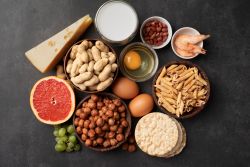
Choline is one of the most essential nutrients that your brain and liver needs for healthy functioning. Choline deficiency may compromise your liver and brain health. Choline is available to human body from your foods such as eggs, meat etc.
Choline to protect your brain &liver
Functions of choline in human body
Choline has a crucial role in metabolic activities of human body. It is a part of our cell membrane also. Choline is needed for the formation of phosphatidyl choline and sphingomyelin in cell membranes. Therefore , choline is crucial for the strength and integrity of cells.
This essential nutrient is vital for proper functioning of muscles, liver and brain. Choline is very crucial for the formation of acetyl choline in nerve synapses and hence in controlling muscle functioning. It is also important for the formation of neurotransmitters and memory storage.
Choline is crucial during foetal development for brain during pregnancy
Choline can modulate gene expression. Most f the choline is received through the foods we consume. However, a small amount of choline is produced in liver. The choline reaching our body through the foods we consume, is also stored in liver.
Choline deficiency
Choline is usually low in people having folate deficiency. Folate is an important vitamin for our body.
However, extreme deficiency of choline do not happen commonly as choline is released from the cellmembrane phospholipids and some amount is also produced by the liver.
Choline rich foods
The major food sources of choline include:
Eggs
Choline is abundant in egg yolks.Eggs contain around 146mg/serving
Meat
It is also found in meat, fish and beaf. Beaf contains 117mg , chicken breast 72 mg. fish 71mg.
Plant sources of choline
Among plant foods, choline is found in broccoli, cauliflower, peas, soybeans &potato.
Nuts &seeds
Nuts and quinoa also contain some amount of choline[43mg].
Zeisel S. Choline: Critical role during fetal development and dietary requirements in adults. Annu Rev Nutr. 2006;26:229–250. doi: 10.1146/annurev.nutr.26.061505.111156 https://pubmed.ncbi.nlm.nih.gov/16848706
Manganese is a mineral crucial for bone formation, collagen formation , metabolism and a very crucial cofactor for an antioxidant preventing serious illnesses.
Manganese is the great co factor for antioxidant manganese superoxide dismutase. This enzyme protects cells from free radical damage. The antioxidant enzyme can prevent various organ diseases and cancers fighting against superoxide free radicals.
Other major role of manganese in human body includes
Bone formation
Carbohydrate &cholesterol metabolism
Antioxidant defense
Enzyme co factor in metabolic pathways.
Collagen formation.
Manganese deficiency
Deficiency of the mineral manganese in human body is associated with poor growth& deterioration in bone health. Joint pain also develops mostly. The deficiency is not so common as the mineral reaches human body from our staple foods.
Manganese rich foods
Nuts &seeds particularly pumpkin seeds &walnuts
Legumes
Spinach
Seafoods- mussels &oysters
Whole grains- quinoa, brown rice.
Potatoes
Pineapple
Berries
What is manganism?
Manganese toxicity is known by the name manganism. This neuro toxicity may happen commonly in mining industries. Another probability of occurrence of manganism is for patients in total parenteral nutrition. Usually in chronically bed ridden or acutely ill patients if nutrients and drugs are given through intravenous route for a prolonged period of time it may cause manganism.
Manganese toxicity may cause hallucinations and tremor of hands. The manganese toxin affects basal ganglia of brain and cause tremors resembling Parkinson’s disease. There will be reduction in dopamine neurotransmitter in manganism.
Magnesium is a mineral human body needs critically for health of bones, muscles& nerves. Magnesium has great role in your sleep along with numerous other health benefits.
Magnesium – The crucial mineral for vital organs of human body
Magnesium is one of the most important minerals human body needs for proper functioning and maintaining the health of organ systems. Adequate magnesium intake from natural food sources is associated with numerous health benefits to human body and mind.
Around 60%of the magnesium in the body is located in the bones as a crucial factor in bone mineralization. Bone mineralization is vital for giving strength to the bones & skeletal system. The remaining 39 % of magnesium is in soft tissues and 1% in body fluids.
Apart from regulating the skeletal system, magnesium plays critical roles in around 300 biochemical reactions in human body. It is one of the key elements in regulating the rhythm of the heart, blood sugar levels, neuronal communication, glutathione production etc.
Magnesium helps to foster emotional health as well as physical health. Its depletion has been associated with type 2 diabetes and osteoporosis. In human body parathyroid hormones and calcitonin regulates magnesium levels. Vitamin D also has crucial role in its absorption from small intestine.
Magnesium has great role in nerve cell communication and heart functioning as it facilitates transport of calcium and potassium across cell membranes. Nerve impulse conduction is important for the proper functioning of muscular system in the body and magnesium is crucial also for contraction of muscles.
Health benefits of magnesium
Bone health
Magnesium helps bone mineralization and improve bone strength.
Glutathione antioxidant production
Magnesium is an important cofactor in several biochemical reactions in human body and I glutathione production.
Regulates heart health
Magnesium has crucial role in regulating blood pressure as well as the rhythm of heart.
Helps to control blood sugar levels.
Magnesium has some role in regulating blood sugar levels. It is low in diabetic people having poor glucose control.
Energy metabolism
Magnesium has crucial role energy metabolism of glucose and cholesterol.
Neuronal communication
Magnesium regulates nerve impulse conduction and muscle contraction.
Helps to reduce migraine.
Better sleep and good mood
Magnesium is a natural relaxant that regulate neurotransmitters and cortisol hormone. Thus it can reduce anxiety, insomnia [sleeplessness] and depression.
Magnesium rich foods that are super healthy
Green leafy vegetables
Nuts – almonds, cashew nuts, peanuts
Seeds- pumpkin seeds, chia seeds
Whole grains- brown rice, quinoa, oats
Legumes
Soy milk
Potato
Banana
Dark cocholates
Yogurt
Salmon
Avocado
broccoli
Meat
Recommended daily allowance of magnesium is310mg- 410 mg daily.
Magnesium deficiency
Some people having a few diseases are at great risk of developing magnesium deficiency and they include Chron’s disease, gluten sensitivity disorders and surgeries performed on ileum. These gastrointestinal tract disorders interfere with absorption of magnesium.
Vitamin D deficiency also is associated with low magnesium levels in some people as magnesium is absorbed in the small intestine- jejunum and ileum in the presence of vitamin D.
Type 2 diabetes is associated with low magnesium levels ,however no studies point out that magnesium supplementation help to improve diabetes. Probably magnesium is lost through urine excretion.
In people consuming alcohol for prolonged period of time also magnesium is low.
Magnesium deficiency causes muscle cramps, numbness, fatigue, anxiety, nausea, vomiting .it can also cause seizures. Severe magnesium deficiency may lead to low calcium and potassium levels. It can affect nerve cell communication and rhythm of heart.
Magnesium supplementation
Routine intake of magnesium supplements without directions from a health care provider is not recommended. It is advisable in people having gut disorders with malabsorption syndrome. It is prescribed for anxiety, sleeplessness &depression
Collagen is a protein which gives your skin, muscles and joints strength, elasticity and firmness. Consumption of collagen boosting foods as well as regular skincare practices are important for ageing skin to prevent collagen decline related sagginess& wrinkles.
Collagen
Collage is a protein found in skin, muscles and bones. It is essential for wound healing, skin elasticity and firmness. Although there are several types of collagens in human body Type 1 collagen is the common variety. Two important amino acids glycine and proline are crucial for the formation of collagen in human body. Along with these amino acids vitamin C is very important for the production.
Omega fatty acids and zinc can reduce collagen degradation associated with ageing. Skin may lose its firmness and elasticity with declining collagen levels, forming wrinkles and fine lines.
Collagenenhances firmness & beauty of your skin
Collagen is a protein produced by fibroblasts in the skin which provides firmness and elasticity to your skin and enhance its beauty. Collagen production declines with increasing age. Ageing affects the collagen production adversely and skin begins to sag. Around 24% of collagen is lost by 40 years of age.
10Ways to boost collagen
Foods to boost skin collagen
Consumption of food rich in proteins, vitamin C , zinc and omega fatty acids are crucial for the production of collagen.
Protein
Collagen boosting amino acids are glycine and proline. Consumption of food rich in proteins help to attain these amino acids and form collagen in your body. The regular intake of chicken breast, bone broth, eggs, fish and legumes help to improve collagen production.
Omega fatty acids
Various types of nuts, seeds, fish and fish oils are rich sources of omega fatty acids. Include pumpkin seeds in your diet to enhance collagen production.
Vitamin C
Include vitamin C rich fruits and green leafy vegetables in your food. Citrus fruits, guava, Indian gooseberry, strawberries, broccoli , kiwi and tomatoes are enriched with vitamin C.
Zinc
Zinc acts as a vital cofactor for the enzymes responsible for producing and structuring collagen. It facilitates the cross-linking of collagen fibers. Zinc activates lysyl oxidase enzyme for cross linking which gives strength to collagen. Also it protects against collagenase enzyme which degrades collagen. Zn also has repairing and anti-inflammatory properties.
Food sources of zinc include oysters, red meat, chicken, fish. Legumes, nuts, whole grains, and beans provide zinc.
Protect your skin from UV rays of sun
Use sunscreen while you go outdoor or you get exposed to UV rays of sun even while inside home. UV rays can degrade collagen structure and damage it.
Hyaluronic acid to boost collagen
According to a 2025 study collagen production is enhanced by hyaluronic acid as it hydrates skin, improve elasticity, firmness. Both serums and creams of hyaluronic acids are available in the market.
Ensure sound and adequate sleep
Sleep plays crucial role in the health of your skin. An 8 hours sound sleep without disturbances can boost collagen production.
Change unhealthy habits
Quit smoking and excessive alcohol intake. Avoid harsh chemicals on skin.
Limit caffein intake
Stress management
Stress can have detrimental impact on your skin as it activates oxidative stress and degrade collagen. Practice exercises for body and mind to de-stress yourself. Yoga, precisely various types of pranayama breathing exercises can have positive impact on your skin, if practiced regularly .
Microneedling
Microneedling is a device uses fine needles to create controlled micro-injuries on the skin. These injuries trigger a natural wound-healing process as it stimulates fibroblast cells to produce new collagen and elastin. This can improve skin texture, reducing wrinkles, and fading acne scars.
Collagen supplements
Recently collagen supplements are used by many people around the globe as an antiaging skin care product. Studies show that collagen supplements help to reduce wrinkles and fine lines. Both oral and topical collagen can contribute to reducing or delaying skin aging
Topical treatments
Retinoid creams , vitamin C and peptides help to boost collagen as topical agents.
Natural ingredients to boost collagen.
There are a few natural remedies which boost collagen production such as aloe vera gel and castor oil. Ricinoleic acid in castor oil boosts collagen production, reduce winkles. They also help to reduce melanin pigmentation around eyes.
written by dr sanjana p [ copyright]
References
Sionkowska A, Skrzyński S, Śmiechowski K, Kołodziejczak A. The review of versatile application of collagen. Polymers for Advanced Technologies. 2017;28(1):4–9. doi: 10.1002/pat.3842. [DOI] [Google Scholar]
Choi SY, Ko EJ, Lee YH, et al. Effects of collagen tripeptide supplement on skin properties: A prospective, randomized, controlled study. J Cosmet Laser Ther. 2014;16(3):132–137. doi: 10.3109/14764172.2013.854119. [DOI] [PubMed] [Google Scholar
https://www.mdpi.com/2310-2861/11/4/281Hyaluronic Acid and Skin: Its Role in Aging and Wound-Healing Processes by Natalia Chylińska
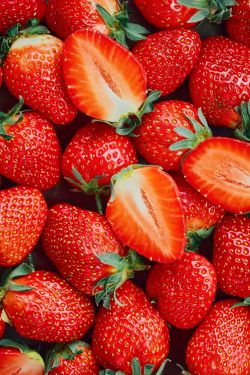
Straw berries are nutrient dense superfoods which can boost cardiovascular and brain health. They are enriched with wide variety of antioxidants and micronutrients that help skin health also.
Strawberry is a fruit that is widely loved and consumed by people across the globe for its aroma, bright red colour, juicy texture, and sweetness. It can be consumed either fresh or in the processed form of foods such as jam, ice cream, and chocolates. However, strawberries are good for health in its raw form without adding sugar.
History of strawberries
Strawberries are low-growing herbaceous plants that belong to genus fragaria and family rosaceae. These fruits originated in Europe in the 18th century. The garden strawberry was first cultivated in Brittany, France, in the 1750s. Strawberries have been mentioned in literature and art from Romans . It has been depicted in many western paintings also such as Italian, Flemish, and German paintings, including Hieronymus Bosch’s The Garden of Earthly Delights.
However, strawberries reached all over the globe and several countries developed their own varieties commercially only during the 19th century. Strawberries are produced commercially both for instant consumption as raw fruits and for processing as frozen, canned, or preserved berries or as juice.
Nutritional value of strawberries
The strawberries are ranked as one of the best functional foods because of their vitamins and antioxidant content. These play crucial role in preventing and managing lifestyle diseases.
Raw strawberries contain 91% water, 8% carbohydrates, 1% protein, and very low amounts of fats. They are rich source of Fibers, vitamin A, C, B1, B2, B6, K, folates and many important minerals such as calcium, magnesium, potassium.
Along with potassium the antioxidants in strawberries help to protect heart health and reduce hypertension.
The major antioxidants in strawberries include ellagic acid, and certain flavonoids such as anthocyanin, catechin, quercetin and kaempferol.
It contains about 99%of the daily requirement of vitamin C and it is much more than that in oranges and help to boost immunity.
Health benefits of strawberries
Protects cardiovascular health
Antioxidants in strawberries help to lower risk of cardiovascular diseases through inhibition of LDL-cholesterol oxidation, promotion of plaque stability, improved vascular endothelial function, and decreased tendency for thrombosis or clot formation. It protects heart and blood vessels from forming plaques and blood clots.
Helps skin collagen formation &glow
Vitamin C in strawberries helps to boost collagen production and thus skin health and beauty.
Helps to prevent Alzheimer’s disease & boost brain health
The antioxidants in strawberries also help to prevent cognitive decline and protects your brain from neurodegenerative diseases such as Alzheimer’s disease.
Helps to maintain blood glucose level
The glycaemic index of the fruit is less than 40 and hence it can be consumed by diabetic patients also. It will not cause blood sugar spike.
Boost immunity
The vitamin C in strawberries help to boost immunity due to their anti-inflammatory and anti-infective potential. Vitamin C is also a great antioxidant.
Conclusion:
Strawberries contain several vital nutrients which can enhance immunity, heart health, bone health, brain health and skin health. Therefore, enjoy the strawberries for better health and quality of life in the most natural way.
Safety & caution
Strawberries may cause severe allergy in some people who are hypersensitive to it. Sometimes it may reach the level of anaphylaxis or fatal life-threatening allergy. People who are allergic to strawberries, are advised not to eat them.
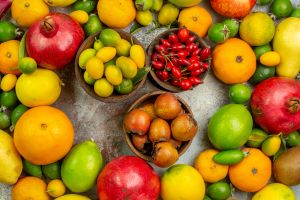
Fruits are immensely enriched with nutrients such as fibers, vitamins minerals and antioxidants. All these nutrients are crucial for healthy functioning of your body and mind.
fruits
Botanically, fruits are the seed-bearing structure in flowering plants (angiosperms) that is formed from the ovary after flowering. The fruits include sweet produce like apples and mangoes, as well as savory items like tomatoes, cucumbers, and nuts. Nutritionally, fruits are great sources of dietary fiber, vitamins, minerals, and antioxidants.
Common types of fruits:
Citrus: Oranges, lemons, limes, and grapefruits.
Berries: Strawberries, blueberries, raspberries, and blackberries.
Tropical/Exotic: Mangoes, bananas, pineapple, dragon fruit, and papaya.
Pomes & Stone Fruits: Apples, pears, peaches, plums, and cherries
Health benefits of fruits
Fruits are abundant sources of fibers, vitamins, minerals and antioxidants. The nutritional value of various fruits is different and the health benefits they provide also differ accordingly. Therefore, it is always recommended that you take a mix of various fruits together in moderation at least four times a day along with a balanced diet. It is always advisable to consume cut fruits instead of juicing as it strips the fiber.
Great source of fibers
Fruits contain a lot of soluble and insoluble fibers. The fibers help to reduce cholesterol in your body and help gut health. They also have crucial role in reducing obesity or in promoting weight loss.
Improves heart health
The antioxidants, fibers and some minerals in fruits help to improve cardiovascular health. They help to reduce plaque development inside blood vessels of heart and prevent heart attack and stroke. Fibers also have crucial role in reducing bad LDL cholesterol. The fibers also help weight loss mitigating the risk for heart attacks.
Enriched with various antioxidants
The fruits contain various types of antioxidants which have beneficial effects on vital organs of human body and on skin. The antioxidant content varies among fruits. However, most of the antioxidants are powerful and prevent free radical induced oxidative stress.
A rich source of vitamins
Fruits are enriched with many important vitamins including vitamin A, B, C, E and folates. All these vitamins are effective antioxidants also and play vital role in maintaining health.
Abundant source of essential minerals
Fruits contain minerals such as calcium, magnesium, manganese, potassium etc. in good amounts which have significant roles in heart health and bone health.
Helps to prevent lifestyle diseases
The fibers in fruits slows down digestion and help to reduce blood sugar spikes and low glycaemic index type fruits can be consumed by diabetic people as well. The fiber helps to reduce bad LDL cholesterols and protect from cardiovascular diseases. Potassium in fruits help to reduce and control blood pressure and therefore help heart health. The anti-inflammatory potential of fruits help to reduce diabetes and cardiovascular diseases.
Boost immunity
The vitamins and minerals in fruits boost the immunity. Vitamin C rich fruits and vitamin A and carotenoids play crucial rule in it.
Improves digestion
fruits regulate bowel movements, prevent constipation, and nurture a healthy gut microbiome due to the presence of fibers in them.
Helps weight loss
Fibers in fruits help to reduce weight loss as the fibers give a feeling of satiety and reduce excessive food intake.
Improves skin health & glow
The antioxidants, vitamins in fruits help to glow your skin from within. It also helps to promote hair growth.
Anti -inflammatory properties
The fruits have antioxidant vitamins with anti-inflammatory properties and they help to reduce chronic diseases of vital organs.
The nature provides you with a wide variety of fruits in every season abundantly. Beyond the nutritive value, the fruits and their harvesting is a pleasant experience for people and therefore now fruit cultivation and their harvests are part of many resort projects globally. The urban population who lives in concrete jungles most of their life, visit such fruit farm resorts as a retreat centre of green space occasionally for relaxing and rejuvenating the mind and body. These fruit farm resorts welcome thousands of such visitors in quest of sustainable eco-friendly healthy living. In a nut shell the significance of fruits is enhancing day by day in this digital era of technological development when human beings search their roots for healthy living in close connection with nature.
It is indeed a welcomely trend to have more farm stay orchards as part of Agri tourism. Furthermore, nowadays fruit gardens are part of home plans of many people who love and foster healthy living with nature.
A few healthy fruits available in India & their nutritive value
Pine apple
It is enriched with fiber, potassium, calcium, manganese and vitamin C. The fruit has great role in boosting immunity, heart health & skin health. It has anti-cancer and anti-inflammatory properties also.
The bromelain in pineapple helps digestion and absorption of nutrients.
Pomegranate
Pomegranate is rich in vitamin C and several other antioxidants such as ellagic acid which can fight against free radical damage to the cells. The fibers help digestive and cardiovascular health. Furthermore, minerals such as potassium and calcium play crucial roles in cardiovascular health and bone health.
Apple
Apple contains fiber and vitamin C. They also boost heart health and gut health. Furthermore, it is a great source of potassium and calcium. It has critical role in boosting immunity in children as well as adults. They contain antioxidant quercetin which help in preventing inflammations. Apples are best for consumption in people attempting weight loss.
Grapes
Grapes contain fiber, calcium, magnesium, potassium and vitamin C. Antioxidants in grapes reduce oxidative stress in the brain and protect against cognitive decline
Oranges
Oranges belong to citrus group of fruits and is well known for being a great source of vitamin C and antioxidants like hesperidin and quercetin.
Strawberries
Strawberries are rich source of fibers, vitamin A, C, B1, B2, B6, K, folates and many important minerals such as calcium, magnesium, potassium. Along with potassium the antioxidants in strawberries help to protect heart health.
The major antioxidants in strawberries include ellagic acid, and certain flavonoids such as anthocyanin, catechin, quercetin and kaempferol. The antioxidants in strawberries also help to prevent cognitive decline and protects your brain from neurodegenerative diseases such as Alzheimer’s disease.
It contains about 99%of the daily requirement of vitamin C and it is much more than that in oranges and help to boost immunity.
Vitamin C also helps to boost collagen production and thus skin health and beauty.
The glycaemic index of the fruit is less than 40 and hence it can be consumed by diabetic patients also. It will not cause blood sugar spike.
Conclusion:
Fruits are enriched with several vital nutrients which can boost immunity, heart health, bone health, brain health and skin health. Include a wide variety of fruits into your daily diet for better health and productivity in life.
Dark circle around eyes is a common skin problem affecting all age groups of people and the causes are multiple. In medical language, the problem is called periorbital hyperpigmentation. This is worrisome for men and women as it imparts face an aged, tired or depressed appearance.
Overview
The dark circles may mostly affect lower eyelid areas; however, it can spread to upper eyelids, the malar areas and nasal root areas overtime.
Sometimes dark circles are found since puberty or it may extend to adulthood and last long. It has shown some familial inheritance in some ethnic groups. Both white and dark-skinned people may develop dark circles. They appear more vivid in blue or brown colours in fair skinned people and it is a cause of angst for many having this issue.
People suffering from this hyperpigmentation issue often seek for various home remedies and medical and cosmetic solutions as the issue can diminish their confidence and self-esteem considerably. The remedies for addressing dark circles are dependent on its causes as the problem has multiple aetiologies or causes.
Causes of peri orbital hyperpigmentation or dark circles
Genetic – In a few ethnic groups it has been found to be familial or it runs in families.
Ageing – It can be the result of constriction of blood vessels causing hyperpigmentation or thinning of the periorbital skin from ageing.
Sun induced damage – It can also happen from exposure to UV rays of sun which can cause oxidative stress to the skin and premature ageing of skin.
Nutritional or dietary errors– Nutritional deficiencies such as anaemia arising from iron deficiency also cause hyper pigmented dark circles around eyes.
Allergies – Allergic reactions can cause fluid buildup around the eyes and that may gradually lead to dark circles and swelling.
Constant rubbing of the eyes
Smoking
Loss of sleep
Thyroid dysfunction
Dehydration from poor water intake
Skin diseases – Inflammation from various skin conditions such as atopy and contact dermatitis may also lead to hyperpigmentation on face.
Medications – Certain medications for glaucoma, some oral contraceptives or ophthalmic prostaglandin F2a use have been found to be related to hyperpigmentation.
How does dark circle appear in people?
Dark circles appear as purple or blue to dark brown or black in people according to the skin colour. It is clearer in fair skinned people. The duration of dark circles lasting around the eyes depends on the causations of this pigmentation. If sleep deprivation and nutritional inadequacies cause it , adequate sleep and rest to eyes along with balanced diet and some natural external applications can help get rid of the dark circles. But diseases causing hyperpigmentation may need proper and consistent treatment to address the problem.
How to reduce dark circles or peri orbital hyper pigmentation?
• Ensure sound &adequate sleep every day. It is crucial for skin health as well as health of eye muscles.
• UV protection sunglasses
Wearing the UV resistant glasses help to prevent pigmentation. Also use sunscreen on face while going out in sun.
Cold compresses
Applying frozen cold cucumber slices to the eyes may help to reduce fatigue of eyes as well as dark circles. Vitamin C of cucumber may help to nourish and moisturize the skin. Vitamin C is a natural anti-oxidant which help to reduce hyperpigmentation from sun rays.
Green tea is a natural antioxidant and applying cold green tea bags are useful for removing dark circles and tiredness of eyes. It can also improve the health of skin under the eyes.
Eye packs for managing dark circle or periorbital hyperpigmentation:
Aloe Vera gel, vitamin E oil, sweet almond oil eye cream
Mix 1tbs aloe Vera gel with 1 tsp sweet almond oil,1 tsp vitamin E oil. Apply it around the lids and under the eyes. Massage gently with ring finger for 3 minutes. Leave it for 30 minutes. Do this every morning for better results.
Vitamin E oil and honey mixture
Mix 2 tsp vitamin E oil and one tsp honey and apply on skin around eyes. Leave it for half an hour and wash later with any cleanser.
Vitamin E is an effective antioxidant for the skin. It may help to reduce wrinkles and fine lines and hyperpigmentation causing damages to skin and blood vessels. Honey helps to moisturize your periorbital skin. It can help skin rejuvenation, regulate pH and has anti-microbial properties.
• Concealers are the least invasive option for hiding the dark circles temporarily.
• Stop smoking and reduce alcohol consumption.
• Medical management
1. under eye creams – Some eye creams are useful in reducing dark circles. Some of the bleaching creams contain hydroquinone, tretinoin. Use the creams only under the direction from a dermatologist.
2. Chemical peels
The chemical peels use alpha hydroxy acids, such as glycolic acid. Peels may help in combination with other methods to reduce dark circles.
3. Lasers
Lasers can reduce the risk of scarring and help lightening hyperpigmentation.
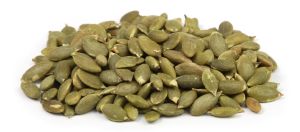
Pumpkin seeds are highly nutritious seeds of pumpkins and they are enriched with antioxidants capable of preventing cancers of prostate of breast . The seeds have antioxidant, anti-inflammatory, anti-cancerous , anti-glycemic properties.
Pumpkin seeds to prevent prostate cancer
Pumpkin seeds are edible seeds of cucurbitae pepo. Several other species of cucurbitae also are cultivated for extracting seeds.
The seeds contain 30-40% protein,56%unsaturated fat,fiber 6.6grams and very important minerals such as magnesium, zinc, iron , phosphorus.
Health benefits of pumpkin seeds
Improves health of heart and blood vessels
Pumpkin seeds help the expansion of blood vessels generating nitric oxide. This may help to reduce hypertension and vascular occlusion.
Reduces bad cholesterols
Pumpkins contain phytosterols which helps to reduce bad cholesterol.
Helps to reduce the occurrence of prostate hypertrophy and prostate cancer
Pumpkin seeds contain squalene antioxidants which prevent prostate cancer and hypertrophy. They also help to reduce the increased frequency of urination.
Reduces blood sugar level and helps to manage type2 diabetes.
Antioxidant properties
Pumpkin seeds are rich source of antioxidants vitamin E , carotenoids, squalene and phenolic compounds. Antioxidants have great role in human body in preventing and addressing free radical induced damage or oxidative stress. It has crucial role in preventing organ diseases and cancers. Antioxidants also help to prevent premature ageing resulting from various causes including environmental toxins, UV rays of sunlight, stress, sleep deprivation and metabolic errors.
A great source of unsaturated healthy fats
Pumpkin seeds contain oleic acid and linoleic acid which have anti-cholesterol properties.
Anti-cancer properties
The antioxidants particularly squalene helps to prevent breast cancers promoting apoptosis or cell death of cancer cells.
Helps to improve sleep
Pumpkin seeds are rich in tryptophan aminoacids which have crucial role in the production of neurotransmitters. It also contains zinc, copper, selenium which help sound sleep.
Improves mental health
The tryptophan amino acids of pumpkin seeds help neurotransmitter production. Also, magnesium in pumpkin seeds help to reduce stress and anxiety.
How to eat pumpkin seeds?
Pumpkin seeds in raw state contain phytic acid which may prevent absorption of minerals in human body. In order to reduce the phytic acid content either soak or roast pumpkin seeds before consumption.
Frequently asked questions?
Is it safe to eat pumpkin seeds for all age groups?
Yes. It is. However, it is recommended to eat after roasting or soaking.
Can people having higher B.P consume pumpkin seeds as a snack?
Definitely they can. Pumpkin seeds have a unique potential to reduce B.P
Generating vasodilator substance nitric oxide.
Are pumpkin seeds good for skin health?
Yes they are. They are rich in various antioxidants including vitamin E which can improve the skin glow and health.
Skin tan & wrinkles from exposure to UV rays of sun can be effectively managed by natural home remedies with antioxidant potentials including aloe vera, green tea, tomato etc.
Skin tan is the darkening of the skin’s complexion caused by increased melanin production. It is a defence mechanism of the skin against ultraviolet (UV) radiation from sunlight or artificial sources.
Exposure to UV rays triggers melanocytes to produce more melanin which results in pigmentation. Furthermore, U V rays cause premature ageing of the skin causing fine lines and wrinkles.
Impact of Ultra violet rays on skin
UV rays of sun have immediate as well as chronic effects on skin ranging from inflammation, sunburn to cancers. Chronic exposure is associated with various cancers of skin such as melanomas.
Sunlight exposure causes photo ageing of skin also. Photo ageing is characterized by collagen fiber breakdown, leading to sagging, wrinkles, and leathery skin. Chronic UV exposure leads to DNA damage and suppresses the immune system, decreasing the skin’s ability to repair itself.
The acute or immediate exposure to sun’s UV rays include redness of skin as sunburn (erythema), inflammation, and pigmentation changes.
5 Best sunlight induced skin tan removing natural face masks
Aloe vera & turmeric
You can apply aloe vera gel any time on your skin. It has anti inflammatory properties and collagen boosting potential.
It is a powerhouse of vitamins A, C and E all of which are great antioxidants for your skin.
Aloe vera can hydrate your skin naturally and also it has cooling properties.
You may use aloe vera gel immediately after exposure to intense sun light and heat. It is soothening to the mildly erythematous skin.
For chronically darkened skin with no signs of inflammation or any irritation you may use a mix of aloe vera and turmeric powder.
Take 2-3tsp turmeric powder and one table spoon aloe vera gel and mix well. Apply the mixture on your face and neck and leave for half an hour.
This face mask can exfoliate dead cells and brighten your skin instantly.
Turmeric has anti-inflammatory, antimicrobial properties and it is also a good antioxidant. For best results use once in a week .
Lemon juice & glycerine
Lemon is rich in vitamin C antioxidants and flavonoids. It lightens tan and pigmentation and can brighten your skin.
Glycerine is a humectant. It moisturizes and hydrates your skin. It can also improve skin elasticity and helps repair of skin barriers. Generally, glycerine is safe for all skin types.
Mix 3 teaspoon full lemon juice with one table spoon glycerine and apply on skin. Leave it for 30 minutes and wash with plain water.
3. Tomatopulp & potato juice.
Potatoes are rich in vitamin C antioxidant. Tomatoes contain lycopene antioxidants and vitamin C. both are very effective on brightening your skin and boosting collagen.
Mix both juices together in equal amounts, as much as you need and leave for 40 minutes for best results. Then wash with plain water. This is extremely good for de-tanning and in giving you a radiant bright skin.
4. Curd
Curd can intensely hydrate your skin. It is a good exfoliant and helps to remove dead cells.It can brighten and sooth the skin gently.Moreover, the curd is a natural cleanser that balances the skin microbiome and plays anti-inflammatory role.it helps fade acne marks and spots.Curd can boost collagen production and reduce fine lines and wrinkles.
5. Gram flour, lemon juice and curd mix
Mix 2teaspoonful gram flour ,2 teaspoons full lemon juice and 2tsp curd well. Apply on face.
Lemon juice is rich in vitamin C antioxidants, vitamin B6 and flavonoids. It has anti-inflammatory and antimicrobial properties.
Gram flour is rich in niacin and folate vitamins. Curd moisturizes and hydrates the skin. It is a good exfoliant. lemon juice is rich in vitamin C antioxidants. The application of this mixture can give you radiant glowing blemish free skin with consistent usage..
Cautions
Do patch test under your chin before applying on the face
Avoid application on irritated skin
For better results consistent application is necessary.
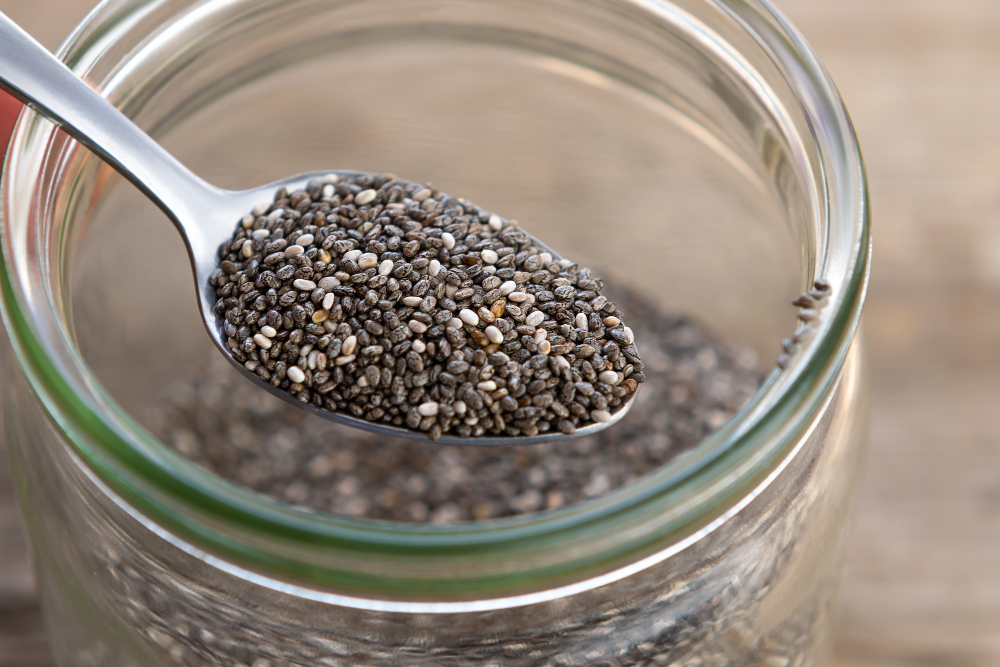
Chia seeds are highly nutritious seeds chosen by millions of people in their diet plans as they are great source of omega fatty acids, fibers , minerals and antioxidants. They have immense value in boosting cardiovascular health and in helping weight loss, bone health and brain health.
Chia seeds are one of the most sought-after seeds among nutrition enthusiasts and population in general since a decade. Enhanced awareness about the health benefits chia provides made it the favorite food ingredient of many.
Chia seeds are one of the most loved and consumed functional foods all over the world. Functional food is that which can be good for health beyond its conventional nutritive value. Chia seeds provide numerous health benefits.
Chia seeds [Salvia Hispania] belong to lamiaceae family and it is cultivated all over the world as a crop.
Nutritional value
The chia seeds are rich sources of protein [16g/ 100g], fibers [ 34.4], carb [42.1] energy 480 kcal. It is a good source of vitamin B, niacin, thiamin, riboflavin and folic acid.
Health benefits of chia seed
Chia seeds improve digestive health
Fibers of chia seeds helps bowel movement, digestion and helps gut health. It prevents constipation as soluble fibre adds volume to stool.
Antioxidant properties of chia
Chia seeds have plenty of antioxidants within them including polyphenols and vitamin E. They are potent enough to prevent cancers and Alzheimer’s disease.
Chia seeds are great source of omega fatty acids
Chia contains omega fatty acids such as alpha linoleic acid and linolenic acid.
Chia boosts cardiovascular health
These are capable of lowering triglycerides or neutral fat and bad cholesterol LDL and thus help to prevent heart diseases and stroke. Selenium in chia seeds also help cardiovascular health preventing clot formation as well as empowering heart muscle strength.
Chia seeds help brain health &cognition
Omega fatty acids can also boost brain health and cognitive functions. This may help to prevent dementia or memory loss as they contain effective antioxidants as well as omega fatty acids.
Anti-cancer properties
Studies also show that omega fatty acids are potent enough prevent some cancers.
Chlorogenic acid and quercetin phytochemicals in chia seeds help to protect from cancers, ageing and lifestyle disorders.
Chia helps bone health
Chia contains calcium, magnesium, phosphorus and copper. These minerals boost bone health as well as health of heart.
FREQUENTLY ASKED QUESTIONS
Can chia seeds consumption help to prevent brain diseases like Alzheimer’s disease?
chia contains several antioxidants and omega fatty acids which have potential to protect against free radical induced brain cell damage or neuro degeneration.So the antioxidants help to neutralize free radicals and omega fatty acids improve cognitive functions of brain.
Can chia seed soaked water intake help to prevent constipation?
Yes . definitely . Chia seeds contain lots of fibers and this helps to improve gut health and bowel movements.
Can chia seeds help weight loss?
Yes. chia seeds have lots of fibers which help to reduce fat and cholesterol. Fibers also help fullness after its consumption and prevent excessive food intake.