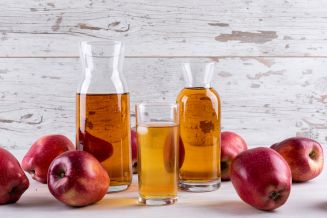
Apple cider vinegar is one of the most popular ingredients used in the preparation of various dishes and used for weight loss by some people. Please have a look at the health effects of apple cider vinegar.
It has been used for reducing blood glucose level in diabetic people. According to Harvard health publishing, a few studies suggest that vinegar help in reducing blood sugar levels in people with prediabetes and type 2diabetes.
Another study shows that apple cider vinegar consumption helps to reduce blood lipid levels. Its role in reducing cholesterol needs extensive research.
It is often consumed by people who want to lose weight. However, there is no significant research evidence that support the role of apple cider vinegar in achieving weight loss.
Apple cider vinegar is used in salad dressings, in preparing sauces and marinades and as a home remedy for various health issues.
It is used as preservative agent in foods. Apple cider vinegar is consumed in small quantities or taken as a supplement by some people.
How to take apple cider vinegar?
Apple cider vinegar should be taken in the diluted form in small quantities only. In highly concentrated form its high acidity can damage tooth enamel while sipping.
What is Apple cider vinegar and how is it prepared?
Apple cider vinegar is a common type of vinegar, produced by fermenting apples. Apple cider vinegar is prepared through the fermentation of crushed apples.
It is a two-step process. It is made by crushing apples, then squeezing out the juice. Bacteria and yeast are added to the liquid to start the alcoholic fermentation process, which converts the sugars to alcohol. The first step occurs relatively rapidly and involves the conversion of sugars to alcohol (cider) by yeast.
The second step is not rapid. In this step the alcohol is converted into vinegar by acetic acid-forming bacteria Acetobacter. Acetic acid and malic acid combine to give vinegar its sour taste.
Maceration and other production methods have been can significantly affect the chemical composition, total antioxidant activity, acidity, and phenolic content of apple cider vinegar.
Chlorogenic acid is the most abundant phenolic substance produced by fermentation and maceration process. Gallic acid, catechin, epicatechin, caffeic acid, and p-coumaric acid are present in low levels.
Caution
• Apple cider vinegar can lower potassium levels. So, people suffering from low potassium or heart diseases related to it should not consume apple cider vinegar.
• Apple cider vinegar may cause untoward drug interaction with drugs lowering blood sugar such as insulin.
Safety
Low amount of diluted apple cider vinegar consumption is associated only with low risk of health effects. But adverse results are reported with over consumption in undiluted concentrated forms. These include esophageal damage, tooth enamel erosion, and excessive burping, flatulence, and bowel movements.
People having allergies to apples may experience allergic reactions to apple cider vinegar.
The use of apple cider vinegar may cause drug interactions with insulin or diuretics.
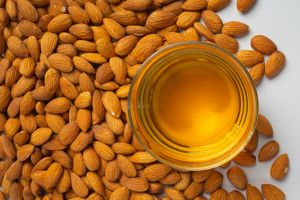
Almond oil is an amazing rejuvenating ingredient used since time immemorial for enhancing the glow. Almond oil has been enriched with linoleic acid & vitamin E & antioxidants which accentuate the beauty of your skin.
Almond oil is yellowish oil extracted from the seeds of the Prunus dulcis tree. It belongs to the family Rosaceae. Almonds are edible seed with great nutritive value. They are abundant source of vitamin E antioxidants.
Almonds are native to southwestern Asia, and grown primarily in Mediterranean climates. California [U.S.A] is the major producer of almonds in the world [ around 80 percent of the global production].
There are two varieties of almonds:
sweet almond (P. dulcis, variety dulcis) and bitter almond (P. dulcis, variety amara). Sweet almonds are the edible type consumed as nuts and used in cooking or as a source of almond oil or almond meal.
Uses of almond oil
Almond oil is used for various purposes :
Cosmetic use
Food preparation
Pharmaceutical use
Others
How does almond oil rejuvenate your skin?
The ageing skin
Skin ageing happens through the synergistic activity of intrinsic as well as extrinsic factors. The intrinsic factors include genetics, cellular metabolism, hormone and metabolic processes. The extrinsic factors of ageing include chronic light exposure, pollution, ionizing radiation, chemicals, toxins.
Apart from the factors leading to normal process of ageing exposure to sun is linked with detrimental effects on skin. UV rays of sun cause premature ageing and it is called photo ageing.
The premature photoaged skin typically shows a thickened epidermis, mottled discoloration, deep wrinkles, laxity, dullness and roughness. Gradual loss of skin elasticity leads to sagging. Slowing of the epidermal turnover rate and cell cycle lengthening worsens aged look of the skin.
Severe loss of fibrillin-positive structures as well as a reduced content of collagen type VII lead to wrinkles in sun exposed prematurely ageing skin. The sparse distribution and decrease in collagen content in photoaged skin may be due to increased collagen degradation by various matrix metalloproteinases, serine, and other proteases irrespective of the same collagen production.
Glycosaminoglycans are among the main dermal skin matrix constituents that help in binding water. In photo-aged skin, these constituents may be associated with abnormal elastotic material and their functions on skin are impaired.
The total hyaluronic acid level in the dermis of skin that age intrinsically remains stable but epidermal Hyaluronic acid diminishes markedly.
UV-generated reactive oxygen species (ROS) are causing photo damage to skin. Wrinkling and pigmentation are the main visible changes of photo ageing.
These factors may act conjointly damaging the skin and overtime the skin appears dull, dry, lusterless and parched.
The primary goal of any skin anti-aging therapy is to achieve a healthy, smooth, blemish-free, translucent and resilient skin. There are various cosmetic procedures and therapies to rejuvenate the skin and repair it. Here we share the natural methods of rejuvenation of skin and in which the potential of almond oil is discussed.
The role of antioxidants on skin
The antioxidants can reduce collagen degradation by reducing the concentration of free radicals in the tissues.
Antioxidants act by:
directly neutralize free radicals
reduce the peroxide concentrations and repair oxidized membranes
quench iron to decrease ROS production
short-chain free fatty acids and cholesteryl esters neutralize ROS through lipid metabolism
Almond oil in reducing the impact of ageing
Almond oil is rich in Vitamin E antioxidants and help to rejuvenate the skin and hair follicles of scalp. It can also remove fizziness of hair. Applying almond oil on your skin and hair everyday may help you get glowing radiant skin and hair.
The antioxidants in almond oil may remove free radical induced damage to your skin. It nourishes skin deeply removing pigmentation and exfoliating the dead tissues.
The almond oil contains vitamins E and K that help skin regeneration and maintain its elasticity.
Almond oil is rich in antioxidants, particularly Vitamin E (α-tocopherol) and phenolic compounds, which protect against oxidative stress, reduce lipid peroxidation and enhance antioxidant enzymes.
Almond oil has emollient and sclerosant properties and, therefore, has been used to improve complexion and skin tone.
Almond oil is extensively used in the cosmetic industry, particularly in dry skin creams, anti-wrinkle and anti-aging products.
Almond oil works as a good moisturizer for your skin and hair. It brings back the supple look of your skin through intense nourishing.
Almond oil used in aroma therapy
Almond oil is one of the best essential oils used in aromatherapy and massage therapy as it helps to remove dryness of skin easily and it helps to rejuvenate body and mind due to its nice aroma.
Recommendations
For better results in your anti-ageing journey eat a handful of almonds daily. The nutritive value of almonds is very high as they are enriched with vitamin E and other antioxidants.
Persimmons are yellowish orange coloured nutritious, edible fruits enriched with vitamins A, C, E, and K,& minerals like potassium, manganese, and copper, along with various types of antioxidants. All these nutrients of persimmon are associated with immense health benefits.
Persimmons are available in a wide variety of species and the mostly consumed variety is Japanese persimmon. The fruits of persimmon are abundant sources of Fibers which help digestion. In addition, it has nutrients which support immunity, vision, improve heart health.
The antioxidants of persimmon are capable of fighting inflammation and delaying premature aging.
Apart from eating this ripe delicious fruit, persimmon has culinary uses also particularly in preparing delicious desserts.
Botanical information about persimmon
Persimmon is an edible fruit tree belonging to Ebenaceae family and genus diospyros. It is commonly cultivated in warm regions in various parts of the globe including China, Korea, Japan, Brazil, Turkey, and Italy& Mediterranean region.
The fruit tree originated in China around 2000 years ago and later it spread to Japan, Korea and all over the world.
Around 400 species of persimmon are planted globally. Out of these, Diospyros kaki, Diospyros virginiana, Diospyros oleifera, and Diospyros lotus are of great significance.
Diospyros.kaki (Japanese persimmon) is considered as the most loved persimmon by the people worldwide. It is also the most widely cultivated species of persimmon. Typically, the tree grows to a height of 4.5 to 18 metres
The leaves of persimmon tree are deciduous and bluish-green in color. In autumn, they turn to yellow, orange, or red. The ripe fruit of the cultivated strains range from glossy light yellow-orange to dark red-orange depending on the species and variety.
The fruit of persimmon has an astringent taste when unripe, due to the presence of tannins in them. As the fruit matures tannin levels fall down and it becomes sweeter and more delicious.
Persimmons may be stored at room temperature (20 °C or 68 °F), where they will continue to ripen. It is recommended that consuming only ripe persimmon is safe in raw form.
Nutritious value of persimmon
Persimmon is well-known for its nutritious value. The fruit is comprising 80.3 % water, 0.58 % protein, 0.19 % total lipids, 18.6 % total carbohydrates
Persimmon also contains some minerals such as magnesium, iron, zinc, copper, manganese, etc.in adequate amounts.
It provides up to 1.48 g and 7.5 mg total dietary fiber, and ascorbic acid respectively. Dietary fiber is present in persimmon in the amounts of 1.20-1.76 % and soluble fiber accounts for 0.52-0.92 %.
Persimmon also contain calcium and potassium in traces.
However, Sugar content (12.5 g/100 g) is higher in persimmon compared to other daily consumed fruits such as apple, peach, pear and orange etc. Among sugars sucrose, glucose & fructose) are plenty.
Persimmons are abundant storehouse of antioxidants. They include proanthocyanidins ,flavonoid oligomers, tannins, phenolic acids and catechin etc. Carotenoids and tannins are found in good amounts.
The major phenolic compounds of persimmon include epicatechin, ferulic acid, gallic acid, protocatechuic acid, vanillic acid, and p-coumaric acid. Persimmon is rich in carotenoids especially β-carotenes.
The bioactive components present in persimmon especially carotenoids and tannin are helpful in neutralizing free radicals, decreasing cardiovascular risk factors (blood pressure & cholesterol), and reducing the risks of diabetes mellitus along with effectiveness against cancer insurgence.
The phenolic compounds antioxidants and dietary fiber are the main constituents responsible for the cardioprotective effects of persimmon.
The condensed tannins and flavonoids also contributes towards antioxidant potential of persimmon thus can be considered as effective agents to prevent various lifestyle related disorders.
The carotenoids and catechins also have some anticancer potential.
Health benefits of persimmon
Antioxidant properties
Persimmon contains carotenoids, polyphenols, ascorbic acid &vitamin E that have antioxidant properties. Antioxidants prevent free radical damage to the body and thus prevent many grave diseases. Most of these bioactive components scavenge free radicals, bind metals, and inhibit the lipid peroxidation. Furthermore, they improve skin health also.
Boosts heart health
Persimmon has great role in reducing bad cholesterol. This cholesterol lowering properties of persimmon help to prevent risk of heart attack. Apart from dietary fibers, minerals and essential trace elements present in persimmon can prevent coronary atherosclerosis and its complications. The cholesterol lowering effects of persimmon and its products are due to decreased cholesterol absorption, cholesterol & fatty acids production.
Boosts immunity & reduces infections
Persimmon is enriched with vitamin C which is a major immunity boosting nutrient. Vitamin C is an effective antioxidant also which prevents development of various organ diseases.
Improves digestion
The Fibers in persimmon helps to improve gut motility and digestion. They also help to reduce cholesterol.
Helps eye health &vision
Persimmon is rich in vitamin A and beta carotenoids which help to improve vision& health of eyes.
Boosts skin health & glow
Persimmon is an abundant source of vitamin A, vitamin C, vitamin E and plenty of antioxidants. These nutrients impart a radiant glow to the skin boosting collagen and skin health. Antioxidants help to minimize the free radical induced damage to the skin from various sources. Thus, it helps anti-ageing.
Safety & caution
Fully ripe Persimmon is an immensely nutritious fruit with good effects. However, some people may be sensitive or allergic to this fruit as with to many other foods. In such cases, if intake of persimmon cause vomiting, stomach upset etc. better avoid eating them.
Unripe persimmons are toxic to body as they contain the soluble tannin shibuol, which, upon contact with a weak acid, polymerizes in the stomach and forms a gluey coagulum, a “foodball” or phytobezoar, that can affix with other stomach matter
Persimmon intake is recommended only in moderate amounts for diabetics as the fruit has a little higher glucose and fructose content while it contains various other vital nutrients to prevent lifestyle diseases.
Some interesting facts about persimmon
For many centuries, Japanese people love to drink persimmon leaf tea. Persimmon leaf tea is called Kaki-No-Ha Cha in Japanese language and it is prepared from the dried leaves of Diospyros kaki or Japanese Persimmon.
Persimmon fruits are eaten fresh, dried, raw or cooked forms.
Dried persimmon fruits are known as gotgam and are used to prepare the traditional Korean spicy punch sujeonggwa
In Taiwan, fruits of astringent or unripe persimmon varieties are sealed in jars soaked in limewater to get rid of the bitterness. Later these slightly hardened varieties are sold as “water persimmon” (shuishizi).
Persimmons can be used in various dessert dishes, most notably pies. They can be used in cookies, cakes, puddings, salads, curries and as a topping for breakfast cereals.
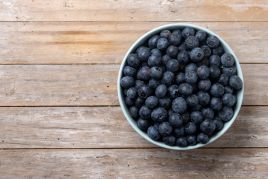
Blueberries are highly nutritious fruits or berries with great anti- ageing potentials. They are rich source of important vitamins and minerals aiding to improve the health of bones, heart , brain and nervous system.
Nutritional facts about blueberries
The blueberries are fruits with high Aggregate Nutrient Density Index (ANDI). This index rates foods based on their vitamin and minerals content, phytochemical composition, and antioxidant capacity. They also provide several health benefits to the body.
They are rich sources of vitamin C, vitamin K, minerals manganese, potassium, calcium and dietary fiber. Blueberries are one of the abundant sources of anthocyanins and other polyphenols antioxidants.
Commercially cultivated highly nutritious blue berry species include high bush blueberry (Vaccinium corymbosum L.), rabbit eye blueberry (V. virgatum Aiton), lowbush blueberry (V. angustifolium Aiton), and European blueberry (V. myrtillus L.).
Blueberries are also enriched with, beta-carotene, folate, choline, and manganese, anthocyanins, vitamins, and minerals & a diverse range of phenolic compounds such as quercetin, kaempferol, myricetin, and chlorogenic acid. These contribute to the antioxidant capacity of blueberries.
Health benefits of blueberries
Blue berries are rich source of antioxidants
The lowbush blueberries [Vaccinium angustifolium] have more anthocyanin and polyphenols with antioxidant properties. Anthocyanins are flavonoid antioxidants. In addition, they contain vitamins having antioxidant properties.
Neuroprotective effect
Owing to the presence of antioxidants in abundance blueberries possess neuroprotective properties. Consumption of blue berries help to prevent neuronal damage in the brain and nervous system. This is very crucial in preventing age related and free radical mediated dementia of various types.
The past few decades have witnessed a surge in Alzheimer’s disease and Parkinson’s disease. Neuronal damage stemming from known and unknown causes contributes to dementia or memory loss associated with these disease conditions. Blue berries help to prevent free radical damage induced neuronal degeneration and prevent neurodegenerative diseases to a large extent.
Cardioprotective properties
Blue berries have cardioprotective effects and hence consumption of blueberries help to prevent heart attacks if combined with efficient lifestyle modifications.
One cup of blueberries can provide around 24 percent of the recommended daily value [dv] of vitamin C. Vitamin C is an effective antioxidant. It also boosts immunity as well as health of blood vessels..
Blueberries to reduce risk factors causing metabolic syndrome
Research data show that regular consumption of blueberries helps to improve the health of arteries, blood lipid levels and reduce the insulin resistance in people with metabolic syndrome. Blueberries can be consumed by diabetic people also. It do not cause a blood glucose spike on moderate intake.
Blueberries improve bone health
Blue berries also improve bone mineralization and bone health. They contain minerals such as iron, phosphorous, calcium, magnesium, manganese, zinc, and vitamin K. Each of these nutrients have great role in the formation of bones &in maintaining bone health. So, blueberries need to be added particularly in the diet of ageing population. Ageing is associated with bone density loss. Menopause is associated with estrogen deficiency associated bone thinning. Cardiac health is also compromised under declining estrogen hormones in menopausal women. Blueberries help to improve heart health as well as bone health. Minerals potassium [114mg], calcium, and magnesium along with Fiber, folate, vitamin C, vitamin B6, and phytonutrients play vital role in protecting heart health.
Blueberries delay signs of skin ageing
Blueberries are abundant source of antioxidants and vitamin C. These nutrients synergistically do good to your skin acting as collagen growth promoters to prevent wrinkles, adding strength to skin and neutralizing free radical damage to skin. They are very effective anti-ageing berries with antioxidant potential and enhances the glow of your skin.
Apart from the health benefits mentioned here blueberries provide several other good effects. They are rich in fibers and hence their role in improving cholesterol as well as digestive health are undeniable.
Blue berries are comparatively low in sodium and fat. Therefore, it can be consumed by obese and hypertensive [ having high blood pressure] people also.
In a nutshell, we can conclude that blueberries are good addition to our diet plans focusing on lifestyle modification to prevent non communicable and life style diseases.
Breast feeding is very important for the new born baby as breast milk is the major, safe , immunity boosting food for the baby. The antibodies in the breast milk protects the new born against several infections.
Breast milk
The first milk is called colostrum and milk secretion from breasts begins in small amounts and gradually its amount increases. The breast milk production begins in larger amounts between 2 and 4 days after delivery.
On the third day, an infant is normally sucking about 300–400 ml per 24 hours, and on the fifth day 500–800 ml. From day 7 to 14, the milk is called transitional, and after 2 weeks it is called mature milk.
What are the benefits of breast milk for the baby
Major source of energy & nutrients
Boost immunity against infections
Easily digested
Nutritional facts about breast milk
Breast milk contains about 3.5 g of fat per 100 ml of milk, which provides energy
Breast-milk fat is long chain polyunsaturated fatty acids (docosahexaenoic acid or DHA, and arachidonic acid or ARA) that are not available in other milks. These fatty acids are vital for the neurological development.
The Breast milk contains about 7 g lactose per 100 ml, which is more than in most other milks, and a significant source of energy. Breast milk also contains oligosaccharides, which provide protection against infection
The concentration of protein in breast milk (0.9 g per 100 ml) is lower than in animal milks. Therefore, easily digestible and no overload on kidneys of the newborn baby.
Breast milk of a healthy mother contains almost all essential vitamins for the infant except vitamin D.
The breast milk contains minerals iron and zinc in relatively low concentration, but their bioavailability and absorption are high.
Breast milk contains several immunity boosting factors to protect against infections such as:
a] secretory immunoglobulin A (sIgA), which coats the intestinal mucosa and prevents bacteria from entering the cells;
b] white blood cells which can kill micro-organisms;
c] lysozyme and lactoferrins which can kill bacteria, viruses and fungi;
d] oligosacccharides which prevent bacteria from attaching to mucosal surfaces.
Other bioactive factors
Epidermal growth factor present in breast milk stimulates maturation of the lining of the infant’s intestine, making them able to digest and absorb nutrients.
What is colostrum and why is it important to baby?
Colostrum is the special milk that is secreted in the first 2–3 days after delivery.
It is produced only in small quantities, about 40–50 ml on the first day but this first milk is very vital for the baby’s health.
Colostrum is rich in white cells and antibodies which are crucial for immunity.
This first milk colostrum contains protein, minerals and fat-soluble vitamins (A, E and K) than breast milk formed on later days.
Colostrum helps to protect the infant from infections due to the presence of white cells and antibodies.
The epidermal growth factor helps to prepare the lining of the gut to receive the nutrients in milk. It is important that infants receive colostrum, and not other feeds, at this time.
Breast feeding -important for mother &baby
Breast milk is vital for boosting the immunity of the new born as it is
rich in nutrients and immunity boosting antibodies and other factors.
Moreover, breast milk is the major food for the infant for about six months until other nutrient rich food is started.
Also, some studies show that breastfed children perform in a better way on intelligence tests. It is shown that breast fed children generally do not develop obesity later in life. According to studies breast feeding protects mother against the risk of breast and ovarian cancers.
Positioning the mother and baby during breast feeding
To be well attached at the breast for effective suckling of milk, a baby and his or her mother need to be properly positioned. There are many positions for effective suckling during feeding, but a few important points need to be followed in any position.
Position of the mother
The mother can be sitting or lying down or standing, a she prefers. However, she needs to be relaxed and comfortable, and free from strain, particularly of her back. If she is sitting, her back needs to be supported, and she should be able to hold the baby at her breast without leaning forward.
Position of the baby
The baby can breastfeed in several different positions in relation to the mother:
across her chest and abdomen, under her arm, or alongside her body.
Whatever the position of the mother, and the baby, four important points about the position of the baby’s body that are important to observe.
The baby’s body should be straight, not bent or twisted.
The baby’s head can be slightly extended at the neck, which helps his or her chin to be close in to the breast.
The baby should be facing the breast. The nipples usually point slightly downwards, so the baby should not be flat against the mother’s chest or abdomen, but turned slightly on his or her back able to see the mother’s face.
The baby’s body should be close to the mother which enables the baby to be close to the breast, and to take a large mouthful.
The infant should be supported during feeding. The baby may be supported on the bed or a pillow, or the mother’s lap or arm. She should not support only the baby’s head and neck. She should not grasp the baby’s bottom, as this can pull him or her too far out to the side, and make it difficult for the baby to get his or her chin and tongue under the areola.
These points about positioning are especially important for young infants during the first two months of life.
Breast feeding not only provides the sufficient food and immunity to the newborn baby. It develops a bonding between mother and child which is vital for the mental development of the baby. It is recommended to continue breast feeding till the baby grows to the age of 2years if mother still has sufficient secretion of milk.
written by dr sanjana p
References for further reading
1. WHO. Infant feeding: the physiological basis. Bulletin of the World Health Organization. 1989;67(Suppl.):1–107. [PMC ] https://pubmed.ncbi.nlm.nih.gov/2702124/
2.Riordan J. Breastfeeding and human lactation. Boston, USA: Jones and Bartlett; 2004. The biological specificity of breast milk.
3.Butte N, Lopez-Alarcon MG, Garza C. Nutrient adequacy of exclusive breastfeeding for the term infant during the first six months of life. Geneva: World Health Organization; 2002.
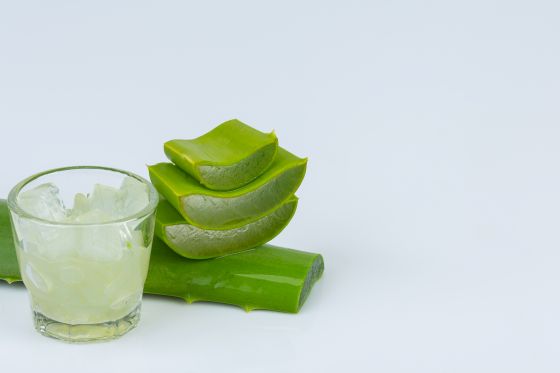
Aloe Vera is a widely and extensively used ingredient in cosmetic industry since its potential in anti-ageing of the skin is unraveled. Aloe Vera is one of the best natural agents capable of reducing fine lines and wrinkles on the ageing skin. Its potential to intensely hydrate your skin providing a moisturized, supple look makes it the favorite ingredient in many brands of face packs.
Aloe is a plant that grows in hot, dry climates in subtropics. The scientific name of Aloe vera is Aloe barbadensis miller. It belongs to Asphodelaceae (Liliaceae) family.
Aloe Vera plant has triangular, fleshy leaves with serrated edges. Its flowers may be yellow tubular and its fruit contain numerous seeds.
The leaves of Aloe Vera are composed of three layers. An inner clear gel that contains 99% water and rest is made of glucomannans, amino acids, lipids, sterols and vitamins. The middle layer of latex with the bitter yellow sap contains anthraquinones and glycosides.
The outer thick layer has protective function and helps to produce carbohydrates and proteins.
The story of Aloe Vera while flipping through the pages of history.
Aloe Vera has been used as a cosmetic since antiquity. The ancient Greek scientists had given this plant great importance. The Egyptians considered Aloe Vera as “the plant of immortality.”
The name Aloe Vera is derived from the Arabic word “Alloeh” meaning “shining bitter substance,” while “vera” in Latin means “true.”
Aloe Vera has gathered immense popularity since time immemorial as a medicinal plant in Greece, Egypt, India, Mexico, Japan and China for centuries.
It is a curious and interesting fact that Egyptian queens Nefertiti and Cleopatra used Aloe Vera gel as one of the main ingredients of their regular beauty regimes.
The Macedonian emperor Alexander the Great, and Italian explorer and navigator Christopher Columbus were aware of its healing properties and used aloe vera to treat wounded soldiers.
Aloe vera is grown in dry arid regions of India, mostly cultivated in Rajasthan, Andhra Pradesh, Gujarat, Maharashtra, Kerala and Tamil Nadu.
Nutritive value of Aloe vera
Aloe Vera is an abundant source of several important vitamins and minerals. It contains vitamin A (beta-carotene), C and E, which are antioxidants. Aloe Vera is also a great source of vitamin B12, folic acid, and choline. Minerals calcium, chromium, copper, selenium, magnesium, manganese, potassium, sodium and zinc are also present in Aloe Vera.
Aloe Vera has anti-inflammatory properties due to the presence of enzyme Bradykinase. It helps to reduce excessive inflammation when applied to the skin topically.
Good effects of Aloe Vera on your skin
Aloe Vera has been a gathering unprecedented significance in the cosmetic industry, as various clinical trials and studies have vividly suggested the potential of aloe Vera as a good moisturizing and hydrating agent for the skin. It is an excellent topical agent having anti-ageing properties and used for enhancing the beauty of skin reducing wrinkles considerably.
Aloe Vera is used as one of the major ingredients in several natural face packs and hair packs to accentuate the beauty.
Aloe Vera possesses several properties beneficial to skin &hair.
Antioxidant properties
Aloe Vera is rich in vitamins A (beta-carotene), C and E, which are antioxidants and helps to remove or free radicals causing oxidative stress to your skin.
Anti-inflammatory action
Bradykinase enzyme in aloe Vera helps to reduce excessive inflammation to the skin as a topical agent
Antibacterial properties
Aloe vera is a source of Lupeol, salicylic acid, urea nitrogen, cinnamonic acid, phenols and sulfur. All these have inhibitory action on fungi, bacteria and viruses.
Wound healing
Aloe Vera has polysaccharide compounds which can increase skin fibroblast activity and proliferation, and thus collagen production which may lead to wound healing and repair. Aloe gel not only increases collagen content of the wound but also changes collagen composition (more type III) and increased the degree of collagen cross linking. Due to these properties, aloe Vera gel can boost wound contraction and increased the breaking strength of resulting scar tissue of wound.
An increased production of hyaluronic acid and dermatan sulfate in the granulation tissue of a healing wound following oral or topical treatment with aloe vera has been reported.
Anti-ageing properties
Aloe Vera also has Glucomannan, a mannose-rich polysaccharide, and gibberellin, a growth hormone which can increase collagen production which gives strength and tightness to your skin preventing wrinkles.
Furthermore, the antioxidant vitamins A (beta-carotene), C and E protect your skin from free radical mediated injury or oxidative stress.
Anti-inflammatory properties
Bradykinase enzyme in aloe Vera helps to reduce excessive inflammation on skin. Aloe Vera can prevent excessive inflammation on skin tissue as It inhibits the cyclooxygenase pathway and reduces prostaglandin E2 production from arachidonic acid.
Recently, the novel anti-inflammatory compound called C-glucosyl chromone has been isolated from aloe vera gel extracts.
Aloe vera hydrates your skin.
Aloe Vera improves hydration of your skin and gives moisturized supple look. Mucopolysaccharides in aloe Vera facilitates binding moisture into the skin.
Protects against U V radiation damage to skin
Aloe vera gel as a topical application has a protective effect against radiation damage to the skin. A study shows that following the administration of aloe vera gel, an antioxidant protein, metallothionein, is generated in the skin, which scavenges hydroxyl radicals. It also prevents suppression of superoxide dismutase and glutathione peroxidase in the skin. It reduces the production and release of skin keratinocyte-derived immunosuppressive cytokines such as interleukin-10 (IL-10).
Skin diseases are improved by aloe Vera
Topical use of aloe is promoted for acne, lichen planus (a very itchy rash on the skin or in the mouth), oral submucous fibrosis, burning mouth syndrome, burns, and radiation-induced skin toxicity.
Is aloe Vera safe for consumption?
Generally, it is believed that prolonged use of laxative has been linked to increased risk of colorectal cancer. Laxative effect may cause electrolyte imbalances also. According to the U.S. Food and Drug Administration ruling of 2002 manufacturers need to remove aloe from over-the-counter laxative products because of a lack of safety data. Anthraquinones present in latex are a potent laxative. It increases intestinal water content, stimulates mucus secretion and increases intestinal peristalsis. Aloe Vera preparations in over dose may produce abdominal cramps, diarrhea, red urine, hepatitis, dependency or worsening of constipation. So excessive intake of aloe vera is not recommended.
However, it’s very safe and effective on skin as an anti-ageing topically applied agent. Those who have allergy to raw aloe vera gel may use synthetic or company made aloe vera gels of various brands.
Contraindication to consume aloe vera:
1. The intake of aloe Vera is contraindicated in people having known allergy to plants in the Liliaceae family.
2. Oral aloe is not recommended during pregnancy as it may stimulate uterine contractions.
3.It is contraindicated in breastfeeding mothers, as it may sometime causes gastrointestinal upsets to the baby.
Clinical trials data for benefits of aloe Vera on skin diseases
Seborrheic dermatitis, psoriasis vulgaris, genital herpes, skin burns, diabetes (type 2), HIV infection, cancer prevention, ulcerative colitis. Pressure ulcers, mucositis, radiation dermatitis, acne vulgaris, lichen planus, frostbite, aphthous stomatitis, and constipation have been benefited by aloe vera gel application as a topical agent.
Results of studies regarding the role of aloe Vera on wound healing are mixed with some studies reporting positive results while others showing no benefits.
Written by dr sanjana p
References for further reading
Anti-inflammatory action: Aloe vera inhibits the cyclooxygenase pathway and reduces prostaglandin E2 production from arachidonic acid. Recently, the novel anti-inflammatory compound called C-glucosyl chromone was isolated from gel extracts. https://pubmed.ncbi.nlm.nih.gov/9579551/
West DP, Zhu YF. Evaluation of aloe vera gel gloves in the treatment of dry skin associated with occupational exposure. Am J Infect Control. 2003;31:40–2. https://pubmed.ncbi.nlm.nih.gov/12548256/
DASH diet is well- known for improving hypertension and heart health. However studies show that it offers several other health benefits for people having diabetes, metabolic syndrome, colon cancer , PCOS etc.
Over a couple of decades, lifestyle diseases have conquered the health of urban as well as rural populations alike, enhancing the mortality rate from heart attacks, stroke, various types of cancers etc. Globally around 19.8 million people died from cardiovascular diseases in the year 2022. Out of these 85% deaths were due to heart attacks and strokes.
The deteriorating heart health is a serious concern which needs timely intervention to prevent increasing mortality from heart attacks. Generally cardiovascular diseases arise from behavioral and environmental risk factors such as unhealthy habits of smoking, tobacco use, unhealthy diet with excessive fat, salt and sugar. Obesity, Physical inactivity, air pollution, alcohol intake are the other contributory risk factors. Both men and women are victims of obesity and sedentary, unhealthy lifestyles enhancing their risk for life style diseases particularly heart attacks.
Life style modifications to prevent heart attacks
Healthy heart can be achieved through consistent and steady healthy lifestyle practices and prevention of environmental risk factors.
It is crucial to identify the risk factors posing threat to the health of your heart through early screening tests. Early detection of the enhanced risk helps to prevent the incidence of heart attacks.
Lifestyle modifications are inevitable for achieving a healthy heart. Of late lifestyle medicine clinics are giving emphasis to life style changes for all for preventing heart attacks and other cardiovascular events.
It encompasses healthy habits, healthy diet and environment and mind body relaxation techniques, restorative sleep , physical activity, positive social connections. All these lifestyle modifications are targeting at reducing the risks leading to cardiovascular diseases.
lifestyle changes mustinclude :
Fostering behavioral changes
Healthy habits to prevent heart diseases
Quit smoking
Avoid alcohol intake
Reduce stress
Increase moderate physical activity
Mind body relaxation
Avoid exposure to polluted air & smoke from automobiles etc.
2.Adopting a healthy nutrition plan
Healthy diet for heart
There are several dietary patterns for healthy heart such as Mediterranean diet, DASH DIET etc. DASH diet is discussed here as it also helps to reduce the impact hypertension on the heart.
DASH diet – A comprehensive overview
DASH – Dietary Approaches to Stop Hypertension.
Although in the beginning of 90s DASH diet was given emphasis to reduce hypertension [ high B.P] later its good effects were proved in the management of various other conditions also.
DASH diet includes whole grains, fruits, vegetables, nuts, fish, lean meat and low-fat dairy foods etc. Fruits and vegetables provide nutrients like potassium, calcium, magnesium, and fiber that are important for fighting high blood pressure. These nutrients also can improve insulin resistance and glucose levels
The DASH diet recommends
more whole-grain foods, fish, poultry,nuts. Lean meat is recommended while red meat is limited.
Healthy fats, such as olive and canola oil or avocados, nuts are included in DASH diet.
The diet limits sodium, sweets, sugary drinks, and red meats.
Foods that are high in saturated fat, cholesterol, and trans fats are restricted or limited.
How to change your daily diet to DASH diet?
You can not make a tectonic shift in your current lifestyle instantly. It needs steady and consistent efforts motivating yourself or by taking the service of a nutrition expert or life style health provider. The results do happen if you adhere to this plan of lifestyle modification and practice it consistently.
1. Include low glycaemic index fruits like berries, plums, grape ,oranges etc. to your meals or as a snacking item. Canned and dried fruits are easily available for use but with no added sugar or salt in them.
2. Reduce the consumption of butter, margarine, or fatty salad dressing and consume low-fat or fat-free items.
3. Consume low-fat or skimmed dairy products
4. Include more vegetables like kale, broccoli, spinach etc. to your diet.
5. Restrict eating fried items or sweets. Eat unsalted nuts, raisins, low-fat and fat-free yogurt, frozen yogurt.
6. While purchasing packed foods, read food labels to choose products that are lower in sodium.
Healthy carbohydrates included under DASH:
Carbohydrates in the DASH diet are mainly composed of cellulose and starches. It is mainly present in plant fiber. Reducing carbohydrates in the diet or eating “low carb diet” is not as healthy as that may lead to decreased caloric intake than recommended or consumption of unhealthy fats as a substitute.
Consume whole grains: cracked wheat, millets, oats etc.
Green leafy vegetables & fruits recommended in DASH
Kale, broccoli, spinach, collards, mustards are included.
Fruits:
Low glycemic index fruits such as cherries, grapes , pears ,oranges ,apples ,plums ,berries are recommended
Protein sources recommended in DASH diet:
Legumes and beans are included chiefly in this diet. DASH recommends more servings of plant proteins like legumes, soy products, nuts, and seeds. Animal protein in the diet mainly includes lean meats, low-fat dairy, eggs, and fish.
Processed meat is not recommended as they have the potential to be carcinogenic [causing cancer] or may raise blood pressure.
Healthy fats in DASH diet:
Healthy fats prevent inflammation, provide essential fatty acids, and help general health. When consumed in moderation, these fats have been shown to increase HDL and lower small dense LDL particles.
Some of the sources of good fats also included in DASH include:
Olive oil, Avocados, Nuts, Hemp seeds, Flax seeds, Fish rich in omega-3 fatty acids
Minerals- recommended sources in DASH diet:
DASH diet recommends intake of foods rich in potassium, calcium, and magnesium as these prevent endothelial dysfunction and promote endothelial, smooth muscle relaxation.
Some of the foods rich in potassium include bananas, oranges, and spinach.
Calcium is found in good amounts in dairy products and green leafy vegetables.
Magnesium is present in a variety of whole grains, leafy vegetables, nuts, and seeds.
Benefits of DASH diet in cardiovascular health
Helps to reduce high blood pressure
Reduce the risk for heart disease, heart failure, and stroke
Help prevent or control type 2 diabetes
Reduce bad cholesterol levels.
According to NIH [U.S.A] the recommended DASH diet is served as follows:
Grains 6–8 servings/day
Meats, poultry, and fish 6 or less servings/day
Vegetables 4–5 servings /day
Fruit 4–5 servings/day
Low-fat or fat-free dairy products 2–3 servings/day
Fats and oils 2–3/day
Sodium 2,300 milligrams (mg) or 1,500 mg of salt (sodium) per day
Nuts, seeds, dry beans, and peas 4–5 servings weekly
Sweets 5 or less servings weekly.
DASH diet – role in diabetes , metabolic syndrome,polycystic ovarian syndrome & colon cancers.
Extensive research studies have been conducted all over the world to unravel the good effects of DASH diet beyond its potential to make a positive impact in the management of high blood pressure [ hypertension].
Several studies have shown that the DASH diet helps lower blood glucose levels, triglycerides, LDL-C, and insulin resistance. All these are major risk factors if brought under control by a dietary modification the health is protected against diabetes , heart attacks, stroke , cancers , metabolic syndrome and much more. The research study gives great hope for the management of non-communicable diseases through lifestyle modification.
DASH diet helps to reduce the risk for heart attack and stroke in people suffering from metabolic syndrome. DASH diet is prescribed as an adjunct to pharmacological therapy in metabolic syndrome [high blood pressure, high cholesterol and high blood sugar]. Metabolic syndrome is often associated with excess fat around waist or central obesity
DASH diet also reduces the risk of colon cancer
Studies have shown a reduction in the incidence of colorectal cancer.
According to a study DASH diet has been found helpful toreduce insulin resistance and central obesity in women having polycystic ovarian syndrome [PCOS].
Of late PCOS is posing great health complications in women of reproductive age group being an impediment to fertility as it alters hormonal balances causing anovulation. DASH diet can be recommended for women having PCOS to improve insulin resistance and re establish hormonal balance. It also helps in addressing truncal obesity in PCOS women.
One study corroborates this finding as it concludes that following the DASH diet for 8 weeks in overweight and obese women with PCOS resulted in the improvement of insulin resistance, serum hs-CRP levels, and abdominal fat accumulation [4].
Research studies show that the monounsaturated fats and polyunsaturated fats of foods chosen in this dietary pattern can help to improve insulin, androgens, and cholesterol levels in women with PCOS.
Nuts are main ingredients of DASH diet. They are rich infiber, omega-3 fatty acids, protein, and essential vitamins and minerals.
* Dash diet helps for lowering blood pressure, particularly in diabetic patients.
* The DASH diet has been recommended as the best dietary choice for obese people who want to lose weight, maintain a healthy weight and lower the blood pressure.
DASH diet not only improve your heart health but overall health . If you are on the verge of metabolic syndrome, hypertension, obesity, polycystic ovarian syndrome, DASH diet may help you. However, consulting a health care provider is recommended if you have complex health issues.
Indian gooseberries are used widely as a fruit for consumption as well as for culinary uses. They possess numerous properties that are beneficial to health including antiaging, anticancer, anti-diabetic and anti-inflammatory properties.
Goosberries are part of Indian cuisines and the ancestral memories of every Indians as a sweet and bitter fruit. It is known for its nutritious potential since antiquity. Gooseberries are linked to in Indian history as a fruit which is revered in ancient texts like Charaka Samhita (800 BCE) and Sushruta Samhita (600 BCE). It is referred as a supreme rejuvenating herb for hair, skin, and overall vitality in ancient texts.
Indian gooseberry is commonly known as Amla. Its scientific name is Phyllanthus emblica and belongs to Euphorbiaceae family.
The gooseberry tree commonly grows to a height of 1–8 metres. The tree may grow with abundant light green leaves and greenish yellow flowers. The fruit is nearly spherical, light greenish–yello. It may be smooth and hard on appearance, with six vertical stripes or furrows. The fruit is up to 26 millimetres in diameter.
Nutritional facts
Indian gooseberry is a rich source of vitamin C and full of various other types of antioxidants as well.
Gooseberries are used widely as a fruit for consumption as well as for culinary uses. They possess numerous properties that are beneficial to health including antiaging, anticancer, anti-diabetic and anti-inflammatory properties.
Generally, gooseberries are low in calories and fat and thus safe to include as part of diet for obese people also. It contains carbohydrates [70 g/100 g dry weight] and fibers[7.2–16.5 g/100 g DW].
Indian gooseberries are abundant source of antioxidants such as phenolic compounds, flavonoids and vitamin C.
They contain minerals iron, calcium and phosphorous. Many studies show the presence of ellagitannins, which includes chebulinic acid, chebulagic acid, corilagin, emblicanin A and B, geraniin, isocorilagin, pedunculagin, phyllanemblinins A–F, and punigluconin in gooseberries.
Health benefits of Indian gooseberries
• Anti-ageing properties
Vitamin C an effective antioxidant as well as collagen improving agent is abundant in gooseberries. It helps to prevent wrinkles on skin and helps to maintain the tone and strength of skin.
• Antioxidant properties
Polyphenol and vitamin C antioxidants of gooseberries help in free radical scavenging and thus prevent the threat of serious morbidities to vital organs.
• improves digestive health &immunity
The antioxidants such as gallic acid, ascorbic acid and phenolic compounds of gooseberries boost the body’s immune system as well as digestive processes.
•Protects heart and cardiovascular system
Owing to the anti- cholesterol and antiatherogenic properties gooseberries boost cardiovascular system health in human body. It helps to prevent heart attacks and stroke preventing clot formation within blood vessels.
•Protects nervous system
The polyphenols of gooseberry have antioxidative potential and neuro protective properties.
• Lowers blood sugar
The antioxidant compounds in gooseberries help to reduce blood sugar level.
• Improves hair health
Vitamin C and antioxidants of gooseberries boost hair growth and imparts strength to hair strands.
•Anticancer potential
The polyphenols prevent oxidative stress to cells of human body. They also produce pro-inflammatory chemicals, prevent DNA damage, and increase apoptosis or cell death of worn out and abnormal cells. This apoptosis process is crucial in preventing morbid as well as normal cell growth uncontrollably in cancer. Therefore, eating gooseberries are very beneficial in mitigating the cancer risks.
Research updates about Indian gooseberry
• Experimental studies indicate that gooseberry and some of its phytochemicals such as gallic acid, ellagic acid, pyrogallol, some norsesquiterpenoids, corilagin, geraniin, elaeocarpusin, and prodelphinidins B1 and B2 also possess anticancer effects.
It helps free radical scavenging, antioxidant, anti-inflammatory activities which reduce cancer risks in the population.
• According to a study at human level, a 500 mg gooseberry extract intake (twice a day) for three months reduced the highly sensitive C-reactive protein (CRP), total cholesterol, and LDL levels in Class I obese subjects. This may have a cardioprotective effect reducing heart attacks and other diseases.
• As per data from yet another study ellagic acid and ascorbic acid could reduce the activity of key enzymes involved in glucose digestion and therefore possess antidiabetic properties.
•polyphenols have been indicated to protect gastrointestinal organs. Gooseberries have the potential for inhibition of clarithromycin-resistant Helicobacter pylori strains in vitro, since this microorganism is a known cause of gastric ulcers
How to include gooseberry include gooseberries in your daily foods?
It is an edible fruit as such. However, to make it more palatable it can be used for making various types of:
• Jellies
• Salad ingredient
• Wine
• dessert
• Jams
Safety &caution
No adverse side effects have been reported if gooseberries are consumed in adequate amounts. Excessive usage may affect lowering the blood sugar in patients who are already under diabetic medications.
Gooseberries are good source of vitamin C. excessive intake is not recommended as vitamin C is an important micronutrient helping metabolism. Consume only one gooseberry per day.
written by dr sanjana p
References
European journal of cancer prevention 2011 May;20(3):225-39. doi: 10.1097/CEJ.0b013e32834473f4 PMID: 21317655 DOI: 10.1097/CEJ.0b013e32834473f4 https://pubmed.ncbi.nlm.nih.gov/21317655/
6. Kapoor M.P., Suzuki K., Derek T., Ozeki M., Okubo T. Clinical evaluation of Emblica officinalis Gatertn (Amla) in healthy human subjects: Health benefits and safety results from a randomized, double-blind, crossover placebo-controlled study. Contemp. Clin. Trials Commun. 2020;17:100499. doi: 10.1016/j.conctc.2019.100499 https://pubmed.ncbi.nlm.nih.gov/31890983/
M.M., Joshi M.K. Influence of Emblica officinalis aqueous extract on growth and antioxidant defense system of human hepatoma cell line (HepG2) Pharm. Biol. 2012;50:497–505. doi: 10.3109/13880209.2011.618501. https://pubmed.ncbi.nlm.nih.gov/22133060/
Bharathi M.D., Thenmozhi A.J. Attenuation of Aluminum-Induced Neurotoxicity by Tannoid Principles of Emblica officinalis in Wistar Rats. Int. J. Nutr. Pharmacol. Neurol. Dis. 2018;8:35. doi: 10.4103/IJNPND.IJNPND_23_18 google scholar https://scholar.google.com/scholar_lookup?journal=Int.+J.+Nutr.+Pharmacol.+Neurol.+Dis.&title=Attenuation+of+Aluminum-Induced+Neurotoxicity+by+Tannoid+Principles+of+Emblica+officinalis+in+Wistar+Rats&author=M.D.+Bharathi&author=A.J.+Thenmozhi&volume=8&publication_year=2018&pages=35&doi=10.4103/IJNPND.IJNPND_23_18&
Khanna S., Das A., Spieldenner J., Rink C., Roy S. Supplementatihttps://pubmed.ncbi.nlm.nih.gov/25756303/
It is a well-known fact that serotonin is one of the most essential neurotransmitter molecules that contributes to happiness or sensation of mental well-being in human beings along with dopamine. However, further research studies have found that serotonin plays multiple other important roles in human body. Let us have a glimpse at it.
An overview of serotonin- its structure & functions
Serotonin is a chemical compound that functions primarily as a neurotransmitter and it is found in the brain, gut, and platelets. Low levels of serotonin are linked to depression, while both low and high levels can lead to other physical and psychological health issues, such as serotonin syndrome if there is an excess production or intake of serotonin owing to drug overdosage.
In addition to its role as a neuro signalling molecule it regulates several important bodily functions, including mood, sleep, gastric motility, blood clotting, sexual and urinary functions.
The scientific name of serotonin is 5-hydroxytryptamine [5-HT]. Serotonin is produced in brain and intestine and regulates sleep wake cycles, appetite, mood, and inhibits pain. Serotonin is produced in the raphe nuclei of the brainstem and the enterochromaffin cells of the intestinal mucosa.
The production of serotonin (5-HT) starts in human body using the essential amino acid tryptophan, which undergoes hydroxylation (an oxidation reaction) to 5-hydroxy-L-tryptophan (5-HTP) and decarboxylation to 5-hydroxytryptamine (5-HT). The hydroxylation reaction requires tryptophan hydroxylase, which is considered the rate-limiting enzyme of serotonin production.
Tryptophan hydroxylase is primarily localized to the raphe nuclei of brain and enterochromaffin cells of the intestinal mucosa, which are the main sites of serotonin production.
serotonin production is metabolically dependent on vitamin B6 or pyridoxine also.
Serotonin activity is regulated by its rate of production, release, and metabolism.
Serotonin is popular as a molecule produced by nervous system which can regulate your mood. But serotonin also plays crucial roles in regulating memory, anger, fear, appetite, stress, addiction, sexual pleasure, sleep, pain perception, cerebral vascular tone, and central respiratory drive.
This article explores the extra roles played by serotonin in human body functioning.
Functions of serotonin
on brain & nervous system
Mood and cognition: Helps regulate mood, anxiety, learning, memory, and executive function.
Sleep and wakefulness: Influences sleep-wake cycles and circadian rhythms.
On digestive system
Serotonin increases gastric emptying, gut motility, intestinal secretion, and colonic tone. This is very important for proper digestion, absorption and waste removal from gut.
promoting insulin secretion
lipogenesis or fat deposition in liver and body parts.
Action on lung blood vessels.
increases pulmonary vascular resistance, and may induce remodelling of the pulmonary vasculature.
Act on female reproductive system &urinary functions.
Serotonin has control over urinary functions, uterine blood vessels constriction, uterine muscle tone, maturation of cells of ovary.
Blood clotting:
Causes blood vessels to narrow (vasoconstriction) at the site of a wound to help form clots and heal wounds & injuries.
serotonin is also involved in bone metabolism, liver regeneration, and cell division.
Serotonin production in human body-Role of gut
The nutrients received through the foods you consume everyday have pivotal role in regulating your brain functions and thus in contributing to mental & physical health. Your brain produces many types of neurotransmitters or chemicals for its proper functioning through the help of dietary nutrients. These nutrients help the production and functioning of neurotransmitters and nerve cells of brain.
About 95% of serotonin is produced in the gastrointestinal tract, and the gastrointestinal tract is lined with a hundred million nerve cells, or neurons. It is very clear from this fact that digestive system not only helps to digest food, but also guide the emotions. Therefore, our gastrointestinal tract or gut is considered as our second brain. Problem with gut production and processing of serotonin affect the mood and mental wellbeing.
The production of serotonin is helped by good gut bacteria of intestinal microbiome. These bacteriae play crucial roles in the health, protecting the linings of intestines.
Serotonin deficiency and health impacts
Low serotonin levels are associated with conditions like major depressive disorder, anxiety disorders, and obsessive-compulsive disorder. The detailed list of disorders includes:
Depression and other mood problems.
Anxiety.
Sleep problems.
Digestive problems.
Suicidal behavior.
Obsessive-compulsive disorder.
Post-traumatic stress disorder.
Panic disorders.
Schizophrenia.
Phobias[fears].
Although we are aware only about a few functions of serotonin in human body at present, this neurotransmitter is potentiated to have many other unclear and vague effects on human body. Further extensive research is needed to unravel the role of serotonin in the body in physiological state as well as in disease.
What is serotonin syndrome?
Excessive serotonin activity can cause several pathologic symptoms.It usually happen with drug over intake for managing depression..The symptoms include
shivering
Vomiting
diarrhoea
Arrhythmias or irregular heart beats
Agitation
Excitement
Increased sweating
sleeplessness
Confusion
Anxiety
Increased serotonin levels in the body may lead to a potentially life-threatening condition called serotonin syndrome. It is manifested with symptoms ranging from mild shivering, diarrhea, vomiting to severe muscle rigidity, fever, seizures etc..
How to improve your serotonin levels naturally?
Physical exercise
In order to boost serotonin optimally in your body regular physical exercise is recommended in moderate level.
Regular exercise definitely helps to boost serotonin levels. Thirty minutes of aerobic exercise five times a week plus two strength-training sessions per week may be adequate to improve the mood problems due to serotonin deficiency.
Exposure to sunlight
Getting exposed to sunlight for around 10 to 15 minutes every day may help to boost not only serotonin levels but vitamin D levels too.
Diet
Eating foods rich in tryptophan, such as nuts, cheese, and red meat, can help the body produce serotonin.
Medical treatment
For people with clinically low levels of serotonin medications are prescribed.
Dietary supplements
Tryptophan, probiotics and SAMe.
Herbal supplements: These can include ginseng, St. John’s wort, Syrian rue and nutmeg. Further extensive research is needed regarding herbal supplements.
written by dr sanjana p souparnika
References for further reading
The expanded biology of serotonin
Miles Berger 1, John A Gray, Bryan L RothAffiliations ExpandPMID: 19630576 PMCID: PMC5864293 DOI: 10.1146/annurev.med.60.042307.110802https://pubmed.ncbi.nlm.nih.gov/19630576/
Yabut JM, Crane JD, Green AE, Keating DJ, Khan WI, Steinberg GR. Emerging Roles for Serotonin in Regulating Metabolism: New Implications for an Ancient Molecule. Endocr Rev. 2019 Aug 01;40(4):1092-1107 https://pubmed.ncbi.nlm.nih.gov/30901029/
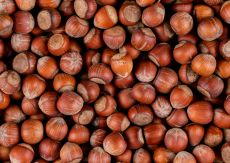
Recently hazelnut has garnered attention of fitness enthusiasts in western countries and Europe due to its potential s to prevent heart attack and stroke. They are rich in vitamin E too.
Hazelnuts are popular snack ingredient of fitness lovers as it aids in losing weight also. Furthermore, this nut has properties for preventing cardiac diseases and for improving gut health.
Botanical information
Hazel nuts are nutrients rich nuts of the hazel tree (Corylus avellana). It is the fruit of the hazel tree and therefore includes any of the nuts deriving from species of the genus corylus especially the nuts of the species corylus avellana.
A hazelnut cob is roughly spherical to oval in shape and it is about 15–25 millimetres long and 10–15 mm in diameter,. It has an outer fibrous husk surrounding a smooth shell, while a filbert is more elongated.
As it ripens the nut falls out of the husk. It happens about seven to eight months after pollination. The seed is edible and can be consumed raw or it can be roasted or ground into a paste.
Health benefits of hazel nuts
1.improves digestion
Hazelnuts are a good source of dietary fiber which helps bowel motility and improves bowel health preventing constipation.
2. antioxidant potential
These nuts are rich in vitamin E and the antioxidant help to improve the health of your skin, hair and nervous system.
3.improves cardiovascular health
Hazel nuts help to reduce cholesterol and blood sugar level. A few research studies suggest that they are potentiated to reduce insulin resistance.
Hazel nuts help to reduce the risk for cardiovascular diseases reducing the impact of these risk factors.
4. used for weight loss
The role of hazel nuts in obesity reduction is not confirmed. However a few studies with small sample size suggests its role in in weight reduction.
Hazel nuts as a part of your diet
It is a nutritious nut that can be included to all your snacks and confectionaries in moderate amounts.You may use hazel nuts with breakfast cereals and salad dressings.
Caution & safety in consuming hazel nuts
Generally hazel nuts are very nutritious nuts consumed by the global population. However, there is a caution for use by people having allergy to hazel nuts.