
Category: wellness& habits

  • Tangerine

    Tangerines are nutrtious fruits rich in vitamin C , low in calories and fats.& a good source of fiber and important minerals. Have a glimpse into the health benefits of tangerines.

    Do you love to have fresh yummy tangerines? The fruit with sweet to tart taste grow on small trees or shrubs with spiny shoots and evergreen leaves. Tangerines have flowers too. Comparing with oranges, the skin of some varieties of tangerines tends to be loose and peels off more easily. Furthermore, the taste is sourer, or tart, than that of an orange.

     It is easy to recognize good quality tangerines. They will be firm to slightly hard, heavy for their size, and pebbly-skinned with no deep grooves & reddish-orange in color.

    The tangerine are usually cultivated in tropical and subtropical areas. The tree is more tolerant to drought than the fruit. The tree is easily damaged by cold or winter.

    Nutritional facts about tangerines

     These fruits are rich in vitamin C and low in calories and fats. It also a good source of fiber and minerals such as sodium, potassium , calcium and magnesium also. Therefore, tangerines can be a good addition to your healthy diet plan.

    Tangerines also contain antioxidants flavonoids and phenolics. Antioxidants can protect your body against free radicals and many serious illnesses.

    Health benefits of Tangerines

    • Antioxidants to prevent free radical damage to cells

    Tangerines are rich source of vitamin C antioxidant and several other antioxidants which fights against free radicals induced oxidative stress to your body. It is very notorious that free radicals are the morbidity causing agents . They are generated by human body as byproducts of metabolism and a few free radicals reach human body from exposure to environmental toxins. Tangerine antioxidants are potent enough to manage oxidative stress occuring to body. Oxidative stress induced by free radicals is the major cause of many grave chronic diseases.

    • Anti-inflammatory properties

    Tangerines are rich sources of vitamin C and hence protect the body against infections as well as inflammations.

    • Anti-aging properties

      The antioxidants can delay the signs of ageing preventing oxidative stress to cells on the skin and vital organs caused by the free radicals. Antioxidants, particularly vitamin C helps to boost collagen and reduce fine lines and wrinkleson skin

    • Delays age related degeneration

     The vitamins in this fruit prevents age related degenerative changes to skin and vital organs.

    • Antidiabetic properties

    Tangerines can reduce blood sugar levels if consumed in moderate levels.

    • Boosts immunity

    Tangerines are rich in vitamin C and A and therefore helps to boost immunity.

    • Improves digestion

    Fibers in tangerines help to improve digestion

    • Boosts heart health

    Tangerines contain nobiletin antioxidants that helps to improve cardiac function.

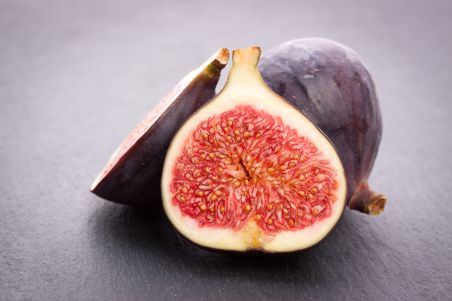
  • Figs

     Figs are edible fruits known to us since antiquity and they are available in nature in greenish purple in colors. Of late figs are consumed by more people understanding its nutritional value and the health benefits they provide to human body.

    When you delve deeper into the origin of figs consumption it may date back to ancient times.It is an integral part of Mediterranean diet since many centuries. Indian systems of medicine also use fig for managing reproductive, hormonal and immunological problems.

    Figs [ Ficus carica L] belong to moraceae family. These lush green purple fruits are mostly cultivated in Asian &Mediterranean regions.  It is an integral part of the diet of people residing near Mediterranean sea.

     There are four types of fig fruits, i.e., Caprifigs, Smyrna, San Pedro, and Common figs. Around 800 different fig varieties cultivated in almost 50 countries all over the world.

      Historical significance

    The figs were one of the principal articles of sustenance among the Greeks.

    It was one of the earliest fruit trees to be cultivated, and its cultivation spread in remote ages over all the districts around the Aegean Sea and throughout the Levant.

     Attic figs became celebrated in the East, and special laws were made to regulate their exportation.; the Spartans especially used it at their public tables

      Figs were consumed since ancient times and has great significance in Roman Empire.

    Figs are mentioned in holy books like the Bible and the Quran.

    Nutritional value of figs – A treasure trove of antioxidants

      Figs are well known for their antioxidant, anti-inflammatory and anticancer properties. Figs contain flavonoids, phenolic acids, carotenoids, and tocopherols antioxidants.

    Polyphenols and carotenoids are the two major categories of phytochemicals found in figs. The major classes of polyphenols in figs include phenolic acids, flavones, flavonones, flavonols, anthocyanins, and proanthocyanidins[3].

    Figs are comparatively low in fat. Fig consumption provides moderate number of calories mostly from carbohydrates. However, it can cause blood sugar spike immediately after eating. That is figs are high glycaemic index foods.

    The minerals potassium and magnesium present in figs are crucial for the health of bones and cardiovascular system.

    Figs are good source of vitamins too. They provide thiamine, vitamin B6 and vitamin K and these vitamins are crucial for the health of nervous system and bones. Vitamin K is essential for blood clotting.

    Figs contain calcium, potassium, phosphorus and iron in considerable amounts.

    Figs are rich in fiber and nutrients, and low in calories and hence good for gut health and reducing blood cholesterol.

    A small to medium sized fig provides around 1- 1.45 grams of fiber.

    Epicatechin is the most abundant phenolic compound in dried fig fruits, with a level of 25.4 mg/100 g DW in cultivar “Bela Petrovka” of Ficus carica. Its content is up to three times that of fresh figs. It is a good antioxidant.

    Fig fruits are a rich source of flavonoids antioxidants.

    The major flavonoids found in figs are quercetin and luteolin, which have a total of 631 and 681 mg/kg, respectively. The fruit skin has more flavonoids than the pulp.

    Health benefits of figs

    Figs offer numerous health benefits due to the presence of antioxidants, vitamins and minerals in them.

    • Figs can improve digestive health

    Figs are rich in fibers and helps digestion. It helps to prevent constipation.

    • Figs are good source of antioxidants.

    Phenolic compounds in figs help to reduce oxidative stress to body cells induced by free radicals.

     Anti-oxidants may help to prevent cancer and neurodegenerative disorders of brain including Alzheimer’s diseases, Parkinson’s disease etc. Phenolic compounds in figs can play a significant role in protecting biological cells from hydrogen peroxide free radical damage [5].

    • Figs help bone and heart health

    Figs contain potassium and magnesium in good amounts; they help to sustain heart & bone health.

    • Antimicrobial and anti-inflammatory properties

    Figs are rich in flavonoids and tannins which help to protect from microbial activity and infections.

    Cautionary warnings for fig consumption

    Generally, figs are highly nutritious fruits beneficial to improve health if consumed in moderation.

    However, it is a fruit rich in vitamin K. Vitamin k is a factor helping in blood clotting. However, there is a cautionary warning for those who are on blood thinner medications for cardiovascular events prevention.

     Anticoagulant medications are blood thinners for preventing clots. Those who are on anticoagulant medications must check their vitamin k levels if they are taking figs regularly.

     Fig allergies are common in some people; particularly those who are allergic to birch pollen may have fig allergy. If so, consume fig only after talking to your healthcare provider.

    Excessive eating of figs may cause burning sensation on tongue.

     Figs in your diet plan

    Fresh fig fruits are edible after washing and peeling its outer skin. Dried figs also are commonly eaten after soaking and softening it in water. It can be added into your diet plan in numerous ways.

    • Figs are used as chief ingredient of dessert and smoothies.
    • Figs in salads
    • Fig toast
    • Fig snack bars
    • Fig rolls

    Fig consumption in moderate amounts may boost your digestive, cardiovascular and bone healths. Enjoy the delicious fruit in many ways at frequent intervals in a month.

    References :

    1.  Sarkhosh A., Andersen P.C. The Fig. UF/IFAS Extension. 1994. https://edis.ifas.ufl.edu [Ref list]

    2.  Arvaniti O.S., Samaras Y., Gatidou G., Thomaidis N.S., Stasinakis A.S. Review on Fresh and Dried Figs: Chemical Analysis and Occurrence of Phytochemical Compounds, Antioxidant Capacity and Health Effects. Food Res. Int. 2019;119:244–267. doi: 10.1016/j.foodres.2019.01.055. https://pubmed.ncbi.nlm.nih.gov/30884655/

    3. Vinson J.A. The Functional Food Properties of Figs. Cereal Foods World. 1999;44:82–87. [Google Scholar] [Ref list]

    4. https://fdc.nal.usda.gov/fdc-app.html#/food-details/173021/nutrients

    5. https://onlinelibrary.wiley.com/doi/10.1155/2022/6597092

  • Endocrine disruptors – Chemicals from our daily use products disrupt hormonal balance?

    Have you heard about endocrine disruptors and serious health problems consequent to exposure to these compounds? Endocrine disrupting chemicals (EDCs) are compounds accumulating in human body from environment, food products, personal care products etc.

    Everybody is aware of the devastating impact of plastics on our ecosystems. The chemicals in plastics and various other consumer products are endangering the health of human beings as well as other organisms in the biosphere. Endocrine disruptors are some of these chemical compounds specifically acting o glands and eventually cause life threatening morbidities and disabilities.

    These chemical compounds are grouped under Endocrine disruptors as the name indicates they disrupt the hormonal rhythm of human body. What are these compounds and how do they reach human body?

    Before delving deep into the nature of these chemical compounds let us have a glimpse into the hormonal [ endocrine] system of human body.

    Endocrine system

     The endocrine system plays a pivotal role in coordinating proper functioning of the human body. Hormones play crucial roles in  co-ordinating several biological processes such as growth, metabolism, fertility, and reproduction in humans.

      Hormones are signaling molecules secreted by glands in human body, but cause significant developmental and biological effects in human body with the slightest variation in their levels.

    The major hormones produced by the human body includes thyroid hormones, insulin, pituitary hormones, sex hormones such as estrogen, progesterone, testosterone etc.

    Apart from these, adrenalin, noradrenalin, cortisol are hormones produced by adrenal glands which play crucial role in the body in managing the stress response.

    What are endocrine disruptors?

     Endocrine disrupting chemicals (EDCs) are compounds accumulating in human body from environment, food products, personal care products etc.

    These substances are detrimental to the body as they interfere with the normal functioning of the hormonal system. EDCs can be natural as well as man-made origin and they reach the organ systems through diet, air, skin, and water.

    The importance for awareness about endocrine disruptors

    Recent research studies focus more on endocrine disrupters as these substances show close connection with several serious health problems in males as well as females. It has been pointed out by several previous studies that EDCs cause infertility, nervous system & respiratory system diseases, cardiovascular diseases etc.  Furthermore, EDCs are linked with obesity, diabetes, learning disabilities and several other grave ailments.

     How do endocrine disruptors cause diseases?

      There are various types of endocrine disruptors .Some EDCs can function as “hormone mimics” and the body misinterpret them as hormones and cause disruption in hormonal rhythm of your body. While  a few  other groups of EDCs block natural hormonal functions in the body. All Hormones have specific functions to do in human body and any slightest error can upset the body functions at various levels.

    Some types of EDCs can affect the level of hormones in your blood as they can affect the production, breaking down, or storage of hormones. Moreover, a few EDCs can change the sensitivity of the body to different hormones.

    Common types of endocrine disrupting chemicals [ EDCs]

      The endocrine disrupters have detrimental impact on human body in myriad ways and  quite often it is grave too. According to the Endocrine Society, around 85,000 human-made chemicals in the world, and 1,000 or more of these substances can work as endocrine disruptors. These include

    • Industrial chemicals and pesticides

     Some well-known examples of this category includes DDT, Chlorpyrifos, Atrazine, 2, 4-D, Glyphosate.

     These pesticides reaching the food chain can cause unpredictably grave adverse impacts to the organ systems of human body.

    Perchlorate is a colorless salt manufactured and used as an industrial chemical to make rockets, explosives, and fireworks. This compound can also be found in some groundwater sources and can cause health hazards.

    • Household chemicals

             Lead, Phthalates, Cadmium are a few toxic chemicals reaching from household items of children. Bisphenol A (BPA), Phthalates, Phenol are found in plastics and food storage materials.

    Bisphenol A (BPA) is used to make polycarbonate plastics and epoxy resins. It is used in manufacturing, food packaging, toys, and other applications. BPA resins may be found in the lining of some canned foods and beverages.

    Phthalates are a large group of compounds used as liquid plasticizers. They are found in some food packaging, cosmetics, fragrances, children’s toys, and medical device tubing.

    Some cosmetics of your daily use are sources of phthalates.These include nail polish, hair spray, aftershave lotion, cleanser, and shampoo.

    • Fabrics treated with flame retardants
    •  Cosmetics

    Cosmeticssuch as lotions, products with fragrance, and anti-bacterial soaps etc. Triclosan is an ingredient that was previously added to some antimicrobial and personal care products, like liquid body wash and soaps.

    • Processed foods
    • Soy-based products

    The phyto estrogens in soy products can mimic oestrogen hormone in women of reproductive age group and act as an endocrine disruptor.

    • Industrial solvents and lubricants contain Polychlorinated biphenyls (PCBs) and Dioxins. Also Brominated Flame Retardants.

     PCBs found in building materials are endocrine disruptors.

    (PCBs) were used to make electrical equipment, such as transformers, and are in hydraulic fluids, heat transfer fluids, lubricants, and plasticizers. PCBs were mass-produced globally until they were banned in 1979.

    Endocrine disruptors [EDCs] and their adverse health effects

    Studies that pertain to the impact of EDCs on human health requires cutting edge research in future as corroborative evidences. However, currently it has been found that EDCs can cause:

    • Neurological and behavioral changes
    • Difficulty with stress response.
    • Impact on metabolism
    • obesity and type 2 diabetes
    •  interfere with thyroid function
    • infertility

    Some classes of EDCs (DDT, BPA, phthalates, PCBs, others) can affect reproductive health by mimicking or blocking the effects of male and female sex hormones

    •  affect growth and development
    • High exposures to EDCs during gestation can lead to low-birth weight in infants and developmental problems.
    • Disrupted sexual development
    • Low immunity
    • Cancer

    Exposure to estrogen or androgen mimicking EDCs can promote breast and prostate cancer growth and/or interfere with hormonal cancer therapy

    • Impact of EDCs on fetuses and children

    High exposure to endocrine disrupting chemicals during gestation or pregnancy can have adverse impact on foetus causing developmental delays and numerous other problems in children as they grow over the years.

    Do endocrine disruptor compounds enhance the risk for breast cancer?

    It has been suggested that EDC exposures may potentially increase the risk of breast cancer. It is a fact that most of EDCs are highly persistent in the environment and bio-accumulative. However, it has to be researched meticulously to assess  the long-term impacts of EDC exposures.

     It is recommended that well-designed exposure assessments of potential EDCs in food and food packing are necessary and their potential link to breast cancer development need to be carefully evaluated.

    Phthalates -an important endocrine disrupting chemical  banned by European countries

      Phthalates are chemicals that are used in a variety of cosmetic and personal care products such as hair care products (hair sprays, mousses, and gels), deodorants (including antiperspirants), nail polishes, lotions , skin cleansers, and baby products (oils, lotions, shampoos and diaper creams). The United States and the European Union are currently regulating several phthalates including DEHP and DnBP in children’s products, and it is known that similar action is underway in Canada also.

      According to studies diethyl phthalate (DEP), dimethyl phthalate (DMP), diisobutyl phthalate (DiBP), di-n-butyl phthalate (DnBP) and di(2-ethylhexyl) phthalate (DEHP) were detected mostly in these products.

    The European Union has banned DnBP and DEHP as both are classified in the European Union as category 2 substances to reproduction, which can impair fertility, or if they cause developmental toxicity in humans.

    conclusion 

    It is impossible to avoid or prevent EDCs encroachment into your life and environment as they are part of most of the daily use products; however their impact can be considerably mitigated by deliberate avoidance of those substances which can act as an endocrine disruptor.

    written by dr sanjana p

    References  for further reading:

    1. https://pubmed.ncbi.nlm.nih.gov/33819127/
    2. https://www.sciencedirect.com/science/article/abs/pii/S0013935111000284
    3. Endocrine Society.”Endocrine-Disrupting Chemicals (EDCs) | Endocrine Society.” Endocrine.org, Endocrine Society, 2 February 2024, https://www.endocrine.org/patient-engagement/endocrine-library/edcs
    4. https://pubmed.ncbi.nlm.nih.gov/31719706/
    5. https://pubmed.ncbi.nlm.nih.gov/32903210/
    6. image courtesy-freepik
  • Cinnamon Health benefits

    Are you fond of cinnamon flavour? If so there is a good news about health benefits of cinnamon . Cinnamon may boost your health due to its anti cancer & anti microbial properties

    Cinnamon is an ancient spice ingredient which ruled Indian kitchens and cuisines since time immemorial. Apart from adding flavour to the delicious dishes it is endowed with various health benefits. It is really fantastic to know that beyond its culinary usage as flavouring ingredient to add taste and aroma to Indian foods cinnamon enhances our health at multiple levels.

    The queen of Indian & south Asian cuisines – cinnamon verum

    Cinnamon is known as Cinnamomum verum in the world of botanical science and medicine. It is an evergreen tree that belongs to family Lauraceae .

    Cinnamon used as a spice in Indian kitchens, is derived from its bark. The tree is native to South Asian countries such as India, Sri Lanka and Myanmar (Burma). It is also cultivated in South America and the West Indies. Cinnamon has been known since ancient times. Cinnamomum verum, is native to India, Sri Lanka, Bangladesh and Myanmar. Herodotus, Aristotle and other authors named Arabia as the source of cinnamon.

    The dried inner bark is brown in colour and has a delicately fragrant aroma and a warm sweet flavour. Essential oil of cinnamon is distilled from the bark fragments. Cinnamon oil is used for use in various foods, perfume, and in drugs.

    The main varieties of cinnamon available in Asia include Ceylon cinnamon (Cinnamomum verum), which is chiefly grown in Sri Lanka. It is known as “true” cinnamon. Cassia cinnamon (Cinnamomum aromaticum),is  grown  all over southeastern Asia.

    Cinnamon in the pages of history

    Cinnamon is a  prominent spice used in many rituals & ceremonies  since ancient times. When you turn the pages of ancient world history you may come across several curious facts pertaining to usage of cinnamon. Egyptians used it for embalming and religious practices.

     In medieval Europe many religious rites and rituals were performed using cinnamon as a flavouring agent. During that era cinnamon was a very expensive ingredient in Europe and other parts of the world.

     Cinnamon has an incredible story of inspiring western voyagers like Christopher Columbus and Vasco Da Gama to embark on an expedition to South Asia in quest of this precious spice in 15th century.  It is a fascinating narrative by various travellers of the period that this quest lead to the discovery of new countries and continents.

     Overtime cinnamon conquered the western markets as the most sought after and profitable spice in the Dutch East India Company’s global trade.

    Harvesting & processing of cinnamon

    Cinnamon is an evergreen tree with oval-shaped leaves, thick bark and a berry fruit. While harvesting the spice, the bark and leaves are the main parts of the plant used. The harvesting includes cutting the shoots of the plant close to the ground. In processing, the shoots are first scraped with a semicircular blade and then rubbed with a brass rod to loosen the bark, which is split with a knife and peeled. The peels are telescoped one into another, forming a quill about 107 cm (42 inches) long and filled with trimmings of the same quality bark to maintain a cylindrical shape.

    After this process follows four or five days of drying and the quills are rolled on a board to tighten the filling . Again they are placed in subdued sunlight for further drying for a few days. Finally, they are bleached with sulfur dioxide and sorted into grades.

    Cinnamon is used as an aromatic condiment and flavouring additive in a wide variety of cuisines. The aroma and flavour of cinnamon is due to the presence of essential oil and principal component, cinnamaldehyde.

    Ground cinnamon is 11% water, 81% carbohydrates (including 53% dietary fiber), 4% protein and 1% fat.Since ancient times cinnamon has been in use as part of traditional medicine  primarily in Asian countries.

    Of late many research studies have explored the beneficial effects of cinnamon in Parkinsons, diabetes and neurodegenerative diseases. Cinnamon seems to possess antioxidant, anti-inflammatory, antilipemic, antidiabetic, antimicrobial, and anticancer properties.

    Health benefits of cinnamon

    • Potential to reduce blood glucose levels

    A few small studies suggests that cinnamon helps to lower blood glucose levels. Cinnamon seems to possess an insulin sensitizing action which may help to reduce blood sugar. However, more extensive studies are needed to corroborate these preliminary research findings.

    •      Improves brain health

    The phytochemicals of cinnamon facilitate brain’s ability to utilize glucose.

    Cinnamon helps to limit the Alzheimer induced changes in the brain and modulates the brain insulin signaling also.

    •      Antimicrobial activity

    Cinnamaldehyde in cinnamon possess anti-microbial activity. It can inhibit the growth of Listeria , Escherichia coli, Staphylococcus aureus, fungus like Aspergillus flavus, Mucor plumbeus and yeast species such as Candida lipolytica.

    •      Antioxidant property.

    The antioxidant property is owing to the eugenol component in cinnamon.

    •      Reduces blood pressure

    Cinnamon can reduce high blood pressure.

    •      Anti-cancer effects

    One of the main causations of gastric carcinoma is the gram-negative bacilli Helicobacter pylori (H. pylori).

    Cinnamon extract can decrease the colonization of this  bacteria  in the gut to some extent. However further extensive research is needed in this regard.

    The potential of cinnamon extract to induce apoptosis in tumor cells and also  inhibiting the activity of NFκB accentuate the anti-cancer properties.

    •      Protects from heart diseases

    The  cinnamaldehyde and cinnamic acid protect the heart due to their ability to produce nitric oxide . Also these have anti-inflammatory effect which helps in reducing atherosclerosis or clot and plaque formation within bloodvessels.

     It also helps to prevent high cholesterol.

    Safety & caution

    Cinnamon supplements consumption is safe. Also when cinnamon consumed in small amount generally used in foods as a spice or flavouring agent.

    Excessive consumption or intake for prolonged period of time is associated with side effects such as gastrointestinal problems or allergic reactions.

    Cassia cinnamon contains a chemical called coumarin, which can be harmful to the liver. Huge and prolonged use of cassia cinnamon may cause liver problems.

    written by dr sanjana p

    References

    1.     https://www.britannica.com/plant/cinnamon

    2.     Howard ME, White ND. Potential benefits of cinnamon in type 2 diabetes. Am J Lifestyle Med. 2012;7:23–6. [Google Scholar] [Ref list]

    3.     https://pubmed.ncbi.nlm.nih.gov/24001892/

    4. https://www.ncbi.nlm.nih.gov/pmc/articles/PMC4466762/

  • Star anise antioxidants to prevent lifestyle diseases & obesity

    Star anise one of the flavouring agents of Indian cuisines,has the potential to prevent life style diseases and obesity being the rich source of bioactive compounds.

    Star anise -an overview

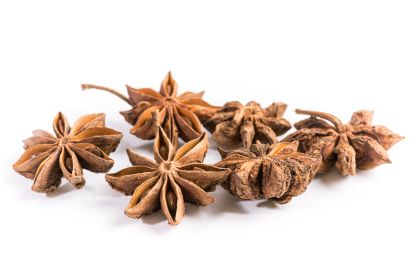
    Star anise is familiar to Indian kitchens as one of the key spice ingredients adding flavors to Indian cuisines. It is a fragrant licorice smelling spice used chiefly in cooking Biriyanis and delicious seafood reciipes since antiquity. Star anise is popularly known as “chakra phool” due to its wheel like shape.

    Star anise [illicium verum] is a medium sized evergreen tree native to South east Asian countries, particularly China. The Chinese star anise is well known for its quality and comparatively low propensity to trigger allergy. It is a safe variety of star anise to consume.

    The leaves of the tree are fragrant and the tree yields pink to red flowers also. This spice seed is taken from the fruits of the tree. The fruit is a capsule-like follicetum, star-shaped, reddish-brown, and contains six to eight follicles arranged in a whorl.

    Star anise as a food ingredient provides numerous health benefits. The spice is a treasure-trove of numerous biologically active compounds which protect against various lifestyle diseases afflicting the mankind.

    According to recent medical research studies, this flavoring ingredient offers great health benefits due to the presence of antioxidant compounds within it. Let us have a glimpse at the health benefits star anise provides.

    Health benefits of star anise

    • Antioxidant property

    Star anise contains several types of polyphenols and flavanoids. Phenolic compounds in star anise include p-coumeric acid, gallic aid, cinamic acid, chlorogenic acid and ferulic acid. Catechin and rutin are the major flavonoids. Antioxidants protect against oxidative stress related diseases to body organs such as lifestyle diseases, cancer etc.

    • Antimicrobial &anti-inflammatory properties

     Apart from the antioxidant property to remove oxidative stress to cells of human body, star anise has anti-microbial and anti-inflammatory properties owing to the presence of these compounds in it :

    Linalool

    Quercetin

    Anethole

    Shikimic acid

    Gallic acid

    Limonene.

    Shikimic acid imparts it the antiviral property to fight against viral infections.

     The flavonoid anethole provides it antifungal properties.

    Star anise has the potential to inhibit the production of pro-inflammatory cytokines (Tumor necrosis factor alpha (TNF-α) and interleukin-1 beta (IL-1β)). It also helps to reduce oxidative stress.

    In a nutshell, star anise protects your body against microorganisms causing inflammations and infectious diseases.

    • Obesity & cholesterol reducing potential

    A study [2] showed that star anise tea consumption significantly reduced the overweight  and BMI. Furthermore, it significantly lowered the levels of serum total cholesterol, triglyceride, LDL and VLDL were observed in the study. It is a hopeful news that star anise helps to decrease bad cholesterol and fat accumulation within the body and prevent heart attacks and strokes chiefly along with other complications of obesity.

    Culinary use of star anise:

    It is used in Indian subcontinent chiefly as a flavoring agent added mostly to various types of Biriyanis and Masala chais. It has an equal significance in Chinese cuisines also as one of the quintessential flavoring ingredients commonly known as”the five spice powder”.

    Caution regarding consumption of star anise :-

    Consume only a very small amount of this spice. Chinese variety is generally safe. Excess intake may cause allergy,

     Copyrighted Dr sanjana p (Dr sanjana vb)

    References

    1. https://biomedpharmajournal.org/vol15no2/antioxidant-and-anti-inflammatory-activity-of-star-anise-illicium-verum-in-murine-model/  Antioxidant and Anti-Inflammatory Activity of Star Anise (Illicium Verum) in Murine Model,Ibrahim S Majal.Department of medical laboratory sciences, Mu’tah University, Karak Jordan
    2. https://pmc.ncbi.nlm.nih.gov/articles/PMC9686881/
  • Green tea -Health benefits

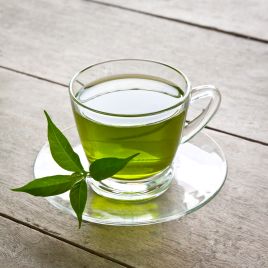
    Green tea is one of the most sought-after health drinks &consumed widely by fitness freaks as well as common people globally. It is consumed for its taste as well as with the goal of achieving better health.

    Green tea is extracted from the leaves of the plant camelia sinensis.Commonly young leaves and budding leaves are used for making this beverage. Green tea intake is beneficial in numerous ways. It is one of the major sources of Catechins which are a type of polyphenol antioxidants with immense health benefits.

    History

    Green tea originated in China in the late 1st millennium BC. From here it spread to various parts of the world as a refreshing and stimulating drink. There are narrations about green tea in ancient Chinese texts about green tea. The book written by Lu Yu [ between 618- 907 AD] describes about the origin of green tea. Another book penned by Zen priest Eisai describes about the stimulant effects of green tea and how it is extracted from the leaves.

    Green tea compounds- Antioxidants

    Green tea contains polyphenols mostly catechins. The four main catechin compounds are (−)-epigallocatechin-3-gallate (EGCG), (−)-epigallocatechin (EGC), (−)-epicatechin-3-gallate (ECG), and (−)-epicatechin (EC).

    Other components include three kinds of flavonoids, known as kaempferol, quercetin, and myricetin.

    Health benefits of green tea on heart, brain & skin

    • Antioxidant potential

    Catechins found in green tea are effective antioxidants potent enough to prevent oxidative stress.

    • Boosts cardiovascular health

    These are capable of preventing atherosclerotic plaque formation in Coronary artery and hence help in preventing heart diseases. This potential of green tea to thwart clot formation in blood vessels to heart and brain help in preventing heart attack and stroke. Furthermore, green tea can reduce can reduce triglycerides and cholesterol levels in the human blood.

    • Prevents sun induced damage to your skin Antioxidant, immunomodulatory, and photo protective functions of green tea make it a great addition to healthy life styles. Green tea helps to protect the skin from sun induced damage and premature ageing. It has immunomodulatory and photo protective effects on skin against UV rays of sun. Catechins in green tea are natural antioxidants that has key role in the prevention of cell damage.
    • Green tea helps to boost cognitive functions of your brain.

    Caffeine, of green tea constituents can improve brain function, including mood, vigilance, reaction time, and memory. Amino acid L-theanine, of green tea can cross the blood-brain barrier.

    Safety /cautionary warnings for green tea consumption

    It is advisable to take only 1-2 cups of green tea a day and in this amount green tea intake is not associated with any detrimental effects to the body. However, if you are sensitive to caffeine green tea may cause tremors or shivering and anxiety.

    Excessive intake may cause liver problems.

    Drug interactions:

    Green tea may interact with nadolol, a beta-blocker used for high blood pressure and heart problems lowering your blood pressure as much as it should. Green tea has presence of vitamin K in small amounts which can interact with proper functioning of blood thinner medicines. Therefore, for patients using beta blocker drugs, and blood thinners like aspirin, clopidogrel etc.  green tea is not a good choice.

    written by Dr sanjana p

    References

    • https://www.ncbi.nlm.nih.gov/pmc/articles/PMC4843789/
    • https://www.nature.com/articles/srep24353
    •   https://plants.ces.ncsu.edu/plants/camellia-sinensis
  • Ujjayi pranayama to de-stress

    Ujjayi pranayama is a type of breathing exercise of yoga which helps to get rid of your stress, fatigue and invigorate your body and mind.

    ujjayipranayama

    The literal meaning of “Ujjayi” is breath of victory. This pranayama technique is related with victory as the breathing in expands the chest and belly of the person doing this pranayama and the body may resemble to a victorious warrior.  It is one of the important pranayama mentioned in Hata Yoga Pradipika, the ancient classical yoga text.

    Ujjayi pranayama -health benefits

    • It helps to de-stress

    This breathing exercise helps to calm down your nervous system and remove your fatigue and accumulated stress.  You may practice this simple breathing to address the stress of daily life in a positive and effective way.

    • Ujjayi contributes to meditation

    Ujjayi is an integral part of meditative process and it aids to enhance focus and concentration indirectly. Meditation is calming down your nervous system and body to be receptive .Ujjayi helps in this area and as an outcome you may be gifted with better focus and improved concentration.

    •  Helps to improve emotional stability

    Ujjayi pranayama helps to reduce anxiety, agitation and impulsiveness. To get rid of this excessive mental stimulation, is crucial in achieving emotional stability with regular and consistent practice. Only an emotionally stable mind can do better decision making in your career as well as personal life.

    • It improves the energy flow in human body

    According to yoga principles, this pranayama invigorates you by removing energy blocks in your spinal cord. It removes the stagnation of energy and facilitates smooth flow of vital force or energy.

    How to do ujjayi pranayama?

    • The first step is sitting erect with your spine and head straight.
    • closing your mouth and constricting or contracting the throat with slight exertion. Avoid too much contraction of glottis.
    • Now try to exhale and then begin to inhale air slowly and rhythmically. Let the air pass through the constricted throat slowly.
    • Continue inhaling slowly the fresh air, until a sense of fullness is achieved in the chest region. It is good to retain the inhaled air for a period of 6 seconds.
    •  Now exhale spontaneously. Please try to exhale slowly and it is advisable to avoid jerky or hasty movements.
    • At the end of it,breath normally in a relaxing way.


    How does ujjayi breathe work for human body beneficially?

        This breathing technique is capable of generating body heat with in. Actually, it is the friction of the air, going down the contracted upper airway to both lungs is generating the heat. It is soothing for all vital organs & particularly aids in stimulating the fatigued brain. Therefore, Ujjayi is also referred to as “Psychic breath”.

    Ujjayi is beneficial in enhancing the capacity of your lungs. The airflow through constricted throat in this type of pranayama, compels the lungs to expand fully during inhalation of air.  This maximum expansion helps increased oxygen transfer to various parts of the body.

    The ujjayi pranayama is done slowly and rhythmically and it calms down the para sympathetic nervous system and brings about calmness at mental level.

    While doing ujjayi pranayama certain vibrations in the larynx stimulate sensory receptors and it may signal the Vagus nerve. The whole process helps to calm down the mind and body.

        The contraction of glottis throat] produced in Ujjayi pranayama exerts a gentle pressure on the carotid sinuses in the neck also, which is regulating blood pressure in the arteries. This may affect to reduce stress and slow down the excessive thinking activity.

    Who should not do Ujjayi pranayama?

    • Individuals having high blood pressure & heart diseases better avoid doing this pranayama.
    •  Never over do the contraction of glottis

    While doing this breathing exercise, exert only a little contraction of throat so that the air flow through channel is streamlined and a little friction is generated. This is generating the adequate heat or energy. Too much exertion is the erroneous method of doing this breathing exercise and is associated with various disadvantages and adverse effects. Be cautious to be gentle.

     writtenby dr sanjana p [copyright]

    References

    • https://www.yogajournal.com/practice/yoga-sequences/what-is-ujjayi/
       
      https://www.sciencedirect.com/science/article/pii/S0975947621001388
  • Creative pursuits to boost mental health

     Creativity is an innate trait which can instill contentment and joy to every humanbeing .However, sometimes creative pursuits are recommended by the intellectual community as well as mental wellness professionals to enhance positivity as well as professional talents. It is one of the most significant tools for boosting mental health globally.

     Creative pursuits encompass a wide range of activities that involve imagination, expression, and the development of original ideas. These may range from simple house hold chores like cooking and crafting to vivid artistic performances by professionals.

    Creativity offers a broad horizon to explore and practice. It is curious to know that since time immemorial creative pursuits were part of all civilizations, quite often developed as a part of the social evolution of ancient tribes from hunter gatherers into a society or population.

     In the present era of advanced science and technology too, creative pursuits have indispensable role.  Across the globe, people may be pursuing creativity either instinctively or as an integral part of profession as arts provide you rewards, contentment and joy, elevating the mood towards more positive outlook. Some of you may have adopted creative professions which also provide you wealth & sense of joy while stimulating your cognitive skills as well. 

    Research data about creative pursuits & health benefits

    Do you know the creative mind is more stable, balanced and intellectually keen. Of late numerous neuroscientific research studies have been published focusing on creativity and mental and cognitive health. They point out that engaging in creative pursuits is associated with numerous benefits, including improved mental health, enhanced creativity, and increased opportunities for personal growth and expression. In short, creativity and creative pursuits boost physical, mental and emotional health.

    A few examples of creative pursuits you may incorporate into life:

    Artistic pursuits

    • Performing arts such as acting, singing, dancing etc.
    • Visual arts – drawing, painting, sculpture, pottery, digital arts
    • Creative writing of poems, short stories, fictions, journaling etc.
    • Crafts: Knitting, crocheting, sewing, woodworking, candle-making.

    Other types of hobbies you are pursuing may be considered as creative pursuits if it involves your mental and physical contribution such as:

    • Gardening
    • Photography & editing
    • Home decoration & renovation
    • Learning new languages
    • Cooking experiments
    • Creating video games
    • Playing musical instruments
    • Story scripting and narration
    • blogging

    Apart from the listed pursuits you can add more creative hobbies and ventures into your life and enjoy its positive effects on life. Creativity is the ability to discover innovative and original ideas. It is one of the 10 life skills advocated by the World Health Organization.

    Four-C model of creativity given by Kaufman and Beghetto

    According to this model creativity is classified as:

    • Mini-c model

    It means transformative learning, meaningful interpretations of daily experiences that can make changes in the understanding at the individual level.

    • Little-c model

    This model includes creative actions and thoughts that is out-of-box thinking in anything we do &  it impacts individuals and their zone of influence.

    • Pro-c model

    It includes the creative acts of experts/experiences people learn within an organization, community, or domain or organization, field system of practice. It has impact on the market

    • Big-c model

    This includes eminent creativity of exceptional people that is self-taught, unconventional thinking. This can make profound impact on culture, society and the world.

    Benefits of creative pursuits

    • Psychological or mental health is improved by creativity

    Enhanced  self-efficacy, coping skills and emotional regulation or balanced emotions are achieved by creative people more easily. All creative pursuits orient the mind for positive focus. Purposeful creative involvement promotes well-being.

    • Creativity helps to reduce stress

    Creative pursuits lower stress hormone response and thus help in reducing the impact of stress on your physical and mental health.

    •  Immunity is better in creative & active  people

    Enhanced immune function is another added benefit of creative pursuits

    • Creativity improves social involvement

    Creative pursuits reduce loneliness and isolation, particularly presentation of artistic performances, digital art work etc. These kinds of pursuits are shared with audience and receive feedback also. It enhances social support, and improves social involvement.

    • Adoption of healthy Behaviors

    A focused attempt at creativity fosters healthy habits including increased exercise or physical activity, adoption of healthier behaviors & skills development.

    Creativity as an important way of enhancing and maintaining a sense of well-being. Research studies have recognized that the practice of creative pursuits can be beneficial in influencing positively psychological, physical and social components.

    For example, music as a creative pursuit is associated with numerous health benefits on the brain. A study conducted on children shows that music plays an important role in reading, language, and auditory skill development. Studies have shown structural differences in grey matter and white matter in children who engage in music (especially during early childhood) compared with those who do not.

    Another study shows that in adults with a mental illness, activities such as choir singing, art-making, expressive writing, and group drumming reduce mental distress, depression, and anxiety while simultaneously enhancing individual and social well-being.

    The benefits achieved through creative pursuits of these kinds may be attributed to the modulation of serotonin and other neurotransmitters, a decrease in cortisol and other stress hormones. The creative activities also cause a reduction in inflammatory immune responses.

    Sleep studies on music indicates that music helps to improve sleep quality, sleep efficiency, and time to sleep onset in a way much better than meditation can do.

    Written by Dr Sanjana p Souparnika [ dr sanjana vb]

    Reference

    • Hyde KL, Lerch J, Norton A, Forgeard M, Winner E, Evans AC, et al. Musical training shapes structural brain development. J Neurosci. 2009;29:3019–25. doi: 10.1523/JNEUROSCI.5118-08.2009. https://pubmed.ncbi.nlm.nih.gov/19279238/
    • Cordi MJ, Ackermann S, Rasch B. Effects of relaxing music on healthy sleep. Sci Rep. 2019;9:9079. doi: 10.1038/s41598-019-45608-y. doi: 10.1038/s41598-019-45608-y. https://pubmed.ncbi.nlm.nih.gov/31235748/
    • https://pmc.ncbi.nlm.nih.gov/articles/PMC10911317/

  • Capsicum to improve your cardiovascular health

    Capsicum is known for its antioxidant, anti-inflammatory, and antimicrobial activities. It also helps to reduce the prevalence of type 2 diabetes and obesity. Capsicum has role in reducing cholesterol and hence cardiovascular diseases.

    Generally peppers belong to the genus Capsicum. Some commercially grown species of capsicum include C. annuum, C. frutescens, C. chinense, C. pubescenes, and C. baccatum . Among these C. annuum is grown most extensively worldwide.

    Capsicums  are an excellent source of phytochemicals, such as anthocyanins, vitamins, phenolic acids, flavonoids, carotenoids, and capsaicinoids

    Nutritional value

    Capsicum contains many valuable nutrients and phytochemicals

    It has been found that vitamin C, an effective antioxidant, is high in red peppers , while vitamin E is high in dried chili peppers.

    The capsicums contain fiber and some minerals such as:

    iron

    calcium

    copper

    manganese

    molybdenum

    amino acids such as:

    tryptophan

    phenylalanine

    lysine

    Health benefits of capsicum

    Capsicum can be found as an integral part of Mediterranean and continental foods. It is also used in Asia and middle East countries widely. However, many people are not aware of the health benefits capsicum provides.

    It is rich in nutrients and antioxidants.  Therefore, capsicum has protective effect on your heart , brain and immune system. It helps to reduce the impact of lifestyle diseases on your health including heart attack, diabetes, stroke &obesity.

    •          Anti-inflammatory properties

      Capsicum helps to reduce inflammation due the presence numerous antioxidants and phytochemicals within it.

    •          Antibacterial properties

    Capsicum is effective against microbes, particularly against bacteria. One research study show inhibitory effect of the extract of Capsicum annuum bell pepper type was evaluated against Salmonella typhimurium and Pseudomonas aeruginosa. The study shows that capsicum extracts kill bacteriae [2].

    • Helps to reduce blood sugar; anti-diabetic effect.

    Studies suggest capsaicin has several actions that have an anti-diabetic effect. This is achieved by reducing insulin resistance, which makes it easier for blood glucose to get inside cells from the bloodstream.

     Capsaicin also helps prevent obesity, which predisposes for diabetes.

    • Helps to reduce cholesterol

    A few studies suggest capsaicin can decrease total cholesterol, triglycerides, and low-density lipoproteins, known as “bad cholesterol.”

    It has been also found that capsicum can increase high-density lipoproteins, known as “good cholesterol.”

    • Reduces blood pressure

     Studies show capsaicin reduces high blood pressure through several benefits. These include releasing substances that dilate blood vessels, suppressing an enzyme that narrows blood vessels, and stimulating increased urination, which reduces blood pressure by helping remove excess fluid.

    References

    1. Anti-inflammatory effects of red pepper (Capsicum baccatum) on carrageenan- and antigen-induced inflammation

    Fernando Spiller 1, Márcia K Alves et al. Journal of Pharmacy and Pharmacology, Volume 60, Issue 4, April 2008, Pages 473–478, https://doi.org/10.1211/jpp.60.4.0010

    • Antibacterial activity of Capsicum extract against Salmonella typhimurium and Pseudomonas aeruginosa inoculated in raw beef meat

    Mónica Careaga 1, Elizabeth Fernández, Lidia Dorantes, Lydia etal.

    PMID: 12745238 DOI: 10.1016/s0168-1605(02)00382-3

    • https://pmc.ncbi.nlm.nih.gov/articles/PMC6770197/
    • https://www.freepik.com/free-photo/close-up-portrait-beautiful-woman-smiling-showing-yellow-pepper-vegetarian-girl-making-dinner_76274720.htm#fromView=search&page=1&position=1&uuid=b4d91212-e03c-4aff-bf8a-e5ef074413d2&query=Capsicum+eating+woman
  •  Mindful eating helps your hormonal rhythm

    Does mindful eating help in improving your overall health? Does it have any advantage over binge eating? Research studies are ongoing on this topic as the role of mind in impacting physical health is becoming prominent day by day.

        Mindfulness is an ancient practice in which one’s thoughts, emotions, and physical sensations are directed at the present moment. It is becoming more aware of, rather than reacting to, one’s situation and choices.

    Mindfulness is neither focusing to improve concentration nor it is meditative process. Instead it is a feeling of awareness. Being “aware of the present moment “ is mindfulness.

       Mindful eating focuses on your eating experiences, body-related sensations, and thoughts and feelings about food, with heightened awareness and without judgment. In short it is listening to your food, its taste, aesthetic appeal, in the process of eating or chewing it.

            Health benefits of mindful eating  

    • Improved gut health

     Mindful eating helps to reduce bloating and gas as you enjoy food here and take enough time to chew it. Chewing helps to mix food with saliva and other gastric juices facilitating proper digestion. Therefore, the amount of undigested food in your gut will be reduced and fermentation process will be reduced. So bloating do not happen. Most of do hasty eating without proper chewing and digestion is delayed.

     It also helps to reduce constipation, diarrhoea, reflux and IBS like symptoms.

    • Proper absorption of nutrients

     Good digestion helps absorption of nutrients in the intestine and proper absorption of food aid in improving health of organs and body in general.

    • Helps weight loss

    Research studies have shown that mindful eating helps you eat less and feel more full.

    • Increased appreciation of food

    Only  if you love your food taking time it is appreciated well.

    Once  you start loving food  it makes your meal or dinner or snacking an enjoyable experience in your thoughts .

    • Stress reduction and hormonal well- being :

        When you slow down while eating and enjoy it as if in mindful eating ,you are naturally reducing your cortisol (stress hormone). This may help your body to protect itself from bad effects of stress like hormonal and autoimmune diseases, migraine, fertility issues and sexual dysfunctions.

    Some studies suggest that mindful eating helps to maintain a balanced hormonal rhythm.

    How to eat mindfully?

    ·       Take a few deep breaths and think how hungry you are.

    ·       As you cook food, notice its texture, smells and the sounds generated by the food prepared.

    ·       Put only the needed amount of food on your plate to satisfy your hunger.

    ·       Taste your food chewing it slowly and know the real taste, how it feels in your mouth, and how much you are enjoying it.

    ·       Try to note your hunger cues along the way.

    ·        Are you really still hungry after eating a quarter or half of your meal? Enjoy the meal but do not eat in such a way that your stomach is full.

    ·       Stop eating when you feel enough for quenching hunger, no matter how much food is left. Keep away the plate away from you.

    ·       Eating too much till the stomach is full is against mindfulness.it may affect digestion badly. For proper digestion to happen leave some empty space in your stomach .

    Reference

    1.https://pmc.ncbi.nlm.nih.gov/articles/PMC5556586/

    2.https://pubmed.ncbi.nlm.nih.gov/36045097/

    3. https://www.freepik.com/free-photo/medium-shot-smiley-vegetarian-woman_13153038.htm#fromView=search&page=1&position=43&uuid=72b8f52f-f1c0-4676-aff8-fe841daad71a&query=woman+eating+healthy+food