

Glioblastoma multiforme (GBM) is a brain tumor with high fatality rate as the standard treatment options such as surgery, radiation and chemotherapy have very limited role. The particular location of the tumour, the blood brain barrier and immunosuppressive niche restrict the access to therapeutic intervention.
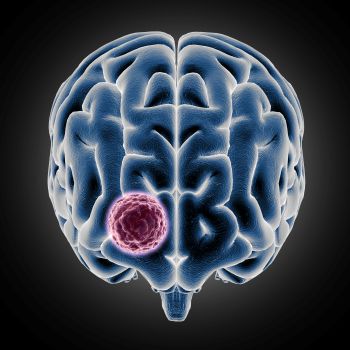
The chimeric antigen receptor (CAR) T cell therapy in GBM
Glioblastoma is a tumour characterized by rapid growth, high invasiveness The clinical outcome post therapy is poor due to multiple factors. Globally, the incidence of GBM is approximately 3.19 per 100,000 individuals per year, with a male predominance.
The median overall survival in glioblastoma patients is only 12–15 months, with a 5-year survival rate below 5%. The poor prognosis of glioblastoma is attributed to the highly infiltrative nature, molecular heterogeneity, and its location within the CNS.
The tumor is diagnosed by magnetic resonance imaging [MRI], magnetic resonance spectroscopy, histopathological examination and molecular profiling.
Histologically, GBM is characterized by pleomorphic, poorly differentiated, astrocytic cells with high mitotic activity, microvascular proliferation, necrosis, and an elevated Ki-67 proliferation index.
CAR-T therapy represents a rapidly evolving and promising perspective for GBM treatment. Preclinical and clinical data demonstrate that novel CAR designs, such as armored CAR-T, synNotch, and dual-target approaches, which can increase intratumoral activity, overcome antigen heterogeneity and the immunosuppressive TME to an extent.
CAR-T therapy for GBM has advanced to promising clinical activity; however, further engineering and early phase trials are required before CAR-T can become a standard therapeutic option for GBM patients.
written by dr sanjana p