
Author: Dr.Sanjana p Souparnika

  • Hair loss in women

    dr sanjana p

    Hair loss in women is a common condition triggered by various causes such as genetics, hormonal imbalances, ageing, nutritional deficiencies etc. Hair loss treatment requires a comprehensive approach at the root cause level for better results.

    Women suffer from a wide variety of hair loss patterns at different phases of lives. The causes are multiple and vary from women to women.

    Causes of hair loss in women

    • Acute infections
    • Poor nutrition
    • Ageing
    • stress
    • Hormonal imbalances
    • Thyroid dysfunction
    • Polycystic ovarian syndrome
    • Female pattern alopecia
    • Alopecia areata

    Hair loss in women may happen from mild to severe infections, stress and sudden weight loss. These types of hair loss are categorized as telogen effluvium type hair loss.

    Poor nutrition results in diffuse hair loss in women either from poor intake or from inadequate absorption of nutrients.

    Low levels of proteins, iron, zinc, vitamins D may trigger excessive hair loss as these nutrients are crucial for follicle growth.

    Acute as well as prolonged stress may lead to diffuse hair loss as stress can alter the hormonal rhythms in the body building up cortisol hormones. This may disrupt hair growth cycle and hair enter into resting phase.

    Ageing plays a crucial role in hair thinning and diffuse hair loss from scalp due to declining female hormones. Various physiological states like puberty, pregnancy, child birth and menopause is associated with hair loss from hormonal dysfunction. Physiological thinning of hair starts in 30s and40s.

    Rarely some androgen hormone secreting tumors may cause hair loss.

     Post chemotherapy hair loss is a common adverse effect of cancer treatment which is reversible within a short period of time.

    Thyroid dysfunctions lead to chronic hair loss. Both hypo and hyper thyroid states can have adverse impact on hair.

    Sometimes alopecia areata, an autoimmune mediated hair loss affects women. The body’s own immune system mistakenly attacks hair follicles and the hairs shed in circular patches.

    Female pattern alopecia

    Female pattern alopecia is a hereditary condition in which there is hair loss from the top and crown area preserving the front hairline.

    It is a chronic type of hair loss in which there is shortening of hair growth [ anagen phase] cycle and lengthening of hair shedding catagen and telogen phase. So, for regrowth of hair long time interval is needed.

    There is shrinking of hair follicle and thinning of hair shaft. A polygenic mode of inheritance for FPHL has now been well established. These genes may determine the age of onset, progression, pattern, and severity.

    It is characterized by widening of the central hair and thinning of hair shaft. The exact mechanism causing female pattern alopecia is still not fully understood. A separate androgen independent mechanism is believed to be in operation.

    PCOS related alopecia & female pattern alopecia – Are they same?

    PCOS and female pattern hair loss share some core features. They are not same or identical but closely linked. Women having Female pattern alopecia commonly have PCOS and women having PCOS have thinning of hair with widening of top of scalp.

     Both conditions involve hair follicles shrinking (miniaturization) when exposed to androgens like testosterone and dihydrotestosterone (DHT).

    Typical recovery timeline from hair loss

    Hair loss from acute causes such as poor nutrition, stress and acute infections may take around 6-9 months to recover. More serious causes such as hormonal diseases may require chronic or prolonged treatment for the underlying cause.

    How to manage hair loss in women?

    • Nutritional deficiency correction with balanced diet and hair growth promoting nutrients in food. Supplements like vitamin D may be prescribed for people who are spending more time indoor.
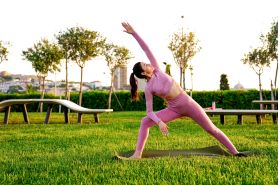
    • Stress management through mind body relaxation techniques like yoga exercises, aerobic exercises etc.
    • Treat the underlying cause in hormonal disorders causing hair loss.
    • Hair care solutions- Use shampoo and conditioners which are mild to scalp skin and hair. Follow hair care instructions if you have treated hair.
    • Conventional medicine: The modern medical trichologists prescribe commonly minoxidil topical applications and antiandrogen drugs.
    • Integrative medicine therapy at Mediprecision

    We provide homeopathic remedies chosen tailoring to the individual needs and provide customized diet charts and nutritional correction along with some well- chosen yoga poses that help to boost hair growth.

    In advanced irreversible hair loss cases we recommend other therapies at trichology &hair transplantation clinics which can be opted at your own discretion.

    In hair loss treatment the homeopathic drug selection is crucial in female pattern alopecia and hair loss from hormonal causes. Nutrition and exercises may have only adjunct role in cases which are reversible by medications.

    Written by dr Sanjana p

    References :

    1. https://pmc.ncbi.nlm.nih.gov/articles/PMC10334345/
    2. https://ijdvl.com/female-pattern-hair-loss/
  • Manganese health benefits

    dr sanjana p

    Manganese is a mineral crucial for bone formation, collagen formation , metabolism and a very crucial cofactor for an antioxidant preventing serious illnesses.

    managanese foods

    Manganese is the great co factor for antioxidant manganese superoxide dismutase. This enzyme protects cells from free radical damage. The antioxidant enzyme can prevent various organ diseases and cancers fighting against superoxide free radicals.

     Other major role of manganese in human body includes

    • Bone formation
    • Carbohydrate &cholesterol metabolism
    • Antioxidant defense
    •  Enzyme co factor in metabolic pathways.
    • Collagen formation.

    Manganese deficiency

    Deficiency of the mineral manganese in human body is associated with poor growth& deterioration in bone health. Joint pain also develops mostly. The deficiency is not so common as the mineral reaches human body from our staple foods.

    Manganese rich foods

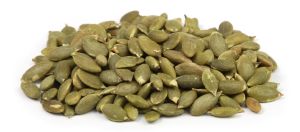
    • Nuts &seeds particularly pumpkin seeds &walnuts
    • Legumes
    • Spinach
    • Seafoods- mussels &oysters
    • Whole grains- quinoa, brown rice.
    • Potatoes
    • Pineapple
    •  Berries

    What is manganism?

    Manganese toxicity is known by the name manganism. This neuro toxicity may happen commonly in mining industries. Another probability of occurrence of manganism is for patients in total parenteral nutrition. Usually in chronically bed ridden or acutely ill patients if  nutrients and drugs are given through intravenous route for a prolonged period of time it may cause manganism.

    Manganese toxicity may cause hallucinations and tremor of hands. The manganese toxin affects basal ganglia of brain and cause tremors resembling Parkinson’s disease.  There will be reduction in dopamine neurotransmitter in manganism.

  • Lumbar radiculopathy

    dr sanjana p

    Lumbar Radiculopathy is a lower backpain and weakness associated with nerve root compression. This article deals with solutions to reduce its impact.

    Lumbar radiculopathy- Lower back pain

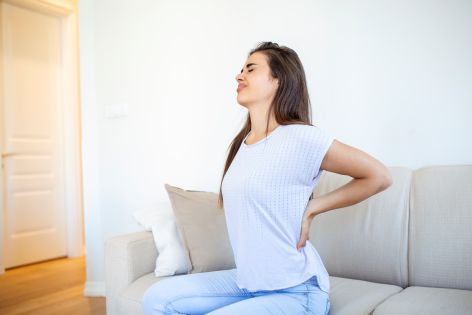
    Lumbar radiculopathy refers to pain in lower back, precisely in the lumbar region and down the back to the thighs and legs from a pinched or irritated nerve root in the lower back or spine.

    The term ‘lumbar’ means the lower back region of the body, specifically the five large vertebrae (L1 to L5), the spinal discs, and the surrounding muscles.  The term radiculopathy refers to a condition caused by the compression, irritation, or inflammation of a nerve root near the spine that may lead to pain, numbness, tingling, or muscle weakness on the nerve pathway.

    The pain may be sharp, electric, or burning in nature often accompanied by numbness, tingling, or weakness.

    The nerve root irritation in this condition can happen from several causes. A few are listed below.

    Causes of lumbar radiculopathy

    • Herniated disc
    • Spinal stenosis
    • Spondylolisthesis
    • Nerve root injury
    • Degenerative disc diseases
    • Genetic defect

     Radiculopathy happens from mild to severe causes ranging from disc bulging or herniation, facet or ligamentous hypertrophy in the nearby area of lumbar spine, spondylolisthesis to cancers and infections.

    Herniated disc: it is a common condition in the lower back or lumbar region. The discs forming the vertebral column may leak after disruption and the soft material may cause inflammatory reaction in the area irritating the nearby nerve roots and may also cause compressive force over it.

     According to a study degenerative spondyloarthropathies are the primary cause of lumbar radiculopathy which occur with ageing.

    It can happen from age related changes on vertebra such as bone spurs or osteophytes.

    Spinal stenosis is yet another cause of radiculopathy. It happens from narrowing of the spinal canal or the openings where nerves exit out of foraminal openings of the spine.

    Spondylolisthesis:  This is a condition that happens when one vertebra slips forward over another, it compresses the nerve roots.

    Traumatic nerve injury

    Nerve root injury from trauma and fall is yet another cause associated with fracture.

    Apart from trauma, age itself is a risk factor for degenerative changes in the disc and affects both men and women. Mostly men are affected in their 40s and women after 50s and 60s, however, nowadays it is affecting younger women also. Of late there has been a surge in lumbar radiculopathy cases.

    Symptoms

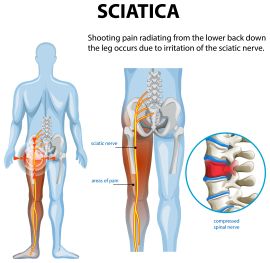
    Pain radiates down the thigh, leg, and into the top of the foot or big toe. The location or area of pain distribution depends on the nerve root affected in the lumbar region or below that[L1-L5].

    Irritation of nerve roots at specific levels (most commonly L5 and S1) causes the classic pain that shoots down the back or side of the leg. Pain travels down the back of the thigh, calf, and into the outer edge of the foot. This pain is often referred to as sciatica.

    You may feel weakness when trying to push off the foot while walking.

    Pathology of lumbar radiculopathy or nerve root pain

    Mostly the pain in these kinds of nerve pains of spine irritation of a particular nerve happen at any point along the nerve due to a compressive force. Precisely, in case of lumbar radiculopathy [ or lower back pain from compressive forces] this may occur within the thecal sac or as the nerve root exiting the thecal sac within the lateral recess or as the nerve root passes the neural foramina or even after the nerve root emerged out of the foramina. Compression of nerve root is the major cause of pain in other areas of the body, particularly on lower limb and back.

    Diagnosis of lumbar radiculopathy

    History taking, physical examination and imaging study investigations conjointly help to arrive at the exact cause of pain.

    Sometimes investigations or image studies such as MRI or CT-myelogram are performed to find out the nerve impingement or area of compression. The clinical symptoms in the patient and physical examination findings are correlated with these findings to arrive at a diagnosis.

    Electromyography (EMG) and nerve conduction velocities (NCV), as well as somatosensory evoked potentials (SSEP) may help to differentiate other causes of nerve entrapment pain from radiculopathy.

    Treatment options

    • Conservative treatment focuses on pain management with medications:

    Non-steroidal anti-inflammatory drugs or nerve pain reducing drugs are suggested by conventional medicine

    Epidural steroid injections can provide temporary but significant relief by targeting the inflammation around the nerve root

    • Physical therapy- stretches and some exercises to reduce pain and inflammation. McKenzie exercises has been found to be effective in reducing pain from lumbar radiculopathy
    • Surgery– It is indicated in cases which are not manageable by conservative methods.
    • Homeopathic medications

    Following medications are commonly used for managing pain and allied symptoms of lumbar radiculopathy:

    • Hypericum perfoliatum
    • Rhus Toxicodendron
    • Colocynthis
    • Magnesium phosphoricum
    • Magnesium carbonicum
    • Kali iodide
    • Valeriana
    • A few “mother tinctures” [liquid drops] also are indicated as short acting drugs for managing nerve pain.
    • Homeopathic medicines are selected in an individualized way after comprehensive case taking and physical examination and evaluating the investigative findings. Apart from these common drugs deep acting “constitutional drugs” are chosen tailoring to individual symptoms and characteristic.
    • Yoga & nutrition also have key role in strengthening spine .In mediprecision clinic we focus on integrating the medications with these Yogic nutrition therapy.

    Warning signs for seeking urgent or emergency medical care

    When you experience any of these symptoms, please seek emergency care in a well-equipped hospital with facility to do decompression surgery:

    • Sudden weakness in legs
    • Loss of bowel or bladder control.
    • Numbness in groin or saddle anaesthesia in private parts perineum. All these symptoms point to a condition called cauda equina syndrome which requires immediate decompression.

    Author- dr Sanjana p

    References

    1. https://pubmed.ncbi.nlm.nih.gov/17445735/ Tarulli AW, Raynor EM. Lumbosacral radiculopathy. Neurol Clin. 2007 May;25(2):387-405. doi: 10.1016/j.ncl.2007.01.008. PMID: 17445735.
  • Health benefits of magnesium

    dr sanjana p

    Magnesium is a mineral human body needs critically for health of bones, muscles& nerves. Magnesium has great role in your sleep along with numerous other health benefits.

    Magnesium – The crucial mineral for vital organs of human body

    Magnesium is one of the most important minerals human body needs for proper functioning and maintaining the health of organ systems. Adequate magnesium intake from natural food sources is associated with numerous health benefits to human body and mind.

    Around 60%of the magnesium in the body is located in the bones as a crucial factor in bone mineralization. Bone mineralization is vital for giving strength to the bones & skeletal system. The remaining 39 % of magnesium is in soft tissues and 1% in body fluids.

     Apart from regulating the skeletal system, magnesium plays critical roles in around 300 biochemical reactions in human body. It is one of the key elements in regulating the rhythm of the heart, blood sugar levels, neuronal communication, glutathione production etc.

    Magnesium helps to foster emotional health as well as physical health. Its depletion has been associated with type 2 diabetes and osteoporosis. In human body parathyroid hormones and calcitonin regulates magnesium levels. Vitamin D also has crucial role in its absorption from small intestine.

    Magnesium has great role in nerve cell communication and heart functioning as it facilitates transport of calcium and potassium across cell membranes. Nerve impulse conduction is important for the proper functioning of muscular system in the body and magnesium is crucial also for contraction of muscles.


    Health benefits of magnesium

    • Bone health

    Magnesium helps bone mineralization and improve bone strength.

    • Glutathione antioxidant production

    Magnesium is an important cofactor in several biochemical reactions in human body and I glutathione production.

    • Regulates heart health

    Magnesium has crucial role in regulating blood pressure as well as the rhythm of heart.

    • Helps to control blood sugar levels.

    Magnesium has some role in regulating blood sugar levels. It is low in diabetic people having poor glucose control.

    • Energy metabolism

    Magnesium has crucial role energy metabolism of glucose and cholesterol.

    • Neuronal communication

    Magnesium regulates nerve impulse conduction and muscle contraction.

    • Helps to reduce migraine.
    • Better sleep and good mood

    Magnesium is a natural relaxant that regulate neurotransmitters and cortisol hormone. Thus it can reduce anxiety, insomnia [sleeplessness] and depression.


    Magnesium rich foods that are super healthy

    • Green leafy vegetables
    • Nuts – almonds, cashew nuts, peanuts
    • Seeds- pumpkin seeds, chia seeds
    • Whole grains- brown rice, quinoa, oats
    • Legumes
    • Soy milk
    • Potato
    • Banana
    • Dark cocholates
    • Yogurt
    • Salmon
    • Avocado
    • broccoli
    • Meat

    Recommended daily allowance of magnesium is310mg- 410 mg daily.

    Magnesium deficiency

    Some people having a few diseases are at great risk of developing magnesium deficiency and they include Chron’s disease, gluten sensitivity disorders and surgeries performed on ileum. These gastrointestinal tract disorders interfere with absorption of magnesium.

     Vitamin D deficiency also is associated with low magnesium levels in some people as magnesium is absorbed in the small intestine- jejunum and ileum  in the presence of vitamin D.

    Type 2 diabetes is associated with low magnesium levels ,however no studies point out that magnesium supplementation help to improve diabetes. Probably magnesium is lost through urine excretion.

    In people consuming alcohol for prolonged period of time also magnesium is low.

    Magnesium deficiency causes muscle cramps, numbness, fatigue, anxiety, nausea, vomiting .it can also cause seizures. Severe magnesium deficiency may lead to low calcium and potassium levels. It can affect nerve cell communication and rhythm of heart.

    Magnesium supplementation

    Routine intake of magnesium supplements without directions from a health care provider is not recommended. It is advisable in people having gut disorders with malabsorption syndrome. It is prescribed for anxiety, sleeplessness &depression

    written by dr sanjana p

    reviewed by Mediprecision medical team

  •  10 Ways to boost your skin collagen

    dr sanjana vb

    Collagen is a protein which gives your skin, muscles and joints strength, elasticity and firmness. Consumption of collagen boosting foods as well as regular skincare practices are important for ageing skin to prevent collagen decline related sagginess& wrinkles.

    Collagen

    Collage is a protein found in skin, muscles and bones. It is essential for wound healing, skin elasticity and firmness. Although there are several types of collagens in human body Type 1 collagen is the common variety. Two important amino acids glycine and proline are crucial for the formation of collagen in human body. Along with these amino acids vitamin C is very important for the production.

    Omega fatty acids and zinc can reduce collagen degradation associated with ageing. Skin may lose its firmness and elasticity with declining collagen levels, forming wrinkles and fine lines.

    Collagen enhances firmness & beauty of your skin

    Collagen is a protein produced by fibroblasts in the skin which provides firmness and elasticity to your skin and enhance its beauty. Collagen production declines with increasing age. Ageing affects the collagen production adversely and skin begins to sag. Around 24% of collagen is lost by 40 years of age.

    10Ways to boost collagen

    • Foods to boost skin collagen

    Consumption of food rich in proteins, vitamin C , zinc and omega fatty acids are crucial for the production of collagen.

    • Protein

    Collagen boosting amino acids are glycine and proline. Consumption of food rich in proteins help to attain these amino acids and form collagen in your body. The regular intake of chicken breast, bone broth, eggs, fish and legumes help to improve collagen production.

    • Omega fatty acids

    Various types of nuts, seeds, fish and fish oils are rich sources of omega fatty acids. Include pumpkin seeds in your diet to enhance collagen production.

    • Vitamin C

    Include vitamin C rich fruits and green leafy vegetables in your food. Citrus fruits, guava, Indian gooseberry, strawberries, broccoli , kiwi and tomatoes are enriched with vitamin C.

    • Zinc

    Zinc acts as a vital cofactor for the enzymes responsible for producing and structuring collagen. It facilitates the cross-linking of collagen fibers. Zinc  activates lysyl oxidase enzyme for cross linking which gives strength to collagen. Also it protects against collagenase enzyme which degrades collagen. Zn also has repairing and anti-inflammatory properties.

    Food sources of zinc include oysters, red meat, chicken, fish. Legumes, nuts, whole grains, and beans provide zinc.

    • Protect your skin from UV rays of sun

    Use sunscreen while you go outdoor or you get exposed to UV rays of sun even while inside home. UV rays can degrade collagen structure and damage it.

    • Hyaluronic acid to boost collagen

    According to a 2025 study collagen production is enhanced by hyaluronic acid as it hydrates skin, improve elasticity, firmness. Both serums and creams of hyaluronic acids are available in the market.

    • Ensure sound and adequate sleep

    Sleep plays crucial role in the health of your skin. An 8 hours sound sleep without disturbances can boost collagen production.

    • Change unhealthy habits

    Quit smoking and excessive alcohol intake. Avoid harsh chemicals on skin.

    Limit caffein intake

    • Stress management

    Stress can have detrimental impact on your skin as it activates oxidative stress and degrade collagen. Practice exercises for body and mind to de-stress yourself. Yoga, precisely various types of pranayama breathing exercises can have positive impact on your skin, if practiced regularly .

    • Microneedling

    Microneedling is a device uses fine needles to create controlled micro-injuries on the skin. These injuries trigger a natural wound-healing process as it stimulates fibroblast cells to produce new collagen and elastin. This can improve skin texture, reducing wrinkles, and fading acne scars.

    • Collagen supplements

    Recently collagen supplements are used by many people around the globe as an antiaging skin care product. Studies show that collagen supplements help to reduce wrinkles and fine lines. Both oral and topical collagen can contribute to reducing or delaying skin aging

    • Topical treatments

    Retinoid creams , vitamin C and peptides help to boost collagen as topical agents.

    • Natural ingredients to boost collagen.

     There are a few natural remedies which boost collagen production such as aloe vera gel and castor oil. Ricinoleic acid in castor oil boosts collagen production, reduce winkles. They also help to reduce melanin pigmentation around eyes.

    written by dr sanjana p [ copyright]

    References

    • Sionkowska A, Skrzyński S, Śmiechowski K, Kołodziejczak A. The review of versatile application of collagen. Polymers for Advanced Technologies. 2017;28(1):4–9. doi: 10.1002/pat.3842. [DOI] [Google Scholar]
    • Choi SY, Ko EJ, Lee YH, et al. Effects of collagen tripeptide supplement on skin properties: A prospective, randomized, controlled study. J Cosmet Laser Ther. 2014;16(3):132–137. doi: 10.3109/14764172.2013.854119. [DOI] [PubMed] [Google Scholar
    • https://www.mdpi.com/2310-2861/11/4/281Hyaluronic Acid and Skin: Its Role in Aging and Wound-Healing Processes by Natalia Chylińska

  • Indian literature

    dr sanjana p

    Indian literature spans across millennia on a vast realms of tradition, time and geography and takes origin from the ancient Vedas, epics to modern multilingual landscape. Let us delve into the vast expanse of the literature of Indian subcontinent to explore its roots.

    Ancient literature of India redrawing the geopolitics of the subcontinent.

    The literary history of the subcontinent stems from rich oral traditions, philosophy, poetry and fiction of ancient Vedic period and now stretch along the vast expanse of literature carved in 22plus languages of the country. In India, the Eighth Schedule of its Constitution has 22 officially recognized literary languages. Sahitya Akademi, India’s highest literary body, also has 24 recognized literary languages.

    Most of the earliest works of Indian literature were orally transmitted. Sanskrit literature era took origin as the oral literature of the Rig Veda, a collection of literature dating to the period 1500–1200 BCE. It delineated the geopolitical environment of the period.

      The canonical Pali literature includes Buddhist discourses (suttas), Abhidharma works, poetry, works on monastic discipline (vinaya), and the Jataka tales.

     Saint or rishi Ved Vyasa penned Mahabharata and rishi Valmiki created Ramayana, in Epic Sanskrit and are regarded as the greatest Sanskrit epics with no parallels to compare till date.

    Classical Sanskrit literature flourished during the first few centuries of the first millennium BCE, and similarly the Pali and Sangam literatures too.The renowned poet and playwright Kalidasa wrote one great epic called Raghuvamsha in classical Sanskrit. Other masterpieces written in Classical Sanskrit and worthy of mention here include Panini’s Ashtadhyayi which set a norm for grammar and phonetics of classical Sanskrit. Yet another significant compilation is Manu smriti, a famous text in Hinduism.

    The sangam literature of Tamil

    The Sangam literature is the ancient Tamil literature of the period in the history of South India (known as the Tamilagam) spanning from c. 300 BCE to 300 CE.

    Most of the available Sangam literature is from the Third Sangam, this period is known as the Sangam period, which refers to the prevalent Sangam legends claiming literary academies lasting thousands of years, giving the name to the corpus of literature.

       The Only religious poems among the shorter poems occur in paripaatal. The rest of the corpus of Sangam literature depicts human relationship and emotions.

        Sangam literature delineates emotional and abstract subjects such as love, war, governance, trade and bereavement.

     A great Tamil scholar, Thiruvalluvar who had written several manuscripts on ethics, virtue, wealth and love lived during Sangam period.

    The Tamil poet Mamulanar, who delved into historical incidents of Indian subcontinent, lived during the Sangam period.

    The Bhakti Movement

    The Bhakti Movement was a prominent religious movement in medieval Hinduism which attempted for religious reforms at all strata of society.It originated in Tamilakam during 6th century CE and gathered momentum through the poems and teachings of the Vaishnava Alvars and Shaiva Nayanars.

     During the period between 14th to18th centuries, the literary traditions went through a period of huge transformation owing to the spread of the Bhakti movement in the northern parts of India. The period of Bhakthi movement witnessed the emergence of devotional poets such as Kabir, Tulsidas and Guru Nanak.

    The Assamese literature

    The Buddhist Charyapadas are quite often referred to as the earliest example of Assamese literature. The Charyapadas are Vajrayana Buddhist songs composed in the 8th to 12th centuries.

    Hindi literature

    The origin of Hindi literature was from religious and philosophical poems of medieval periods  compiled in dialects such as Avadhi and Brij. The most famous writers of this period were Kabir and Tulsidas. Overtime, the Dehlavi dialect of the Hindi Belt became more prominent than Sanskrit.

    Kannada literature

    The oldest existing record of Kannada prose is the Halmidi inscription of 450 CE, and poetry in tripadi metre is the Kappe Arabhatta record of 700 CE.

    The folk form of literature originated much before the compilation of other literary works in Kannada. Gajashtaka (800 CE) by King Shivamara II, Chudamani (650 CE) by Thumbalacharya are examples of earliest literature works which fell into oblivion and got extinct overtime.

    Kavirajamarga by King Nripatunga Amoghavarsha I (850 CE) is the earliest existing literary work in Kannada.

     The history of Marathi literature began with saint-poets such as Dnyaneshwar, Tukaram, Ramdas, and Eknath. Modern Marathi literature  emphasized social reform as its main narrative.

    Marathi literature

    Urdu poetry is a fine example of linguistic and cultural amalgamation. Arab and Persian vocabulary based on the Hindi language gave birth to a vast and popular class of ghazal literature, usually written by Muslims portraying various subjects including romance to philosophy of Sufism.

    Bengali literature

    The first evidence of Bengali literature is available as Charyapada or Charyageeti, which were Buddhist hymns from the 8th century.

    Charyapada is in the oldest known written form of Bengali. The famous Bengali linguist Hara Prasad Shastri discovered the palm leaf Charyapada manuscript in the Nepal Royal Court Library in 1907.

    The renowned Bengali writer & Nobel laureate Rabindranath Tagore,contributed immensely to Bengali literature. He was honored with Nobel prize in 1913 for his work “Gitanjali”. Tagore also compiled the national anthem of India and Bangladesh namely, “Jana Gana Mana” and “Amar Sonar Bangla”, respectively.

    In the medieval period, precisely in the 9th and 10th centuries, Kannada and Telugu literature rose to fame. Followed by the renaissance in these literatures, Marathi, Gujarati, Bengali, Assamese, Odia, and Maithili literature also started contributing to literature significantly.  Soon after this revived interest in literature, the ripples of it spread across various dialects of Hindi, Persian and Urdu languages. In 1913, Bengali poet Rabindranath Tagore became India’s first Nobel laureate in literature.

  • Peri menopause

    dr sanjana p

    Perimenopause is a phase of transition to menopause and is associated with hormonal changes in women and it begins in late 30s. Nutrition and exercise have crucial roles in alleviating the symptoms of perimenopause.

    How to understand perimenopausal problems in women?

    Perimenopause is a phase of declining female hormone oestrogen in women in their middle or late 30s .It brings about a trail of worries in women’s life such as hot flushes, sleeplessness, mood swings and problems with memory and cognition.

    Perimenopause is associated with anxiety, depression, mood disorders, joint and muscle pains. Vaginal dryness is common in late perimenopausal women. Obesity worsens in perimenopause with increasing follicular stimulating hormone FSH.

    The most important hormonal decline in peri menopause is that of oestrogen. Progesterone hormones show fluctuations.

    Periods become heavy or lighter with advancing age in perimenopausal phase. Menstrual bleeding may last longer in some women while it becomes more frequent in others.

    Stages of perimenopause

    Early phase: periods are regular in the beginning. But women experience sleeplessness hot flushes, anxiety and depression from least triggers.

    Late phase: amenorrhoea or absence of menstruation happens in late phase of perimenopause. The missing of period begins at the age of 47-49 in most of the women. However, it varies from women to women. Vaginal dryness, painful sexual intercourse are usually found in post-menopausal women although it may begin later part of perimenopause.


    A FEW INTERESTING FACTS ABOUT PERIMENOPAUSE

    • Although peri menopause begins with mood swings anxiety &depression become more prominent in late phase of perimenopause.
    • PMS or premenstrual syndrome [ symptoms and signs that usually happen as disturbances in mental and physical planes in the first five days of menstruation] becomes worse in perimenopausal women.
    • Perimenopausal symptoms are worse in women having high body mass index or BMI.
    • Perimenopausal symptoms vary with ethnicity. It has been found that symptoms are intense in American women compared to Asian and European women.
    • Perimenopausal distresses have been found to be worse in women who are addicted to smoking, alcohol and substance abuse.
    • Obesity, stressful life events, poor social support , poor educational background and financial burden make peri menopause more difficult or eventful.
    • It has been found that some women who had depressive disorder in the past are more prone to fall into major depression and suffer from fatigue, feeling of worthlessness and in some serious cases of depression a few women have committed suicides.
    • Perimenopause and menopause are associated with declining oestrogen hormone and as a consequence these women are predisposed to heart attack, stroke, diabetes and osteoporosis of bones.

    How to address perimenopausal symptoms?

    • Physical exercise

     – The benefits of physical exercise in perimenopausal women

    Exercise helps to reduce the distresses of perimenopause considerably. Physical exercise helps to boost happy hormones or neurotransmitters of brain such as serotonin and dopamine. Therefore, these neurotransmitters can help to mitigate anxiety and depressive symptoms significantly.

    Exercise may also play pivotal role in reducing joint and muscle pains, risks to cardiovascular diseases and osteoporosis associated with oestrogen decline.

    • Nutrition in perimenopause

     -The key benefits

    A balanced diet with all essential nutrients are recommended for perimenopausal women which may include some specific, well-chosen food ingredients also. The diet for perimenopausal women should include:

    • Curd – curd is enriched with calcium, probiotics which can impart health to bones and gut respectively.
    • Raisins– raisins are rich in iron which helps to prevent anaemia related to blood loss from heavy periods. The raisins are good sources of fibers which help to prevent constipation and improve gut health. They also contain potassium and vitamin E.

    Resveratrol antioxidants in raisins help to reduce estrogen and testosterone.

    • Chickpeas – they are rich sources of proteins.
    • Tofu -it contains phytoestrogens. The isoflavones helps to reduce hot flushes in peri menopausal women consuming tofu. Therefore they can help bone strength. However, women suffering from fibroids in uterus are not advised to take tofu as hyper oestrogen levels may worsen fibroid symptoms.

    Homeopathy for perimenopausal distresses

    Homeopathy can help to reduce hot flushes, sleeplessness, anxiety, depression and several other problems of perimenopause. The medicines are chosen in an individualized manner.

    The commonly prescribed homeopathic medications include Lachesis, sepia, aconite, Sulphur, glonoine etc.

    These medicines are selected based on the symptoms presented by each woman of perimenopausal age. It varies from woman to woman and hence medicines also are given tailoring to the needs of each woman. It is recommended that medicines should be used only under the guidance of a qualified, registered homeopathic physician. Over the counter medications may do more harm as dose and right choice of remedy along with disease diagnosis are crucial.

  • Health benefits of strawberries

    Straw berries are nutrient dense superfoods which can boost cardiovascular and brain health. They are enriched with wide variety of antioxidants and micronutrients that help skin health also.

    Strawberry is a fruit that is widely loved and consumed by people across the globe for its aroma, bright red colour, juicy texture, and sweetness. It can be consumed either fresh or in the processed form of foods such as jam, ice cream, and chocolates. However, strawberries are good for health in its raw form without adding sugar.

    History of strawberries

    Strawberries are low-growing herbaceous plants that belong to genus fragaria and family rosaceae. These fruits originated in Europe in the 18th century. The garden strawberry was first cultivated in Brittany, France, in the 1750s. Strawberries have been mentioned in literature and art from Romans . It has been depicted in many western paintings also such as Italian, Flemish, and German paintings, including Hieronymus Bosch’s The Garden of Earthly Delights.

    However, strawberries reached all over the globe and several countries developed their own varieties commercially only during the 19th century. Strawberries are produced commercially both for instant consumption as raw fruits and for processing as frozen, canned, or preserved berries or as juice.

    Nutritional value of strawberries

    The strawberries are ranked as one of the best functional foods because of their vitamins and antioxidant content. These play crucial role in preventing and managing lifestyle diseases.

    Raw strawberries contain 91% water, 8% carbohydrates, 1% protein, and very low amounts of fats. They are rich source of Fibers, vitamin A, C, B1, B2, B6, K, folates and many important minerals such as calcium, magnesium, potassium.

    Along with potassium the antioxidants in strawberries help to protect heart health and reduce hypertension.

    The major antioxidants in strawberries include ellagic acid, and certain flavonoids such as anthocyanin, catechin, quercetin and kaempferol.

    It contains about 99%of the daily requirement of vitamin C and it is much more than that in oranges and help to boost immunity.

    Health benefits of strawberries

    • Protects cardiovascular health

    Antioxidants in strawberries help to lower risk of cardiovascular diseases through inhibition of LDL-cholesterol oxidation, promotion of plaque stability, improved vascular endothelial function, and decreased tendency for thrombosis or clot formation. It protects heart and blood vessels from forming plaques and blood clots.

    • Helps skin collagen formation &glow

    Vitamin C in strawberries helps to boost collagen production and thus skin health and beauty.

    • Helps to prevent Alzheimer’s disease & boost brain health

    The antioxidants in strawberries also help to prevent cognitive decline and protects your brain from neurodegenerative diseases such as Alzheimer’s disease.

    • Helps to maintain blood glucose level

    The glycaemic index of the fruit is less than 40 and hence it can be consumed by diabetic patients also. It will not cause blood sugar spike.

    • Boost immunity

    The vitamin C in strawberries help to boost immunity due to their anti-inflammatory and anti-infective potential. Vitamin C is also a great antioxidant.

    Conclusion:

    Strawberries contain several vital nutrients which can enhance immunity, heart health, bone health, brain health and skin health. Therefore, enjoy the strawberries for better health and quality of life in the most natural way.

    Safety & caution

    Strawberries may cause severe allergy in some people who are hypersensitive to it. Sometimes it may reach the level of anaphylaxis or fatal life-threatening allergy. People who are allergic to strawberries, are advised not to eat them.

    Written by dr Sanjana p

    References for further reading

    1.       https://pubmed.ncbi.nlm.nih.gov/15077879/

    2.       https://pubmed.ncbi.nlm.nih.gov/24345049/

  • Health benefits of fruits

    Fruits are immensely enriched with nutrients such as fibers, vitamins minerals and antioxidants. All these nutrients are crucial for healthy functioning of your body and mind.


    fruits

    Botanically, fruits are the seed-bearing structure in flowering plants (angiosperms) that is formed from the ovary after flowering. The fruits include sweet produce like apples and mangoes, as well as savory items like tomatoes, cucumbers, and nuts. Nutritionally, fruits are great sources of dietary fiber, vitamins, minerals, and antioxidants.

     Common types of fruits:

    • Citrus: Oranges, lemons, limes, and grapefruits.
    • Berries: Strawberries, blueberries, raspberries, and blackberries.
    • Tropical/Exotic: Mangoes, bananas, pineapple, dragon fruit, and papaya.
    • Pomes & Stone Fruits: Apples, pears, peaches, plums, and cherries

    Health benefits of fruits

    Fruits are abundant sources of fibers, vitamins, minerals and antioxidants. The nutritional value of various fruits is different and the health benefits they provide also differ accordingly. Therefore, it is always recommended that you take a mix of various fruits together in moderation at least four times a day along with a balanced diet. It is always advisable to consume cut fruits instead of juicing as it strips the fiber.

    •  Great source of fibers

    Fruits contain a lot of soluble and insoluble fibers. The fibers help to reduce cholesterol in your body and help gut health. They also have crucial role in reducing obesity or in promoting weight loss.

    • Improves heart health

    The antioxidants, fibers and some minerals in fruits help to improve cardiovascular health. They help to reduce plaque development inside blood vessels of heart and prevent heart attack and stroke. Fibers also have crucial role in reducing bad LDL cholesterol. The fibers also help weight loss mitigating the risk for heart attacks.

    • Enriched with various antioxidants

    The fruits contain various types of antioxidants which have beneficial effects on vital organs of human body and on skin. The antioxidant content varies among fruits. However, most of the antioxidants are powerful and prevent free radical induced oxidative stress.

    • A rich source of vitamins

    Fruits are enriched with many important vitamins including vitamin A, B, C, E and folates. All these vitamins are effective antioxidants also and play vital role in maintaining health.

    • Abundant source of essential minerals

    Fruits contain minerals such as calcium, magnesium, manganese, potassium etc. in good amounts which have significant roles in heart health and bone health.

    • Helps to prevent lifestyle diseases

    The fibers in fruits slows down digestion and help to reduce blood sugar spikes and low glycaemic index type fruits can be consumed by diabetic people as well. The fiber helps to reduce bad LDL cholesterols and protect from cardiovascular diseases. Potassium in fruits help to reduce and control blood pressure and therefore help heart health. The anti-inflammatory potential of fruits help to reduce diabetes and cardiovascular diseases.

    • Boost immunity

    The vitamins and minerals in fruits boost the immunity. Vitamin C rich fruits and vitamin A and carotenoids play crucial rule in it.

    • Improves digestion

    fruits regulate bowel movements, prevent constipation, and nurture a healthy gut microbiome due to the presence of fibers in them.

    • Helps weight loss

    Fibers in fruits help to reduce weight loss as the fibers give a feeling of satiety and reduce excessive food intake.

    •  Improves skin health & glow

    The antioxidants, vitamins in fruits help to glow your skin from within. It also helps to promote hair growth.

    • Anti -inflammatory properties

    The fruits have antioxidant vitamins with anti-inflammatory properties and they help to reduce chronic diseases of vital organs.

       The nature provides you with a wide variety of fruits in every season abundantly. Beyond the nutritive value, the fruits and their harvesting is a pleasant experience for people and therefore now fruit cultivation and their harvests are part of many resort projects globally. The urban population who lives in concrete jungles most of their life, visit such fruit farm resorts as a retreat centre of green space occasionally for relaxing and rejuvenating the mind and body. These fruit farm resorts welcome thousands of such visitors in quest of sustainable eco-friendly healthy living. In a nut shell the significance of fruits is enhancing day by day in this digital era of technological development when human beings search their roots for healthy living in close connection with nature.

     It is indeed a welcomely trend to have more farm stay orchards as part of Agri tourism. Furthermore, nowadays fruit gardens are part of home plans of many people who love and foster healthy living with nature.


    A few healthy fruits available in India & their nutritive value

    • Pine apple

    It is enriched with fiber, potassium, calcium, manganese and vitamin C. The fruit has great role in boosting immunity, heart health & skin health. It has anti-cancer and anti-inflammatory properties also.

    The bromelain in pineapple helps digestion and absorption of nutrients.

    • Pomegranate

    Pomegranate is rich in vitamin C and several other antioxidants such as ellagic acid which can fight against free radical damage to the cells. The fibers help digestive and cardiovascular health. Furthermore, minerals such as potassium and calcium play crucial roles in cardiovascular health and bone health.

    • Apple

    Apple contains fiber and vitamin C. They also boost heart health and gut health. Furthermore, it is a great source of potassium and calcium. It has critical role in boosting immunity in children as well as adults. They contain antioxidant quercetin which help in preventing inflammations. Apples are best for consumption in people attempting weight loss.

    • Grapes

    Grapes contain fiber, calcium, magnesium, potassium and vitamin C. Antioxidants in grapes reduce oxidative stress in the brain and protect against cognitive decline

    • Oranges

    Oranges belong to citrus group of fruits and is well known for being a great source of vitamin C and antioxidants like hesperidin and quercetin.

    • Strawberries

    Strawberries are rich source of fibers, vitamin A, C, B1, B2, B6, K, folates and many important minerals such as calcium, magnesium, potassium. Along with potassium the antioxidants in strawberries help to protect heart health.

    The major antioxidants in strawberries include ellagic acid, and certain flavonoids such as  anthocyanin, catechin, quercetin and kaempferol. The antioxidants in strawberries also help to prevent cognitive decline and protects your brain from neurodegenerative diseases such as Alzheimer’s disease.

    It contains about 99%of the daily requirement of vitamin C and it is much more than that in oranges and help to boost immunity.

    Vitamin C also helps to boost collagen production and thus skin health and beauty.

     The glycaemic index of the fruit is less than 40 and hence it can be consumed by diabetic patients also. It will not cause blood sugar spike.

    Conclusion:

    Fruits are enriched with several vital nutrients which can boost immunity, heart health, bone health, brain health and skin health. Include a wide variety of fruits into your daily diet for better health and productivity in life.

    written by dr sanjana vb

  • Dark circles around eyes

    dr sanjana p

    Dark circle around eyes is a common skin problem affecting all age groups of people and the causes are multiple.  In medical language, the problem is called periorbital hyperpigmentation. This is worrisome for men and women as it imparts face an aged, tired or depressed appearance.

    Overview

    The dark circles may mostly affect lower eyelid areas; however, it can spread to upper eyelids, the malar areas and nasal root areas overtime.

    Sometimes dark circles are found since puberty or it may extend to adulthood and last long. It has shown some familial inheritance in some ethnic groups. Both white and dark-skinned people may develop dark circles. They appear more vivid in blue or brown colours in fair skinned people and it is a cause of angst for many having this issue.

    People suffering from this hyperpigmentation issue often seek for various home remedies and medical and cosmetic solutions as the issue can diminish their confidence and self-esteem considerably. The remedies for addressing dark circles are dependent on its causes as the problem has multiple aetiologies or causes.

    Causes of peri orbital hyperpigmentation or dark circles

    • Genetic – In a few ethnic groups it has been found to be familial or it runs in families.
    • Ageing – It can be the result of constriction of blood vessels causing hyperpigmentation or thinning of the periorbital skin from ageing.
    • Sun induced damage – It can also happen from exposure to UV rays of sun which can cause oxidative stress to the skin and premature ageing of skin.
    • Nutritional or dietary errors– Nutritional deficiencies such as anaemia arising from iron deficiency also cause hyper pigmented dark circles around eyes.
    • Allergies – Allergic reactions can cause fluid buildup around the eyes and that may gradually lead to dark circles and swelling.
    • Constant rubbing of the eyes
    • Smoking
    • Loss of sleep
    • Thyroid dysfunction
    • Dehydration from poor water intake
    • Skin diseases – Inflammation from various skin conditions such as atopy and contact dermatitis may also lead to hyperpigmentation on face.
    • Medications  – Certain medications for glaucoma, some oral contraceptives or ophthalmic prostaglandin F2a use have been found to be related to hyperpigmentation.

    How does dark circle appear in people?

      Dark circles appear as purple or blue to dark brown or black in people according to the skin colour.    It is clearer in fair skinned people. The duration of dark circles lasting around the eyes depends on the causations of this pigmentation. If sleep deprivation and nutritional inadequacies cause it , adequate sleep and rest to eyes  along with balanced diet and some natural external applications can help get rid of the dark circles. But diseases causing hyperpigmentation may need proper and consistent treatment to address the problem.

    How to reduce dark circles or peri orbital hyper pigmentation?

    • Ensure sound &adequate sleep every day. It is crucial for skin health as well as health of eye muscles.

    • UV protection sunglasses

    Wearing the UV resistant glasses help to prevent pigmentation. Also use sunscreen on face while going out in sun.

    • Cold compresses
    • Applying   frozen cold cucumber slices to the eyes may help to reduce fatigue of eyes as well as dark circles. Vitamin C of cucumber may help to nourish and moisturize the skin. Vitamin C is a natural anti-oxidant which help to reduce hyperpigmentation from sun rays.
    • Green tea is a natural antioxidant and applying cold green tea bags are useful for removing dark circles and tiredness of eyes. It can also improve the health of skin under the eyes.
    •  Eye packs for managing dark circle or periorbital hyperpigmentation:
    • Aloe Vera gel, vitamin E oil, sweet almond oil eye cream

    Mix 1tbs aloe Vera gel with 1 tsp sweet almond oil,1 tsp vitamin E oil. Apply it around the lids and under the eyes. Massage gently with ring finger for 3 minutes. Leave it for 30 minutes. Do this every morning for better results.

    • Vitamin E oil and honey mixture

    Mix 2 tsp vitamin E oil and one tsp honey and apply on skin around eyes. Leave it for half an hour and wash later with any cleanser.

     Vitamin E is an effective antioxidant for the skin. It may help to reduce wrinkles and fine lines and hyperpigmentation causing damages to skin and blood vessels. Honey helps to moisturize your periorbital skin. It can help skin rejuvenation, regulate pH and has anti-microbial properties.

    •  Concealers are the least invasive option for hiding the dark circles temporarily.

    •  Stop smoking and reduce alcohol consumption.

    Medical management

    1.       under eye creams – Some eye creams are useful in reducing dark circles. Some of the bleaching creams contain hydroquinone, tretinoin. Use the creams only under the direction from a dermatologist.

    2.       Chemical peels

      The chemical peels use alpha hydroxy acids, such as glycolic acid. Peels may help in combination with other methods to reduce dark circles.

    3.       Lasers

    Lasers can reduce the risk of scarring  and help lightening hyperpigmentation.