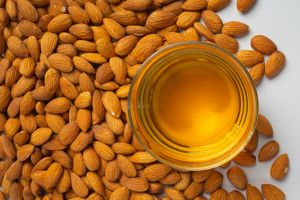
Almond oil is an amazing rejuvenating ingredient used since time immemorial for enhancing the glow. Almond oil has been enriched with linoleic acid & vitamin E & antioxidants which accentuate the beauty of your skin.
Almond oil is yellowish oil extracted from the seeds of the Prunus dulcis tree. It belongs to the family Rosaceae. Almonds are edible seed with great nutritive value. They are abundant source of vitamin E antioxidants.
Almonds are native to southwestern Asia, and grown primarily in Mediterranean climates. California [U.S.A] is the major producer of almonds in the world [ around 80 percent of the global production].
There are two varieties of almonds:
sweet almond (P. dulcis, variety dulcis) and bitter almond (P. dulcis, variety amara). Sweet almonds are the edible type consumed as nuts and used in cooking or as a source of almond oil or almond meal.
Uses of almond oil
Almond oil is used for various purposes :
Cosmetic use
Food preparation
Pharmaceutical use
Others
How does almond oil rejuvenate your skin?
The ageing skin
Skin ageing happens through the synergistic activity of intrinsic as well as extrinsic factors. The intrinsic factors include genetics, cellular metabolism, hormone and metabolic processes. The extrinsic factors of ageing include chronic light exposure, pollution, ionizing radiation, chemicals, toxins.
Apart from the factors leading to normal process of ageing exposure to sun is linked with detrimental effects on skin. UV rays of sun cause premature ageing and it is called photo ageing.
The premature photoaged skin typically shows a thickened epidermis, mottled discoloration, deep wrinkles, laxity, dullness and roughness. Gradual loss of skin elasticity leads to sagging. Slowing of the epidermal turnover rate and cell cycle lengthening worsens aged look of the skin.
Severe loss of fibrillin-positive structures as well as a reduced content of collagen type VII lead to wrinkles in sun exposed prematurely ageing skin. The sparse distribution and decrease in collagen content in photoaged skin may be due to increased collagen degradation by various matrix metalloproteinases, serine, and other proteases irrespective of the same collagen production.
Glycosaminoglycans are among the main dermal skin matrix constituents that help in binding water. In photo-aged skin, these constituents may be associated with abnormal elastotic material and their functions on skin are impaired.
The total hyaluronic acid level in the dermis of skin that age intrinsically remains stable but epidermal Hyaluronic acid diminishes markedly.
UV-generated reactive oxygen species (ROS) are causing photo damage to skin. Wrinkling and pigmentation are the main visible changes of photo ageing.
These factors may act conjointly damaging the skin and overtime the skin appears dull, dry, lusterless and parched.
The primary goal of any skin anti-aging therapy is to achieve a healthy, smooth, blemish-free, translucent and resilient skin. There are various cosmetic procedures and therapies to rejuvenate the skin and repair it. Here we share the natural methods of rejuvenation of skin and in which the potential of almond oil is discussed.
The role of antioxidants on skin
The antioxidants can reduce collagen degradation by reducing the concentration of free radicals in the tissues.
Antioxidants act by:
directly neutralize free radicals
reduce the peroxide concentrations and repair oxidized membranes
quench iron to decrease ROS production
short-chain free fatty acids and cholesteryl esters neutralize ROS through lipid metabolism
Almond oil in reducing the impact of ageing
Almond oil is rich in Vitamin E antioxidants and help to rejuvenate the skin and hair follicles of scalp. It can also remove fizziness of hair. Applying almond oil on your skin and hair everyday may help you get glowing radiant skin and hair.
The antioxidants in almond oil may remove free radical induced damage to your skin. It nourishes skin deeply removing pigmentation and exfoliating the dead tissues.
The almond oil contains vitamins E and K that help skin regeneration and maintain its elasticity.
Almond oil is rich in antioxidants, particularly Vitamin E (α-tocopherol) and phenolic compounds, which protect against oxidative stress, reduce lipid peroxidation and enhance antioxidant enzymes.
Almond oil has emollient and sclerosant properties and, therefore, has been used to improve complexion and skin tone.
Almond oil is extensively used in the cosmetic industry, particularly in dry skin creams, anti-wrinkle and anti-aging products.
Almond oil works as a good moisturizer for your skin and hair. It brings back the supple look of your skin through intense nourishing.
Almond oil used in aroma therapy
Almond oil is one of the best essential oils used in aromatherapy and massage therapy as it helps to remove dryness of skin easily and it helps to rejuvenate body and mind due to its nice aroma.
Recommendations
For better results in your anti-ageing journey eat a handful of almonds daily. The nutritive value of almonds is very high as they are enriched with vitamin E and other antioxidants.
Microplastics drifting through rivers, lakes, and oceans constantly release a complex blend of dissolved organic chemicals into the waters and sunlight exacerbate the deleterious impact on aquatic ecosystem and ultimately it encroaches the food chain. Have a glimpse into the far-reaching consequences ensuing from microplastics on human health &environment.
In the current era of technology and sophistication, the excessive and indiscriminate use of plastics and their irresponsible disposal, which contaminates the environment, is ubiquitous. The microplastics contaminate both the land or terrestrial ecosystem as well as the waters. The aquatic environment is under the threat of chemical contamination and its detrimental impact is inflicted up on the living organisms.
What are microplastics?
Microplastics are tiny plastic fragments (under 5mm) either broken-down from larger plastics or intentionally manufactured sources (like microbeads), They are scattered everywhere and contaminate oceans, water, food, and air. This article by dr sanjana chronicles the impact of microplastics on the aquatic and marine ecosystems as well as on human health.
The term “microplastics” was first introduced in 2004 by Professor Richard Thompson, a marine biologist.
Microplastics pose mammoth threats to the environment and health as they can enter the food chain and potentially trigger inflammation within cells and damage organs.
The existence of microplastics in the environment is often established through aquatic studies. Researches point out that the recent decades have witnessed a surge in the quantity of microplastics in aquatic ecosystems.
How do microplastics enter the ecosystem?
Microplastics enter the natural ecosystems primarily from a variety of sources, including cosmetics, chemicals, industrial and construction wastes, fabrics and food packaging. Various types of Paints are the largest source of microplastic leakage into the ocean and waterways.
Secondary microplastics arise from the degradation of larger plastic products through natural weathering processes after entering the aquatic environment.
Water bottles, soda bottles, fishing nets, plastic bags, microwave containers, tea bags and tire wear top the list of plastics entering the ecosystems.
It is a significant concern that the cosmetic industry contributes microplastics, which can inadvertently enter both the human body and aquatic environments. The scrubbers used in exfoliating, hand cleansers and facial scrubs, have now replaced traditionally used natural ingredients, including ground almond shells, oatmeal, and pumice. Instead microbeads, a form of microplastics are added into them which enter the skin as well as draining water while pedicures, manicure and facials procedures are done.
Microplastics from primary and secondary sources contaminate aquatic and marine environment. Approximately 35% of all ocean microplastics come from textiles or clothing, primarily due to the erosion of polyester, acrylic, or nylon-based clothing, often during the washing process.
Recreational and commercial fishing, marine vessels, and marine industries are all sources of plastic that can directly enter the marine environment. Fishing gear is a form of plastic debris with a marine source of deposition in aquatic system. Discarded or lost fishing gear can drift a long distance and depth in oceanic waters.
Microplastics also exist in drinking water from various sources, bottled water, seafood, salt, sugar, tea bags, milk, and in many other substances entering the food chain. They are linked with countless, profound impacts on the ecosystem and biodiversity.
Impact of microplastics on aquatic life & agriculture
A study shows that 65 million microplastics are released into water sources every day. In 2017, more than eight million tons of plastics entered the oceans, greater than 33 times as much as that of the total plastics accumulated in the oceans by 2015.
The devastating impact on marine as well as terrestrial ecosystems is that microplastics are consumed by organisms living in the ocean including the reefs and other marine organisms and eventually it spreads to food chain and then to terrestrial and atmospheric ecosystems.
Plastic bottles and caps that are used in bottled water have been confirmed as sources of microplastics in drinking-water.
Materials containing polyvinyl chloride (PVC), polycarbonate, polypropylene, and acrylic, can degrade overtime releasing microplastics
Microplastics may also have been widely distributed in soil, especially in agricultural systems through water draining the area and through direct dumping. They can get into the water transport system of plants, and then move to the roots, stems, leaves, and fruits. Once microplastics enter agricultural systems through sewage sludge, compost, and plastic mulching, they will cause food pollution.
Under the influence of sunlight, wind, waves and other factors, plastic degrades into small fragments known as microplastics, or even nanoplastics.
Nanoplastics are believed to be a risk to environmental and human health owing to their small size. They can cross cellular membranes and affect the functioning of cells. Nanoplastics are lipophilic and studies show that polyethylene nanoplastics can be incorporated into the hydrophobic core of lipid bilayers of the cell membranes.
According to a study Nano plastics may cross the epithelial membrane of fish accumulating in various organs including the gallbladder, pancreas, and the brain. Nanoplastics are believed to cause interruptions in bone cell activities, causing improper bone formation.
Sunlight augments fragmentation process to form microplastics
Photo-oxidation caused by sunlight exposure, can reduce the structural integrity of plastic debris to a size that is eventually undetectable to the naked eye. This process of breaking down large plastic material into much smaller pieces is known as fragmentation.
The smallest microplastic reportedly detected in the oceans in 2017 was 1.6 micrometres in diameter. It is an alarming news that microplastics have a high probability of ingestion and accumulation in the cells and tissues of living organisms. The toxic chemicals of aquatic and marine ecosystem leaks into the food chain eventually.
The new findings provide the most comprehensive molecular-level data so far of how microplastic-derived dissolved organic matter [ MPs DOM] forms and changes in natural aquatic environments.
The research, published in the journal New Contaminants, examined four common types of plastic and compared the chemicals they released with naturally occurring dissolved organic matter found in rivers.
By combining kinetic modelling with fluorescence spectroscopy, high-resolution mass spectrometry, and infrared analysis, the research team showed that each plastic type releases its own unique chemical mixture.
Detailed chemical analyses showed that MPs DOM contains a wide range of molecules derived from plastic additives, monomers, oligomers, and fragments formed through photo oxidized reactions. Plastics with aromatic structures, such as PET and PBAT, generated especially complex chemical mixtures.
Impact of microplastics on human health
Micro and nano plastics can cause adverse health impacts on the human body, including physical stress and damage, apoptosis, necrosis, inflammation, oxidative stress and immune responses. All these processes ultimately lead to organ damage.
Microplastic pollution has been linked with respiratory diseases and inflammation, however, the causative role is still unclear. Microplastics accumulate in the brain, mainly polyethylenes and cause cellular damage to neuronal tissues
Microplastics often contain chemical additives like phthalates and bisphenol A (BPA), which are known endocrine-disrupting chemicals. Simply, these are chemical compounds which can disrupt the hormonal rhythm of human body.
Microplastics can disrupt the hypothalamic-pituitary-gonadal (HPG) axis, and lead to reproductive health impairment and infertility.
According to a study conducted by Harvard, microplastics have been linked to inflammation, cell death, lung and liver effects, changes in the gut microbiome, and altered lipid and hormone metabolism.
In a nut shell, the inflammatiory impact of microplastics has been proved beyond any doubts by a large number of research studies conducted worldwide.
A recent study unfolds the fact that exposure to microplastics can alter gene expression, potentially leading to vascular disease and long-lasting conditions.
The environmental risks from microplastics
The chemical compounds released by microplastics can affect aquatic ecosystems in a myriad ways. The microplastic-derived dissolved organic matter [MPs DOM ] is composed of small, biologically accessible molecules that may stimulate or suppress microbial growth, disrupt nutrient cycles, or interact with metals and other pollutants.
A few studies suggests that MPs DOM can produce reactive oxygen species. The reactive oxygen species influence the formation of disinfection byproducts, and alter how pollutants attach to particles in water.
Marine biologists in 2017 discovered that three-quarters of the underwater seagrass in the Turneffe Atoll off the coast of Belize had microplastic fibers, shards, and beads stuck to it. The plastic pieces had been overgrown by epibionts (organisms that naturally stick themselves to seagrass).
Seagrass is part of the barrier reef ecosystem and is fed on by parrotfish, which in turn are eaten by humans. These findings, published in Marine Pollution Bulletin, may be the first discovery of microplastics on aquatic vascular plants… [and] only the second discovery of microplastics on marine plant life anywhere in the world.
A study published in 2023 shows that microplastic exposure led to cognitive impairment in hermit crabs, which could potentially impact their survivability.
It is an alarming fact that plastics can cause impaired cognition in animals. Further extensive studies are to be conducted in this regard as the impact on flora and fauna affect human beings also in the shortest interval as the living organisms are connected through food chains.
As MPs DOM is chemically complex and constantly changing, the researchers suggest that machine learning tools could help forecast how these substances behave in natural waters. Such models could improve risk assessments related to ecosystem health, pollutant transport, and carbon cycling.
The unregulated flow of microplastics into rivers and oceans is a dreadful scenario that demands immediate attention from environmentalists and the legal systems regulating international waters and pollution.
As plastics continue to fragment and degrade under sunlight, the release of MPs DOM is expected to increase overtime causing more grave consequences on all the ecosystems.
Fragmentation of plastics and their long-term environmental impact is still not fully understood. Therefore, vigilance and alertness is necessary in the disposal of plastics into the environment.
In the future, the dynamic derivation of MPs-DOM can be further studied using artificial intelligence techniques, such as machine learning, to support a comprehensive assessment of its environmental implications.
How to reduce microplastics in your environment?
Choose natural fabrics over synthetics.
Wash synthetic clothes less often and use cold water.
Filter your water.
Reduce overall plastic consumption.
Avoid negligent plastic dumping
Keep the aquatic ecosystem clean removing plastics
promote booklet and banners cautioning against disposing fabrics, organic matter, plastics etc. in rivers and oceans as part of religious rituals and festivities
Conserve water and protect rivers and oceans against pollution.
Regulate sewage and industrial waste disposal into marine environment and aquatic ecosystems.
I conclude this article with a note that existence of mankind and biosphere is solely dependent on ecosystems. Love your ecosystems and preserve them with your ingenious wisdom and unity in decision making for posterity as well as for their existing life forms.
written by dr sanjana p
Reference for further reading
Molecular-level insights into derivation dynamics of microplastic-derived dissolved organic matter.
https://med.stanford.edu/news/insights/2025/01/microplastics-in-body-polluted-tiny-plastic-fragments.html Microplastics and our health: What the science says
– A new research-oriented perspective throws light into the mystery of various gene linked diseases
We know that DNA structure is complex. DNA within the cells is not existing as a straight, linear strand. Instead, it bends into loops and forms distinct compartments within the cell nucleus. The dynamic three-dimensional (3D) organization of the human genome (the 4D nucleome) is linked to genome function in a varied way.
A study conducted by a group of researchers in 4D Nucleome Project1 to map and analyse the 4D nucleome in widely used H1 human embryonic stem cells and immortalized fibroblasts (HFFc6).
The scientists at Northwestern University working with the 4D Nucleome Project have made the most comprehensive maps hitherto available, about the human genome organizing in three dimensions and how that organization changes over time.
The research is published in ‘Nature journal and it opens up new windows in genetics and medical science regarding the DNA operations inside living cells. These maps provide a new outlook of how genome structure helps regulate gene activity.
The study provides details about:
More than 140,000 chromatin loops in each cell type, along with the specific elements that anchor those loops and their role in regulating genes.
Detailed classifications of chromosomal domains and their positions within the nucleus.
High-resolution 3D models of entire genomes at the single-cell level, showing how individual genes are arranged relative to nearby genes and regulatory regions.
Together, these findings show that genome structure can vary from one cell to another. The differences are closely tied to essential cellular activities such as transcription and DNA replication.
According to Science daily the mapping 4D nucleome project provides links between chromosome folding and genomic function ; mechanisms of folding can be explored and causal relationships between genome structure and function can be deduced.
These physical arrangements help control which genes are switched on or off, influencing development, cell identity, and the risk of disease.
The analysis uncovered several major features of genome architecture:
this has the potential for the identification of disease-causing mutations and unravel the biological mechanisms behind inherited disorders that were previously difficult to detect.
According to the research team the majority of variants associated with human diseases are located in the non-coding regions of the genome, it is critical to understand how these variants influence essential gene expression and contribute to disease.
The 3D genome organization provides a powerful framework for predicting which genes are likely to be affected by these pathogenic variants.
The study breaks the conventions in genetics that reading DNA sequences alone is insufficient. The physical shape of the genome also plays a key role.
By linking DNA folding, chromatin loops, gene regulation, and cell behavior, the research provides a more comprehensive understanding of the cellular genetic mechanism.
This new study outcome will help researchers understand thoroughly how errors in genome folding contribute to cancer, developmental disorders, and other diseases. leading to new diagnostic strategies and therapies based on genome structure.
Written by dr sanjana p
REFERENCE for further reading
An integrated view of the structure and function of the human 4D nucleome. Nature, 2025; DOI: 10.1038/s41586-025-09890-3
KAIST researchers have found out a new methodology to reprogram immune cells within the cancerous tumors into cancer-killing agents. It is a new development in nano medicine involving macrophages within tumour itself.
Tumours normally contain immune cells called macrophages which are potent enough to attack cancer cells. However, the cancerous or malignant tumour environment suppresses the cancer cell killing potential of macrophages.
Researchers at KAIST have developed a way to overcome this hurdle by directly transforming immune cells[ macrophages] within the tumors into active cancer-fighting agents.
According to KAIST President Kwang Hyung Lee, a research team led by Professor Ji-Ho Park from the Department of Bio and Brain Engineering has developed a new treatment methodology.
He stated that injecting a drug directly into a cancerous tumor, help the macrophages within it to absorb the drug and begin producing CAR (a cancer-recognizing device) proteins.
This process transforms them into anticancer immune cells known as “CAR-macrophages.” This activated macrophages are capable of killing cancer cells. It is indeed a promising therapeutic intervention in immunotherapy for malignancies.
These macrophages are potentiated to stimulate nearby immune cells and thus accentuate the body’s overall immune response against growth of cancer cells. Its an advantage that researchers could develop an interventional or therapeutic method that can be implemented within the body in the shortest period of time.
According to the research team this approach uses lipid nanoparticles – engineered to be easily taken up by macrophages — loaded with both mRNA that carries cancer-recognition instructions and an immune-activating compound.
written by dr sanjana p
Reference for further reading
Jun-Hee Han, Erinn Fagan, Kyunghwan Yeom, Ji-Ho Park. In Situ Chimeric Antigen Receptor Macrophage Therapy via Co-Delivery of mRNA and Immunostimulant. ACS Nano, 2025; 19 (48): 40798 DOI: 10.1021/acsnano.5c09138
R.K Narayan, one of the prominent literary figures of India who uplifted Indian literature into the western literary world in the beginning of 20th century has more than 200 novels, as well as short stories and plays in his credits. Most of his works feature the social context and the quintessential mundane life. His is the renowned author of Malgudi days
Narayan’s distinctive writing style and narrative have been compared with those of Guy de Maupassant by many stalwarts. R. K. Narayan was a distinctive personality in the literary world with his unpretentious expression of a natural element of humour in his works.
Most of his works narrate the stories of common man and his trials and trepidations of life, driving the readers to life experiences that relate to the theme mostly. Throughout his literary journey he wrote explicitly about the intricacies of Indian society without any deviation from his unique characteristic simplicity. His writings had the distinctiveness of the use of nuanced dialogic prose with gentle Tamil overtones based on the nature of his characters. This distinctive style of writing gifted R.K Narayan the sobriquet ‘the Indian Chekhov in the literary horizon’.
Anthony West of The New Yorker opined that Narayan’s writings were of the realism genre of Nikolai Gogol.
Somerset Maugham, The famous English writer on a trip to Mysore in 1938, ardently wished to meet Narayan. Unfortunately, it didn’t happen and Maugham subsequently happened to read Narayan’s book ‘The Dark Room’ and he made a note to Narayan, expressing his admiration about the work.
A glimpse into the private life of R.K. Narayan
Early childhood days
R. K. Narayan was born in a Tamil Brahmin family on 10 October 1906 in Chennai, in the state of Tamil Nadu. He was born as the second child to his parents and his father was a school headmaster and mother a home maker. His grandmother had a great role in his upbringing as he resided with her for a significant part of his childhood in their ancestral home. During that period grandmother taught him arithmetic, mythology, classical Indian music and Sanskrit. In the family mostly the members conversed in English, and grammatical errors on the part of Narayan and his siblings were scowled down. This exposure to English language in daily life might have influenced him later when he set his foot into the literary career.
Narayan had studied at a succession of schools in Madras, including the Lutheran Mission School in Purasawalkam, C.R.C. High School, and the Madras Christian College Higher Secondary School.
He was a voracious reader during his childhood days and he read avidly works of Dickens, Wodehouse, Arthur Conan Doyle and Thomas Hardy.
Young Narayan – the genesis of a writer
Later Narayan moved to Mysore to live with his parents when his father was transferred to the Maharaja’s College High School. The library at the school and his father’s own collections gave him more access to reading, and here he started writing as well.
In 1926 Narayan joined Maharaja College of Mysore and secured a bachelor’s degree. For a brief stint he worked as a school teacher; however, he left the job when he was asked to work as a substitute for the physical training master. This incident prompted him to choose writing as a profession.
His first published work was a book review of Development of Maritime Laws of 17th-Century England. Later he started writing for English newspapers and magazines although it was not a well-paid job which could earn a livelihood. However, he took a firm decision to continue with writing career as family whole heartedly supported it even in the adverse financial circumstances.
In 1930, Narayan wrote his first novel, Swami and Friends, but initially it was confronted with rejection. Later Narayan created Malgudi, a town that was a symbolic cross section of the prevailing society in his works.
Narayan worked as a reporter for a Madras-based daily called ‘The Justice’ dedicated to the rights of non-Brahmins and the job gave him acquaintances with a large network of great people.
Narayan had sent the manuscript of Swami and Friends to a friend at Oxford, and about this time, the friend showed the manuscript to Graham Greene a well-known writer of his time. Greene helped Narayan publish the book in 1935 with his recommendation. The book was semi-autobiographical and had reference to his childhood memoirs.
Narayan’s second novel “The Bachelor of Arts” published in 1937 again with the recommendation of Graham Grene. The theme discussed in the novel had been inspired by the college experiences of the author. It was a narrative that chronicled the transformation of a rebellious adolescent to a mature well-adjusted man.
He published the third novel The Dark Room in 1938 and received good reviews from the readers. The book discussed domestic or marital discord, that depicted the oppression suffered by women under male chauvinism.
In 1937, Narayan’s father died, and Narayan was forced to accept a commission from the government of Mysore as he was not making sufficient income.
Darkest moments of life inspiring to find solace in writing
Later R.K Narayan got married with Rajam but that marriage didn’t last long as his wife died of typhoid in 1939. The untimely demise was traumatic to Narayan and he fell into the abyss of grief and the void the loss had created, for a longtime. He never thought of a remarriage and his prime concern was their daughter Hema, who was only three years old when her mother died. The dejection and despair of his loss in life inspired him to return to writing, perhaps he could find solace in scribbling and the outcome was the novel ‘The English Teacher.’ This book also was autobiographical.
Narayan himself acknowledged that The English Teacher was almost entirely an autobiography, albeit with different names for the characters and the change of setting in Malgudi; he also explains that the emotional narrative in the book reflected his own grief related to his wife’s death. His first collection of short stories, Malgudi Days, was published in November 1942, followed by The English Teacher in 1945.
In between, being cut off from England due to the war, Narayan started his own publishing company, Indian Thought Publications; the publishing company was a success and is still active, currently managed by his granddaughter.
Gradually R.K. Narayan’s novels achieved fame and recognition in far-flung areas. By 1948, he accumulated wealth and built a big house and bought a luxury car of his times. In the meanwhile, Narayan wrote the story for the Gemini Studios also for the film Miss Malini.
In 1951 he published his book The Financial Expert, which is regarded his masterpiece and hailed as one of the most original works of fiction. The next novel, ‘Waiting for the Mahatma’ was a work based on the fictional visit to Malgudi by Mahatma Gandi.
In 1953, his works were published in the United States for the first time, by Michigan State University Press.
The Guide was written while he was visiting the United States in 1956 on the Rockefeller Fellowship. While staying in the U.S., Narayan had the habit of maintaining a daily journal these scribblings later served as the cornerstone for his book ‘My Dateless Diary’.
During a visit to England, Narayan could meet his friend and mentor Graham Greene for the first time in life directly. Grene was his mentor cum supporter in the initial years of publishing of his books.
The Guide was published after his return to India and the book is the embodiment of Narayan’s writing skills and elements such as ambivalent expressions coupled with a riddle-like conclusion. He was honored with Sahitya Academy Award in 1960 for this book.
The Man-Eater of Malgudi, was released in 1961. The book was reviewed as having a narrative that is a classical art form of comedy, with delicate control. After the launch of this book, R.k Narayan visited the U.S.and Australia. He got recognition in India and abroad as an accomplished and talented author of fiction portrayed in a realistic style.
Narayan was a columnist for magazines and newspapers including The Hindu and The Atlantic during that time.
Setting foot on mythology &translation of epics
In 1964, Narayan published his first mythological work, Gods, Demons and Others, a collection of rewritten and translated short stories from Hindu epics.
In 1938, he embarked on a translating journey first translating the Kamba Ramayanam to English and it was published in 1973, after long five years of meticulous researching. Subsequently, Narayan started working on a condensed translation of the Sanskrit epic, the Mahabharata.
Adopting unexplored paths and styles in writing &life
Narayan embarked on a new theme of work and published, The Painter of Signs. Here he took a deviation from his regular plot and experimented with hitherto unaddressed subject of sex in it.
He was elected as an honorary member of the American Academy of Arts and Letters and won the AC Benson Medal from the Royal Society of Literature during this time. Around the same time he rose to international fame and Narayan’s works were translated to Chinese for the first time.
In 1983, Narayan published his next novel, A Tiger for Malgudi, about a tiger and its relationship with humans.
His next novel, Talkative Man, published in 1986, was the tale of an aspiring journalist from Malgudi. During this time, he also published two collections of short stories: Malgudi Days (1982), a revised edition including the original book and some other stories, and Under the Banyan Tree and Other Stories, a new collection.
In 1987, he completed A Writer’s Nightmare, another collection of essays about topics as diverse as the caste system, Nobel prize winners, love, and monkeys. The collection included essays he had written for newspapers and magazines since 1958.
Living alone in Mysore, Narayan developed an interest in agriculture. He bought an acre of agricultural land and tried his hand at farming. He loved walking to the market every afternoon to interact with the people. Perhaps his social connections are reflected in his novels from the earlier years onwards as a writer.
R.K Narayan – a revolting visionary in politics
In 1980, Narayan was nominated to the Rajya Sabha, the upper house of the Indian Parliament, for his contributions to literature. During his entire six-year term, he was focused on one issue—the plight of school children, especially the heavy load of school books and the negative effect of the system on a child’s creativity, which was something that he first highlighted in his debut novel, Swami and Friends.
His inaugural speech highlighted this issue and resulted in the formation of a committee chaired by Prof. Yash Pal, to recommend changes to the school educational system.
In 1990, he published his next novel, The World of Nagaraj, also set in Malgudi. Narayan’s age shows in this work as he appears to skip narrative details that he would have included if this were written earlier in his career. Soon after he finished the novel, Narayan fell ill and moved to Madras to be close to his daughter’s family. A few years after his move, in 1994, his daughter died of cancer and his granddaughter Bhuvaneswari (Minnie) started taking care of him in addition to managing Indian Thought Publications.
Narayan then published his final book, Grandmother’s Tale. The book is an autobiographical novella, about his great-grandmother who travelled far and wide to find her husband, who ran away shortly after their marriage. The story was narrated to him by his grandmother, when he was a child.
In May 2001, Narayan was hospitalised. He died a few days later on 13 May 2001, in Chennai at the age of 94.
Awards &recognitions
Narayan’s early works were compared by critics to that of E. M. Forster, an author who shared his dry and humorous narrative. Often Narayan was labelled as “The South Indian E. M. Forster” by critics and followers. However, Narayan’s work and the linguistic simplicity was not well appreciated by later generation writers. His writings were criticized by some as of a pedestrian style with a shallow vocabulary and a narrow vision. Yet R.K Narayan is one of the most revered and read authors of India and west. He stands out as the luminous star in the literary firmament due to his unique style of simplicity in writing and connectedness with mundane life.
In a career that spanned over many decades Narayan was honored by many accolades and prestigious awards such as :
the AC Benson Medal from the Royal Society of Literature,
the Padma Vibhushan and the Padma Bhushan, India’s second and third highest civilian awards
the Sahitya Akademi Fellowship, the highest honour of India’s National Academy of Letters.
He was also nominated to the Rajya Sabha, the upper house of the Indian Parliament.
In 1964, he received the Padma Bhushan
In 1980, he was awarded the AC Benson Medal by the (British) Royal Society of Literature
In 1982, he was elected an honorary member of the American Academy of Arts and Letters.
He was nominated for the Nobel Prize in Literature multiple times.
In 1986, he was honored by Rajyotsava Prashasti from Government of Karnataka.
He had been conferred with several honorary doctorates by the University of Leeds (1967), Delhi University (1973) and the University of Mysore (1976).
in 2000 nation honored him by awarding India’s second-highest civilian honour, the Padma Vibhushan.
Narayan’s greatest contribution to Indian literature is that he uplifted the Indian literature to the zenith of glory in the western world being a representative of the common man. He is regarded as one of the three eminent Indian fiction writers, writing in English language including Raja Rao and Mulk Raj Anand.
Persimmons are yellowish orange coloured nutritious, edible fruits enriched with vitamins A, C, E, and K,& minerals like potassium, manganese, and copper, along with various types of antioxidants. All these nutrients of persimmon are associated with immense health benefits.
Persimmons are available in a wide variety of species and the mostly consumed variety is Japanese persimmon. The fruits of persimmon are abundant sources of Fibers which help digestion. In addition, it has nutrients which support immunity, vision, improve heart health.
The antioxidants of persimmon are capable of fighting inflammation and delaying premature aging.
Apart from eating this ripe delicious fruit, persimmon has culinary uses also particularly in preparing delicious desserts.
Botanical information about persimmon
Persimmon is an edible fruit tree belonging to Ebenaceae family and genus diospyros. It is commonly cultivated in warm regions in various parts of the globe including China, Korea, Japan, Brazil, Turkey, and Italy& Mediterranean region.
The fruit tree originated in China around 2000 years ago and later it spread to Japan, Korea and all over the world.
Around 400 species of persimmon are planted globally. Out of these, Diospyros kaki, Diospyros virginiana, Diospyros oleifera, and Diospyros lotus are of great significance.
Diospyros.kaki (Japanese persimmon) is considered as the most loved persimmon by the people worldwide. It is also the most widely cultivated species of persimmon. Typically, the tree grows to a height of 4.5 to 18 metres
The leaves of persimmon tree are deciduous and bluish-green in color. In autumn, they turn to yellow, orange, or red. The ripe fruit of the cultivated strains range from glossy light yellow-orange to dark red-orange depending on the species and variety.
The fruit of persimmon has an astringent taste when unripe, due to the presence of tannins in them. As the fruit matures tannin levels fall down and it becomes sweeter and more delicious.
Persimmons may be stored at room temperature (20 °C or 68 °F), where they will continue to ripen. It is recommended that consuming only ripe persimmon is safe in raw form.
Nutritious value of persimmon
Persimmon is well-known for its nutritious value. The fruit is comprising 80.3 % water, 0.58 % protein, 0.19 % total lipids, 18.6 % total carbohydrates
Persimmon also contains some minerals such as magnesium, iron, zinc, copper, manganese, etc.in adequate amounts.
It provides up to 1.48 g and 7.5 mg total dietary fiber, and ascorbic acid respectively. Dietary fiber is present in persimmon in the amounts of 1.20-1.76 % and soluble fiber accounts for 0.52-0.92 %.
Persimmon also contain calcium and potassium in traces.
However, Sugar content (12.5 g/100 g) is higher in persimmon compared to other daily consumed fruits such as apple, peach, pear and orange etc. Among sugars sucrose, glucose & fructose) are plenty.
Persimmons are abundant storehouse of antioxidants. They include proanthocyanidins ,flavonoid oligomers, tannins, phenolic acids and catechin etc. Carotenoids and tannins are found in good amounts.
The major phenolic compounds of persimmon include epicatechin, ferulic acid, gallic acid, protocatechuic acid, vanillic acid, and p-coumaric acid. Persimmon is rich in carotenoids especially β-carotenes.
The bioactive components present in persimmon especially carotenoids and tannin are helpful in neutralizing free radicals, decreasing cardiovascular risk factors (blood pressure & cholesterol), and reducing the risks of diabetes mellitus along with effectiveness against cancer insurgence.
The phenolic compounds antioxidants and dietary fiber are the main constituents responsible for the cardioprotective effects of persimmon.
The condensed tannins and flavonoids also contributes towards antioxidant potential of persimmon thus can be considered as effective agents to prevent various lifestyle related disorders.
The carotenoids and catechins also have some anticancer potential.
Health benefits of persimmon
Antioxidant properties
Persimmon contains carotenoids, polyphenols, ascorbic acid &vitamin E that have antioxidant properties. Antioxidants prevent free radical damage to the body and thus prevent many grave diseases. Most of these bioactive components scavenge free radicals, bind metals, and inhibit the lipid peroxidation. Furthermore, they improve skin health also.
Boosts heart health
Persimmon has great role in reducing bad cholesterol. This cholesterol lowering properties of persimmon help to prevent risk of heart attack. Apart from dietary fibers, minerals and essential trace elements present in persimmon can prevent coronary atherosclerosis and its complications. The cholesterol lowering effects of persimmon and its products are due to decreased cholesterol absorption, cholesterol & fatty acids production.
Boosts immunity & reduces infections
Persimmon is enriched with vitamin C which is a major immunity boosting nutrient. Vitamin C is an effective antioxidant also which prevents development of various organ diseases.
Improves digestion
The Fibers in persimmon helps to improve gut motility and digestion. They also help to reduce cholesterol.
Helps eye health &vision
Persimmon is rich in vitamin A and beta carotenoids which help to improve vision& health of eyes.
Boosts skin health & glow
Persimmon is an abundant source of vitamin A, vitamin C, vitamin E and plenty of antioxidants. These nutrients impart a radiant glow to the skin boosting collagen and skin health. Antioxidants help to minimize the free radical induced damage to the skin from various sources. Thus, it helps anti-ageing.
Safety & caution
Fully ripe Persimmon is an immensely nutritious fruit with good effects. However, some people may be sensitive or allergic to this fruit as with to many other foods. In such cases, if intake of persimmon cause vomiting, stomach upset etc. better avoid eating them.
Unripe persimmons are toxic to body as they contain the soluble tannin shibuol, which, upon contact with a weak acid, polymerizes in the stomach and forms a gluey coagulum, a “foodball” or phytobezoar, that can affix with other stomach matter
Persimmon intake is recommended only in moderate amounts for diabetics as the fruit has a little higher glucose and fructose content while it contains various other vital nutrients to prevent lifestyle diseases.
Some interesting facts about persimmon
For many centuries, Japanese people love to drink persimmon leaf tea. Persimmon leaf tea is called Kaki-No-Ha Cha in Japanese language and it is prepared from the dried leaves of Diospyros kaki or Japanese Persimmon.
Persimmon fruits are eaten fresh, dried, raw or cooked forms.
Dried persimmon fruits are known as gotgam and are used to prepare the traditional Korean spicy punch sujeonggwa
In Taiwan, fruits of astringent or unripe persimmon varieties are sealed in jars soaked in limewater to get rid of the bitterness. Later these slightly hardened varieties are sold as “water persimmon” (shuishizi).
Persimmons can be used in various dessert dishes, most notably pies. They can be used in cookies, cakes, puddings, salads, curries and as a topping for breakfast cereals.
Blueberries are highly nutritious fruits or berries with great anti- ageing potentials. They are rich source of important vitamins and minerals aiding to improve the health of bones, heart , brain and nervous system.
Nutritional facts about blueberries
The blueberries are fruits with high Aggregate Nutrient Density Index (ANDI). This index rates foods based on their vitamin and minerals content, phytochemical composition, and antioxidant capacity. They also provide several health benefits to the body.
They are rich sources of vitamin C, vitamin K, minerals manganese, potassium, calcium and dietary fiber. Blueberries are one of the abundant sources of anthocyanins and other polyphenols antioxidants.
Commercially cultivated highly nutritious blue berry species include high bush blueberry (Vaccinium corymbosum L.), rabbit eye blueberry (V. virgatum Aiton), lowbush blueberry (V. angustifolium Aiton), and European blueberry (V. myrtillus L.).
Blueberries are also enriched with, beta-carotene, folate, choline, and manganese, anthocyanins, vitamins, and minerals & a diverse range of phenolic compounds such as quercetin, kaempferol, myricetin, and chlorogenic acid. These contribute to the antioxidant capacity of blueberries.
Health benefits of blueberries
Blue berries are rich source of antioxidants
The lowbush blueberries [Vaccinium angustifolium] have more anthocyanin and polyphenols with antioxidant properties. Anthocyanins are flavonoid antioxidants. In addition, they contain vitamins having antioxidant properties.
Neuroprotective effect
Owing to the presence of antioxidants in abundance blueberries possess neuroprotective properties. Consumption of blue berries help to prevent neuronal damage in the brain and nervous system. This is very crucial in preventing age related and free radical mediated dementia of various types.
The past few decades have witnessed a surge in Alzheimer’s disease and Parkinson’s disease. Neuronal damage stemming from known and unknown causes contributes to dementia or memory loss associated with these disease conditions. Blue berries help to prevent free radical damage induced neuronal degeneration and prevent neurodegenerative diseases to a large extent.
Cardioprotective properties
Blue berries have cardioprotective effects and hence consumption of blueberries help to prevent heart attacks if combined with efficient lifestyle modifications.
One cup of blueberries can provide around 24 percent of the recommended daily value [dv] of vitamin C. Vitamin C is an effective antioxidant. It also boosts immunity as well as health of blood vessels..
Blueberries to reduce risk factors causing metabolic syndrome
Research data show that regular consumption of blueberries helps to improve the health of arteries, blood lipid levels and reduce the insulin resistance in people with metabolic syndrome. Blueberries can be consumed by diabetic people also. It do not cause a blood glucose spike on moderate intake.
Blueberries improve bone health
Blue berries also improve bone mineralization and bone health. They contain minerals such as iron, phosphorous, calcium, magnesium, manganese, zinc, and vitamin K. Each of these nutrients have great role in the formation of bones &in maintaining bone health. So, blueberries need to be added particularly in the diet of ageing population. Ageing is associated with bone density loss. Menopause is associated with estrogen deficiency associated bone thinning. Cardiac health is also compromised under declining estrogen hormones in menopausal women. Blueberries help to improve heart health as well as bone health. Minerals potassium [114mg], calcium, and magnesium along with Fiber, folate, vitamin C, vitamin B6, and phytonutrients play vital role in protecting heart health.
Blueberries delay signs of skin ageing
Blueberries are abundant source of antioxidants and vitamin C. These nutrients synergistically do good to your skin acting as collagen growth promoters to prevent wrinkles, adding strength to skin and neutralizing free radical damage to skin. They are very effective anti-ageing berries with antioxidant potential and enhances the glow of your skin.
Apart from the health benefits mentioned here blueberries provide several other good effects. They are rich in fibers and hence their role in improving cholesterol as well as digestive health are undeniable.
Blue berries are comparatively low in sodium and fat. Therefore, it can be consumed by obese and hypertensive [ having high blood pressure] people also.
In a nutshell, we can conclude that blueberries are good addition to our diet plans focusing on lifestyle modification to prevent non communicable and life style diseases.
Buddhist art of Indian subcontinent (c. 150 BCE – c. 500 CE) has imbibed the art of other religions & geographical regions due to foreign influence overtime. Sanchi, Bharhut and Amaravati are embodiments of Buddhist art forms. Buddhist stupas and sculptures were built during the reign of various dynasties who ruled the subcontinent
Buddhism in Indian artan overview
Indian art forms are huge in number and it encompasses painting, sculpture, pottery, and textile arts. When you mention Indian arts it includes the art forms of Indian subcontinent existed since many centuries. Geographically, the art spans a wide area encompassing the current India, Pakistan, Bangladesh, Sri Lanka, Nepal, Bhutan, and at times eastern Afghanistan.
The Indian art forms are intricately crosslinked with the religions of the subcontinent. Hinduism, Buddhism, Jainism, Sikhism and Islam have been depicted in the art marvellously.
Foreign influence on Indian art can be seen in various art forms of Indian subcontinent. Central Asia, Iran, and Europe had tremendous influence in developing Indian art due to overseas trade relations with this land.
Sanchi, Bharhut and Amaravati are embodiments of Buddhist art forms with statues and stupas. In these sites stupas are surrounded by ceremonial fences with four profusely carved toranas or ornamental gateways facing the cardinal directions. The Buddhist art monuments are built in stone, though clearly adopting forms developed in wood. Mathura was the most important centre in this development, which applied to Hindu and Jain art as well as Buddhist.
The caves at Ajanta, Karle, Bhaja etc. contain ancient sculptures. Buddhists gave emphasis on making statues of Buddha, influenced by Hindu and Jain religious figurative art.
Greko-Buddhist influence
The Greko-Buddhist influence on art was evident after the conquests of Alexander the Great. This fusion developed in the far north-west of India, especially Gandhara in modern Afghanistan and Pakistan.
BuddhistArt during reign of Kushana empire
The Indian Kushan Empire who reigned northern India had built large statues that were portraits of the royal dynasty
Kushan Empire (c. 30 CE – c. 375 CE) was a syncretic empire in central and southern Asia, From 127 to 151 CE,[ Gandhara] reached the zenith of its glory under the reign of Kanishka. In this period, Kushan art inherited the Greko-Buddhist art.
Mahayana Buddhism flourished, and the depictions of Buddha as a human form first appeared in art wearing a monk’s robe and a long length of cloth draped over the left shoulder and around the body.
The distinctive feature of Gandharan art is its connection to naturalism of Hellenistic art. The naturalistic features seen in Gandharan sculptures include the three-dimensional treatment of the drapery, with unregularized folds that are in realistic patterns of random shape and thickness.
The physical form of the Buddha and his bodhisattvas are well-defined, solid, and muscular, with swelling chests, arms, and abdomens in these art works.
BuddhistArt during Shunga dynasty’s reign
The Buddhist stupa from the Shunga Dynasty is The Great Stupa at Sanchi, believed to be founded by the Mauryan emperor Ashoka c. 273 BCE – 232 BCE during the Maurya Empire. The Great Stupa was enlarged to its present diameter of 120 feet, covered with a stone casing, topped with a balcony and umbrella, and encircled with a stone railing during the Shunga Dynasty c. 150 BCE – 50 BCE.
In addition to architecture, another significant art form of the Shunga Dynasty is the elaborately moulded terracotta plaques. As seen in previous examples from the Mauryan Empire, a style in which surface detail, nudity, and sensuality is continued in the terracotta plaques of the Shunga Dynasty. The most common figural representations seen on these plaques are women, probably goddesses, who are mostly shown as bare-chested and wearing elaborate headdresses.
BuddhistArt during Shatha vahana dynasty rule
Satavahana dynasty (c. 1st/3rd century BCE – c. 3rd century CE) built Amaravati Stupa, the Karla Caves, and the first phase of the Ajanta Caves.
Relief sculptures of Buddhist figures and epigraphs written in Brahmi characters are often found in divine places specific to Buddhism.
To celebrate the divine, Satavahana people also built stone images as the decoration in Buddhist architectures.
Furthermore, the Satavahanas coins made primarily in copper, lead and potin depicts arts of the period.
Gupta art (c. 320 CE – c. 550 CE) of Buddhism
The Gupta period is the golden era for north Indian art and it is found in the Ajanta Caves; the surviving works are chiefly religious sculptures. The period witnessed the emergence of the iconic carved stone deity in Hindu art, as well as the Buddha-figure and Jain tirthankara figures.
The prominent centres of sculpture were Mathura Sarnath, and Gandhara, perhaps the last the centre of Greco-Buddhist art.
Buddhist art in current India
Most of the Buddhist art forms as sculptures, stupas, paintings still exist in Indian subcontinent although a few are in a dilapidated condition due to adverse climate, invasions and wars. In current India one can find Buddhist monuments in various states.
West Bengal: Bharatpur Buddhist Monastery Complex.
These monuments of art at various historical destinations may provide any art afficianados or visitors an elaborate account of the emergence and growth of Buddhism in the subcontinent and how its ideologies rooted in this land. The history Buddhism and art is inseparably merged with the geopolitical history of Indian subcontinent and visiting these destinations may enkindle the principles of Ahimsa and nonviolence in the traveller’s mind and soul along with the aesthetic and visual appeal the monumental arts can offer.
Our ecosystems and its sustainability are intricately linked to numerous factors ranging from human activities to climate change which operate conjointly. The conservation of ecosystem is crucial for the existence of mankind and biodiversity in the coming decades as degradation or decline of ecosystem is associated with natural catastrophes which can wipe out numerous species from this earth forever.
To conserve the integrity of our ecosystem fundamentally an understanding about the structure and function of ecosystems is crucial.
What constitutes an ecosystem?
An ecosystem is a community of living organisms including plants, animals, microbes which interact with each other and the non-living environment (water, soil, air, sunlight) as a functional unit. An ecosystem is characterized by nutrient cycles and energy flows, and can range in size from a puddle to a forest or ocean. The term “ ecosystem “ was first introduced by British biologist Sir Arthur Tansley in 1935.
Ecosystem is regarded as the functional unit of ecology which is the study of our environment and its organisms. Ecosystems denote the interactions between living organisms and their environment.
Ecosystems can be classified in different ways. It can be natural, such as forests, oceans, and grasslands, or human-made, such as agricultural systems and urban areas..
Over a few decades the idea of “ conservation of ecosystems” is fostered all over the globe due to the increased awareness about its role in disaster risk reduction which is simply denoted as Eco-DRR. Natural disasters of high magnitude as well as man-made catastrophes are potent enough to erase many species including mankind or a part of ecosystem altogether.
Moreover, human survival is dependent solely on the ecosystem that provide food, water, and other essential resources.
However, it is a fierce fact that human activities pose great threat to our ecosystem in the form of deforestation, pollution, and overexploitation of natural resources. The long-term sustainability and the preservation of this planet earth for future generations is a task that requires tireless efforts for conservation of ecosystem.
Geohazards such as earthquakes, volcanic eruptions, landslides, and tsunamis could be the consequences of ecosystem degradation and vice versa can happen causing extinction of the ecosystems.
Ecosystem conservation refers to the protection, management, and restoration of ecosystems, and it focuses on maintaining their structure, function, and the biodiversity they support. This strategic movement is implemented giving emphasis to the interdependence of species and their habitats.
Ecosystem conservation strategies underscore the establishment of protected areas, habitat restoration, and the integration of biodiversity conservation.
Types of Ecosystems
1.Terrestrial Ecosystems:
Terrestrial ecosystems are those that are found on land, such as forests, grasslands, and deserts.
Grassland ecosystem is dominated by grasses and herbs.
Forests include the plants, trees, animals µorganism. Forests act as a major carbon sink and regulate temperature and climate.
2.Aquatic Ecosystems: Aquatic ecosystems include sources of water, such as oceans, rivers, and lakes.
Tundra ecosystem is the arctic and Antarctic terrains covered with snow.
3.Urban Ecosystems:
Urban ecosystems are those man-made urban areas, such as parks, gardens, and green roofs.
Examples for ecosystems
The Amazon rainforest is a natural complex ecosystem that contains a diverse range of plant and animal species. The Amazon rainforest ecosystem is under threat of extinction from deforestation and climate change.
The Great Barrier Reef: The Great Barrier Reef is a complex marine ecosystem that includes a diverse range of marine species. The reef is under threat of extinction or degradation from pollution and climate change.
Agricultural Systems: Agricultural systems are human-made ecosystems that are used to produce food and other resources. These systems can be managed to promote sustainability and conservation.
Major issues demanding Ecosystem Management and Conservation
Habitat Loss:
Habitat loss caused by human activities such as deforestation and urbanization can endanger the biodiversity of ecosystems in various ways. Deforestation causes massive biodiversity loss through habitat destruction and species extinction.
Furthermore, it can accelerate climate change releasing stored carbon, reducing CO2 absorption. Deforestation also disrupts water cycles altering rainfall, increasing floods or droughts. It causes severe soil erosion reducing fertility and eventual desertification.
Pollution:
Environmental pollution degrades the health of ecosystems. Air pollution, water pollution, and soil contamination erode the structure of ecosystems. Toxins build up in organisms and become more concentrated up the food chain. This is called bioaccumulation. Heavy metals, pesticides, plastics, and air contaminants (NO3, SO2) bioaccumulate and eventually lead to genetic damage, reproductive failure, and alter the ecosystem resilience.
Pollutants annihilate organisms either directly or by destroying habitats, cause species extinction.
Overexploitation of Natural Resources:
Overexploitation of natural resources cause habitat loss, biodiversity decline, soil erosion, water scarcity and disrupting food webs. For instance, overfishing and mining, undermine the sustainability of ecosystems.
Invasive Species:
An invasive species is a non-native organism (plant, animal, microbe) that spreads aggressively in a new environment, causing harm in multiple ways. They outcompeting with native species disrupt the ecological balance. It is a mammoth threat to biodiversity and ecosystem as they can cause extinctions as well as threaten endangered species. To be termed as invasive, they must adapt quickly, reproduce rapidly, and cause significant damage. Eg: kudzu vine, zebra mussels, and lionfish.
Ecosystem Management and Conservation
Ecosystem management and conservation involve the following:
Understanding Ecosystems:
Understanding the structure and function of ecosystem involves understanding the interactions between living organisms and their physical and chemical environment.
Monitoring Ecosystems:
Monitoring ecosystems means collecting data on ecosystem structure and function. This data is used to inform management decisions and track changes in ecosystem health.
Ecosystem Restoration:
Ecosystem restoration is the process of restoring degraded ecosystems to their natural state. This process includes reforestation, habitat restoration, and water quality improvement.
Sustainable Use:
Sustainable use of ecosystems involves using natural resources in a way that ensures their long-term sustainability. This can involve activities such as sustainable forestry, fisheries management, and agricultural practices.
Policy and Regulation:
This involves establishing laws and regulations that promote sustainable use and conservation of ecosystems.
Conclusion
To sustain on this planet for the generations in the decades and centuries yet to come, we need to conserve our ecosystems from today. Moreover, there is a dire need to mitigate the impact of bioaccumulated toxins in the food chain to survive on this planet at least for the average life span, keeping the quality of life in good state, free from morbidities. To achieve this daunting task a strategic management plan has to be implemented by authorities with participation of common people to preserve the resources and biodiversity with its ecosystem for the posterity.
Breast feeding is very important for the new born baby as breast milk is the major, safe , immunity boosting food for the baby. The antibodies in the breast milk protects the new born against several infections.
Breast milk
The first milk is called colostrum and milk secretion from breasts begins in small amounts and gradually its amount increases. The breast milk production begins in larger amounts between 2 and 4 days after delivery.
On the third day, an infant is normally sucking about 300–400 ml per 24 hours, and on the fifth day 500–800 ml. From day 7 to 14, the milk is called transitional, and after 2 weeks it is called mature milk.
What are the benefits of breast milk for the baby
Major source of energy & nutrients
Boost immunity against infections
Easily digested
Nutritional facts about breast milk
Breast milk contains about 3.5 g of fat per 100 ml of milk, which provides energy
Breast-milk fat is long chain polyunsaturated fatty acids (docosahexaenoic acid or DHA, and arachidonic acid or ARA) that are not available in other milks. These fatty acids are vital for the neurological development.
The Breast milk contains about 7 g lactose per 100 ml, which is more than in most other milks, and a significant source of energy. Breast milk also contains oligosaccharides, which provide protection against infection
The concentration of protein in breast milk (0.9 g per 100 ml) is lower than in animal milks. Therefore, easily digestible and no overload on kidneys of the newborn baby.
Breast milk of a healthy mother contains almost all essential vitamins for the infant except vitamin D.
The breast milk contains minerals iron and zinc in relatively low concentration, but their bioavailability and absorption are high.
Breast milk contains several immunity boosting factors to protect against infections such as:
a] secretory immunoglobulin A (sIgA), which coats the intestinal mucosa and prevents bacteria from entering the cells;
b] white blood cells which can kill micro-organisms;
c] lysozyme and lactoferrins which can kill bacteria, viruses and fungi;
d] oligosacccharides which prevent bacteria from attaching to mucosal surfaces.
Other bioactive factors
Epidermal growth factor present in breast milk stimulates maturation of the lining of the infant’s intestine, making them able to digest and absorb nutrients.
What is colostrum and why is it important to baby?
Colostrum is the special milk that is secreted in the first 2–3 days after delivery.
It is produced only in small quantities, about 40–50 ml on the first day but this first milk is very vital for the baby’s health.
Colostrum is rich in white cells and antibodies which are crucial for immunity.
This first milk colostrum contains protein, minerals and fat-soluble vitamins (A, E and K) than breast milk formed on later days.
Colostrum helps to protect the infant from infections due to the presence of white cells and antibodies.
The epidermal growth factor helps to prepare the lining of the gut to receive the nutrients in milk. It is important that infants receive colostrum, and not other feeds, at this time.
Breast feeding -important for mother &baby
Breast milk is vital for boosting the immunity of the new born as it is
rich in nutrients and immunity boosting antibodies and other factors.
Moreover, breast milk is the major food for the infant for about six months until other nutrient rich food is started.
Also, some studies show that breastfed children perform in a better way on intelligence tests. It is shown that breast fed children generally do not develop obesity later in life. According to studies breast feeding protects mother against the risk of breast and ovarian cancers.
Positioning the mother and baby during breast feeding
To be well attached at the breast for effective suckling of milk, a baby and his or her mother need to be properly positioned. There are many positions for effective suckling during feeding, but a few important points need to be followed in any position.
Position of the mother
The mother can be sitting or lying down or standing, a she prefers. However, she needs to be relaxed and comfortable, and free from strain, particularly of her back. If she is sitting, her back needs to be supported, and she should be able to hold the baby at her breast without leaning forward.
Position of the baby
The baby can breastfeed in several different positions in relation to the mother:
across her chest and abdomen, under her arm, or alongside her body.
Whatever the position of the mother, and the baby, four important points about the position of the baby’s body that are important to observe.
The baby’s body should be straight, not bent or twisted.
The baby’s head can be slightly extended at the neck, which helps his or her chin to be close in to the breast.
The baby should be facing the breast. The nipples usually point slightly downwards, so the baby should not be flat against the mother’s chest or abdomen, but turned slightly on his or her back able to see the mother’s face.
The baby’s body should be close to the mother which enables the baby to be close to the breast, and to take a large mouthful.
The infant should be supported during feeding. The baby may be supported on the bed or a pillow, or the mother’s lap or arm. She should not support only the baby’s head and neck. She should not grasp the baby’s bottom, as this can pull him or her too far out to the side, and make it difficult for the baby to get his or her chin and tongue under the areola.
These points about positioning are especially important for young infants during the first two months of life.
Breast feeding not only provides the sufficient food and immunity to the newborn baby. It develops a bonding between mother and child which is vital for the mental development of the baby. It is recommended to continue breast feeding till the baby grows to the age of 2years if mother still has sufficient secretion of milk.
written by dr sanjana p
References for further reading
1. WHO. Infant feeding: the physiological basis. Bulletin of the World Health Organization. 1989;67(Suppl.):1–107. [PMC ] https://pubmed.ncbi.nlm.nih.gov/2702124/
2.Riordan J. Breastfeeding and human lactation. Boston, USA: Jones and Bartlett; 2004. The biological specificity of breast milk.
3.Butte N, Lopez-Alarcon MG, Garza C. Nutrient adequacy of exclusive breastfeeding for the term infant during the first six months of life. Geneva: World Health Organization; 2002.