

Have you heard about endocrine disruptors and serious health problems consequent to exposure to these compounds? Endocrine disrupting chemicals (EDCs) are compounds accumulating in human body from environment, food products, personal care products etc.
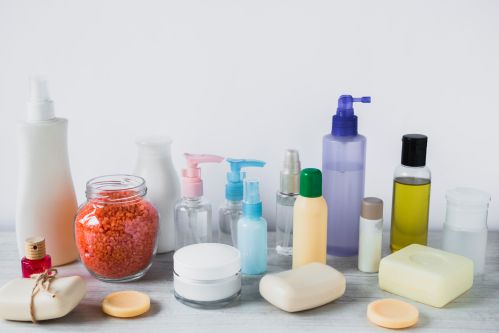
Everybody is aware of the devastating impact of plastics on our ecosystems. The chemicals in plastics and various other consumer products are endangering the health of human beings as well as other organisms in the biosphere. Endocrine disruptors are some of these chemical compounds specifically acting o glands and eventually cause life threatening morbidities and disabilities.
These chemical compounds are grouped under Endocrine disruptors as the name indicates they disrupt the hormonal rhythm of human body. What are these compounds and how do they reach human body?
Before delving deep into the nature of these chemical compounds let us have a glimpse into the hormonal [ endocrine] system of human body.
Endocrine system
The endocrine system plays a pivotal role in coordinating proper functioning of the human body. Hormones play crucial roles in co-ordinating several biological processes such as growth, metabolism, fertility, and reproduction in humans.
Hormones are signaling molecules secreted by glands in human body, but cause significant developmental and biological effects in human body with the slightest variation in their levels.
The major hormones produced by the human body includes thyroid hormones, insulin, pituitary hormones, sex hormones such as estrogen, progesterone, testosterone etc.
Apart from these, adrenalin, noradrenalin, cortisol are hormones produced by adrenal glands which play crucial role in the body in managing the stress response.
What are endocrine disruptors?
Endocrine disrupting chemicals (EDCs) are compounds accumulating in human body from environment, food products, personal care products etc.
These substances are detrimental to the body as they interfere with the normal functioning of the hormonal system. EDCs can be natural as well as man-made origin and they reach the organ systems through diet, air, skin, and water.
The importance for awareness about endocrine disruptors
Recent research studies focus more on endocrine disrupters as these substances show close connection with several serious health problems in males as well as females. It has been pointed out by several previous studies that EDCs cause infertility, nervous system & respiratory system diseases, cardiovascular diseases etc. Furthermore, EDCs are linked with obesity, diabetes, learning disabilities and several other grave ailments.
How do endocrine disruptors cause diseases?
There are various types of endocrine disruptors .Some EDCs can function as “hormone mimics” and the body misinterpret them as hormones and cause disruption in hormonal rhythm of your body. While a few other groups of EDCs block natural hormonal functions in the body. All Hormones have specific functions to do in human body and any slightest error can upset the body functions at various levels.
Some types of EDCs can affect the level of hormones in your blood as they can affect the production, breaking down, or storage of hormones. Moreover, a few EDCs can change the sensitivity of the body to different hormones.
Common types of endocrine disrupting chemicals [ EDCs]
The endocrine disrupters have detrimental impact on human body in myriad ways and quite often it is grave too. According to the Endocrine Society, around 85,000 human-made chemicals in the world, and 1,000 or more of these substances can work as endocrine disruptors. These include
- Industrial chemicals and pesticides
Some well-known examples of this category includes DDT, Chlorpyrifos, Atrazine, 2, 4-D, Glyphosate.
These pesticides reaching the food chain can cause unpredictably grave adverse impacts to the organ systems of human body.
Perchlorate is a colorless salt manufactured and used as an industrial chemical to make rockets, explosives, and fireworks. This compound can also be found in some groundwater sources and can cause health hazards.
- Household chemicals
Lead, Phthalates, Cadmium are a few toxic chemicals reaching from household items of children. Bisphenol A (BPA), Phthalates, Phenol are found in plastics and food storage materials.
Bisphenol A (BPA) is used to make polycarbonate plastics and epoxy resins. It is used in manufacturing, food packaging, toys, and other applications. BPA resins may be found in the lining of some canned foods and beverages.
Phthalates are a large group of compounds used as liquid plasticizers. They are found in some food packaging, cosmetics, fragrances, children’s toys, and medical device tubing.
Some cosmetics of your daily use are sources of phthalates.These include nail polish, hair spray, aftershave lotion, cleanser, and shampoo.
- Fabrics treated with flame retardants
- Cosmetics
Cosmeticssuch as lotions, products with fragrance, and anti-bacterial soaps etc. Triclosan is an ingredient that was previously added to some antimicrobial and personal care products, like liquid body wash and soaps.
- Processed foods
- Soy-based products
The phyto estrogens in soy products can mimic oestrogen hormone in women of reproductive age group and act as an endocrine disruptor.
- Industrial solvents and lubricants contain Polychlorinated biphenyls (PCBs) and Dioxins. Also Brominated Flame Retardants.
PCBs found in building materials are endocrine disruptors.
(PCBs) were used to make electrical equipment, such as transformers, and are in hydraulic fluids, heat transfer fluids, lubricants, and plasticizers. PCBs were mass-produced globally until they were banned in 1979.
Endocrine disruptors [EDCs] and their adverse health effects
Studies that pertain to the impact of EDCs on human health requires cutting edge research in future as corroborative evidences. However, currently it has been found that EDCs can cause:
- Neurological and behavioral changes
- Difficulty with stress response.
- Impact on metabolism
- obesity and type 2 diabetes
- interfere with thyroid function
- infertility
Some classes of EDCs (DDT, BPA, phthalates, PCBs, others) can affect reproductive health by mimicking or blocking the effects of male and female sex hormones
- affect growth and development
- High exposures to EDCs during gestation can lead to low-birth weight in infants and developmental problems.
- Disrupted sexual development
- Low immunity
- Cancer
Exposure to estrogen or androgen mimicking EDCs can promote breast and prostate cancer growth and/or interfere with hormonal cancer therapy
- Impact of EDCs on fetuses and children
High exposure to endocrine disrupting chemicals during gestation or pregnancy can have adverse impact on foetus causing developmental delays and numerous other problems in children as they grow over the years.
Do endocrine disruptor compounds enhance the risk for breast cancer?
It has been suggested that EDC exposures may potentially increase the risk of breast cancer. It is a fact that most of EDCs are highly persistent in the environment and bio-accumulative. However, it has to be researched meticulously to assess the long-term impacts of EDC exposures.
It is recommended that well-designed exposure assessments of potential EDCs in food and food packing are necessary and their potential link to breast cancer development need to be carefully evaluated.
Phthalates -an important endocrine disrupting chemical banned by European countries
Phthalates are chemicals that are used in a variety of cosmetic and personal care products such as hair care products (hair sprays, mousses, and gels), deodorants (including antiperspirants), nail polishes, lotions , skin cleansers, and baby products (oils, lotions, shampoos and diaper creams). The United States and the European Union are currently regulating several phthalates including DEHP and DnBP in children’s products, and it is known that similar action is underway in Canada also.
According to studies diethyl phthalate (DEP), dimethyl phthalate (DMP), diisobutyl phthalate (DiBP), di-n-butyl phthalate (DnBP) and di(2-ethylhexyl) phthalate (DEHP) were detected mostly in these products.
The European Union has banned DnBP and DEHP as both are classified in the European Union as category 2 substances to reproduction, which can impair fertility, or if they cause developmental toxicity in humans.
conclusion
It is impossible to avoid or prevent EDCs encroachment into your life and environment as they are part of most of the daily use products; however their impact can be considerably mitigated by deliberate avoidance of those substances which can act as an endocrine disruptor.
written by dr sanjana p
References for further reading:
- https://pubmed.ncbi.nlm.nih.gov/33819127/
- https://www.sciencedirect.com/science/article/abs/pii/S0013935111000284
- Endocrine Society.”Endocrine-Disrupting Chemicals (EDCs) | Endocrine Society.” Endocrine.org, Endocrine Society, 2 February 2024, https://www.endocrine.org/patient-engagement/endocrine-library/edcs
- https://pubmed.ncbi.nlm.nih.gov/31719706/
- https://pubmed.ncbi.nlm.nih.gov/32903210/
- image courtesy-freepik