Dopamine and serotonin are neurotransmitters produced in your brain and they help regulating mood. However, they have distinct roles in affecting your mood. Dopamine is popularly known as the brain’s “reward/motivation” chemical promoting pleasure, motivation, and motor control, while serotonin is the “happiness” regulator, managing mood, sleep, appetite, and emotional stability.
Dopamine
Dopamine is a neurotransmitter released by neurons [nerve cells in the brain] and they carry signals between neurons. Dopamine is functioning as the “Accelerator” neurotransmitter. It motivates action and reward seeking. High levels feel like pleasure, addiction, or excitement. Dopamine is your supreme motivator. In addition to that role dopamine has role in movement and coordination of the body. It also has integral role in sleep, alertness etc.
While there is a difference between the actions of dopamine and serotonin. Dopamine provides short-term pleasure and motivation, whereas serotonin gives long-term happiness and calmness. Low dopamine causes low motivation.
How to boost the dopamine?
Dopamine boost is achieved by completing tasks, self-care, and engaging in exciting activities.
Exercising, meditating, and getting enough sleep increase.
Major dopamine boosting foods include chicken, eggs, fish, dairy, soy, avocado, nuts, seeds, fruits and vegetables.
Dopamine deficiency is associated with Parkinson’s diseases, hallucinations and schizophrenia.
The optimal range for dopamine in the blood is generally less than 30 picograms per milliliter (pg/mL).
Serotonin
Serotonin is a neurotransmitter produced in brain and gut by the nerve cells which provides satisfaction, calmness and long-term contentment to human beings. Serotonin gives long-term happiness and quietude unlike dopamine which is of short duration.
90% of serotonin is found in the gut and help digestion. Serotonin is present in the enterochromaffin cells in the gut, where it helps regulate the movement of the digestive system [gut motility]. Only 2%of serotonin is present in the central nervous system which plays a crucial role in mental health.
Serotonin levels influence your mood, sleep wake cycle, metabolism, appetite, cognition etc. It plays some role in regulating body temperature.
Serotonin production can be boosted by social connection, mood regulation techniques, and positive thinking. When serotonin levels decrease in your brain it affects neuronal signal transmission. Anxiety, insomnia, depression occurs from low serotonin. Low serotonin levels also cause constipation as it is important for digestion and gut motility.
Serotonin levels are influenced by
Genetics
Stress and environmental factors
Some diseases
How to boost serotonin?
The optimal range for serotonin in the blood is generally 50–220 nanograms per milliliter (ng/mL)
Exercising, meditating, and getting enough sleep helps to increase this neurotransmitter.
Sunlight also has great role in boosting serotonin naturally. Exposure to sunlight for about 10-15 minutes helps serotonin production by the body.
Other ways for managing good serotonin levels in your body include
reducing stress through mindfulness
eating tryptophan-rich foods like eggs, nuts and seeds, turkey, tofu.
Consuming good protein rich foods.
Comparison between dopamine & serotonin
Both serotonin and dopamine are neuromodulators. That means they facilitate communication between neurons even with those neurons that are far away from the neurotransmitters release site.
Both serotonin and dopamine affect sleep wake cycles. Sleepiness is caused by melatonin hormone secreted by pineal gland which has receptors for both neurotransmitters. Wakefulness state is caused by dopamine regulating norepinephrine.
Both helps happy mood but dopamine improves mood instantly and it lasts for a short time while serotonin provides long lasting happiness and calmness.
Both these neurotransmitters are required in the brain only in the optimum levels. Excessive intake of them in the form of medicines is associated with physical and mental problems impairing communication between neurons. Serotonin intake if exceeds normal in depression therapy it may cause serotonin syndrome.
Green tea has become an integral part of the daily life particularly among the urban population.Catechins are the major polyphenolic compound antioxidants in green tea. Catechins have great effect on blood vessels and their vascular protective effects operate through multiple mechanisms.
Cardiovascular health is a hotly debated topic in the wake of surging heart attacks and strokes. Cardiovascular disease (CVD) involves disorders of the heart and blood vessels, such as coronary artery disease, stroke, and heart failure, often caused by atherosclerosis (plaque buildup).
Cardiovascular diseases stem from multiple factors operating in the background. It is also associated with some non-modifiable risk factors such as age, gene etc. However, a major part of the cardiovascular risk is linked with faulty lifestyles such as unhealthy diet, erratic sleep, sedentary life styles etc.
For sustaining a healthy heart and plaque free blood vessels adopt a healthy diet plan. Diet to improve your heart health must include wholegrains, vegetables, fruits, nuts and seeds.
Moreover, one must refrain from hazardous foods weakening health of heart and blood vessels. Limit the following foods for better cardiovascular health. Cake biscuits, pastries, white bread, pasta, pizza, sweet desserts and candies. Avoid almost all junk foods, sugar, white flour and alcohol. For better health of heart & blood vessels along with cardiac diet, moderate physical activity also is recommended under the guidance of a health expert.
Cardiac diet must include whole grains, fruits, vegetables, nuts and seeds. Furthermore, some foods and drinks having potential to improve cardiovascular health need to be included in lifestyle.Green tea is a good option to prevent atherosclerotic plaque build up in blood vessels. Green tea has several other roles in heart and blood vessels. Moderate consumption of green tea also is highly recommended by experts.
Green tea -A treasure trove of antioxidants
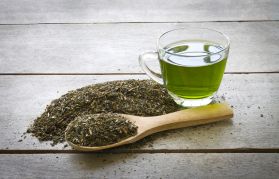
Green tea is commonly brewed using the dried leaves of the plant Camellia sinensis. Catechins are the most abundant antioxidants in green tea.
Green tea is manufactured by either firing or by steaming the fresh leaves, this process inactivates polyphenol oxidase in the fresh leaves. However, steaming prevents the enzymatic oxidation of catechins, the flavonoids in green tea extracts.
The main catechins of green tea are epicatechin (EC), epicatechin-3-gallate (ECG), epigallocatechin (EGC) and epigallocatechin-3-gallate (EGCG)
Around 80% to 90% of total flavonoids of green tea include catechins; EGCG being the most abundant catechin (48–55%). Drinking green tea raises the plasma catechin concentration after 2 to 4 hours of consumption. The plasma catechin levels after ingestion may raise between the range 0.6 to 1.8 μM. Even if the bioavailability is low, the absorbed catechins are still adequate to exert beneficial effects on cardiovascular system.
How to prepare green tea?
Green tea is prepared in a proportion of 1 g of tea leaves to 100 ml of boiling water in a 3-minute brewing.
Research studies substantiate -green tea antioxidants improve cardiovascular health
Does green tea offer protection to the heart?
Recently green tea and its effect on cardiovascular health is researched widely and extensively. Green tea has become an integral part of the daily life particularly among the urban population.
Catechins are the major polyphenolic compounds in green tea.
Catechins have great effect on blood vessels and their vascular protective effects operate through multiple mechanisms.
Catechins have antioxidative, anti-hypertensive, anti-inflammatory, anti-proliferative, anti-thrombogenic, and lipid lowering effects.
The catechins as antioxidants play crucial role in scavenging free radicals. Free radical induced oxidative stress to heart and blood vessels is prevented by catechins.
The catechins inhibit the key enzymes and reduce intestinal lipid absorption, thereby improving blood lipid profile.
Catechins regulate vascular tone by activating endothelial nitric oxide.
Catechins prevent vascular inflammation that has a pivotal role in the progression of atherosclerotic lesions.
Catechins inhibit proliferation of vascular smooth muscle cells by interfering with vascular cell growth factors involved in atherogenesis.
LDL-cholesterol is an important risk factor for the development of heart diseases. Studies showed that green tea consumption helps to achieve a lower ratio of LDL-cholesterol to HDL (high density lipoprotein) cholesterol. This may reduce the risk for clot formation and plaque formation within blood vessels.
Apolipoprotein B (ApoB) is the primary structural protein for LDL, VLDL, and IDL, which is a critical marker for cardiovascular risk. Consumption of green tea catechins supplements have shown to reduce ApoB and improve the ratio of ApoA-1/ApoB. Thus green tea reduces the risk for atherosclerosis and heart diseases associated with it.
Apoprotein B in cardiovascular diseases & green tea consumption impact
Apolipoprotein B (ApoB) is the primary structural protein for LDL, VLDL, and IDL, which is a critical marker for cardiovascular risk.
Nowadays apolipoprotein B and A are studied to assess the cardiovascular risk. It provides a more accurate assessment of heart disease risk than LDL. The reference range of apoB levels in adults is less than 130 mg/dL (1.3 g/L).
ApoB levels are higher in males than in females and tend to increase with age.
A high ApoB level often suggests a higher risk of plaque formation in the blood vessels.
Apolipoprotein B (ApoB) is the primary apolipoprotein component in LDL and high levels of ApoB and decreased Apolipoprotein A-1 (ApoA-1)/ApoB ratio are associated with higher risk of cardiovascular diseases. Green tea has a crucial role in reducing the risk associated with apolipoproteins.
Consumption of green tea catechins supplements have shown to reduce ApoB and improve the ratio of ApoA-1/ApoB.
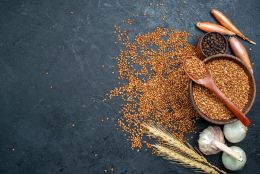
Fingermillet is a highly nutritious gluten free grain which is a good source of calcium, iron,amino acids, fibers, antioxidants etc. Finger millet or ragi is crucial for bone health, digestive health and heart health. It is used as a food beneficial for achieving weight loss and managing blood sugar & cholesterol.
Relevance of healthy food & life style practices
In the digital era, owing to sedentary life styles and junk food consumption majority of the urban population suffer from deteriorating bone health, digestive health and cardiovascular health. Lifestyle diseases such as heart attack, stroke, fatty liver, diabetes etc. conquer a large number of men and women even in their early thirties.
Women also suffer from low bone mineral density and osteoporosis as a complication of poor bone health. Poor nutrition and lack of exercise are the fundamental causes of weakening of bones in women. Particularly post-menopausal women are more vulnerable to osteoporotic bone fractures due to declining female sex hormone oestrogens. They are also at risk of heart attacks as the oestrogen hormone start declining around menopause. A well-balanced diet, healthy mind, physical activity and moderate amount of strength exercises are crucial for bone health. Calcium rich food consumption in adequate amounts help bone health in postmenopausal women and others.
Of late there has been a transformation and awareness in a small fraction of population about the need of healthy food habits and life style practices in order to prevent lifestyle diseases and several other kinds of morbidities which endanger life.
Now people have started thinking about nutrient rich but low sugar low fat foods in the wake of enhanced health and wellness awareness. It is a great step towards a health indeed. They are aware about the dire need of physical activity also in sustaining a healthy body and mind.
Sedentary lifestyle leads to obesity and consequent to that many complications develop. This awareness has prompted many to choose foods having low sugar, low saturated or unhealthy fat and high in all essential nutrients.
Today I am narrating here such a highly nutritious staple food which can provide you with innumerable health benefits from weight loss to heart health. Let us have a glimpse into the nutritional value of finger millet or ragi.
Finger millet [ragi]
Finger millet or ragi is also known as Eleusine coracana. It is grown in several parts of the world particularly in India and Africa. It ranks 6th in production as a staple food after rice, wheat, maze, bajra etc globally.
Nutritional value:
Finger millet contains about 5–8% protein, 65–75% carbohydrates, 15–20% dietary fiber and 2.5–3.5% minerals
Nutritionally, finger millet is an important food due to its high content of calcium (0.38%), dietary fiber (18%) and antioxidant phenolic compounds (0.3–3%).
Calcium -344—364mg/100g
Protein 7g
Dietary fiber11.5g
Iron – 3.9-4.6 mg
Magnesium 137-146mg
Ragi is also well known for several health benefits it provides; such as anti-diabetic, anti-cholesterol, antioxidant and antimicrobial effects.
Finger millets also help weight loss, digestive and cardio vascular health due to fiber content.
The antioxidants in ragi include polyphenols and flavonoids. The polyphenols have antimicrobial, antioxidant and antidiabetic properties.
Health benefits of finger millets
Helps weight loss
The high fiber content of finger millets helps to provide easy satiety and prevent over eating preventing obesity. They also improve digestive health and reduce cholesterol accumulation in the body.
Helps to improve heart health
The fibers in ragi helps to reduce cholesterol and protects heart and blood vessels from atherosclerosis and clots. Thus, improve cardiovascular health.
Beneficial for diabetes management
The finger millets are rich in fibers and it is good for managing blood sugars. Research studies show that the carbohydrates present in finger millet are slowly digested and assimilated than those present in other cereals
Improves bone health
Ragi or finger millet being an abundant source of calcium it helps to improve bone health and muscle functions.It is also a good source of magnesium which is important for bone growth, strength and development
Agood source of iron
Ragi helps to reduce anaemia and its impact in humans as it is a good source of iron. Iron is crucial for proper oxygen delivery to cells by hemoglobin of our blood.
A good source of essential amino acids
Ragi contains essential amino acids tryptophan and methionine. Tryptophan is crucial in the formation of neurotransmitters and helps to improve brain function and maintain mood in a good condition. Tryptophan is necessary for formation of serotonin, melatonin and niacin. These control mood and sleep quality in human beings.
Tryptophan is a precursor in the formation of neurotransmitter seratonine. This neurotransmitter helps to curb appetite and reduce stress induced eating. So tryptophan of fingermillets has crucial rule in preventing obesity related to stress. Also it ensures happy mood helping seratonine production.
Methionine amino acid present in ragi helps to eliminate fat, support liver health and is good for skin and hair.
Antioxidants -prevents organ diseases&premature ageing
Ragi has several antioxidants which prevents oxidative stress induced by free radicals. Oxidative stress being an important link to processes leading to premature ageing. Finger millet antioxidants help to prevent premature ageing resulting from oxidative stress.
Methionine amino acid in ragi also boost skin health.
Free radical damages also cause several organ diseases. The antioxidants protect vital organs from the attack of free radicals .
Gluten free food
It is an excellent food for people having gluten sensitivity such as celiac disease. Ragi or finger millet is totally gluten free and rich in nutrients
Research studies on finger millets
A study conducted in 2010 by Shobana et al has substantiated the hypoglycaemic, hypocholesterolaemic properties. It also has illustrated the property of finger millets in protecting kidneys [1]
Diabetic patients are susceptible to oxidative stress by free radicals. The free radical types reactive oxygen species cause peroxidation of membrane lipids, protein glycation, and health complications. Antioxidants inhibit glycation by scavenging reactive oxygen species. Hegde et al. (2002) studied the role of polyphenol antioxidants of finger millet in this glycation inhibition effect. The study substantiated the antidiabetic properties.
How to include ragi or finger millet in your diet?
Dandruff of scalp is a serious issue affecting the scalp of men and women across the globe. Dandruff is a common scalp disorder with flaky scales and itching of scalp. Sometimes the white flakes falling over shoulders and clothes may lead to low self esteem and depression to the individuals having dandruff.
Dandruff is considered as a non-inflammatory condition of scalp and hair although the precise mechanism causing dandruff is still unclear. Mostly the symptoms of dandruff overlap with that of seborrhoeic dermatitis.
Malassezia is a fungus infection which is often connected with dandruff although it is not regarded as the microbe causing dandruff.
It is an intriguing fact that some steroid medications clearing off dandruff although dandruff is not included in the list of immune mediated diseases.
Dandruff is common among people who are obese and depressed. Therefore, role of hormonal imbalance is a hotly debated topic in connection with dandruff. Emotional stress worsens it.
Dandruff is associated with hair loss also.
What are the causes of dandruff?
The following factors are presumed to contribute to dandruff:
seborrheic dermatitis
overgrowth of a fungus Malassezia
stress
dryness of scalp skin
allergic reactions to some cosmetic products
eczema or psoriasis
Dietary factors
Dandruff & weather conditions
Excessive exposure to sunlight may cause dryness and scaling of the scalp. Dry skin facilitates growth of dandruff.
Cold weather and winter also aggravate it. It can be assumed from these that dandruff shows seasonal fluctuation.
Dandruff &oily scalp
Dandruff is a condition of scalp characterized by increased proliferation of keratinocyte cells. Excess sebum or oil production on scalp may facilitate dirt and impurities to get clogged in the scalp. This may promote the growth of microbes that cause dandruff. Briefly, oily scalp may increase the dandruff risk. However, it has to be noted that everyone with oily scalp is not affected with dandruff.
Oily fat of sebum may help the formation of dandruff to some extent but it is not regarded as the primary cause. Other susceptibility factors of the person may play a major role in dandruff formation.
Dandruff is believed to occur from several other factors such as stress, seasonal changes, fluctuating hormones or excess fungus growth on the scalp etc. The severity of dandruff worsens in winter. In short, oily scalp is more prone to dandruff while other factors also have contributory role in causing dandruff.
Symptoms of dandruff
Dandruff presents as an itchy, scaly scalp and white oily flakes that may fall on the hair or shoulders. It may get worse during the autumn and winter months when the air is very dry.
Individuals having seborrheic dermatitis may have irritated, oily scalp skin and are prone to get dandruff. The skin may appear red, greasy, and covered with flaky white or yellow scales in this condition.
Treatment for dandruff
The American academy of dermatology recommends antidandruff Shampoos and scalp treatment as the solutions for dandruff. Most antidandruff shampoos may have ingredients such as ketoconazole, selenium sulphide,tea tree oil, salicylic acid etc. Different types of shampoos are available in the market. For the best results, always follow the instructions on the shampoo bottle.
Beware of using an anti-dandruff shampoo containing coal tar. Tar shampoo may discolor blonde, grey or white hair, so if you have light-colored hair, you may have to choose a different type of anti -dandruff shampoo.
Tar shampoo also may make your scalp more sensitive to sunlight.
It is advisable to use a conditioner after shampooing your hair. This may help to maintain the moisture content and shine of the hair.
Consult a dermatologist for properly diagnosing your condition and suggest a customized treatment plan.
A dermatologist can suggest a treatment plan based on the underlying causes for dandruff.
Diet to improve scalp health &prevent dandruff
• It is recommended that follow a well-balanced diet to improve scalp health and hair growth.
• Zinc in adequate amounts is important for hair growth and health as it regulates the levels of androgens or male hormones in the body. Any reduction in androgens has been linked to dandruff and also slow hair growth. Consume zinc rich natural foods such as sea foods, some green leafy vegetables, oysters, lobster, baked beans, pumpkin seeds, chickpeas, almonds etc. Do not take supplements without directions from a healthcare provider.
• Omega 3 fatty acids –it helps in managing oil production, regulating inflammation and improving hydration of scalp skin.
• Fruits and vegetables- they contain many antioxidants and anti-inflammatory compounds that can improve scalp skin health.
• Biotin rich foods-egg yolk, salmon, nuts etc. help to improve the health of hair, nails, and skin.
To know in detail about the properties and good effects of each ingredient click on the list given above.
These ingredients have nutrients as well as phytochemicals which can give relief from dandruff if used as topical application on scalp and hair. Among these ingredients Fenu Greek seeds are very effective agents with potential to reduce dandruff and inflammations of scalp.
Olive oil also is anti-inflammatory. Aloe vera gel has unique role in hair smoothening and growth. Aloe Vera is intensely moisturizing to the hair and removes the dryness of hair. It has antibacterial and anti-inflammatory properties. Moreover aloe Vera contains antioxidants also.
Green tea has antioxidant properties. It is anti-inflammatory also. It reduces the UV rays of sun induced damage to hair. Coconut oil is deep penetrating and intensely moisturizes your hair
Hair mask for preventing dandruff
Aloe Vera hair mask
Ingredients
Aloe vera gel 2-4tbsp
Coconut oil 2tbsp
Olive oil 1tbsp
Green tea 1 tbsp
Soaked fenu Greek – 1 tsp
Preparation
Soak Fenu Greek seeds in water overnight and make it a paste grinding in a mixer.
Use either aloe Vera gel bought from market or aloe Vera gel extracted out of the plant.
Mix 2-4 tbsp aloe vera gel [depending on your hair length] with 2tbsp coconut oil and 1tbsp olive oil.
Add green tea solution 1tbsp.
Add all these ingredients mix into the fenu Greek seed paste.
Stir well and apply the mask on your scalp and hair gently. Use a wide toothed comb to spread it all over the length of your hair. Do not rub it on your hair as friction may damage hair roots.
Leave it on your hair for 30 minutes so that the nutritional properties of aloe Vera and oils may nourish the hair well.
After 30 minutes wash with a non-sulphate shampoo or mild herbal shampoo.
Let air dry the hair.
This hair mask may leave your hair soft, shiny and silky
Fenugreek oil and hair mask are very beneficial in imparting hair shine and strength .Fenu greek seeds are having oestrogenic potential and is useful in managing male pattern baldness.
Fenu Greek is a leguminous herb which grows to a height of about 2 feet. The herb is produced mainly in South Indian states such as Rajasthan, Gujarat, Uttar Pradesh, and Tamil Nadu.
Fenu Greek oil is extracted from the seeds. It contains compounds such asdiosgenin.
Diosgenin is a steroid sapogenin. Other sapogenins include yamogenin, gitogenin, tigogenin, and neotigogens. The plant also contains alkaloids such as trigonelline, gentianine, and carpine compounds.
Fenu Greek oil is prepared from Fenugreek (Trigonella foenum graecum L) which is also known as Greek hay.
How to prepare fenugreek oil?
To make fenugreek oil, infuse carrier oil (like coconut or olive) with fenugreek seeds.
Steps:
Firstly you can crush or soak 2 tablespoons of fenugreek (methi) seeds overnight, then drain.
In a pan, warm 1/2 cup of your carrier oil (coconut, olive, castor) on low heat.
Add the ground seeds to the warm oil [along with ingredients like onion juice or curry leaves which is optional]and simmer for 5-10 minutes, stirring occasionally.
Let the mixture cool, then strain through a fine sieve into a clean, airtight bottle.
Benefits of Fenu Greek hair oil
Fenu Greek oil is well known for its potential to prevent hair loss. It is claimed that fenugreek oil provides some beneficial results in managing androgenetic alopecia or male pattern baldness.
Diosgenin component in fenugreek is thought to have the potential to manage male pattern baldness. Diosgenin has oestrogenic hormonal activity. This can oppose dihydrotestosterone which is high in people having male pattern baldness. Owing to the oestrogenic property of diogenin compound fenugreek oil helps inhibition of dihydrotestosterone. Therefore, it can be concluded that diosgenin has anti-androgenic activity. It is having oestrogenic potential and is useful in managing male pattern baldness.
Furthermore, Fenu Greek oil has anti-inflammatory and anti-proliferative properties.
Flavonoids and Trigonelline of the oil cause vasodilation in the scalp. Flavonoids have also been shown to have anti-inflammatory and anti-proliferative effect.
Fenugreek oil has protective effect on skin. It has fungicidal effect against Trichoderma viride, Aspergillus niger, Aspergillus oryzae and Aspergillus flavus and Fusarium graminearum.
A study points out that Fenugreek oil and seeds are effective in managing skin conditions such as Pityriasis sicca.
Antibacterial properties have been reported by several studies.
The fenugreek seed extracts have been found to be effective against E. coli, Salmonella.typhi and Staphylococcus. aureus.
The oil protects scalp skin if applied on hair and scalp regularly.
Usually, fenugreek oil is applied in combination with a carrier oil [ eg: coconut oil] to enhance its penetrating capacity to hair cuticle and scalp.
How to use fenugreek oil on hair?
Only a few drops of the fenugreek oil are to be add to carrier oil such as olive oil or coconut oil. Gently apply the mixture on hair and scalp
Benefits of fenugreek as hair mask
Fenugreek has lecithin which is a natural emollient and helps in strengthening and moisturization of hair. Hence, fenugreek seed extract with water and other ingredients is used as hair mask for achieving healthy clean scalp and shiny soft hair.
Preparation of fenugreek hair mask
Fenugreek hair masks are commonly used for making soft silky healthy hair in traditional medicine. The emollient and moisturizing properties of the seed along with its antifungal effects has been used in the making of hair masks which impart healthy shine and glossiness to hair.
Steps in the preparation of mask:
Soak 2 tablespoons of methi seeds in water overnight
In the morning, blend the soaked seeds into a smooth paste with a little water in a grinder or mixer.
Add 3-4 tablespoons of plain yogurt (curd), aloe vera gel and mix well to form a creamy paste.
Apply this mask and massage gently onto your scalp and hair, from roots to tips. Leave on for 30-45 minutes.
Rinse with lukewarm water or cold water and a mild herbal shampoo.
This hair mask is very much useful in cleaning the scalp ,removing dead skin and dandruff. It provides the hair a smooth shiny luster and softness.
written by dr sanjana vb
References
1. Mullaicharam AR, Deori G, Maheswari RU. Medicinal values of fenugreek – A review. Res J Pharm Biol Chem Sci. 2013;4:1304–13. [Google Scholar]
2. Schulz C, Bielfeldt S, Reimann J. Fenugreek+ micronutrients: Efficacy of a food supplement against hair loss. Cosmetic Medicine. 2006;27:176–9. [Google Scholar]
3. Verma V, Saxena R, Garg P, Sharma S, Khanna P, Singh M, et al. Effect of germinated seeds of fenugreek on malassezia furfur from hair dandruff. Int J Curr Res. 2011;3:322–3. [Google Scholar]
Healthy bones and joints are important for all age groups as they form the skeletal system of our body which help movement and support the body weight.
Bone formation and resorption is a complex process happening with in the body and it is dependent on several factors such as nutrition, physical activity, hormones etc.
Bone strength starts deteriorating with ageing as well as undernutrition. Menopausal and perimenopausal women are more prone to bone strength reduction and osteoporotic fractures consequent to the declining hormones. Ageing men also are predisposed to weak and fragile bones. Bone fractures are common in undernourished children and adults. To understand the role of nutrition for bones , first and foremost let me guide you through the complex processes involved in the physiology of bone formation and resorption. Simply, it defines how bones maintain their structural integrity and strength.
Bones are constantly undergoing structural and biological change, and it is called remodeling of bones. This process continues throughout the lifespan in humans. Various factors affect this remodeling. Nutrition has a significant role in bone remodeling. Particularly, some vitamins and minerals are crucial for the development of bones.
Vitamin D, vitamin K and minerals including calcium, magnesium, phosphorus etc. have significant role in the formation of healthy and strong bones.
Bones are a type of specialized connective tissue with the capacity to remodel based on the needs. The primary cell forming bone is the osteoblast. Osteoblasts secrete a fluid known as osteoid, which is rich in a protein collagen. For the bone to become hard, the osteoid must undergo mineralization with minerals such as calcium and phosphate.
Role of calcium &vitamin D in bone health
Calcium helps bone mineralization and thus strength or hardness of bones. Calcium requirement for adults is 700mg / day. Calcium can keep your bones healthy and vitamin D helps your body absorb calcium.
Adequate amount of vitamin D and calcium in the diet is essential, especially during the period of rapid growth of childhood and adolescence. [Recommended daily intake of calcium is 1300g].
It has been found with various studies that prevalence of Vitamin D deficiency is very high in patients with hip fragility fractures. Vitamin D deficiency is associated with osteoporosis. Calcium, phosphorus, zinc, and magnesium are very important minerals required for bone development and remodeling. Vitamins A.D and K also play significant role in normal bone metabolism. Deficiency of these nutrients weakens bones and may lead to bone fractures.
Best foods that boost bone health
Human body needs a balanced diet with carbohydrate, proteins, vitamins, minerals in adequate amounts for the healthy functioning of skeletal system. Out of these nutrients, some vitamins and minerals are crucial for bone health. A few bone health boosting foods enriched with these micronutrients are listed below:
Milk and other dairy foods
Milk and milk products are great source of calcium. Calcium plays a pivotal role maintaining the health of bones.
Dietary recommendations for including milk, and dairy products are vital for the prevention of osteoporosis.
According to a study children who had avoided milk and other food fortified with calcium, suffered occurrence of fracture before puberty more frequently than children who had consumed cow’s milk.
Another study indicates that intake of dairy products, increases bone mineral density [BMD] of the femoral bone neck and lumbar spine among subjects with normal 25(OH)D concentration [ vitamin D], but not in a group with vitamin D deficiency. This study throws light into the fact that along with calcium and other minerals vitamin D is crucial for bone health.
Another research study points out that people on a pure vegan diet [who avoid milk and milk products] get only insufficient amount of calcium and vitamin D, which may lead to osteoporosis due to a decrease in bone mineral density .
Green leafy vegetables
Green leafy vegetables, such as broccoli, cabbage and okra are rich in calcium, zinc and vitamins A,C and K; However, spinach is not considered as a good source. Although spinach contains calcium, it also contains oxalate, which inhibits calcium absorption.
Vegetables high in calcium include collard greens, turnip greens, kale, mustard greens, beet greens, bok choy, okra, Swiss chard, and broccoli.
Calcium fortified soy milk
About 200 mL of calcium enriched soy milk contains 240 mg of calcium.
Soya beans
Estrogen hormone is protective of bone. Menopause causes a fall in estrogen level in females. postmenopausal estrogen decline is linked with bone loss and enhances the risk for osteoporotic fracture. Soy products contain isoflavones, plant-based estrogenic compounds or phytoestrogens which show an affinity with the estrogen receptor and protects from loss of bone mass.
Most clinical studies on postmenopausal women and soy products point out a positive effect of soy on markers of bone turnover and bone mineral density. However further extensive studies are needed in this regard.
Tofu
Tofu, also called bean curd, is a soft, flavorless food product made from soybeans. Tofu is made from dried soybeans that are soaked in water, crushed, and boiled.
Tofu contains nutrients such as protein, calcium, potassium, and iron. Soy products are rich source of high amount of calcium as well as plant oestrogenic compound isoflavones. These help bone mineralization, prevent bone loss and thus prevent osteoporotic fracture.
Legumes
Beans or legumes contain calcium, magnesium, fiber and other nutrients. But the presence of phytates in legumes limit their role as this compound may interfere with the absorption of calcium that is contained in beans. The phytate level can be reduced by soaking beans in water for several hours and later they can be cooked fresh water.
Nuts
Nuts are enriched with omega 3 fatty acids, protein, and minerals like calcium and magnesium. Almonds and pistachios are good nuts rich in calcium, omega fatty acids and several other nutrients promoting bone health. Almonds are good source of calcium. A half-cup of the nuts alone has 190 mg of calcium.
Small fishes with bones
Include fishes such as sardines and pilchards into your daily diet. These are rich source of omega -3 fatty acids which help bone health in elderly females at the risk of osteoporosis. Oily fish, such as salmon, sardines and mackerel contain long-chain omega-3 fatty acids. The most important biologically active omega 3 polyunsaturated fatty acids, eicosapentaenoic acid and docosahexaenoic acid are mainly derived from certain cold-water fish or their oils. Salmon and tuna are also rich sources of vitamin D, which helps the mineralization of bones and help to improve bone strength.
Egg yolk
Eggs are good source of vitamin D along with several other nutrients which can boost bone strength helping bone mineralization. Consume one egg every day to boost bone health.
Vitamin D fortified foods
Mostly milk, milk products and margarine are fortified with vitamin D. Consumption of vitamin D fortified foods can increase vitamin D intake and has found to be effective in significantly increasing 25(OH)D levels in the body.
Other types of fortified foods include some cereals, juices, staple food, other dairy products and margarine.
Vitamin D fortified foods can strengthen the bones.
Apart from these proteins and vitamin C are important in collagen formation and proper development of skeletal system. Bone strength depends not only on the quantity of bone tissue but also on the quality.
Collagen, primarily Type I, forms the flexible organic framework of the bones, imparting structure and toughness. Osteoblasts [ bone cells]build this collagen matrix, controlling bone formation and remodeling.
The minerals like calcium and phosphate deposit to form hard hydroxyapatite, creating strong, mineralized tissue.
Therefore, intake of foods such as eggs, milk, legumes and citrus fruits, guava, gooseberry etc. is very important in building and maintaining bone strength.
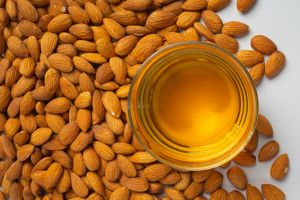
Almond oil is an amazing rejuvenating ingredient used since time immemorial for enhancing the glow. Almond oil has been enriched with linoleic acid & vitamin E & antioxidants which accentuate the beauty of your skin.
Almond oil is yellowish oil extracted from the seeds of the Prunus dulcis tree. It belongs to the family Rosaceae. Almonds are edible seed with great nutritive value. They are abundant source of vitamin E antioxidants.
Almonds are native to southwestern Asia, and grown primarily in Mediterranean climates. California [U.S.A] is the major producer of almonds in the world [ around 80 percent of the global production].
There are two varieties of almonds:
sweet almond (P. dulcis, variety dulcis) and bitter almond (P. dulcis, variety amara). Sweet almonds are the edible type consumed as nuts and used in cooking or as a source of almond oil or almond meal.
Uses of almond oil
Almond oil is used for various purposes :
Cosmetic use
Food preparation
Pharmaceutical use
Others
How does almond oil rejuvenate your skin?
The ageing skin
Skin ageing happens through the synergistic activity of intrinsic as well as extrinsic factors. The intrinsic factors include genetics, cellular metabolism, hormone and metabolic processes. The extrinsic factors of ageing include chronic light exposure, pollution, ionizing radiation, chemicals, toxins.
Apart from the factors leading to normal process of ageing exposure to sun is linked with detrimental effects on skin. UV rays of sun cause premature ageing and it is called photo ageing.
The premature photoaged skin typically shows a thickened epidermis, mottled discoloration, deep wrinkles, laxity, dullness and roughness. Gradual loss of skin elasticity leads to sagging. Slowing of the epidermal turnover rate and cell cycle lengthening worsens aged look of the skin.
Severe loss of fibrillin-positive structures as well as a reduced content of collagen type VII lead to wrinkles in sun exposed prematurely ageing skin. The sparse distribution and decrease in collagen content in photoaged skin may be due to increased collagen degradation by various matrix metalloproteinases, serine, and other proteases irrespective of the same collagen production.
Glycosaminoglycans are among the main dermal skin matrix constituents that help in binding water. In photo-aged skin, these constituents may be associated with abnormal elastotic material and their functions on skin are impaired.
The total hyaluronic acid level in the dermis of skin that age intrinsically remains stable but epidermal Hyaluronic acid diminishes markedly.
UV-generated reactive oxygen species (ROS) are causing photo damage to skin. Wrinkling and pigmentation are the main visible changes of photo ageing.
These factors may act conjointly damaging the skin and overtime the skin appears dull, dry, lusterless and parched.
The primary goal of any skin anti-aging therapy is to achieve a healthy, smooth, blemish-free, translucent and resilient skin. There are various cosmetic procedures and therapies to rejuvenate the skin and repair it. Here we share the natural methods of rejuvenation of skin and in which the potential of almond oil is discussed.
The role of antioxidants on skin
The antioxidants can reduce collagen degradation by reducing the concentration of free radicals in the tissues.
Antioxidants act by:
directly neutralize free radicals
reduce the peroxide concentrations and repair oxidized membranes
quench iron to decrease ROS production
short-chain free fatty acids and cholesteryl esters neutralize ROS through lipid metabolism
Almond oil in reducing the impact of ageing
Almond oil is rich in Vitamin E antioxidants and help to rejuvenate the skin and hair follicles of scalp. It can also remove fizziness of hair. Applying almond oil on your skin and hair everyday may help you get glowing radiant skin and hair.
The antioxidants in almond oil may remove free radical induced damage to your skin. It nourishes skin deeply removing pigmentation and exfoliating the dead tissues.
The almond oil contains vitamins E and K that help skin regeneration and maintain its elasticity.
Almond oil is rich in antioxidants, particularly Vitamin E (α-tocopherol) and phenolic compounds, which protect against oxidative stress, reduce lipid peroxidation and enhance antioxidant enzymes.
Almond oil has emollient and sclerosant properties and, therefore, has been used to improve complexion and skin tone.
Almond oil is extensively used in the cosmetic industry, particularly in dry skin creams, anti-wrinkle and anti-aging products.
Almond oil works as a good moisturizer for your skin and hair. It brings back the supple look of your skin through intense nourishing.
Almond oil used in aroma therapy
Almond oil is one of the best essential oils used in aromatherapy and massage therapy as it helps to remove dryness of skin easily and it helps to rejuvenate body and mind due to its nice aroma.
Recommendations
For better results in your anti-ageing journey eat a handful of almonds daily. The nutritive value of almonds is very high as they are enriched with vitamin E and other antioxidants.
Our ecosystems and its sustainability are intricately linked to numerous factors ranging from human activities to climate change which operate conjointly. The conservation of ecosystem is crucial for the existence of mankind and biodiversity in the coming decades as degradation or decline of ecosystem is associated with natural catastrophes which can wipe out numerous species from this earth forever.
To conserve the integrity of our ecosystem fundamentally an understanding about the structure and function of ecosystems is crucial.
What constitutes an ecosystem?
An ecosystem is a community of living organisms including plants, animals, microbes which interact with each other and the non-living environment (water, soil, air, sunlight) as a functional unit. An ecosystem is characterized by nutrient cycles and energy flows, and can range in size from a puddle to a forest or ocean. The term “ ecosystem “ was first introduced by British biologist Sir Arthur Tansley in 1935.
Ecosystem is regarded as the functional unit of ecology which is the study of our environment and its organisms. Ecosystems denote the interactions between living organisms and their environment.
Ecosystems can be classified in different ways. It can be natural, such as forests, oceans, and grasslands, or human-made, such as agricultural systems and urban areas..
Over a few decades the idea of ” conservation of ecosystems” is fostered all over the globe due to the increased awareness about its role in disaster risk reduction which is simply denoted as Eco-DRR. Natural disasters of high magnitude as well as man-made catastrophes are potent enough to erase many species including mankind or a part of ecosystem altogether.
Moreover, human survival is dependent solely on the ecosystem that provide food, water, and other essential resources.
However, it is a fierce fact that human activities pose great threat to our ecosystem in the form of deforestation, pollution, and overexploitation of natural resources. The long-term sustainability and the preservation of this planet earth for future generations is a task that requires tireless efforts for conservation of ecosystem.
Geohazards such as earthquakes, volcanic eruptions, landslides, and tsunamis could be the consequences of ecosystem degradation and vice versa can happen causing extinction of the ecosystems.
Ecosystem conservation refers to the protection, management, and restoration of ecosystems, and it focuses on maintaining their structure, function, and the biodiversity they support. This strategic movement is implemented giving emphasis to the interdependence of species and their habitats.
Ecosystem conservation strategies underscore the establishment of protected areas, habitat restoration, and the integration of biodiversity conservation.
Types of Ecosystems
1.Terrestrial Ecosystems:
Terrestrial ecosystems are those that are found on land, such as forests, grasslands, and deserts.
Grassland ecosystem is dominated by grasses and herbs.
Forests include the plants, trees, animals µorganism. Forests act as a major carbon sink and regulate temperature and climate.
Aquatic Ecosystems: Aquatic ecosystems include sources of water, such as oceans, rivers, and lakes.
Tundra ecosystem is the arctic and Antarctic terrains covered with snow.
2.Urban Ecosystems:
Urban ecosystems are those man-made urban areas, such as parks, gardens, and green roofs.
Examples for ecosystems
The Amazon rainforest is a natural complex ecosystem that contains a diverse range of plant and animal species. The Aazon rainforest ecosystem is under threat of extinction from deforestation and climate change.
The Great Barrier Reef: The Great Barrier Reef is a complex marine ecosystem that includes a diverse range of marine species. The reef is under threat of extinction or degradation from pollution and climate change.
Agricultural Systems: Agricultural systems are human-made ecosystems that are used to produce food and other resources. These systems can be managed to promote sustainability and conservation.
Major issues demanding Ecosystem Management and Conservation
Habitat Loss:
Habitat loss caused by human activities such as deforestation and urbanization can endanger the biodiversity of ecosystems in various ways. Deforestation causes massive biodiversity loss through habitat destruction and species extinction.
Furthermore, it can accelerate climate change releasing stored carbon, reducing CO2 absorption. Deforestation also disrupts water cycles altering rainfall, increasing floods or droughts. It causes severe soil erosion reducing fertility and eventual desertification.
Pollution:
Environmental pollution degrades the health of ecosystems. Air pollution, water pollution, and soil contamination erode the structure of ecosystems. Toxins build up in organisms and become more concentrated up the food chain. This is called bioaccumulation. Heavy metals, pesticides, plastics, and air contaminants (NO3, SO2) bioaccumulate and eventually lead to genetic damage, reproductive failure, and alter the ecosystem resilience.
Pollutants annihilate organisms either directly or by destroying habitats, cause species extinction.
Overexploitation of Natural Resources:
Overexploitation of natural resources cause habitat loss, biodiversity decline, soil erosion, water scarcity and disrupting food webs. For instance, overfishing and mining, undermine the sustainability of ecosystems.
Invasive Species:
An invasive species is a non-native organism (plant, animal, microbe) that spreads aggressively in a new environment, causing harm in multiple ways. They outcompeting with native species disrupt the ecological balance. It is a mammoth threat to biodiversity and ecosystem as they can cause extinctions as well as threaten endangered species. To be termed as invasive, they must adapt quickly, reproduce rapidly, and cause significant damage. Eg: kudzu vine, zebra mussels, and lionfish.
Ecosystem Management and Conservation
Ecosystem management and conservation involve the following:
Understanding Ecosystems:
Understanding the structure and function of ecosystem involves understanding the interactions between living organisms and their physical and chemical environment.
Monitoring Ecosystems:
Monitoring ecosystems means collecting data on ecosystem structure and function. This data is used to inform management decisions and track changes in ecosystem health.
Ecosystem Restoration:
Ecosystem restoration is the process of restoring degraded ecosystems to their natural state. This process includes reforestation, habitat restoration, and water quality improvement.
Sustainable Use:
Sustainable use of ecosystems involves using natural resources in a way that ensures their long-term sustainability. This can involve activities such as sustainable forestry, fisheries management, and agricultural practices.
Policy and Regulation:
This involves establishing laws and regulations that promote sustainable use and conservation of ecosystems.
Conclusion
To sustain on this planet for the generations in the decades and centuries yet to come, we need to conserve our ecosystems from today. Moreover, there is a dire need to mitigate the impact of bioaccumulated toxins in the food chain to survive on this planet at least for the average life span, keeping the quality of life in good state, free from morbidities. To achieve this daunting task a strategic management plan has to be implemented by authorities with participation of common people to preserve the resources and biodiversity with its ecosystem for the posterity.
Aloe Vera is a widely and extensively used ingredient in cosmetic industry since its potential in anti-ageing of the skin is unraveled. Aloe Vera is one of the best natural agents capable of reducing fine lines and wrinkles on the ageing skin. Its potential to intensely hydrate your skin providing a moisturized, supple look makes it the favorite ingredient in many brands of face packs.
Aloe is a plant that grows in hot, dry climates in subtropics. The scientific name of Aloe vera is Aloe barbadensis miller. It belongs to Asphodelaceae (Liliaceae) family.
Aloe Vera plant has triangular, fleshy leaves with serrated edges. Its flowers may be yellow tubular and its fruit contain numerous seeds.
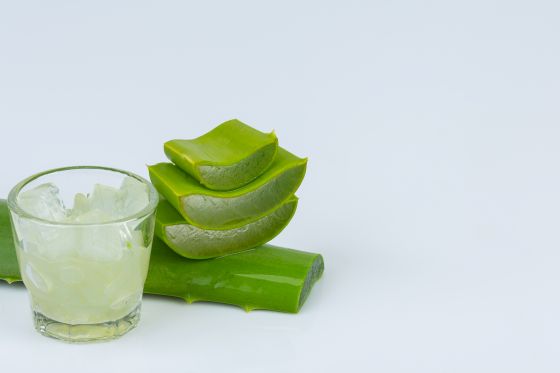
The leaves of Aloe Vera are composed of three layers. An inner clear gel that contains 99% water and rest is made of glucomannans, amino acids, lipids, sterols and vitamins. The middle layer of latex with the bitter yellow sap contains anthraquinones and glycosides.
The outer thick layer has protective function and helps to produce carbohydrates and proteins.
The story of Aloe Vera while flipping through the pages of history.
Aloe Vera has been used as a cosmetic since antiquity. The ancient Greek scientists had given this plant great importance. The Egyptians considered Aloe Vera as “the plant of immortality.”
The name Aloe Vera is derived from the Arabic word “Alloeh” meaning “shining bitter substance,” while “vera” in Latin means “true.”
Aloe Vera has gathered immense popularity since time immemorial as a medicinal plant in Greece, Egypt, India, Mexico, Japan and China for centuries.
It is a curious and interesting fact that Egyptian queens Nefertiti and Cleopatra used Aloe Vera gel as one of the main ingredients of their regular beauty regimes.
The Macedonian emperor Alexander the Great, and Italian explorer and navigator Christopher Columbus were aware of its healing properties and used aloe vera to treat wounded soldiers.
Aloe vera is grown in dry arid regions of India, mostly cultivated in Rajasthan, Andhra Pradesh, Gujarat, Maharashtra, Kerala and Tamil Nadu.
Nutritive value of Aloe vera
Aloe Vera is an abundant source of several important vitamins and minerals. It contains vitamin A (beta-carotene), C and E, which are antioxidants. Aloe Vera is also a great source of vitamin B12, folic acid, and choline. Minerals calcium, chromium, copper, selenium, magnesium, manganese, potassium, sodium and zinc are also present in Aloe Vera.
Aloe Vera has anti-inflammatory properties due to the presence of enzyme Bradykinase. It helps to reduce excessive inflammation when applied to the skin topically.
Good effects of Aloe Vera on your skin
Aloe Vera has been a gathering unprecedented significance in the cosmetic industry, as various clinical trials and studies have vividly suggested the potential of aloe Vera as a good moisturizing and hydrating agent for the skin. It is an excellent topical agent having anti-ageing properties and used for enhancing the beauty of skin reducing wrinkles considerably.
Aloe Vera is used as one of the major ingredients in several natural face packs and hair packs to accentuate the beauty.
Aloe Vera possesses several properties beneficial to skin &hair.
Antioxidant properties
Aloe Vera is rich in vitamins A (beta-carotene), C and E, which are antioxidants and helps to remove or free radicals causing oxidative stress to your skin.
Anti-inflammatory action
Bradykinase enzyme in aloe Vera helps to reduce excessive inflammation to the skin as a topical agent
Antibacterial properties
Aloe vera is a source of Lupeol, salicylic acid, urea nitrogen, cinnamonic acid, phenols and sulfur. All these have inhibitory action on fungi, bacteria and viruses.
Wound healing
Aloe Vera has polysaccharide compounds which can increase skin fibroblast activity and proliferation, and thus collagen production which may lead to wound healing and repair. Aloe gel not only increases collagen content of the wound but also changes collagen composition (more type III) and increased the degree of collagen cross linking. Due to these properties, aloe Vera gel can boost wound contraction and increased the breaking strength of resulting scar tissue of wound.
An increased production of hyaluronic acid and dermatan sulfate in the granulation tissue of a healing wound following oral or topical treatment with aloe vera has been reported.
Anti-ageing properties
Aloe Vera also has Glucomannan, a mannose-rich polysaccharide, and gibberellin, a growth hormone which can increase collagen production which gives strength and tightness to your skin preventing wrinkles.
Furthermore, the antioxidant vitamins A (beta-carotene), C and E protect your skin from free radical mediated injury or oxidative stress.
Anti-inflammatory properties
Bradykinase enzyme in aloe Vera helps to reduce excessive inflammation on skin. Aloe Vera can prevent excessive inflammation on skin tissue as It inhibits the cyclooxygenase pathway and reduces prostaglandin E2 production from arachidonic acid.
Recently, the novel anti-inflammatory compound called C-glucosyl chromone has been isolated from aloe vera gel extracts.
Aloe vera hydrates your skin.
Aloe Vera improves hydration of your skin and gives moisturized supple look. Mucopolysaccharides in aloe Vera facilitates binding moisture into the skin.
Protects against U V radiation damage to skin
Aloe vera gel as a topical application has a protective effect against radiation damage to the skin. A study shows that following the administration of aloe vera gel, an antioxidant protein, metallothionein, is generated in the skin, which scavenges hydroxyl radicals. It also prevents suppression of superoxide dismutase and glutathione peroxidase in the skin. It reduces the production and release of skin keratinocyte-derived immunosuppressive cytokines such as interleukin-10 (IL-10).
Skin diseases are improved by aloe Vera
Topical use of aloe is promoted for acne, lichen planus (a very itchy rash on the skin or in the mouth), oral submucous fibrosis, burning mouth syndrome, burns, and radiation-induced skin toxicity.
Is aloe Vera safe for consumption?
Generally, it is believed that prolonged use of laxative has been linked to increased risk of colorectal cancer. Laxative effect may cause electrolyte imbalances also. According to the U.S. Food and Drug Administration ruling of 2002 manufacturers need to remove aloe from over-the-counter laxative products because of a lack of safety data. Anthraquinones present in latex are a potent laxative. It increases intestinal water content, stimulates mucus secretion and increases intestinal peristalsis. Aloe Vera preparations in over dose may produce abdominal cramps, diarrhea, red urine, hepatitis, dependency or worsening of constipation. So excessive intake of aloe vera is not recommended.
However, it’s very safe and effective on skin as an anti-ageing topically applied agent. Those who have allergy to raw aloe vera gel may use synthetic or company made aloe vera gels of various brands.
Contraindication to consume aloe vera:
1. The intake of aloe Vera is contraindicated in people having known allergy to plants in the Liliaceae family.
2. Oral aloe is not recommended during pregnancy as it may stimulate uterine contractions.
3.It is contraindicated in breastfeeding mothers, as it may sometime causes gastrointestinal upsets to the baby.
Clinical trials data for benefits of aloe Vera on skin diseases
Seborrheic dermatitis, psoriasis vulgaris, genital herpes, skin burns, diabetes (type 2), HIV infection, cancer prevention, ulcerative colitis. Pressure ulcers, mucositis, radiation dermatitis, acne vulgaris, lichen planus, frostbite, aphthous stomatitis, and constipation have been benefited by aloe vera gel application as a topical agent.
Results of studies regarding the role of aloe Vera on wound healing are mixed with some studies reporting positive results while others showing no benefits.
Written by dr sanjana p
References for further reading
Anti-inflammatory action: Aloe vera inhibits the cyclooxygenase pathway and reduces prostaglandin E2 production from arachidonic acid. Recently, the novel anti-inflammatory compound called C-glucosyl chromone was isolated from gel extracts. https://pubmed.ncbi.nlm.nih.gov/9579551/
West DP, Zhu YF. Evaluation of aloe vera gel gloves in the treatment of dry skin associated with occupational exposure. Am J Infect Control. 2003;31:40–2. https://pubmed.ncbi.nlm.nih.gov/12548256/
DASH diet is well- known for improving hypertension and heart health. However studies show that it offers several other health benefits for people having diabetes, metabolic syndrome, colon cancer , PCOS etc.
Over a couple of decades, lifestyle diseases have conquered the health of urban as well as rural populations alike, enhancing the mortality rate from heart attacks, stroke, various types of cancers etc. Globally around 19.8 million people died from cardiovascular diseases in the year 2022. Out of these 85% deaths were due to heart attacks and strokes.
The deteriorating heart health is a serious concern which needs timely intervention to prevent increasing mortality from heart attacks. Generally cardiovascular diseases arise from behavioral and environmental risk factors such as unhealthy habits of smoking, tobacco use, unhealthy diet with excessive fat, salt and sugar. Obesity, Physical inactivity, air pollution, alcohol intake are the other contributory risk factors. Both men and women are victims of obesity and sedentary, unhealthy lifestyles enhancing their risk for life style diseases particularly heart attacks.
Life style modifications to prevent heart attacks
Healthy heart can be achieved through consistent and steady healthy lifestyle practices and prevention of environmental risk factors.
It is crucial to identify the risk factors posing threat to the health of your heart through early screening tests. Early detection of the enhanced risk helps to prevent the incidence of heart attacks.
Lifestyle modifications are inevitable for achieving a healthy heart. Of late lifestyle medicine clinics are giving emphasis to life style changes for all for preventing heart attacks and other cardiovascular events.
It encompasses healthy habits, healthy diet and environment and mind body relaxation techniques, restorative sleep , physical activity, positive social connections. All these lifestyle modifications are targeting at reducing the risks leading to cardiovascular diseases.
lifestyle changes mustinclude :
Fostering behavioral changes
Healthy habits to prevent heart diseases
Quit smoking
Avoid alcohol intake
Reduce stress
Increase moderate physical activity
Mind body relaxation
Avoid exposure to polluted air & smoke from automobiles etc.
2.Adopting a healthy nutrition plan
Healthy diet for heart
There are several dietary patterns for healthy heart such as Mediterranean diet, DASH DIET etc. DASH diet is discussed here as it also helps to reduce the impact hypertension on the heart.
DASH diet – A comprehensive overview
DASH – Dietary Approaches to Stop Hypertension.
Although in the beginning of 90s DASH diet was given emphasis to reduce hypertension [ high B.P] later its good effects were proved in the management of various other conditions also.
DASH diet includes whole grains, fruits, vegetables, nuts, fish, lean meat and low-fat dairy foods etc. Fruits and vegetables provide nutrients like potassium, calcium, magnesium, and fiber that are important for fighting high blood pressure. These nutrients also can improve insulin resistance and glucose levels
The DASH diet recommends
more whole-grain foods, fish, poultry,nuts. Lean meat is recommended while red meat is limited.
Healthy fats, such as olive and canola oil or avocados, nuts are included in DASH diet.
The diet limits sodium, sweets, sugary drinks, and red meats.
Foods that are high in saturated fat, cholesterol, and trans fats are restricted or limited.
How to change your daily diet to DASH diet?
You can not make a tectonic shift in your current lifestyle instantly. It needs steady and consistent efforts motivating yourself or by taking the service of a nutrition expert or life style health provider. The results do happen if you adhere to this plan of lifestyle modification and practice it consistently.
1. Include low glycaemic index fruits like berries, plums, grape ,oranges etc. to your meals or as a snacking item. Canned and dried fruits are easily available for use but with no added sugar or salt in them.
2. Reduce the consumption of butter, margarine, or fatty salad dressing and consume low-fat or fat-free items.
3. Consume low-fat or skimmed dairy products
4. Include more vegetables like kale, broccoli, spinach etc. to your diet.
5. Restrict eating fried items or sweets. Eat unsalted nuts, raisins, low-fat and fat-free yogurt, frozen yogurt.
6. While purchasing packed foods, read food labels to choose products that are lower in sodium.
Healthy carbohydrates included under DASH:
Carbohydrates in the DASH diet are mainly composed of cellulose and starches. It is mainly present in plant fiber. Reducing carbohydrates in the diet or eating “low carb diet” is not as healthy as that may lead to decreased caloric intake than recommended or consumption of unhealthy fats as a substitute.
Consume whole grains: cracked wheat, millets, oats etc.
Green leafy vegetables & fruits recommended in DASH
Kale, broccoli, spinach, collards, mustards are included.
Fruits:
Low glycemic index fruits such as cherries, grapes , pears ,oranges ,apples ,plums ,berries are recommended
Protein sources recommended in DASH diet:
Legumes and beans are included chiefly in this diet. DASH recommends more servings of plant proteins like legumes, soy products, nuts, and seeds. Animal protein in the diet mainly includes lean meats, low-fat dairy, eggs, and fish.
Processed meat is not recommended as they have the potential to be carcinogenic [causing cancer] or may raise blood pressure.
Healthy fats in DASH diet:
Healthy fats prevent inflammation, provide essential fatty acids, and help general health. When consumed in moderation, these fats have been shown to increase HDL and lower small dense LDL particles.
Some of the sources of good fats also included in DASH include:
Olive oil, Avocados, Nuts, Hemp seeds, Flax seeds, Fish rich in omega-3 fatty acids
Minerals- recommended sources in DASH diet:
DASH diet recommends intake of foods rich in potassium, calcium, and magnesium as these prevent endothelial dysfunction and promote endothelial, smooth muscle relaxation.
Some of the foods rich in potassium include bananas, oranges, and spinach.
Calcium is found in good amounts in dairy products and green leafy vegetables.
Magnesium is present in a variety of whole grains, leafy vegetables, nuts, and seeds.
Benefits of DASH diet in cardiovascular health
Helps to reduce high blood pressure
Reduce the risk for heart disease, heart failure, and stroke
Help prevent or control type 2 diabetes
Reduce bad cholesterol levels.
According to NIH [U.S.A] the recommended DASH diet is served as follows:
Grains 6–8 servings/day
Meats, poultry, and fish 6 or less servings/day
Vegetables 4–5 servings /day
Fruit 4–5 servings/day
Low-fat or fat-free dairy products 2–3 servings/day
Fats and oils 2–3/day
Sodium 2,300 milligrams (mg) or 1,500 mg of salt (sodium) per day
Nuts, seeds, dry beans, and peas 4–5 servings weekly
Sweets 5 or less servings weekly.
DASH diet – role in diabetes , metabolic syndrome,polycystic ovarian syndrome & colon cancers.
Extensive research studies have been conducted all over the world to unravel the good effects of DASH diet beyond its potential to make a positive impact in the management of high blood pressure [ hypertension].
Several studies have shown that the DASH diet helps lower blood glucose levels, triglycerides, LDL-C, and insulin resistance. All these are major risk factors if brought under control by a dietary modification the health is protected against diabetes , heart attacks, stroke , cancers , metabolic syndrome and much more. The research study gives great hope for the management of non-communicable diseases through lifestyle modification.
DASH diet helps to reduce the risk for heart attack and stroke in people suffering from metabolic syndrome. DASH diet is prescribed as an adjunct to pharmacological therapy in metabolic syndrome [high blood pressure, high cholesterol and high blood sugar]. Metabolic syndrome is often associated with excess fat around waist or central obesity
DASH diet also reduces the risk of colon cancer
Studies have shown a reduction in the incidence of colorectal cancer.
According to a study DASH diet has been found helpful toreduce insulin resistance and central obesity in women having polycystic ovarian syndrome [PCOS].
Of late PCOS is posing great health complications in women of reproductive age group being an impediment to fertility as it alters hormonal balances causing anovulation. DASH diet can be recommended for women having PCOS to improve insulin resistance and re establish hormonal balance. It also helps in addressing truncal obesity in PCOS women.
One study corroborates this finding as it concludes that following the DASH diet for 8 weeks in overweight and obese women with PCOS resulted in the improvement of insulin resistance, serum hs-CRP levels, and abdominal fat accumulation [4].
Research studies show that the monounsaturated fats and polyunsaturated fats of foods chosen in this dietary pattern can help to improve insulin, androgens, and cholesterol levels in women with PCOS.
Nuts are main ingredients of DASH diet. They are rich infiber, omega-3 fatty acids, protein, and essential vitamins and minerals.
* Dash diet helps for lowering blood pressure, particularly in diabetic patients.
* The DASH diet has been recommended as the best dietary choice for obese people who want to lose weight, maintain a healthy weight and lower the blood pressure.
DASH diet not only improve your heart health but overall health . If you are on the verge of metabolic syndrome, hypertension, obesity, polycystic ovarian syndrome, DASH diet may help you. However, consulting a health care provider is recommended if you have complex health issues.