

Tag: hair growth

  • Dandruff solutions

     Dandruff of scalp is a serious issue affecting the scalp of men and women across the globe. Dandruff is a common scalp disorder with flaky scales and itching of scalp. Sometimes the white flakes falling over shoulders and clothes may lead to low self esteem and depression to the individuals having dandruff.
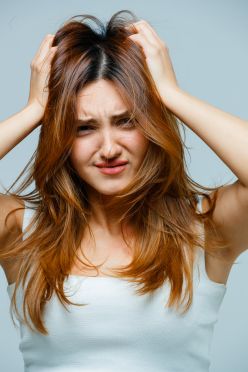
    Dandruff is considered as a non-inflammatory condition of scalp and hair although the precise mechanism causing dandruff is still unclear. Mostly the symptoms of dandruff overlap with that of seborrhoeic dermatitis.

    Malassezia is a fungus infection which is often connected with dandruff although it is not regarded as the microbe causing dandruff.

    It is an intriguing fact that some steroid medications clearing off dandruff although dandruff is not included in the list of immune mediated diseases.

    Dandruff is common among people who are obese and depressed. Therefore, role of hormonal imbalance is a hotly debated topic in connection with dandruff. Emotional stress worsens it.

    Dandruff is associated with hair loss also.

    What are the causes of dandruff?

    The following factors are presumed to contribute to dandruff:

    • seborrheic dermatitis
    • overgrowth of a fungus Malassezia
    • stress
    • dryness of scalp skin
    • allergic reactions to some cosmetic products
    •  eczema or psoriasis
    • Dietary factors

    Dandruff & weather conditions

    Excessive exposure to sunlight may cause dryness and scaling of the scalp. Dry skin facilitates growth of dandruff.

     Cold weather and winter also aggravate it. It can be assumed from these that dandruff shows seasonal fluctuation.

    Dandruff &oily scalp

       Dandruff is a condition of scalp characterized by increased proliferation of keratinocyte cells. Excess sebum or oil production on scalp may facilitate dirt and impurities to get clogged in the scalp. This may promote the growth of microbes that cause dandruff. Briefly, oily scalp may increase the dandruff risk. However, it has to be noted that everyone with oily scalp is not affected with dandruff.

     Oily fat of sebum may help the formation of dandruff to some extent but it is not regarded as the primary cause. Other susceptibility factors of the person may play a major role in dandruff formation.

    Dandruff is believed to occur from several other factors such as stress, seasonal changes, fluctuating hormones or excess fungus growth on the scalp etc. The severity of dandruff worsens in winter. In short, oily scalp is more prone to dandruff while other factors also have contributory role in causing dandruff.

    Symptoms of dandruff

    Dandruff presents as an itchy, scaly scalp and white oily flakes that may fall on the hair or shoulders. It may get worse during the autumn and winter months when the air is very dry.

    Individuals having seborrheic dermatitis may have irritated, oily scalp skin and are prone to get dandruff. The skin may appear red, greasy, and covered with flaky white or yellow scales in this condition.

    Treatment for dandruff

    The American academy of dermatology recommends antidandruff Shampoos and scalp treatment as the solutions for dandruff. Most antidandruff shampoos may have ingredients such as ketoconazole, selenium sulphide,tea tree oil, salicylic acid etc. Different types of shampoos are available in the market. For the best results, always follow the instructions on the shampoo bottle.

     Beware of using an anti-dandruff shampoo containing coal tar. Tar shampoo may discolor blonde, grey or white hair, so if you have light-colored hair, you may have to choose a different type of anti -dandruff shampoo.

    Tar shampoo also may make your scalp more sensitive to sunlight.

    It is advisable to use a conditioner after shampooing your hair. This may help to maintain the moisture content and shine of the hair.

    Consult a dermatologist for properly diagnosing your condition and suggest a customized treatment plan.

    A dermatologist can suggest a treatment plan based on the underlying causes for dandruff.

    Diet to improve scalp health &prevent dandruff
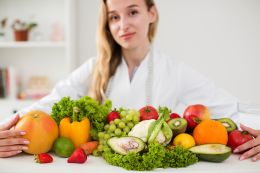
    •  It is recommended that follow a well-balanced diet to improve scalp health and hair growth.

    •  Zinc in adequate amounts is important for hair growth and health as it regulates the levels of androgens or male hormones in the body. Any reduction in androgens has been linked to dandruff and also slow hair growth. Consume zinc rich natural foods such as sea foods, some green leafy vegetables, oysters, lobster, baked beans, pumpkin seeds, chickpeas, almonds   etc. Do not take supplements without directions from a healthcare provider.

    •  Omega 3 fatty acids –it helps in managing oil production, regulating inflammation and improving hydration of scalp skin.

    •  Fruits and vegetables- they contain many antioxidants and anti-inflammatory compounds that can improve scalp skin health.

    •  Biotin rich foods-egg yolk, salmon, nuts etc. help to improve the health of hair, nails, and skin.

    •  Zinc rich foods –oysters, lobster,baked beans,pumpkin seeds, chickpeas,almonds.

    Home remedies for dandruff management

    •  Exfoliating the scalp regularly with hair and scalp masks can avoid dead skin cells clogging the pores on scalp.

    •  Stress reduction is important as anxiety worsens seborrheic dermatitis. Do practice mind body exercises.

    Some natural ingredients for reducing dandruff:

    To know in detail about the properties and good effects of each ingredient click on the list given above.

    These ingredients have nutrients as well as phytochemicals which can give relief from dandruff if used as topical application on scalp and hair. Among these ingredients Fenu Greek seeds are very effective agents with potential to reduce dandruff and inflammations of scalp.

    Olive oil also is anti-inflammatory. Aloe vera gel has unique role in hair smoothening and growth. Aloe Vera is intensely moisturizing to the hair and removes the dryness of hair. It has antibacterial and anti-inflammatory properties. Moreover aloe Vera contains antioxidants also.

    Green tea has antioxidant properties. It is anti-inflammatory also. It reduces the UV rays of sun induced damage to hair. Coconut oil is deep penetrating and intensely moisturizes your hair

    Hair mask for preventing dandruff

     Aloe Vera hair mask

    Ingredients

    Aloe vera gel      2-4tbsp

    Coconut oil         2tbsp

    Olive oil               1tbsp

    Green tea            1 tbsp

    Soaked fenu Greek – 1 tsp

    Preparation

    • Soak Fenu Greek seeds in water overnight  and make it a paste grinding in a mixer.
    • Use either aloe Vera gel bought from market or aloe Vera gel extracted out of the plant.
    • Mix 2-4 tbsp aloe vera gel [depending on your hair length] with 2tbsp coconut oil and 1tbsp olive oil.
    • Add green tea solution 1tbsp.
    • Add all these ingredients mix into the fenu Greek seed paste.
    • Stir well and apply the mask on your scalp and hair gently. Use a wide toothed comb to spread it all over the length of your hair. Do not rub it on your hair as friction may damage hair roots.
    • Leave it on your hair for 30 minutes so that the nutritional properties of aloe Vera and oils may nourish the hair well.
    • After 30 minutes wash with a non-sulphate shampoo or mild herbal shampoo.
    • Let air dry the hair.

    This hair mask may leave your hair soft, shiny and silky

    writte by dr sanjana p

    References for further reading

    1. https://www.ncbi.nlm.nih.gov/pmc/articles/PMC2887514/
    2. https://pubmed.ncbi.nlm.nih.gov/27328441/
    3. https://www.sciencedirect.com/science/article/pii/S002231662214321X
    4. https://pubmed.ncbi.nlm.nih.gov/2394299/

  • Nutrition – to promote hair growth

    Nutrition plays a key role in the growth and repair of hair in human body. Many vitamins ,minerals and other nutrients are crucial for hair growth.

    Deficiencies of crucial nutrients lead to hair loss, although various other factors  also have been attributed as the causation of hair loss.

    A list of important nutrients for promoting hair growth as well as for preventing hair loss is listed below:

    Vitamin A influence hair growth cycle

    Vitamin A is a fat-soluble vitamin essential for the growth of healthy hair. However, it has been found that both deficiency and excess of vitamin A can cause hair loss.  Retinoic acid form of vitamin A helps to regulate hair follicle stem cells, influencing the functioning of the hair cycle.

    Beta-carotene or the pro vitamin A is also important to hair growth as beta-carotene is converted to vitamin A which helps growth of hairs.

    Pro vitamin A carotenoids are plant pigments that the body converts into vitamin A in the intestine. The main pro vitamin A carotenoids are beta-carotene, alpha-carotene, and beta-cryptoxanthin. Sources of provitamin A are leafy green vegetables, orange and yellow vegetables, tomato products, fruits, and some vegetable oils.

    Preformed vitamin A is found in foods from animal sources, including dairy products, eggs, fish, and meats.

    Vitamin B complex to nourish hair follicles

      B group vitamins particularly vitamins B1, B2, Niacin & Pantothenic acid play crucial role in hair growth. Reduced levels of thiamin (vitamin B1), riboflavin (vitamin B2), niacin, and pantothenic acid can contribute to the undernourishment of hair-follicle cells.

    Sources of B vitamins are Fortified breakfast cereals, fish beans, lentils, green peas, enriched or fortified cereals, breads, brown rice, sunflower seeds ,yogurt.

    Vitamin B5 (pantothenic acid) gives hair flexibility, strength and shine and helps prevent hair loss and greying.

    Pantothenic acid is found in a wide variety of foods like nuts, seeds, dairy milk, yogurt potatoes eggs, brown rice oats, broccoli,  fortified cereals ,organ meats (liver, kidney), beef, chicken breast,  mushrooms, avocado.

    Bacteria in the gut can also produce pantothenic acid to a small extent, although it is not adequate for bodily functions.

    The Recommended Dietary Allowance (RDA) of vitamin B5 for men and women is 5 mg daily. For pregnancy and lactation, the amount increases to 6 mg and 7 mg daily, respectively.

    Vitamin B12 to prevent hair loss

     Vitamin B12 helps prevent the loss of hair and can be found in fish, eggs, chicken and milk.

    Sources of vitamin B12 are:

    •     milk

    •     cheese

    •     yogurt

    •     meat

    •     fish-salmon, trout

    •     eggs

    •     clams

    •     shiitake mushroom

     Folic acid to boost hair follicle cell division and growth.

    Folic acid is important for hair growth as folic acid deficiency may contribute to decreased hair-follicle cell division and growth.

    Folic acid is also essential for the maintenance of healthy methionine amino acid levels in the body.

    The main dietary sources of folic acid are:

    o   tomato

    o   fresh fruits-oranges, grapefruit, papaya, banana, avocado

    o   turnip greens, spinach, romaine lettuce, asparagus, brussels sprouts, broccoli , mustard greens, green peas,

    o   cantaloupe

    o   beans

    o   peanuts

    o   sunflower seeds

    o   whole grains

    o   liver

    o   seafood

    o   eggs

    o   fortified foods and supplements

    o   crab

    o   hard-boiled egg

    o   beef liver

    Women  of reproductive age need 400 mcg of folic acid every day.

    Biotin for preserving hair strength, texture, and function.

     According to a study conducted at Harvard University biotin is one of the most important nutrients for preserving hair strength, texture, and function.

     Good food sources of biotin are eggs, liver and soy.

    Biotin from natural sources helps hair growth. However, biotin intake as a supplement for hair loss is not having any scientific evidence.

    People who are eating adequate amount of protein may not suffer from biotin deficiency; however vegans may be at risk.

     Vitamin C to build collagen for maintaining the strength of hair

     Vitamin C intake is crucial in patients with hair loss associated with iron deficiency as it plays an important role in the intestinal absorption of iron.

    Vitamin C helps to build collagen, which is vital for hair growth as well as for maintaining the strength of hair. Collagen plays a significant role in the health of the scalp and hair follicles.

    Collagen is the primary component of the dermis that contains hair follicles. Declining collagen levels associated with ageing may contribute to hair loss.

    The chief sources of vitamin C include :

    • Strawberries
    • Papaya
    • Potato
    • Broccoli
    • Kiwi fruit
    • Mangoes

    Vitamin D

    Vitamin D is linked with particular type of hair loss alopecia areata , in which hair is lost in circular spots. Vitamin D has crucial role in immune system functions and hence linked with an autoimmune disease alopecia areata.

     It is a vitamin you get from exposure to sun. Meat, fish,  milk, eggs and some oils are rich in vitamin D.

     Vitamin E to maintain the integrity of cell membranes of hair follicles

    Vitamin E is important to maintain the integrity of cell membranes of hair follicles. The vitamin also provides  stability to cell membranes and functions as an antioxidant while promoting healthy skin and hair.

    Vitamin E is an effective antioxidant  which fights  against free-radical damage causing hair loss.

     The chief sources of vitamin E include nuts and seeds, wheat germ oil, Sunflower, safflower, and soybean oil, sunflower seeds, almonds, avocado, peanuts, peanut butter, beet greens, collard greens, spinach & pumpkin.

     Amino acids

    Amino acids  L-methionine and L- cystein  play a vital role in hair health. Proteins are the major sources of amino acids.

    L-Methionine, one of four sulfur-containing amino acids, supports hair strength by providing adequate amounts of sulfur to hair cells.

    L-Cystein – supports hair strength providing sulphur.

    The main sources of methionine are animal products as they contain all the essential amino acids and include meat, fish, poultry, eggs, and dairy products. The plant sources are sunflower seeds, tofu, edamame, black beans, refried beans, cashews.

    Proteins for hair growth

    Proteins play a significant role in the growth as well as in the maintenance of strength of hair. The daily requirement is 0.83 g/kg BW.

    Sources of healthy proteins:

    • Lean meat
    • Eggs
    • Soy products.
    • Legumes, which include beans and peas
    • Nuts & seeds
    • Dairy products, such as milk, cheese, and yogurt.
    • Whole grains
    • Vegetables

     Minerals for maintaining healthy hair

     A few minerals including iron, magnesium, sulfur, silica, selenium and zinc are also very important for maintaining healthy hair.

    Selenium helps in protecting the hair from oxidative damage . It also helps  in hair follicle morphogenesis. The mineral is involved in hair growth and is needed by the body for regulating and activating thyroid hormones, imbalances of which can lead to hair fall. Liver, fish, eggs, whole grains, meat, fish, nuts etc. are excellent sources of selenium.

    Iron also play a vital role in hair loss prevention. Telogen effluvium is a type of excessive amount of hair loss related to deficiency of iron. It is essential to ensure the intake of iron, and maintain adequate amounts of serum ferritin [iron storage in the body]. Consume more leafy vegetables, beans such as red kidney beans and chickpeas, seafood etc.

     Iodine is important for the production of thyroid hormones. Variations in thyroid hormone levels can lead to hair thinning and hair loss. Main sources of iodine are seaweed (nori, kelp, kombu, wakame),fish, shellfish (cod, canned tuna, oysters, shrimp, iodized table salts ,dairy (milk, cheese, yogurt)eggs, beef liver, chicken.

    Omega 3 fatty acids for  hair growth and maintenance of follicular health.

    Omega 3 fatty acids also have a significant role in hair growth and maintenance of scalp and hair follicular health. The essential omega-3 fatty acids found in fish sources, prevent a dry scalp and dull hair color.

    Most important sources of omega 3 fatty acids are walnuts, chia seeds, flax seeds, fish oil, flaxseed oil etc. These are vital nutrients that support the health of hair follicles.

        For the healthy growth of your hair include foods rich in all the essential nutrients or take supplements under the directions from your doctor depending on the degree of nutrient deficiency in your body .Diet has a key role in hair loss treatment also.

    written by dr sanjana p souparnika

     References

    1.       https://www.ncbi.nlm.nih.gov/pmc/articles/PMC6380979/

    2.       https://www.hsph.harvard.edu/nutritionsource/iodine/

    3.       http://siahmsrwellness.in/nutrition/list/essential-nutrients

    4.       https://www.ncbi.nlm.nih.gov/pmc/articles/PMC9324272/

    5. https://www.freepik.com/search?format=search&img=1&last_filter=img&last_value=1&query=healthy+hair