Our ecosystems and its sustainability are intricately linked to numerous factors ranging from human activities to climate change which operate conjointly. The conservation of ecosystem is crucial for the existence of mankind and biodiversity in the coming decades as degradation or decline of ecosystem is associated with natural catastrophes which can wipe out numerous species from this earth forever.
To conserve the integrity of our ecosystem fundamentally an understanding about the structure and function of ecosystems is crucial.
What constitutes an ecosystem?
An ecosystem is a community of living organisms including plants, animals, microbes which interact with each other and the non-living environment (water, soil, air, sunlight) as a functional unit. An ecosystem is characterized by nutrient cycles and energy flows, and can range in size from a puddle to a forest or ocean. The term “ ecosystem “ was first introduced by British biologist Sir Arthur Tansley in 1935.
Ecosystem is regarded as the functional unit of ecology which is the study of our environment and its organisms. Ecosystems denote the interactions between living organisms and their environment.
Ecosystems can be classified in different ways. It can be natural, such as forests, oceans, and grasslands, or human-made, such as agricultural systems and urban areas..
Over a few decades the idea of ” conservation of ecosystems” is fostered all over the globe due to the increased awareness about its role in disaster risk reduction which is simply denoted as Eco-DRR. Natural disasters of high magnitude as well as man-made catastrophes are potent enough to erase many species including mankind or a part of ecosystem altogether.
Moreover, human survival is dependent solely on the ecosystem that provide food, water, and other essential resources.
However, it is a fierce fact that human activities pose great threat to our ecosystem in the form of deforestation, pollution, and overexploitation of natural resources. The long-term sustainability and the preservation of this planet earth for future generations is a task that requires tireless efforts for conservation of ecosystem.
Geohazards such as earthquakes, volcanic eruptions, landslides, and tsunamis could be the consequences of ecosystem degradation and vice versa can happen causing extinction of the ecosystems.
Ecosystem conservation refers to the protection, management, and restoration of ecosystems, and it focuses on maintaining their structure, function, and the biodiversity they support. This strategic movement is implemented giving emphasis to the interdependence of species and their habitats.
Ecosystem conservation strategies underscore the establishment of protected areas, habitat restoration, and the integration of biodiversity conservation.
Types of Ecosystems
1.Terrestrial Ecosystems:
Terrestrial ecosystems are those that are found on land, such as forests, grasslands, and deserts.
Grassland ecosystem is dominated by grasses and herbs.
Forests include the plants, trees, animals µorganism. Forests act as a major carbon sink and regulate temperature and climate.
Aquatic Ecosystems: Aquatic ecosystems include sources of water, such as oceans, rivers, and lakes.
Tundra ecosystem is the arctic and Antarctic terrains covered with snow.
2.Urban Ecosystems:
Urban ecosystems are those man-made urban areas, such as parks, gardens, and green roofs.
Examples for ecosystems
The Amazon rainforest is a natural complex ecosystem that contains a diverse range of plant and animal species. The Aazon rainforest ecosystem is under threat of extinction from deforestation and climate change.
The Great Barrier Reef: The Great Barrier Reef is a complex marine ecosystem that includes a diverse range of marine species. The reef is under threat of extinction or degradation from pollution and climate change.
Agricultural Systems: Agricultural systems are human-made ecosystems that are used to produce food and other resources. These systems can be managed to promote sustainability and conservation.
Major issues demanding Ecosystem Management and Conservation
Habitat Loss:
Habitat loss caused by human activities such as deforestation and urbanization can endanger the biodiversity of ecosystems in various ways. Deforestation causes massive biodiversity loss through habitat destruction and species extinction.
Furthermore, it can accelerate climate change releasing stored carbon, reducing CO2 absorption. Deforestation also disrupts water cycles altering rainfall, increasing floods or droughts. It causes severe soil erosion reducing fertility and eventual desertification.
Pollution:
Environmental pollution degrades the health of ecosystems. Air pollution, water pollution, and soil contamination erode the structure of ecosystems. Toxins build up in organisms and become more concentrated up the food chain. This is called bioaccumulation. Heavy metals, pesticides, plastics, and air contaminants (NO3, SO2) bioaccumulate and eventually lead to genetic damage, reproductive failure, and alter the ecosystem resilience.
Pollutants annihilate organisms either directly or by destroying habitats, cause species extinction.
Overexploitation of Natural Resources:
Overexploitation of natural resources cause habitat loss, biodiversity decline, soil erosion, water scarcity and disrupting food webs. For instance, overfishing and mining, undermine the sustainability of ecosystems.
Invasive Species:
An invasive species is a non-native organism (plant, animal, microbe) that spreads aggressively in a new environment, causing harm in multiple ways. They outcompeting with native species disrupt the ecological balance. It is a mammoth threat to biodiversity and ecosystem as they can cause extinctions as well as threaten endangered species. To be termed as invasive, they must adapt quickly, reproduce rapidly, and cause significant damage. Eg: kudzu vine, zebra mussels, and lionfish.
Ecosystem Management and Conservation
Ecosystem management and conservation involve the following:
Understanding Ecosystems:
Understanding the structure and function of ecosystem involves understanding the interactions between living organisms and their physical and chemical environment.
Monitoring Ecosystems:
Monitoring ecosystems means collecting data on ecosystem structure and function. This data is used to inform management decisions and track changes in ecosystem health.
Ecosystem Restoration:
Ecosystem restoration is the process of restoring degraded ecosystems to their natural state. This process includes reforestation, habitat restoration, and water quality improvement.
Sustainable Use:
Sustainable use of ecosystems involves using natural resources in a way that ensures their long-term sustainability. This can involve activities such as sustainable forestry, fisheries management, and agricultural practices.
Policy and Regulation:
This involves establishing laws and regulations that promote sustainable use and conservation of ecosystems.
Conclusion
To sustain on this planet for the generations in the decades and centuries yet to come, we need to conserve our ecosystems from today. Moreover, there is a dire need to mitigate the impact of bioaccumulated toxins in the food chain to survive on this planet at least for the average life span, keeping the quality of life in good state, free from morbidities. To achieve this daunting task a strategic management plan has to be implemented by authorities with participation of common people to preserve the resources and biodiversity with its ecosystem for the posterity.
Aloe Vera is a widely and extensively used ingredient in cosmetic industry since its potential in anti-ageing of the skin is unraveled. Aloe Vera is one of the best natural agents capable of reducing fine lines and wrinkles on the ageing skin. Its potential to intensely hydrate your skin providing a moisturized, supple look makes it the favorite ingredient in many brands of face packs.
Aloe is a plant that grows in hot, dry climates in subtropics. The scientific name of Aloe vera is Aloe barbadensis miller. It belongs to Asphodelaceae (Liliaceae) family.
Aloe Vera plant has triangular, fleshy leaves with serrated edges. Its flowers may be yellow tubular and its fruit contain numerous seeds.
The leaves of Aloe Vera are composed of three layers. An inner clear gel that contains 99% water and rest is made of glucomannans, amino acids, lipids, sterols and vitamins. The middle layer of latex with the bitter yellow sap contains anthraquinones and glycosides.
The outer thick layer has protective function and helps to produce carbohydrates and proteins.
The story of Aloe Vera while flipping through the pages of history.
Aloe Vera has been used as a cosmetic since antiquity. The ancient Greek scientists had given this plant great importance. The Egyptians considered Aloe Vera as “the plant of immortality.”
The name Aloe Vera is derived from the Arabic word “Alloeh” meaning “shining bitter substance,” while “vera” in Latin means “true.”
Aloe Vera has gathered immense popularity since time immemorial as a medicinal plant in Greece, Egypt, India, Mexico, Japan and China for centuries.
It is a curious and interesting fact that Egyptian queens Nefertiti and Cleopatra used Aloe Vera gel as one of the main ingredients of their regular beauty regimes.
The Macedonian emperor Alexander the Great, and Italian explorer and navigator Christopher Columbus were aware of its healing properties and used aloe vera to treat wounded soldiers.
Aloe vera is grown in dry arid regions of India, mostly cultivated in Rajasthan, Andhra Pradesh, Gujarat, Maharashtra, Kerala and Tamil Nadu.
Nutritive value of Aloe vera
Aloe Vera is an abundant source of several important vitamins and minerals. It contains vitamin A (beta-carotene), C and E, which are antioxidants. Aloe Vera is also a great source of vitamin B12, folic acid, and choline. Minerals calcium, chromium, copper, selenium, magnesium, manganese, potassium, sodium and zinc are also present in Aloe Vera.
Aloe Vera has anti-inflammatory properties due to the presence of enzyme Bradykinase. It helps to reduce excessive inflammation when applied to the skin topically.
Good effects of Aloe Vera on your skin
Aloe Vera has been a gathering unprecedented significance in the cosmetic industry, as various clinical trials and studies have vividly suggested the potential of aloe Vera as a good moisturizing and hydrating agent for the skin. It is an excellent topical agent having anti-ageing properties and used for enhancing the beauty of skin reducing wrinkles considerably.
Aloe Vera is used as one of the major ingredients in several natural face packs and hair packs to accentuate the beauty.
Aloe Vera possesses several properties beneficial to skin &hair.
Antioxidant properties
Aloe Vera is rich in vitamins A (beta-carotene), C and E, which are antioxidants and helps to remove or free radicals causing oxidative stress to your skin.
Anti-inflammatory action
Bradykinase enzyme in aloe Vera helps to reduce excessive inflammation to the skin as a topical agent
Antibacterial properties
Aloe vera is a source of Lupeol, salicylic acid, urea nitrogen, cinnamonic acid, phenols and sulfur. All these have inhibitory action on fungi, bacteria and viruses.
Wound healing
Aloe Vera has polysaccharide compounds which can increase skin fibroblast activity and proliferation, and thus collagen production which may lead to wound healing and repair. Aloe gel not only increases collagen content of the wound but also changes collagen composition (more type III) and increased the degree of collagen cross linking. Due to these properties, aloe Vera gel can boost wound contraction and increased the breaking strength of resulting scar tissue of wound.
An increased production of hyaluronic acid and dermatan sulfate in the granulation tissue of a healing wound following oral or topical treatment with aloe vera has been reported.
Anti-ageing properties
Aloe Vera also has Glucomannan, a mannose-rich polysaccharide, and gibberellin, a growth hormone which can increase collagen production which gives strength and tightness to your skin preventing wrinkles.
Furthermore, the antioxidant vitamins A (beta-carotene), C and E protect your skin from free radical mediated injury or oxidative stress.
Anti-inflammatory properties
Bradykinase enzyme in aloe Vera helps to reduce excessive inflammation on skin. Aloe Vera can prevent excessive inflammation on skin tissue as It inhibits the cyclooxygenase pathway and reduces prostaglandin E2 production from arachidonic acid.
Recently, the novel anti-inflammatory compound called C-glucosyl chromone has been isolated from aloe vera gel extracts.
Aloe vera hydrates your skin.
Aloe Vera improves hydration of your skin and gives moisturized supple look. Mucopolysaccharides in aloe Vera facilitates binding moisture into the skin.
Protects against U V radiation damage to skin
Aloe vera gel as a topical application has a protective effect against radiation damage to the skin. A study shows that following the administration of aloe vera gel, an antioxidant protein, metallothionein, is generated in the skin, which scavenges hydroxyl radicals. It also prevents suppression of superoxide dismutase and glutathione peroxidase in the skin. It reduces the production and release of skin keratinocyte-derived immunosuppressive cytokines such as interleukin-10 (IL-10).
Skin diseases are improved by aloe Vera
Topical use of aloe is promoted for acne, lichen planus (a very itchy rash on the skin or in the mouth), oral submucous fibrosis, burning mouth syndrome, burns, and radiation-induced skin toxicity.
Is aloe Vera safe for consumption?
Generally, it is believed that prolonged use of laxative has been linked to increased risk of colorectal cancer. Laxative effect may cause electrolyte imbalances also. According to the U.S. Food and Drug Administration ruling of 2002 manufacturers need to remove aloe from over-the-counter laxative products because of a lack of safety data. Anthraquinones present in latex are a potent laxative. It increases intestinal water content, stimulates mucus secretion and increases intestinal peristalsis. Aloe Vera preparations in over dose may produce abdominal cramps, diarrhea, red urine, hepatitis, dependency or worsening of constipation. So excessive intake of aloe vera is not recommended.
However, it’s very safe and effective on skin as an anti-ageing topically applied agent. Those who have allergy to raw aloe vera gel may use synthetic or company made aloe vera gels of various brands.
Contraindication to consume aloe vera:
1. The intake of aloe Vera is contraindicated in people having known allergy to plants in the Liliaceae family.
2. Oral aloe is not recommended during pregnancy as it may stimulate uterine contractions.
3.It is contraindicated in breastfeeding mothers, as it may sometime causes gastrointestinal upsets to the baby.
Clinical trials data for benefits of aloe Vera on skin diseases
Seborrheic dermatitis, psoriasis vulgaris, genital herpes, skin burns, diabetes (type 2), HIV infection, cancer prevention, ulcerative colitis. Pressure ulcers, mucositis, radiation dermatitis, acne vulgaris, lichen planus, frostbite, aphthous stomatitis, and constipation have been benefited by aloe vera gel application as a topical agent.
Results of studies regarding the role of aloe Vera on wound healing are mixed with some studies reporting positive results while others showing no benefits.
Written by dr sanjana p
References for further reading
Anti-inflammatory action: Aloe vera inhibits the cyclooxygenase pathway and reduces prostaglandin E2 production from arachidonic acid. Recently, the novel anti-inflammatory compound called C-glucosyl chromone was isolated from gel extracts. https://pubmed.ncbi.nlm.nih.gov/9579551/
West DP, Zhu YF. Evaluation of aloe vera gel gloves in the treatment of dry skin associated with occupational exposure. Am J Infect Control. 2003;31:40–2. https://pubmed.ncbi.nlm.nih.gov/12548256/
Fossils are the windows to the evolutionary history of Earth and its organisms. They provide valuable information about the geological and evolutionary history of Earth.
Fossils are the are the remains of ancient organisms or the traces of activity of such organisms. They are preserved remains or traces of ancient life.
Paleontogy is the branch of science dealing with study of fossils. More precisely paleontologists explore the evolutionary pathways, past geological environment, climate, tectonic movements etc. through the study of fossils received from various geographical regions of the world.
Fossil studies have vital role in portraying the history and geology of various countries and continents. There are different types of fossils and they help reconstruct “the tree of life”. The remains of ancient life or fossils include bones, shells, footprints, burrows and impressions which help to decipher the evolutionary, geological, cultural history of the earth.
Geological History is unravelled through the study of fossils as they date rock layers or strata and correlate geological time across different regions.
Fossilized dung and footprints also throw light into the ancient history of different regions and the animals lived there. It throws light also into archaeological studies unravelling the civilizational history spanning over continents and time.
Fossils are indicators of the climate prevailed in the historic times. They also provide vital information about plate tectonics and evolutionary history of continents, mountains, ocean basins etc.
Types of Fossils
There are different types of fossils and each type of fossils have particular significance in paleontological, geological &archaeological studies. The chief fossil types include:
Body Fossils: These include preserved parts such as bones, shells, wood or imprints of organisms.
Trace Fossils: these types of fossils are evidence of activity particularly of animals such as tracks, burrows, nests, coprolites. Trace fossils provide evidences for the organism’s presence in a particular chronological period of history. The trace fossils include footprints, burrows, dungs etc.
Molecular Fossils: These are preserved organic molecules, providing hints about ancient biochemistry.
Fossilization- How do fossils form?
Fossilization is a complex process of fossil formation happening spontaneously overtime. It requires rapid burial in sediment (like mud or ash) to prevent decaying. Fossilization of hard parts (bones, shells) is the most common type.
Fossils undergo a variety of different fossilization processes, depending on the characteristics of the particular organism. There are various levels of fossil preservation, each containing its own clues pertaining to the organism.
Fossilization processes include:
Permineralization: Minerals fill pores, turning organic matter to rock.
Compression: Organic matter is squeezed into a
carbon film.
Impressions: the two-dimensional imprint most commonly found in silt or clay, without organic material present.
Compactions: preservation of organic material with slight volume reduction.
Molecular fossils: deals with chemical data, preserving organic material, but providing no information concerning the structure of the organism.
Freezing: ideal fossils that are rare, everything up to internal organs are preserved in cold storage.
Amber: biological specimen that is encased in the hardened resin of a tree, in which the entire body may be preserved.
Drying & Desiccation: fossils that have been thoroughly dried.
Wax & Asphalt: almost as good as freezing, but with the usage of natural paraffin.
Coprolites & Gastroliths: these categories deal with the indigestable remnants of meals.
Trace fossils: typically formed when an organism moves over the surface of soft sediment and leaves an impression of its movement behind.
Molds & Casts: An impression is left, then filled.
Conditions that facilitate fossilization
Fossilization is a complex process and certain conditions are crucial for fossilization. The most common types of fossils are those which are having hard parts such as bones& Shell and had a rapid burial after death of the organism.
Besides being tough and hard, the organism must come to rest in a place where it can be buried before it decays or disintegrates. If the organism is not buried deeply and quickly, aerobic bacteria will reduce it to rubble. Water, given enough time, can also dissolve it. For this reason, fossils of some organisms are rarer than others.
The skeletons that containing a high percentage of mineral matter are most readily preserved. The soft tissue that is not close to skeletal parts is less likely to be preserved.
Other conditions that lead to fossilization include resting an environment that was biologically inert, areas that are receiving a large, steady supply of sediment (deltas of major rivers), and parts of the earth below sea level compared to those above the sea level.
The ideal place to become a fossil is at the bottom of a quiet sea or lake where the prospective fossil is least likely to be damaged. Moreover, it can be covered rapidly with sediment.
Clay provides ideal conditions for fossilization as the sediment protects the tissues and helps to exclude predators and solvent water.
How do fossils unravel the past?
Origin of life -evolutionary history through fossil study
Fossils provides snapshots of the past which when gathered together yields the whole picture of evolutionary change over the past 3.5 billion years although there could be some missing links.
Life originated in the marine environment or sea. The earliest evidence of life on earth is of marine animals, during the Precambrian era. The oldest known Precambrian rocks, found in Africa and Australia [ more than three billion years old]and the fossils found among them are of the oldest known organisms on earth.
The fossils on ancient rocks are of Eobacterium and other water environment fossils. Bacteria e are the first recognizable organized form of life. However, it is a curious fact that scientists have found well defined remains of algae and bacteria from around two billion years ago.
Commonly fossils are found in sedimentary rock. These types of rocks have significance in the evolutionary history as well as in geological history. Sedimentary layers act as evidence of the changing climate or movement of the continents during the passage of time.
Fossils that are preserved in amber give amount of information about the anatomy of that organism. Insects that have been trapped and preserved perfectly in amber (fossilised tree resin). Here organism is usually preserved intact without any disintegration of organs, muscles, and coloring. Even bones may tell a great deal about the soft anatomy.
Some parts of a few fossils can also give an account of growth, injury, disease, form, function, activities, and instincts.
Fossils record the successive evolutionary diversification of living things, the successive colonization of habitats, and the development of increasingly complex organic communities.
Fossils can chronicle about the environment and the climatic conditions under which the organisms lived.
Fossils as geological time markers
In geological science fossils act as time markers. They throw light into the age and sequence of rock layers (strata) and the evolution of life, with specific fossils appearing and disappearing at certain periods, marking major boundaries like eras and periods.
Fossils help geo-scientists to correlate rock ages and understand Earth’s history.
Fossil study shows the time when species evolve and become extinct. Fossils of some plants and animals are confined to known, specific periods of geological time. Thus, fossils give us a useful insight into the history of life on Earth. The evolution of human beings and other life forms, the change in environment through geological time are unravelled by fossils.
They also give an account of tectonic plate movements happened in the past and evidence for collisions or continental drifts that separated continents. Fossil study of various geographical regions helps to find out the similarities in species and evolution of new species happening overtime, as a result of isolation of continents by tectonic activity.
Fossils provide important evidence for evolution and the adaptation of plants and animals to their environments.
Fossils can also be used to date rocks and throw lights into geological history. Different kinds of fossils occur in rocks of different ages and they are evidences of evolutionary as well as geological change overtime.
Fossils buttress the study of environmental degradation by providing a baseline of past, pristine environmental conditions and by offering a continuous record of how ecosystems responded to both natural and human-induced changes over time.
In a nut shell fossils are windows to the past which opens into the vast expanse of buried scientific facts which trigger explorations in different fields of science and technology to know the unknown or more precisely the mysteries of the Earth.
DASH diet is well- known for improving hypertension and heart health. However studies show that it offers several other health benefits for people having diabetes, metabolic syndrome, colon cancer , PCOS etc.
Over a couple of decades, lifestyle diseases have conquered the health of urban as well as rural populations alike, enhancing the mortality rate from heart attacks, stroke, various types of cancers etc. Globally around 19.8 million people died from cardiovascular diseases in the year 2022. Out of these 85% deaths were due to heart attacks and strokes.
The deteriorating heart health is a serious concern which needs timely intervention to prevent increasing mortality from heart attacks. Generally cardiovascular diseases arise from behavioral and environmental risk factors such as unhealthy habits of smoking, tobacco use, unhealthy diet with excessive fat, salt and sugar. Obesity, Physical inactivity, air pollution, alcohol intake are the other contributory risk factors. Both men and women are victims of obesity and sedentary, unhealthy lifestyles enhancing their risk for life style diseases particularly heart attacks.
Life style modifications to prevent heart attacks
Healthy heart can be achieved through consistent and steady healthy lifestyle practices and prevention of environmental risk factors.
It is crucial to identify the risk factors posing threat to the health of your heart through early screening tests. Early detection of the enhanced risk helps to prevent the incidence of heart attacks.
Lifestyle modifications are inevitable for achieving a healthy heart. Of late lifestyle medicine clinics are giving emphasis to life style changes for all for preventing heart attacks and other cardiovascular events.
It encompasses healthy habits, healthy diet and environment and mind body relaxation techniques, restorative sleep , physical activity, positive social connections. All these lifestyle modifications are targeting at reducing the risks leading to cardiovascular diseases.
lifestyle changes mustinclude :
Fostering behavioral changes
Healthy habits to prevent heart diseases
Quit smoking
Avoid alcohol intake
Reduce stress
Increase moderate physical activity
Mind body relaxation
Avoid exposure to polluted air & smoke from automobiles etc.
2.Adopting a healthy nutrition plan
Healthy diet for heart
There are several dietary patterns for healthy heart such as Mediterranean diet, DASH DIET etc. DASH diet is discussed here as it also helps to reduce the impact hypertension on the heart.
DASH diet – A comprehensive overview
DASH – Dietary Approaches to Stop Hypertension.
Although in the beginning of 90s DASH diet was given emphasis to reduce hypertension [ high B.P] later its good effects were proved in the management of various other conditions also.
DASH diet includes whole grains, fruits, vegetables, nuts, fish, lean meat and low-fat dairy foods etc. Fruits and vegetables provide nutrients like potassium, calcium, magnesium, and fiber that are important for fighting high blood pressure. These nutrients also can improve insulin resistance and glucose levels
The DASH diet recommends
more whole-grain foods, fish, poultry,nuts. Lean meat is recommended while red meat is limited.
Healthy fats, such as olive and canola oil or avocados, nuts are included in DASH diet.
The diet limits sodium, sweets, sugary drinks, and red meats.
Foods that are high in saturated fat, cholesterol, and trans fats are restricted or limited.
How to change your daily diet to DASH diet?
You can not make a tectonic shift in your current lifestyle instantly. It needs steady and consistent efforts motivating yourself or by taking the service of a nutrition expert or life style health provider. The results do happen if you adhere to this plan of lifestyle modification and practice it consistently.
1. Include low glycaemic index fruits like berries, plums, grape ,oranges etc. to your meals or as a snacking item. Canned and dried fruits are easily available for use but with no added sugar or salt in them.
2. Reduce the consumption of butter, margarine, or fatty salad dressing and consume low-fat or fat-free items.
3. Consume low-fat or skimmed dairy products
4. Include more vegetables like kale, broccoli, spinach etc. to your diet.
5. Restrict eating fried items or sweets. Eat unsalted nuts, raisins, low-fat and fat-free yogurt, frozen yogurt.
6. While purchasing packed foods, read food labels to choose products that are lower in sodium.
Healthy carbohydrates included under DASH:
Carbohydrates in the DASH diet are mainly composed of cellulose and starches. It is mainly present in plant fiber. Reducing carbohydrates in the diet or eating “low carb diet” is not as healthy as that may lead to decreased caloric intake than recommended or consumption of unhealthy fats as a substitute.
Consume whole grains: cracked wheat, millets, oats etc.
Green leafy vegetables & fruits recommended in DASH
Kale, broccoli, spinach, collards, mustards are included.
Fruits:
Low glycemic index fruits such as cherries, grapes , pears ,oranges ,apples ,plums ,berries are recommended
Protein sources recommended in DASH diet:
Legumes and beans are included chiefly in this diet. DASH recommends more servings of plant proteins like legumes, soy products, nuts, and seeds. Animal protein in the diet mainly includes lean meats, low-fat dairy, eggs, and fish.
Processed meat is not recommended as they have the potential to be carcinogenic [causing cancer] or may raise blood pressure.
Healthy fats in DASH diet:
Healthy fats prevent inflammation, provide essential fatty acids, and help general health. When consumed in moderation, these fats have been shown to increase HDL and lower small dense LDL particles.
Some of the sources of good fats also included in DASH include:
Olive oil, Avocados, Nuts, Hemp seeds, Flax seeds, Fish rich in omega-3 fatty acids
Minerals- recommended sources in DASH diet:
DASH diet recommends intake of foods rich in potassium, calcium, and magnesium as these prevent endothelial dysfunction and promote endothelial, smooth muscle relaxation.
Some of the foods rich in potassium include bananas, oranges, and spinach.
Calcium is found in good amounts in dairy products and green leafy vegetables.
Magnesium is present in a variety of whole grains, leafy vegetables, nuts, and seeds.
Benefits of DASH diet in cardiovascular health
Helps to reduce high blood pressure
Reduce the risk for heart disease, heart failure, and stroke
Help prevent or control type 2 diabetes
Reduce bad cholesterol levels.
According to NIH [U.S.A] the recommended DASH diet is served as follows:
Grains 6–8 servings/day
Meats, poultry, and fish 6 or less servings/day
Vegetables 4–5 servings /day
Fruit 4–5 servings/day
Low-fat or fat-free dairy products 2–3 servings/day
Fats and oils 2–3/day
Sodium 2,300 milligrams (mg) or 1,500 mg of salt (sodium) per day
Nuts, seeds, dry beans, and peas 4–5 servings weekly
Sweets 5 or less servings weekly.
DASH diet – role in diabetes , metabolic syndrome,polycystic ovarian syndrome & colon cancers.
Extensive research studies have been conducted all over the world to unravel the good effects of DASH diet beyond its potential to make a positive impact in the management of high blood pressure [ hypertension].
Several studies have shown that the DASH diet helps lower blood glucose levels, triglycerides, LDL-C, and insulin resistance. All these are major risk factors if brought under control by a dietary modification the health is protected against diabetes , heart attacks, stroke , cancers , metabolic syndrome and much more. The research study gives great hope for the management of non-communicable diseases through lifestyle modification.
DASH diet helps to reduce the risk for heart attack and stroke in people suffering from metabolic syndrome. DASH diet is prescribed as an adjunct to pharmacological therapy in metabolic syndrome [high blood pressure, high cholesterol and high blood sugar]. Metabolic syndrome is often associated with excess fat around waist or central obesity
DASH diet also reduces the risk of colon cancer
Studies have shown a reduction in the incidence of colorectal cancer.
According to a study DASH diet has been found helpful toreduce insulin resistance and central obesity in women having polycystic ovarian syndrome [PCOS].
Of late PCOS is posing great health complications in women of reproductive age group being an impediment to fertility as it alters hormonal balances causing anovulation. DASH diet can be recommended for women having PCOS to improve insulin resistance and re establish hormonal balance. It also helps in addressing truncal obesity in PCOS women.
One study corroborates this finding as it concludes that following the DASH diet for 8 weeks in overweight and obese women with PCOS resulted in the improvement of insulin resistance, serum hs-CRP levels, and abdominal fat accumulation [4].
Research studies show that the monounsaturated fats and polyunsaturated fats of foods chosen in this dietary pattern can help to improve insulin, androgens, and cholesterol levels in women with PCOS.
Nuts are main ingredients of DASH diet. They are rich infiber, omega-3 fatty acids, protein, and essential vitamins and minerals.
* Dash diet helps for lowering blood pressure, particularly in diabetic patients.
* The DASH diet has been recommended as the best dietary choice for obese people who want to lose weight, maintain a healthy weight and lower the blood pressure.
DASH diet not only improve your heart health but overall health . If you are on the verge of metabolic syndrome, hypertension, obesity, polycystic ovarian syndrome, DASH diet may help you. However, consulting a health care provider is recommended if you have complex health issues.
Indian gooseberries are used widely as a fruit for consumption as well as for culinary uses. They possess numerous properties that are beneficial to health including antiaging, anticancer, anti-diabetic and anti-inflammatory properties.
Goosberries are part of Indian cuisines and the ancestral memories of every Indians as a sweet and bitter fruit. It is known for its nutritious potential since antiquity. Gooseberries are linked to in Indian history as a fruit which is revered in ancient texts like Charaka Samhita (800 BCE) and Sushruta Samhita (600 BCE). It is referred as a supreme rejuvenating herb for hair, skin, and overall vitality in ancient texts.
Indian gooseberry is commonly known as Amla. Its scientific name is Phyllanthus emblica and belongs to Euphorbiaceae family.
The gooseberry tree commonly grows to a height of 1–8 metres. The tree may grow with abundant light green leaves and greenish yellow flowers. The fruit is nearly spherical, light greenish–yello. It may be smooth and hard on appearance, with six vertical stripes or furrows. The fruit is up to 26 millimetres in diameter.
Nutritional facts
Indian gooseberry is a rich source of vitamin C and full of various other types of antioxidants as well.
Gooseberries are used widely as a fruit for consumption as well as for culinary uses. They possess numerous properties that are beneficial to health including antiaging, anticancer, anti-diabetic and anti-inflammatory properties.
Generally, gooseberries are low in calories and fat and thus safe to include as part of diet for obese people also. It contains carbohydrates [70 g/100 g dry weight] and fibers[7.2–16.5 g/100 g DW].
Indian gooseberries are abundant source of antioxidants such as phenolic compounds, flavonoids and vitamin C.
They contain minerals iron, calcium and phosphorous. Many studies show the presence of ellagitannins, which includes chebulinic acid, chebulagic acid, corilagin, emblicanin A and B, geraniin, isocorilagin, pedunculagin, phyllanemblinins A–F, and punigluconin in gooseberries.
Health benefits of Indian gooseberries
• Anti-ageing properties
Vitamin C an effective antioxidant as well as collagen improving agent is abundant in gooseberries. It helps to prevent wrinkles on skin and helps to maintain the tone and strength of skin.
• Antioxidant properties
Polyphenol and vitamin C antioxidants of gooseberries help in free radical scavenging and thus prevent the threat of serious morbidities to vital organs.
• improves digestive health &immunity
The antioxidants such as gallic acid, ascorbic acid and phenolic compounds of gooseberries boost the body’s immune system as well as digestive processes.
•Protects heart and cardiovascular system
Owing to the anti- cholesterol and antiatherogenic properties gooseberries boost cardiovascular system health in human body. It helps to prevent heart attacks and stroke preventing clot formation within blood vessels.
•Protects nervous system
The polyphenols of gooseberry have antioxidative potential and neuro protective properties.
• Lowers blood sugar
The antioxidant compounds in gooseberries help to reduce blood sugar level.
• Improves hair health
Vitamin C and antioxidants of gooseberries boost hair growth and imparts strength to hair strands.
•Anticancer potential
The polyphenols prevent oxidative stress to cells of human body. They also produce pro-inflammatory chemicals, prevent DNA damage, and increase apoptosis or cell death of worn out and abnormal cells. This apoptosis process is crucial in preventing morbid as well as normal cell growth uncontrollably in cancer. Therefore, eating gooseberries are very beneficial in mitigating the cancer risks.
Research updates about Indian gooseberry
• Experimental studies indicate that gooseberry and some of its phytochemicals such as gallic acid, ellagic acid, pyrogallol, some norsesquiterpenoids, corilagin, geraniin, elaeocarpusin, and prodelphinidins B1 and B2 also possess anticancer effects.
It helps free radical scavenging, antioxidant, anti-inflammatory activities which reduce cancer risks in the population.
• According to a study at human level, a 500 mg gooseberry extract intake (twice a day) for three months reduced the highly sensitive C-reactive protein (CRP), total cholesterol, and LDL levels in Class I obese subjects. This may have a cardioprotective effect reducing heart attacks and other diseases.
• As per data from yet another study ellagic acid and ascorbic acid could reduce the activity of key enzymes involved in glucose digestion and therefore possess antidiabetic properties.
•polyphenols have been indicated to protect gastrointestinal organs. Gooseberries have the potential for inhibition of clarithromycin-resistant Helicobacter pylori strains in vitro, since this microorganism is a known cause of gastric ulcers
How to include gooseberry include gooseberries in your daily foods?
It is an edible fruit as such. However, to make it more palatable it can be used for making various types of:
• Jellies
• Salad ingredient
• Wine
• dessert
• Jams
Safety &caution
No adverse side effects have been reported if gooseberries are consumed in adequate amounts. Excessive usage may affect lowering the blood sugar in patients who are already under diabetic medications.
Gooseberries are good source of vitamin C. excessive intake is not recommended as vitamin C is an important micronutrient helping metabolism. Consume only one gooseberry per day.
written by dr sanjana p
References
European journal of cancer prevention 2011 May;20(3):225-39. doi: 10.1097/CEJ.0b013e32834473f4 PMID: 21317655 DOI: 10.1097/CEJ.0b013e32834473f4 https://pubmed.ncbi.nlm.nih.gov/21317655/
6. Kapoor M.P., Suzuki K., Derek T., Ozeki M., Okubo T. Clinical evaluation of Emblica officinalis Gatertn (Amla) in healthy human subjects: Health benefits and safety results from a randomized, double-blind, crossover placebo-controlled study. Contemp. Clin. Trials Commun. 2020;17:100499. doi: 10.1016/j.conctc.2019.100499 https://pubmed.ncbi.nlm.nih.gov/31890983/
M.M., Joshi M.K. Influence of Emblica officinalis aqueous extract on growth and antioxidant defense system of human hepatoma cell line (HepG2) Pharm. Biol. 2012;50:497–505. doi: 10.3109/13880209.2011.618501. https://pubmed.ncbi.nlm.nih.gov/22133060/
Bharathi M.D., Thenmozhi A.J. Attenuation of Aluminum-Induced Neurotoxicity by Tannoid Principles of Emblica officinalis in Wistar Rats. Int. J. Nutr. Pharmacol. Neurol. Dis. 2018;8:35. doi: 10.4103/IJNPND.IJNPND_23_18 google scholar https://scholar.google.com/scholar_lookup?journal=Int.+J.+Nutr.+Pharmacol.+Neurol.+Dis.&title=Attenuation+of+Aluminum-Induced+Neurotoxicity+by+Tannoid+Principles+of+Emblica+officinalis+in+Wistar+Rats&author=M.D.+Bharathi&author=A.J.+Thenmozhi&volume=8&publication_year=2018&pages=35&doi=10.4103/IJNPND.IJNPND_23_18&
Khanna S., Das A., Spieldenner J., Rink C., Roy S. Supplementatihttps://pubmed.ncbi.nlm.nih.gov/25756303/
Cognition is a terminology that often come across in our everyday discussions& readings related to thinking and brain functions. What is cognition? How cognitive impairment do occur and what are the ways to prevent cognitive impairment?
Cognition simply refers to any process related to perceiving, thinking, understanding, reasoning and comprehending. According to American psychological association cognition is defined as all forms of knowing and awareness, such as perceiving, conceiving, remembering, reasoning, judging, imagining, and problem solving. Along with affect and conation, it is one of the three traditionally identified components of mind. An individual percept, idea, memory, or the like.
Cognitive impairment is a condition related to reduced brain functions related to memory, understanding and comprehension. It is a term used for indicating problems with thinking, memory, and judgment, ranging from mild to severe.
It may eventually affect the quality of life if left untreated. Mild cognitive impairment can often be managed with lifestyle changes and a few simple medications. However, more severe cognitive impairment may impact a person’s ability to perform daily activities. It may present as:
Difficulty with thinking and memory &in concentrating, learning new things, or remembering past events.
Language and communication also affected. Difficulty in finding the right words or following conversations.
Therefore, it is crucial to prevent risk factors leading to cognitive impairment. It is not possible to prevent totally, some dementia or severe cognitive impairment causing factors. However, the risk can be considerably reduced by paying some attention to our daily routine and habits.
Some modifiable risk factors & solutions to prevent cognitive impairment
Cognitive functioning of brain is dependent on several factors related to our daily lives.
A few factors leading to cognitive impairment are listed here:
1] Sleep
Sleeping for 6-8 hours is crucial for proper functioning and repair of nervous system. Sleep deprivation has detrimental impact on nervous system functioning. How does sleep benefits us in improving the health of nervous system?
Sleep plays a crucial role in reducing mental fatigue and helping memory and recall. Studies have proven that lack of sleep affects long-term memory, working memory, attention, higher order executive function, and various decision-making processes. Sleep deprivation can impair memory, recall functions of the brain. Furthermore, it may elevate your stress levels.
Sleep is essential for regenerating certain areas of brain
It is important for brain to continue the regenerative processes within neurons for ensuring proper functioning of brain and nervous system. It happens during sleep hours. Sleep deprivation hampers the regenerative processes.
During sleep beta amyloid fibrils are removed by CSF.
According to research studies during sleep, the cerebrospinal fluid removes the beta-amyloid metabolite in the brain which are harmful to brain functions as they have been implicated in the disease pathology of Alzheimer’s disease. Beta amyloid metabolite is notorious for causing Alzheimer’s disease. That means, sleep deprivation may enhance the risk of Alzheimer’s disease increasing beta amyloid fibril deposition.
Brain cell damage is repaired during sleep
It is during sleep that certain enzymes repair brain cell damage caused by free radicals. Sleep deprivation prevents this repairing process. It is a fact that the brain functions normally because of the neurotransmitters, and neurons that are unable to rest or regenerate.
Studies have shown that sleep [particularly NREM sleep]is important for turning off the norepinephrine, serotonin and histamine neurotransmitters, which is the time available for receptors to “rest” and regain sensitivity to be more effective at naturally produced levels again.
Each phase of the sleep cycle has critical role in restoring restores and rejuvenating the brain for optimal function. Normally the glymphatic system of brain eliminate toxins building up with in the nervous system and brain during sleep. It cannot eliminate these toxins that can build up, and negatively affects cognitive abilities, behaviour, and judgment if there is lack of sleep.
Lack of sleep also affects your linguistic capacity.
Temporal lobe of brain is linked with language processing. Sleep deprivation affects it very adversely. Lack of sleep may cause slurred speech due to the brain’s incapacity to process the neuronal signal at optimum levels during waking hours.
2] Physical activity & exercise to strengthen neuroplasticity potential of brain
Have you heard about the unique potential of human brain neuroplasticity? Neuroplasticity is the term referring to the brain’s ability to change, reorganize, or grow neuronal networks. This can involve functional changes due to brain damage or structural changes due to learning. Exercise and physical activity may help to boost it.
Regular moderate aerobic exercise is an effective solution for improving neuronal health and functional abilities. It is assumed that exercise-induced memory improvement is probably mediated through neurotrophic factors, and exerkines.
Exerkines are defined as signalling molecules released in response to acute and/or chronic exercise, which exert their effects through various pathways.
Many organs, cells and tissues release these factors, including skeletal muscle (myokines), the heart (cardiokines), liver (hepatokines), white adipose [fat]tissue (adipokines), brown adipose tissue (baptokines) and neurons (neurokines). Exerkines have potential roles in improving cardiovascular, metabolic, immune and neurological health. Thus, exercising helps your brain power.
Some brain exercises to improve cognition & memory
Brain exercises modify neuronal activity in such a way that they may help improvement in memory, cognitive functions or mental abilities.
Practise the following things to improve cognition:
Learning new and complex skills
Eg: playing instruments, games
Solving problems in mathematics
Learning a new language
Recall what you have read
Cooking
Visualization of words, things etc.
Eye- hand coordination activities such as playing tennis, chess etc.
Sports games
yoga
Meditation
Completing a jigsaw puzzle
Socializing
Increasing vocabulary or word power
Listening to music
conclusion
Mild cognitive impairment may affect quality of life overtime or it may progress to more serious forms if not addressed on time with adequate lifestyle changes and some simple medications for a short period of time in cases requiring them.
In order to prevent this mental catastrophe, make a change or modification in your habits from the very early age.
Never forget to do physical exercise in your routine; practice brain exercise and ensure that you get adequate sleep.
It is crucial to understand that erratic sleep may disrupt your memory and other brain functions even if you exercise every day. Therefore, ensure that you sleep for at least 6-8 hours a day.
Furthermore, yoga & meditation may help to improve health of brain and nervous system.
Nutrition has pivotal role in maintaining the health of nervous system. Eat healthy follow balanced diet preferably, Mediterranean diet.
Just include some micro habits to your routine for a big positive change. Enjoy this beautiful world with your senses and maintain your cognitive powers intact!
Wellness wheel assessment is a visual tool to assess, strategize and evaluate the level of wellness of individuals. It has great significance in our day today life as we are living in an environment with multiple factors detrimental to state of well-being.
Wellness is defined by various institutions across the globe in multiple ways as it encompasses different dimensions. However, it is a term often heard in relation to health.
The World health organization [WHO]has defined wellness as the optimal state of health of individuals and groups which is a positive state of being that goes beyond simply not having a disease or infirmity.The dimensions of wellness is not limited to health alone. Health related wellness is one of its strong pillars on which other aspects are standing on, but being interconnected with each other.
Let us have a glimpse on the various dimensions of wellness. Wellness encompasses emotional, physical, financial, social, occupational, environmental, intellectual and spiritual dimensions.
Why is it crucial to assess your wellness level?
Wellness can be redefined as an active & continuous life long process of making decisions by individuals to live a healthy& fulfilling life.
Wellness wheel assessment is a visual tool to assess, strategize and evaluate the level of wellness of individuals. It has great significance in our day today life as we are living in an environment with multiple factors detrimental to state of well-being. Stress is mounting in everywhere and some people commit suicide to run away from the unbearable pressure life inflicts on them ,while others fall prey to serious illnesses and morbidities overtime. Here significance of wellness assessment is crucial and there is a dire need to implement strategies and action plans to improve wellness in all realms. It has to be executed as micro-habits & lifestyle modifications which will compound over the course of time giving you a fulfilling, stress free and contented life.
Wellness is a state in which an individual achieves his or her full potential in life. It enhances the sense of well-being.
Wellness is a process and well-being is its result achieved by traversing the journey of wellness. It is rooted in making wise healthy decisions about habits and lifestyles.
Wellness wheel assessment [WWA]
This visual tool is an image wheel with 8 dimensions of wellness which may stimulate your mind in assessing your current level of wellness, strategizing making action plans and evaluating them periodically. WWA includes 8 sections portraying different categories of wellness to be achieved by an individual such as:
Emotional
Physical
Financial
Social
Occupational
Environmental
Intellectual
Spiritual
Role of wellness experts in wellness assessment
The wellness wheel assessment and strategizing &evaluation can be practiced after consulting a wellness expert who may recommend effective strategies to be implemented in every sector of your wellness journey. Once you make a progress you can practice it yourself lifelong for achieving your full potential and a fulfilling life.
A wellness expert may guide you in assessing your current lifestyle, level of your emotional wellness – your ability to cope with people and incidents in your life, your physical wellness which is the strongest foundation of wellness as health of body determines your mental state [ vice versa too] and your other realms of wellness such as intellect, occupation, finance, spiritual & social wellness etc.
A health care provider with expertise in wellness strategies can provide you with action plans to foster a lifestyle ensuring healthy body and mind in the scientific way.
Wellness assessment is carried out in a holistic and individualized way taking into account the age, sex, intellectual level, education, realm of work, occupation, ambitions& goals, state of health, lifestyle preferences and many more factors.
The wellness strategies to improve your social connections, occupational satisfaction, environmental well-being and spiritual wellness may help you reach new echelons of happiness and well-being eventually. Always remember that this is a continuous lifelong journey you can pursue yourself once you gain awareness about the strategies of wellness.
ADHD or attention deficit hyperactivity disorder is a type of neurodevelopmental disorder found in children as well as adults which interfere with work and social life.
Overview
The attention deficit hyperactivity disorder may be present since childhood; however, in some people it get manifested explicitly in adulthood or get unnoticed during childhood.
ADHD is manifested in children in different patterns including inattention, impulsivity and hyperactivity.
ADHD begins in childhood and progress to adulthood affecting school performance, interaction with society and relationships depending on the grade of the disorder. ADHD may be seen as inattention or inability to focus on a topic or as hyperactivity [ overactivity which is inappropriate to the setting or context], impulsivity [hasty actions without any forethought].
ADHD may occur in various forms with all these problems in combined form or singly.
Three different types of ADHD include:
Predominantly inattentive form
Predominantly hyperactive/impulsive form
Combined form
ADHD in children and adult present in different ways. ADHD may lead to relationship issues, work place problems and oversensitivity to criticism particularly in adults.
ADHD is often diagnosed in childhood itself; however some forms of ADHD may escape the diagnosis and manifest as problems in adulthood.
The diagnosis is based on the clinical presentation of the disorder [ the presence of persistent symptoms that have occurred over a period of time and are noticeable over the past six months]. A healthcare provider can diagnose ADHD without much difficulty. The treatment for ADHD is dependent on the manifestation &the grade of the disorder. Modern medical as well as complementary and integrative medicine treatments are available for managing ADHD.
What are the causes of ADHD?
Although the exact cause of ADHD is not clear, it has been found that genetics play a prominent role.ADHD runs in families.
What are the signs & symptoms of ADHD?
ADHD may be presented in three different ways:
Predominantly inattentive type
Predominantly hyperactive/impulsive type
Combined
Predominantly inattentive type
Attention deficient hyperactive children of this category fail to pay attention to details, to focus on the matters discussed; and often gets complaints of poor attention span while being taught in schools.
Children with ADHD often makes mistakes in tasks due to poor attention to detail. They forget or fail to do tasks assigned due to their inability to pay attention for long and the restlessness.
They fail to do homework, chores and can not focus on conversations for a long time. Easily get distracted.
Sustained focus and mental effort are difficult.
Hyperactive /impulsive type
People having this type of ADHD constantly fidget. They are not able to sit at one place and are bounding with energy. Quite often stamped as talkative. Children often run about in class or in places where it is not appropriate.
Interfere while discussing a matter, will not allow to complete it. Cuts the conversation or answer a question before the question is completed.
Difficult to wait patiently for his or her turn.
While doing any activity or game there will be great disquiet and do things hastily and impulsively without any forethought.
Combined type of ADHD
In this type of ADHD both inattentive and hyperactive symptoms can be found. It is more complex and may impact the social interaction as well as relationships if not appropriately managed right from childhood.
ADHD symptoms in adults
Forgetfulness. Poor attention span and inability to focus on tasks for long.Restlessness.
Easily get distracted. Difficulty in doing some tasks in an organized way.
Difficulty in completing tasks that need prolonged attention.
How ADHD is diagnosed?
Primary level health providers as well as mental health professionals can recognize ADHD and can refer for medical evaluation. Mostly ADHD is diagnosed by clinical evaluation, asking questions to the person, family, care givers etc. Family history and upbringing environment are also taken into account to evaluate the condition. Some other psychiatric diseases or mental conditions may mimic ADHD. A well-trained mental health provider can differentiate these from ADHD.
Treatment for ADHD
ADHD is managed with various strategies depending on the age and grade of the condition. In preschool children medications are not recommended by modern medicine mostly. Parent child interaction therapy is recommended.
However, in some other higher grade cases medications are advised.
Depending on the progress or advancement of disease medications or therapy is given.
In children who do not improve with medications special school education and learning techniques are recommended.
Homeopathy &Integrative medicine approach
Lifestyle modification
Diet & nutrition
Cognitive behavioral therapy
Homeopathic medications
We provide homeopathic medications after detailed case taking & evaluation of family history, drug history, parental behaviour& approach, environment etc.
Homeopathy offers various constitutional remedies which are efficacious and safe to use in children as well as adults.
A few of the homeopathic drugs used for managing ADHD include tuberculinum,tarentula, Lachesis etc. Homeopathic medications are helpful to a large extent in managing emotional and behavioural problems in ADHD people. Homeopathy may be of help in integration with conventional medicine to relieve the distresses caused by pharmaceuticals and also in establishing emotional control and focus to a certain degree.
Homeopathic medications are selected with holistic approach integrating physical, mental and emotional characteristics of the individual having ADHD. Homeopathic drugs prescribed by a qualified homeopathic physician may be gentle and safe; also, non addictive.
Homeopathy can complement conventional medicine treatment well. Although many promising study results are there, extensive and rigorous research is needed in this realm beyond a few case studies.
What is the advantage of using homeopathic medicine?
Safe and gentle
Emotional control and stability
Improved focus and attention
Non-addictive remedies
Mental wellness & lifestyle protocols incorporated by us [ Mediprecision ]also in the treatment strategy tailoring to the individual needs help for improving the quality of life.
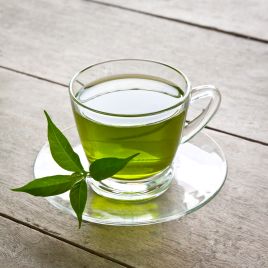
Green tea is one of the most sought-after health drinks &consumed widely by fitness freaks as well as common people globally. It is consumed for its taste as well as with the goal of achieving better health.
Green tea is extracted from the leaves of the plant camelia sinensis.Commonly young leaves and budding leaves are used for making this beverage. Green tea intake is beneficial in numerous ways. It is one of the major sources of Catechins which are a type of polyphenol antioxidants with immense health benefits.
History
Green tea originated in China in the late 1st millennium BC. From here it spread to various parts of the world as a refreshing and stimulating drink. There are narrations about green tea in ancient Chinese texts about green tea. The book written by Lu Yu [ between 618- 907 AD] describes about the origin of green tea. Another book penned by Zen priest Eisai describes about the stimulant effects of green tea and how it is extracted from the leaves.
Green tea compounds- Antioxidants
Green tea contains polyphenols mostly catechins. The four main catechin compounds are (−)-epigallocatechin-3-gallate (EGCG), (−)-epigallocatechin (EGC), (−)-epicatechin-3-gallate (ECG), and (−)-epicatechin (EC).
Other components include three kinds of flavonoids, known as kaempferol, quercetin, and myricetin.
Health benefits of green tea on heart, brain & skin
Antioxidant potential
Catechins found in green tea are effective antioxidants potent enough to prevent oxidative stress.
Boosts cardiovascular health
These are capable of preventing atherosclerotic plaque formation in Coronary artery and hence help in preventing heart diseases. This potential of green tea to thwart clot formation in blood vessels to heart and brain help in preventing heart attack and stroke. Furthermore, green tea can reduce can reduce triglycerides and cholesterol levels in the human blood.
Prevents sun induced damage to your skin Antioxidant, immunomodulatory, and photo protective functions of green tea make it a great addition to healthy life styles. Green tea helps to protect the skin from sun induced damage and premature ageing. It has immunomodulatory and photo protective effects on skin against UV rays of sun. Catechins in green tea are natural antioxidants that has key role in the prevention of cell damage.
Green tea helps to boost cognitive functions of your brain.
Caffeine, of green tea constituents can improve brain function, including mood, vigilance, reaction time, and memory. Amino acid L-theanine, of green tea can cross the blood-brain barrier.
Safety /cautionary warnings for green tea consumption
It is advisable to take only 1-2 cups of green tea a day and in this amount green tea intake is not associated with any detrimental effects to the body. However, if you are sensitive to caffeine green tea may cause tremors or shivering and anxiety.
Excessive intake may cause liver problems.
Drug interactions:
Green tea may interact with nadolol, a beta-blocker used for high blood pressure and heart problems lowering your blood pressure as much as it should. Green tea has presence of vitamin K in small amounts which can interact with proper functioning of blood thinner medicines. Therefore, for patients using beta blocker drugs, and blood thinners like aspirin, clopidogrel etc. green tea is not a good choice.