

The Himalayas are biodiversity hotspots with exquisite flora &fauna and endangered species of animals & birds that have garnered increased attention from environmental scientists and nature lovers worldwide in recent decades.
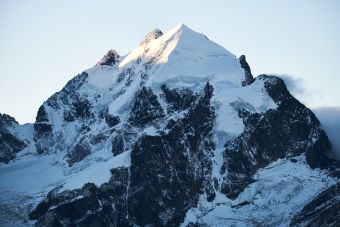
“The Himalayas” captivates the minds of the common man, affluent and the ascetic alike due to various reasons. The ethereal beauty of these colossal and magnificent mountain ranges captivates the human spirits, yet its profound, serene vales allure the ascetic. The grandeur of these ethereal mountain ranges captivates all who behold them.
Beyond the aesthetic beauty and tranquility it offers, the Himalayas host a rich array of flora and fauna, including rare medicinal plants currently facing a high risk of extinction.
Generally, the mountains encompass around 25% of the world’s terrestrial biodiversity and nearly half of the world’s recognized biodiversity ‘hotspots’ are present in the mountains.
The Himalayas – biodiversity & ecosystem
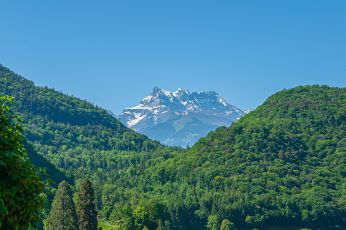
The Himalayan mountain ranges separate the Indian subcontinent from Tibetan plateau. These youngest mountain ranges cover an area of about 595,000 Km2 over 8 countries. The region contains over 10,000 plant species, over 300 mammal species, and 979 bird species, along with endemic flora and fauna.
Himalayas – click to read more
The Himalayas are home to many rare flowers and Orchids and cushion plants at 6100m height.
Ermania himalayensis, one of the highest altitude flowering plants, is found at 6300 m on the slope. It is a unique small, dense, hair-covered cushion plant on scree slopes, thriving in extreme cold and dry conditions.
Himalaya is home to Freshwater turtles and over1300 bird species. The endangered bird species found in Himalayas include white eared night heron, grey crowned crocias, orange necked patridge.
Himalayas at its extreme altitude variations features diverse ecosystems from subtropical forests to alpine meadows.
It is home to endangered species, including the Snow Leopard, Red Panda, Himalayan Tahr, and Himalayan Monal.
Bengal tigers, Asian elephants, greater one-horned rhinoceros, and wild water buffalo also exist in the lower regions.
The biodiversity of Himalayan region confronts severe threat from climate change, deforestation and, urbanization. The mountain ecosystems are very sensitive to climate change. Climatic conditions may change rapidly with elevation over relatively short horizontal distances, impacting quality &quantity of water resources, vegetation, ecosystems, and socio-economic settings.
The Himalayas- biodiversity hotspot under threat
The Himalayan ranges being a biogeographic region with an exceptional concentration of endemic species of plants & animals facing the threat of extinction from several factors operating in the region,is categorized as one of the prominent” biodiversity hotspots “on the globe.
This huge, awe-inspiring mountain ranges extending over 8 countries, play a pivotal role in regulating the climate of the subcontinent acting as a massive climatic barrier. They are instrumental in blocking freezing, dry air from Central Asia in winter, resulting in a warmer, moderate climate.
It’s a stark, shocking reality that Himalayas are under the threat of biodiversity loss &environmental pollution owing to multiple factors operating in the region.
Himalayan landscapes have been altered, modified, and influenced by a large number of factors including climate change, intensified anthropogenic activities, trade etc. Several studies have reported the altered and modified landscapes, degrading biodiversity, altered plant phenology, and deteriorating ecosystem productivity in the region.
According to research studies on Himalayan biodiversity, the shrinking of the cryosphere, land use for trading & construction activities, vegetation change and loss of biodiversity have adversely affected the ecosystem of the region.
Habitat fragmentation, illegal wildlife trade, and unplanned urban expansion is killing the ecosystem of the Himalayas silently day by day.
Impact of climate change on Himalayan Glaciers
Climate change has deleterious impacts on the mountains and its valleys over the decades, causing gradual loss of biodiversity as well as poor quality of water emanating from the snow cladded mountains. In addition to climate change, several other factors contribute to the ecosystem damage in the Himalayan region.
According to researchers Ren et al as per a study conducted in 2017, the region has experienced significant warming in recent decades, with the annual mean surface temperature increasing at about 0.11 °C per decade from 1901 to 2014.
Annual precipitation trends using Global Land Monthly Precipitation (GLMP) and Global Land Daily (GLDP) data does not show any significant change over time.
The Himalaya is warming at an alarming rate, probably three times higher than the global average. This may cause species to shift to higher elevations.
- Thinning & retreat of Himalayan glaciers
The cryosphere is the key component of the Himalayan ecosystem and several studies have documented the extent of climate change on it. The cryosphere encompasses the lakes, rivers, ice, snow cover, glaciers, ice caps, ice sheets, and frozen ground (permafrost) of the region. It is a critical component of the climate system that regulates global temperatures by reflecting solar radiation back into space.
Several studies on Himalayan glaciers point out that the glaciers have retreated, thinned, and lost mass in many regions of the Himalayas.
- Decreasing water content in snow cover
Research data also indicates that there is a significant and widespread decrease in the water content of snow cover (Snow Water Equivalent – SWE). This reduction, often referred to as “snow drought,” is driven by rising global temperatures and shifting precipitation patterns from snow to rain.
The Himalayan region is experiencing a critical “snow drought” in the earlier part of the current year 2026 with significantly reduced Snow Water Equivalent (SWE) and shrinking snow cover, particularly between 3,000m and 6,000m elevations.
These factors have direct impact in reducing the amount of water stored over the winter. Water scarcity is the imminent threat challenging the future of the vegetation, flora and fauna of the region.
- Permafrost degradation in Himalayan region
Himalayan permafrost is experiencing rapid, unprecedented, and largely irreversible degradation due to global warming.
Permafrost is ground—soil, rock, or sediment—that remains frozen at or below 0°C for at least two consecutive years, with some lasting for thousands of years. The permafrost degradation can have significant implications for regional infrastructure, water security, and risk of hazards.
Studies indicate that a substantial amount of permafrost was lost in the Western Himalayas between the early 2000s and late 2010s, with the climate change associated to global warming.
Recent studies have highlighted that over 60% of the high-altitude areas in specific regions, such as Jammu & Kashmir and Ladakh, are underlain by permafrost, which is now actively degrading and it is unprecedented.
As per global mountain glacier studies, decrease in snowpack water content alters the crucial insulation layer on the ground, causing severe ecological consequences.
Climate change is significantly altering plant phenology in the Himalayas, causing earlier spring leaf emergence, extended growing seasons, and shifted flowering times due to warmer temperatures and reduced snow cover. Rhododendron arboreum, have shown delayed flowering. These alterations in plant phrenology threaten high-altitude biodiversity and ecosystem stability
Impact of climate change Himalayan on biodiversity &water quality
The lowering soil moisture consequent to less snow cover, thinning of glacier and degrading permafrost adversely impact the vegetation of the region. Particularly in spring and summer, it limits water availability for vegetation growth.
Without the insulating snow layer, winter temperatures can cause deeper soil freezing. This results in higher fine root mortality, nutrient loss, and lower microbial activity. It may cause extensive damage to the vegetation of the region.
Less snowpack causes earlier snowmelt, which can trigger earlier, but less productive, plant growth.
Less water storage in snowpack lead to forest water stress and eventually cause higher tree mortality rates. Forest water stress occurs when water loss through transpiration exceeds uptake from the soil, causing severe physiological strain due to drought. Forest water stress leads to loss of a large population of trees in an extensive area.
When snowpack decreases, or when rain-on-snow events increase, it leads to increased soil nutrient leaching. This may cause higher nutrient loads (like phosphorus and nitrogen) being flushed into waterways, degrading water quality.
Reduced SWE [snow water equivalent] is associated with snow draught. This causes less meltwater available in the dry season, leading to lower streamflows and reduced reservoir levels.
With reduction in total water volumes, the concentration of pollutants in remaining water sources can increase, reducing water quality for consumption and poor sustenance of aquatic life.
The Himalayas provide 30–60% of downstream freshwater, rising to 70–90% in some semi-arid and arid environments.
Water supply reduction affects irrigation, leading to lower crop yields and thus scarcity of food resources in the nearest future.
Impact of intensified anthropogenic activities on Himalayas
Ecosystem services and goods offered by mountains are of global significance, as they provide fresh water, biodiversity, mineral resources etc.
Deforestation, habitat fragmentation, overgrazing, and road construction, especially in the Eastern Himalayas cause adverse impacts on the Himalayan ecosystem.
Illegal wildlife trade poses a threat to endangered species. Construction of dams and other illegal encroachment to sensitive zones also destroy the biodiversity and eco system.
The Himalayas- Biodiversity Conservation Efforts
To the conserve the ecosystem of Himalayan region efforts are being made in a stringent way as the region has been listed among the four biodiversity hotspots in India.
The strategic conservation measures include :
- Protected zones:
Implementation of national parks and sanctuaries, such as the, Barsey Rhododendron Sanctuary, where grazing is banned to protect endemic species.
- Sustainable Practices are recommended &practiced
- Development of medicinal plant conservation zones
- promoting, community-led, conservation initiatives.
- Enforcement of regulations against illegal mining, and regulating unsustainable tourism.
- sustainable agricultural practices.
- addressing the impacts of climate change
- image courtesy: freepik.com
- written by dr sanjana p souparnika[ copyright]