

Figs are edible fruits known to us since antiquity and they are available in nature in greenish purple in colors. Of late figs are consumed by more people understanding its nutritional value and the health benefits they provide to human body.
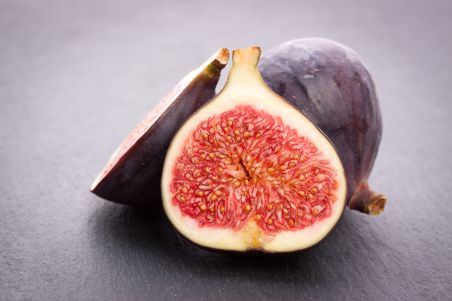
When you delve deeper into the origin of figs consumption it may date back to ancient times.It is an integral part of Mediterranean diet since many centuries. Indian systems of medicine also use fig for managing reproductive, hormonal and immunological problems.
Figs [ Ficus carica L] belong to moraceae family. These lush green purple fruits are mostly cultivated in Asian &Mediterranean regions. It is an integral part of the diet of people residing near Mediterranean sea.
There are four types of fig fruits, i.e., Caprifigs, Smyrna, San Pedro, and Common figs. Around 800 different fig varieties cultivated in almost 50 countries all over the world.
Historical significance
The figs were one of the principal articles of sustenance among the Greeks.
It was one of the earliest fruit trees to be cultivated, and its cultivation spread in remote ages over all the districts around the Aegean Sea and throughout the Levant.
Attic figs became celebrated in the East, and special laws were made to regulate their exportation.; the Spartans especially used it at their public tables
Figs were consumed since ancient times and has great significance in Roman Empire.
Figs are mentioned in holy books like the Bible and the Quran.
Nutritional value of figs – A treasure trove of antioxidants
Figs are well known for their antioxidant, anti-inflammatory and anticancer properties. Figs contain flavonoids, phenolic acids, carotenoids, and tocopherols antioxidants.
Polyphenols and carotenoids are the two major categories of phytochemicals found in figs. The major classes of polyphenols in figs include phenolic acids, flavones, flavonones, flavonols, anthocyanins, and proanthocyanidins[3].
Figs are comparatively low in fat. Fig consumption provides moderate number of calories mostly from carbohydrates. However, it can cause blood sugar spike immediately after eating. That is figs are high glycaemic index foods.
The minerals potassium and magnesium present in figs are crucial for the health of bones and cardiovascular system.
Figs are good source of vitamins too. They provide thiamine, vitamin B6 and vitamin K and these vitamins are crucial for the health of nervous system and bones. Vitamin K is essential for blood clotting.
Figs contain calcium, potassium, phosphorus and iron in considerable amounts.
Figs are rich in fiber and nutrients, and low in calories and hence good for gut health and reducing blood cholesterol.
A small to medium sized fig provides around 1- 1.45 grams of fiber.
Epicatechin is the most abundant phenolic compound in dried fig fruits, with a level of 25.4 mg/100 g DW in cultivar “Bela Petrovka” of Ficus carica. Its content is up to three times that of fresh figs. It is a good antioxidant.
Fig fruits are a rich source of flavonoids antioxidants.
The major flavonoids found in figs are quercetin and luteolin, which have a total of 631 and 681 mg/kg, respectively. The fruit skin has more flavonoids than the pulp.
Health benefits of figs
Figs offer numerous health benefits due to the presence of antioxidants, vitamins and minerals in them.
- Figs can improve digestive health
Figs are rich in fibers and helps digestion. It helps to prevent constipation.
- Figs are good source of antioxidants.
Phenolic compounds in figs help to reduce oxidative stress to body cells induced by free radicals.
Anti-oxidants may help to prevent cancer and neurodegenerative disorders of brain including Alzheimer’s diseases, Parkinson’s disease etc. Phenolic compounds in figs can play a significant role in protecting biological cells from hydrogen peroxide free radical damage [5].
- Figs help bone and heart health
Figs contain potassium and magnesium in good amounts; they help to sustain heart & bone health.
- Antimicrobial and anti-inflammatory properties
Figs are rich in flavonoids and tannins which help to protect from microbial activity and infections.
Cautionary warnings for fig consumption
Generally, figs are highly nutritious fruits beneficial to improve health if consumed in moderation.
However, it is a fruit rich in vitamin K. Vitamin k is a factor helping in blood clotting. However, there is a cautionary warning for those who are on blood thinner medications for cardiovascular events prevention.
Anticoagulant medications are blood thinners for preventing clots. Those who are on anticoagulant medications must check their vitamin k levels if they are taking figs regularly.
Fig allergies are common in some people; particularly those who are allergic to birch pollen may have fig allergy. If so, consume fig only after talking to your healthcare provider.
Excessive eating of figs may cause burning sensation on tongue.
Figs in your diet plan
Fresh fig fruits are edible after washing and peeling its outer skin. Dried figs also are commonly eaten after soaking and softening it in water. It can be added into your diet plan in numerous ways.
- Figs are used as chief ingredient of dessert and smoothies.
- Figs in salads
- Fig toast
- Fig snack bars
- Fig rolls
Fig consumption in moderate amounts may boost your digestive, cardiovascular and bone healths. Enjoy the delicious fruit in many ways at frequent intervals in a month.
References :
1. Sarkhosh A., Andersen P.C. The Fig. UF/IFAS Extension. 1994. https://edis.ifas.ufl.edu [Ref list]
2. Arvaniti O.S., Samaras Y., Gatidou G., Thomaidis N.S., Stasinakis A.S. Review on Fresh and Dried Figs: Chemical Analysis and Occurrence of Phytochemical Compounds, Antioxidant Capacity and Health Effects. Food Res. Int. 2019;119:244–267. doi: 10.1016/j.foodres.2019.01.055. https://pubmed.ncbi.nlm.nih.gov/30884655/
3. Vinson J.A. The Functional Food Properties of Figs. Cereal Foods World. 1999;44:82–87. [Google Scholar] [Ref list]
4. https://fdc.nal.usda.gov/fdc-app.html#/food-details/173021/nutrients