
Tag: antioxidants

  • Indian Gooseberry- health benefits

    Indian gooseberries are used widely as a fruit for consumption as well as for culinary uses. They possess numerous properties that are beneficial to health including antiaging, anticancer, anti-diabetic and anti-inflammatory properties.

    Goosberries are part of Indian cuisines and the ancestral memories of every Indians as a sweet and bitter fruit. It is known for its nutritious potential since antiquity. Gooseberries are linked to in Indian history as a fruit which is revered in ancient texts like Charaka Samhita (800 BCE) and Sushruta Samhita (600 BCE). It is referred as a supreme rejuvenating herb for hair, skin, and overall vitality in ancient texts.

    Indian gooseberry is commonly known as Amla. Its scientific name is Phyllanthus emblica and belongs to Euphorbiaceae family.

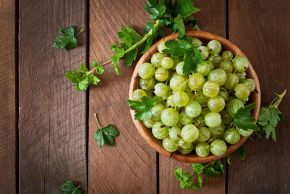
      The gooseberry tree commonly grows to a height of 1–8 metres. The tree may grow with abundant light green leaves and greenish yellow flowers. The fruit is nearly spherical, light greenish–yello. It may be smooth and hard on appearance, with six vertical stripes or furrows. The fruit is up to 26 millimetres in diameter.

    Nutritional facts

    Indian gooseberry is a rich source of vitamin C and full of various other types of antioxidants as well.

    Gooseberries are used widely as a fruit for consumption as well as for culinary uses. They possess numerous properties that are beneficial to health including antiaging, anticancer, anti-diabetic and anti-inflammatory properties.

     Generally, gooseberries are low in calories and fat and thus safe to include as part of diet for obese people also. It contains carbohydrates [70 g/100 g dry weight] and fibers[7.2–16.5 g/100 g DW].

    Indian gooseberries are abundant source of antioxidants such as phenolic compounds, flavonoids and vitamin C.

    They contain minerals iron, calcium and phosphorous. Many studies show the presence of ellagitannins, which includes chebulinic acid, chebulagic acid, corilagin, emblicanin A and B, geraniin, isocorilagin, pedunculagin, phyllanemblinins A–F, and punigluconin in gooseberries.

    Health benefits of Indian gooseberries

    •      Anti-ageing properties

    Vitamin C an effective antioxidant as well as collagen improving agent is abundant in gooseberries. It helps to prevent wrinkles on skin and helps to maintain the tone and strength of skin.

    •      Antioxidant properties

      Polyphenol and vitamin C antioxidants of gooseberries help in free radical scavenging and thus prevent the threat of serious morbidities to vital organs.

    improves digestive health &immunity

    The antioxidants such as gallic acid, ascorbic acid and phenolic compounds of gooseberries boost the body’s immune system as well as digestive processes.

    Protects heart and cardiovascular system

    Owing to the anti- cholesterol and antiatherogenic properties gooseberries boost cardiovascular system health in human body. It helps to prevent heart attacks and stroke preventing clot formation within blood vessels.

    Protects nervous system

    The polyphenols of gooseberry have antioxidative potential and neuro protective properties.

    Lowers blood sugar

    The antioxidant compounds in gooseberries help to reduce blood sugar level.

    Improves hair health

    Vitamin C and antioxidants of gooseberries boost hair growth and imparts strength to hair strands.

    Anticancer potential

    The polyphenols prevent oxidative stress to cells of human body. They also produce pro-inflammatory chemicals, prevent DNA damage, and increase apoptosis or cell death of worn out and abnormal cells. This apoptosis process is crucial in preventing morbid as well as normal cell growth uncontrollably in cancer. Therefore, eating gooseberries are very beneficial in mitigating the cancer risks.

    Research updates about Indian gooseberry

    •      Experimental studies indicate that gooseberry and some of its phytochemicals such as gallic acid, ellagic acid, pyrogallol, some norsesquiterpenoids, corilagin, geraniin, elaeocarpusin, and prodelphinidins B1 and B2 also possess anticancer effects.

    It helps free radical scavenging, antioxidant, anti-inflammatory activities which reduce cancer risks in the population.

    •      According to a study at human level, a 500 mg gooseberry extract intake (twice a day) for three months reduced the highly sensitive C-reactive protein (CRP), total cholesterol, and LDL levels in Class I obese subjects. This may have a cardioprotective effect reducing heart attacks and other diseases.

    •      As per data from yet another study ellagic acid and ascorbic acid could reduce the activity of key enzymes involved in glucose digestion and therefore possess antidiabetic properties.

    •polyphenols have been indicated to protect gastrointestinal organs.  Gooseberries have the potential for inhibition of clarithromycin-resistant Helicobacter pylori strains in vitro, since this microorganism is a known cause of gastric ulcers

    How to include gooseberry include gooseberries in your daily foods?

    It is an edible fruit as such. However, to make it more palatable it can be used for making various types of:

    •      Jellies

    •      Salad ingredient

    •      Wine

    •      dessert

    •      Jams

    Safety &caution

    No adverse side effects have been reported if gooseberries are consumed in adequate amounts. Excessive usage may affect lowering the blood sugar in patients who are already under diabetic medications.

    Gooseberries are good source of vitamin C. excessive intake is not recommended as vitamin C is an important micronutrient helping metabolism. Consume only one gooseberry per day.

    written by dr sanjana p

    References

    1. European journal of cancer prevention  2011 May;20(3):225-39. doi: 10.1097/CEJ.0b013e32834473f4  PMID: 21317655 DOI: 10.1097/CEJ.0b013e32834473f4  https://pubmed.ncbi.nlm.nih.gov/21317655/
    • 6. Kapoor M.P., Suzuki K., Derek T., Ozeki M., Okubo T. Clinical evaluation of Emblica officinalis Gatertn (Amla) in healthy human subjects: Health benefits and safety results from a randomized, double-blind, crossover placebo-controlled study. Contemp. Clin. Trials Commun. 2020;17:100499. doi: 10.1016/j.conctc.2019.100499   https://pubmed.ncbi.nlm.nih.gov/31890983/
    • M.M., Joshi M.K. Influence of Emblica officinalis aqueous extract on growth and antioxidant defense system of human hepatoma cell line (HepG2) Pharm. Biol. 2012;50:497–505. doi: 10.3109/13880209.2011.618501. https://pubmed.ncbi.nlm.nih.gov/22133060/
    • Bharathi M.D., Thenmozhi A.J. Attenuation of Aluminum-Induced Neurotoxicity by Tannoid Principles of Emblica officinalis in Wistar Rats. Int. J. Nutr. Pharmacol. Neurol. Dis. 2018;8:35. doi: 10.4103/IJNPND.IJNPND_23_18  google scholar https://scholar.google.com/scholar_lookup?journal=Int.+J.+Nutr.+Pharmacol.+Neurol.+Dis.&title=Attenuation+of+Aluminum-Induced+Neurotoxicity+by+Tannoid+Principles+of+Emblica+officinalis+in+Wistar+Rats&author=M.D.+Bharathi&author=A.J.+Thenmozhi&volume=8&publication_year=2018&pages=35&doi=10.4103/IJNPND.IJNPND_23_18& 
    • Khanna S., Das A., Spieldenner J., Rink C., Roy S. Supplementatihttps://pubmed.ncbi.nlm.nih.gov/25756303/
    •  Nampoothiri S.V., Prathapan A., Cherian O.L., Raghu K.G., Venugopalan V.V., . Food Chem. Toxicol. 2011;49:125–131. doi: 10.1016/j.fct.2010.10.006   https://pubmed.ncbi.nlm.nih.gov/24418077/
    • image courtesy https://www.freepik.com/search?format=search&last_filter=query&last_value=indian+amla&query=indian+amla
  • Hazel nuts to boost cardiovascular health

    Recently hazelnut has garnered attention of fitness enthusiasts in western countries and Europe due to its potential s to prevent heart attack and stroke. They are rich in vitamin E too.

    Hazelnuts are popular snack ingredient of fitness lovers as it aids in losing weight also. Furthermore, this nut has properties for preventing cardiac diseases and for improving gut health.

    Botanical information

    Hazel nuts are nutrients rich nuts of the hazel tree (Corylus avellana). It is the fruit of the hazel tree and therefore includes any of the nuts deriving from species of the genus corylus especially the nuts of the species corylus avellana.

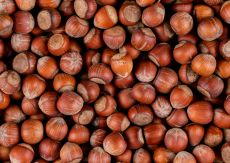
    A hazelnut cob is roughly spherical to oval in shape and it is about 15–25 millimetres long and 10–15 mm in diameter,. It has an outer fibrous husk surrounding a smooth shell, while a filbert is more elongated.

    As it ripens the nut falls out of the husk. It happens about seven to eight months after pollination. The seed is edible and  can be consumed raw or it can be roasted or ground into a paste.

    Health benefits of hazel nuts

    1.improves digestion

    Hazelnuts are a good source of dietary fiber which helps bowel motility and improves bowel health preventing constipation.

    2. antioxidant potential

    These nuts are rich in vitamin E and the antioxidant help to improve the health of your skin, hair and nervous system.

    3.improves cardiovascular health

    Hazel nuts help to reduce cholesterol and blood sugar level. A few research studies suggest that they are potentiated to reduce insulin resistance.

    Hazel nuts help to reduce the risk for cardiovascular diseases reducing the impact of these risk factors.

    4. used for weight loss

    The role of hazel nuts in obesity reduction is not confirmed. However a few studies with small sample size suggests its role in in weight reduction.

    Hazel nuts as a part of your diet

    It is a nutritious nut that can be included to all your snacks and confectionaries in moderate amounts.You may use hazel nuts with breakfast cereals and salad dressings.

    Caution & safety in consuming hazel nuts

     Generally hazel nuts are very nutritious nuts consumed by the global population. However, there is a caution for use by people having allergy to hazel nuts.

    Written by dr sanjana p

    References

    1.https://pubmed.ncbi.nlm.nih.gov/23415431/

    2.https://www.ncbi.nlm.nih.gov/pmc/articles/PMC5188407/

    4.https://www.britannica.com/plant/hazelnut

  • Star anise antioxidants to prevent lifestyle diseases & obesity

    Star anise one of the flavouring agents of Indian cuisines,has the potential to prevent life style diseases and obesity being the rich source of bioactive compounds.

    Star anise -an overview

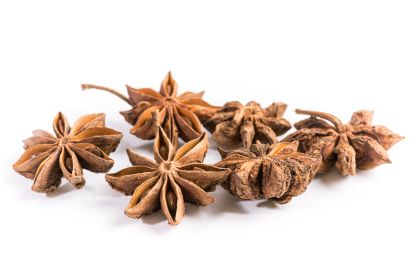
    Star anise is familiar to Indian kitchens as one of the key spice ingredients adding flavors to Indian cuisines. It is a fragrant licorice smelling spice used chiefly in cooking Biriyanis and delicious seafood reciipes since antiquity. Star anise is popularly known as “chakra phool” due to its wheel like shape.

    Star anise [illicium verum] is a medium sized evergreen tree native to South east Asian countries, particularly China. The Chinese star anise is well known for its quality and comparatively low propensity to trigger allergy. It is a safe variety of star anise to consume.

    The leaves of the tree are fragrant and the tree yields pink to red flowers also. This spice seed is taken from the fruits of the tree. The fruit is a capsule-like follicetum, star-shaped, reddish-brown, and contains six to eight follicles arranged in a whorl.

    Star anise as a food ingredient provides numerous health benefits. The spice is a treasure-trove of numerous biologically active compounds which protect against various lifestyle diseases afflicting the mankind.

    According to recent medical research studies, this flavoring ingredient offers great health benefits due to the presence of antioxidant compounds within it. Let us have a glimpse at the health benefits star anise provides.

    Health benefits of star anise

    • Antioxidant property

    Star anise contains several types of polyphenols and flavanoids. Phenolic compounds in star anise include p-coumeric acid, gallic aid, cinamic acid, chlorogenic acid and ferulic acid. Catechin and rutin are the major flavonoids. Antioxidants protect against oxidative stress related diseases to body organs such as lifestyle diseases, cancer etc.

    • Antimicrobial &anti-inflammatory properties

     Apart from the antioxidant property to remove oxidative stress to cells of human body, star anise has anti-microbial and anti-inflammatory properties owing to the presence of these compounds in it :

    Linalool

    Quercetin

    Anethole

    Shikimic acid

    Gallic acid

    Limonene.

    Shikimic acid imparts it the antiviral property to fight against viral infections.

     The flavonoid anethole provides it antifungal properties.

    Star anise has the potential to inhibit the production of pro-inflammatory cytokines (Tumor necrosis factor alpha (TNF-α) and interleukin-1 beta (IL-1β)). It also helps to reduce oxidative stress.

    In a nutshell, star anise protects your body against microorganisms causing inflammations and infectious diseases.

    • Obesity & cholesterol reducing potential

    A study [2] showed that star anise tea consumption significantly reduced the overweight  and BMI. Furthermore, it significantly lowered the levels of serum total cholesterol, triglyceride, LDL and VLDL were observed in the study. It is a hopeful news that star anise helps to decrease bad cholesterol and fat accumulation within the body and prevent heart attacks and strokes chiefly along with other complications of obesity.

    Culinary use of star anise:

    It is used in Indian subcontinent chiefly as a flavoring agent added mostly to various types of Biriyanis and Masala chais. It has an equal significance in Chinese cuisines also as one of the quintessential flavoring ingredients commonly known as”the five spice powder”.

    Caution regarding consumption of star anise :-

    Consume only a very small amount of this spice. Chinese variety is generally safe. Excess intake may cause allergy,

     Copyrighted Dr sanjana p (Dr sanjana vb)

    References

    1. https://biomedpharmajournal.org/vol15no2/antioxidant-and-anti-inflammatory-activity-of-star-anise-illicium-verum-in-murine-model/  Antioxidant and Anti-Inflammatory Activity of Star Anise (Illicium Verum) in Murine Model,Ibrahim S Majal.Department of medical laboratory sciences, Mu’tah University, Karak Jordan
    2. https://pmc.ncbi.nlm.nih.gov/articles/PMC9686881/
  • Walnuts help to prevent Alzheimer’s disease & other cognitive impairment from brain cell damage.

    Daily consumption of walnuts may reduce the risk or slow the progression of age-related cognitive decline, mild cognitive impairment and Alzheimer’s disease

    Are you concerned about your cognitive abilities declining with the ageing process? Sometimes, people suffer from progressive reduction in comprehension, understanding and memory even before other changes of ageing set in apparently. It is a red signal or a cautionary warning that most probably, it could be the beginning of mild cognitive impairment.

    Cognition is the terminology that denotes the mental process of thinking, learning, and understanding. It involves a number of interacting skills, including attention, language, memory, and perception.

    Cognitive impairment is much more severe than the age-related declining memory and difficulties of comprehension. Of late it is discussed with enhanced significance  by the global population due to the spike in its incidence. Ageing as well as some hereditary and environmental factors accelerate the nerve cell degeneration within the brain and cause cognitive impairment or decline.

      Nowadays there is a global spike in the occurrence of Alzheimer’s disease which is considered as the major cognitive impairment.  Alzheimer’s runs in families, however it has been detected in people with no positive family history of the disease. Therefore, the impact of free radicals on brain cells came into the view as the most probable cause of the nerve degeneration and it was researched meticulously across the globe. It has been confirmed that Cognitive impairment occurs as a result of free radical attack on brain cells.

    How is Alzheimer’s disease linked with free radicals?

    Amyloid beta protein (Aβ) is the main component of amyloid plaques in the brains of people with Alzheimer’s disease. Several studies suggest that Aβ stimulates the production of free radicals in nerve cells, which leads to oxidative damage and cell death.

     Free radicals are various types of chemicals which either reach human body from outside through numerous sources or they are generated as byproducts of metabolism of the body. Free radicals cause oxidative stress to body cells. Nerve cells or neurons are not exempted from this damage, instead, they suffer more intensely.

    Aβ can also induce neuroinflammation by increasing pro-inflammatory cytokines and enzymes.

     Oxidative stress and neuroinflammation have important roles in the aging process, mild cognitive impairment (MCI), Alzheimer’s disease (AD), and other brain disorders.

    Currently the only solution that has been emerged to fight against free radical damage is antioxidants.

    What are antioxidants?

    These compounds are effective warriors against the free radical attack and consequent damage to cells and tissues. Antioxidants prevent damage to nerve cells or neurons also. Thus, the antioxidants may function as very potent compounds against cognitive decline or impairment resulting from nerve cell damage or degeneration.

    We may get the advantage of antioxidant protection by consuming various kinds of vegetables, fruits, seeds and nuts.

     Among the potent antioxidant foods walnuts play a pivotal role in protecting the nervous system and brain from free radical damage. Many research studies corroborate the good effects of walnuts on the brain and nervous system

    Walnuts

    Walnuts are nutritious seeds native to North and South America, southern Europe, Asia, and the West Indies. Walnut is the common name for any of the large, deciduous trees comprising the genus Juglans of the flowering plant family Juglandaceae.

    The word “walnut” derives from Old English wealhhnutu, literally “foreign nut,” with wealh meaning “foreign.” Walnuts are used for their edible fruit, their wood, and their ornamental purposes. There are many  species of walnuts. The nuts of all the species are edible, but the walnuts commonly available in stores are from the Persian walnut, the only species that has a large nut and thin shell, with the edible portion most easily separated from the shell.

    These seeds have immense potential to improve brain & cardiovascular health. Walnuts may be effective in improving chronic inflammation and neurodegeneration of brain.

    Walnuts are also great immunity boosting foods. A study [1] shows that walnut could significantly improve humoral and cell-mediated immunity. Walnut proteins boost the immune system and perform their immunomodulatory functions.

    Walnuts also helps to reduce blood sugar levels. A large study of 83,818 women (age: 34–59 years) showed that dietary supplementation of 1 oz of nuts, such as walnuts, five times or more per week decreased the risk of developing type 2 diabetes [5].

    Nutritional value of walnuts:

    According to the U.S. Department of Agriculture (USDA) National Nutrient Database, 1 cup of unbranded, organic walnuts (30 grams) contains:

    Energy: 200 calories

    Carbohydrate 3.89 grams (g)

    Sugar: 1 g

    Fiber: 2 g

    Protein: 5 g

    Fat: 20 g

    Calcium: 20 milligrams (mg)

    Iron: 0.72 mg

    Sodium: 0 mg

    Walnuts also provide minerals such as:

    manganese

    copper

    magnesium

    phosphorus

    vitamin B6

    iron

    Walnuts – Great source of omega fatty acids to boost brain health

    Walnuts contain a lot of polyunsaturated fatty acids, which can improve heart and brain functions. Walnuts contain alpha-linolenic and linoleic acids, which may have anti-inflammatory effects that keep blood vessels healthy and reduce bad blood cholesterol.

    How does walnut consumption help to fight against cognitive impairment?

     Walnuts contain several components that have antioxidant and anti-inflammatory effects.

    Animal and human studies suggest that supplementation with walnuts in the diet may improve cognition and reduce the risk and/or progression of Mild cognitive impairment and Alzheimer’s disease [2].

     Walnuts have a high content (3.68 mmol/oz) of antioxidants, including flavonoids, phenolic acid (ellagic acid), melatonin, folate, gamma tocopherol (vitamin E), selenium, juglone, and proanthocyanidins .

    Walnuts also provide protein (4 g/oz), fiber (2 g/oz), phosphorus (10% daily value), and magnesium (11% daily value).

    Walnuts  have mainly polyunsaturated fat (13 g of 18 g total fat per 1 oz walnuts), of which the alpha linolenic acid [ALA] amount is 2.5 g.

    Omega fatty acids in walnuts have anti-inflammatory properties.

     walnuts contain a high amount of n-3 α-linolenic acid (ALA), a plant-based omega-3 fatty acid that has a highly potent anti-inflammatory effect.

    ALA is the precursor for eicosapentaenoic acid (EPA) and docosahexaenoic acid (DHA), which are known to have anti-inflammatory effects.

    Studies have shown that ALA inhibits inflammation by downregulating iNOS (thus inhibiting NO production), COX-2, and inflammatory cytokines (IL-1β, IL-6, TNF-α)

    In another study with older women, higher long-term intake of walnuts was reported to be associated with better cognitive performance. In this study, 15,467 women (70 years of age or older; mean age: 74 years) participated.

     The National Health and Nutrition Examination Study (NHANES) of an adult population [of age groups 20–59 years; 60 years and older) in the United States also showed better cognition scores with walnut consumption.

    How do walnuts help to prevent cognitive impairment?

    The potential mechanisms by which dietary consumption of walnuts may reduce the risk or slow the progression of age-related cognitive decline, mild cognitive impairment and Alzheimer’s disease include:

    • Walnuts Inhibit Aβ Fibrillization and Solubilize Aβ Fibrils which are important diseases causing deposits of nerve cells in Alzheimer’s disease.
    • Walnuts Decrease alpha beta protein or Aβ-induced Oxidative Stress and Cell Damage. The components of walnuts, such as flavonoids, ellagic acid, gamma tocopherol, and melatonin, are known to have antioxidant and free-radical scavenging properties.

    Parkinsons disease also is a nervous system disease associated with cognitive impairment. Walnut extract has shown to improve symptoms of Parkinson’s Disease (postural balance, motor coordination, and movement), These seeds  have been found to be effective in reducing oxidative stress, and protecting neurons[4].

    Include walnuts in your daily foods for better brain health

    Walnut may be used as ingredients of porridge, cheese sauce, Apple walnut salad, fruit muffins, granola bars and brownie balls.  Walnut cookies& Walnut cakes also are yummy and nutritious disserts.

    Reference

    1. https://www.sciencedirect.com/science/article/pii/S1756464620302929
    2. https://pmc.ncbi.nlm.nih.gov/articles/PMC7071526/
    3. https://pubmed.ncbi.nlm.nih.gov/24886736/
    4. https://pubmed.ncbi.nlm.nih.gov/26784178/
    5. .Jiang R., Manson J.E., Stampfer M.J., Liu S., Willett W.C., Hu F.B. Nut and peanut butter consumption and risk of type 2 diabetes in women. JAMA. 2002;288:2554–2560. doi: 10.1001/jama.288.20.2554. [DOI] https://pubmed.ncbi.nlm.nih.gov/12444862/
    6.   https://www.ncbi.nlm.nih.gov/pmc/articles/PMC5994573/
    7.    https://www.health.harvard.edu/blog/health-benefits-of-walnuts-2018081314526
    8.    https://www.britannica.com/plant/walnut-tree-and-nut
    9. https://www.newworldencyclopedia.org/entry/Walnut
    10. image courtesy-freepik.com

    Recommended For You

    Nuts &seeds

    Nuts are nutrient dense foods, made up of unsaturated fat Omega fatty acids which play significant role in brain ,heart and hair health.

    walnut is the edible seed of any tree of the genus Juglans (family Juglandaceae), particularly the Persian or English walnut, Juglans regia. They are accessory fruit because the outer covering of the fruit is technically an involucre and thus not morphologically part of the carpel; this means it cannot be a drupe but is instead a drupe-like nut.

    After full ripening, the shell is discarded, and the kernel is eaten.

    Walnuts

    Walnuts are a great immunity boosting foods as well as cardiovascular and neuronal health protecting nuts.Include them in your diet to stay

    English walnuts without shells are 4% water, 15% protein, 65% fat, and 14% carbohydrates, including 7% dietary fiber