
Category: Beauty & fitness

  • Dandruff solutions

     Dandruff of scalp is a serious issue affecting the scalp of men and women across the globe. Dandruff is a common scalp disorder with flaky scales and itching of scalp. Sometimes the white flakes falling over shoulders and clothes may lead to low self esteem and depression to the individuals having dandruff.
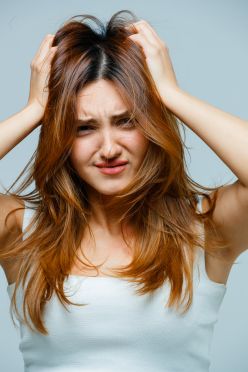
    Dandruff is considered as a non-inflammatory condition of scalp and hair although the precise mechanism causing dandruff is still unclear. Mostly the symptoms of dandruff overlap with that of seborrhoeic dermatitis.

    Malassezia is a fungus infection which is often connected with dandruff although it is not regarded as the microbe causing dandruff.

    It is an intriguing fact that some steroid medications clearing off dandruff although dandruff is not included in the list of immune mediated diseases.

    Dandruff is common among people who are obese and depressed. Therefore, role of hormonal imbalance is a hotly debated topic in connection with dandruff. Emotional stress worsens it.

    Dandruff is associated with hair loss also.

    What are the causes of dandruff?

    The following factors are presumed to contribute to dandruff:

    • seborrheic dermatitis
    • overgrowth of a fungus Malassezia
    • stress
    • dryness of scalp skin
    • allergic reactions to some cosmetic products
    •  eczema or psoriasis
    • Dietary factors

    Dandruff & weather conditions

    Excessive exposure to sunlight may cause dryness and scaling of the scalp. Dry skin facilitates growth of dandruff.

     Cold weather and winter also aggravate it. It can be assumed from these that dandruff shows seasonal fluctuation.

    Dandruff &oily scalp

       Dandruff is a condition of scalp characterized by increased proliferation of keratinocyte cells. Excess sebum or oil production on scalp may facilitate dirt and impurities to get clogged in the scalp. This may promote the growth of microbes that cause dandruff. Briefly, oily scalp may increase the dandruff risk. However, it has to be noted that everyone with oily scalp is not affected with dandruff.

     Oily fat of sebum may help the formation of dandruff to some extent but it is not regarded as the primary cause. Other susceptibility factors of the person may play a major role in dandruff formation.

    Dandruff is believed to occur from several other factors such as stress, seasonal changes, fluctuating hormones or excess fungus growth on the scalp etc. The severity of dandruff worsens in winter. In short, oily scalp is more prone to dandruff while other factors also have contributory role in causing dandruff.

    Symptoms of dandruff

    Dandruff presents as an itchy, scaly scalp and white oily flakes that may fall on the hair or shoulders. It may get worse during the autumn and winter months when the air is very dry.

    Individuals having seborrheic dermatitis may have irritated, oily scalp skin and are prone to get dandruff. The skin may appear red, greasy, and covered with flaky white or yellow scales in this condition.

    Treatment for dandruff

    The American academy of dermatology recommends antidandruff Shampoos and scalp treatment as the solutions for dandruff. Most antidandruff shampoos may have ingredients such as ketoconazole, selenium sulphide,tea tree oil, salicylic acid etc. Different types of shampoos are available in the market. For the best results, always follow the instructions on the shampoo bottle.

     Beware of using an anti-dandruff shampoo containing coal tar. Tar shampoo may discolor blonde, grey or white hair, so if you have light-colored hair, you may have to choose a different type of anti -dandruff shampoo.

    Tar shampoo also may make your scalp more sensitive to sunlight.

    It is advisable to use a conditioner after shampooing your hair. This may help to maintain the moisture content and shine of the hair.

    Consult a dermatologist for properly diagnosing your condition and suggest a customized treatment plan.

    A dermatologist can suggest a treatment plan based on the underlying causes for dandruff.

    Diet to improve scalp health &prevent dandruff

    •  It is recommended that follow a well-balanced diet to improve scalp health and hair growth.

    •  Zinc in adequate amounts is important for hair growth and health as it regulates the levels of androgens or male hormones in the body. Any reduction in androgens has been linked to dandruff and also slow hair growth. Consume zinc rich natural foods such as sea foods, some green leafy vegetables, oysters, lobster, baked beans, pumpkin seeds, chickpeas, almonds   etc. Do not take supplements without directions from a healthcare provider.

    •  Omega 3 fatty acids –it helps in managing oil production, regulating inflammation and improving hydration of scalp skin.

    •  Fruits and vegetables- they contain many antioxidants and anti-inflammatory compounds that can improve scalp skin health.

    •  Biotin rich foods-egg yolk, salmon, nuts etc. help to improve the health of hair, nails, and skin.

    •  Zinc rich foods –oysters, lobster,baked beans,pumpkin seeds, chickpeas,almonds.

    Home remedies for dandruff management

    •  Exfoliating the scalp regularly with hair and scalp masks can avoid dead skin cells clogging the pores on scalp.

    •  Stress reduction is important as anxiety worsens seborrheic dermatitis. Do practice mind body exercises.

    Some natural ingredients for reducing dandruff:

    To know in detail about the properties and good effects of each ingredient click on the list given above.

    These ingredients have nutrients as well as phytochemicals which can give relief from dandruff if used as topical application on scalp and hair. Among these ingredients Fenu Greek seeds are very effective agents with potential to reduce dandruff and inflammations of scalp.

    Olive oil also is anti-inflammatory. Aloe vera gel has unique role in hair smoothening and growth. Aloe Vera is intensely moisturizing to the hair and removes the dryness of hair. It has antibacterial and anti-inflammatory properties. Moreover aloe Vera contains antioxidants also.

    Green tea has antioxidant properties. It is anti-inflammatory also. It reduces the UV rays of sun induced damage to hair. Coconut oil is deep penetrating and intensely moisturizes your hair

    Hair mask for preventing dandruff

     Aloe Vera hair mask

    Ingredients

    Aloe vera gel      2-4tbsp

    Coconut oil         2tbsp

    Olive oil               1tbsp

    Green tea            1 tbsp

    Soaked fenu Greek – 1 tsp

    Preparation

    • Soak Fenu Greek seeds in water overnight  and make it a paste grinding in a mixer.
    • Use either aloe Vera gel bought from market or aloe Vera gel extracted out of the plant.
    • Mix 2-4 tbsp aloe vera gel [depending on your hair length] with 2tbsp coconut oil and 1tbsp olive oil.
    • Add green tea solution 1tbsp.
    • Add all these ingredients mix into the fenu Greek seed paste.
    • Stir well and apply the mask on your scalp and hair gently. Use a wide toothed comb to spread it all over the length of your hair. Do not rub it on your hair as friction may damage hair roots.
    • Leave it on your hair for 30 minutes so that the nutritional properties of aloe Vera and oils may nourish the hair well.
    • After 30 minutes wash with a non-sulphate shampoo or mild herbal shampoo.
    • Let air dry the hair.

    This hair mask may leave your hair soft, shiny and silky

    writte by dr sanjana p

    References for further reading
    1. https://www.ncbi.nlm.nih.gov/pmc/articles/PMC2887514/
    2. https://pubmed.ncbi.nlm.nih.gov/27328441/
    3. https://www.sciencedirect.com/science/article/pii/S002231662214321X
    4. https://pubmed.ncbi.nlm.nih.gov/2394299/

  • Fenu Greek oil & hair mask for preventing hair loss

      Fenugreek oil and hair mask are very beneficial in imparting hair shine and strength .Fenu greek seeds are having oestrogenic potential and is useful in managing male pattern baldness.

    Fenu Greek is a leguminous herb which grows to a height of about 2 feet. The herb is produced mainly in South Indian states such as Rajasthan, Gujarat, Uttar Pradesh, and Tamil Nadu.

    Fenu Greek oil is extracted from the seeds. It contains compounds such asdiosgenin.

    Diosgenin is a steroid sapogenin. Other sapogenins include yamogenin, gitogenin, tigogenin, and neotigogens.  The plant also contains alkaloids such as trigonelline, gentianine, and carpine compounds.

    Fenu Greek oil is prepared from Fenugreek (Trigonella foenum graecum L) which is also known as Greek hay.

    How to prepare fenugreek oil?

    To make fenugreek oil, infuse carrier oil (like coconut or olive) with fenugreek seeds.

    Steps:

    • Firstly you can crush or soak 2 tablespoons of fenugreek (methi) seeds overnight, then drain.
    • In a pan, warm 1/2 cup of your carrier oil (coconut, olive, castor) on low heat.
    • Add the ground seeds to the warm oil [along with ingredients like onion juice or curry leaves which is optional]and simmer for 5-10 minutes, stirring occasionally.
    • Let the mixture cool, then strain through a fine sieve into a clean, airtight bottle.

    Benefits of Fenu Greek hair oil

        Fenu Greek oil is well known for its potential to prevent hair loss. It is claimed that fenugreek oil provides some beneficial results in managing androgenetic alopecia or male pattern baldness.

        Diosgenin component in fenugreek is thought to have the potential to manage male pattern baldness. Diosgenin has oestrogenic hormonal activity. This can oppose dihydrotestosterone which is high in people having male pattern baldness. Owing to the oestrogenic property of  diogenin  compound fenugreek oil helps inhibition of dihydrotestosterone. Therefore, it can be concluded that diosgenin has anti-androgenic activity. It is having oestrogenic potential and is useful in managing male pattern baldness.

      Furthermore, Fenu Greek oil has anti-inflammatory and anti-proliferative properties.

     Flavonoids and Trigonelline of the oil cause vasodilation in the scalp. Flavonoids have also been shown to have anti-inflammatory and anti-proliferative effect.

    Fenugreek oil has protective effect on skin. It has fungicidal effect against Trichoderma viride, Aspergillus niger, Aspergillus oryzae and Aspergillus flavus and Fusarium graminearum.

    A study points out that Fenugreek oil and seeds are effective in managing skin conditions such as Pityriasis sicca.

    Antibacterial properties have been reported by several studies.

     The fenugreek seed extracts have been found to be effective against E. coli, Salmonella.typhi and Staphylococcus. aureus.

    The oil protects scalp skin if applied on hair and scalp regularly.

    Usually, fenugreek oil is applied in combination with a carrier oil [ eg: coconut oil] to enhance its penetrating capacity to hair cuticle and scalp.

    How to use fenugreek oil on hair?

    Only a few drops of the fenugreek oil are to be add to carrier oil such as olive oil or coconut oil. Gently apply the mixture on hair and scalp


    Benefits of fenugreek as hair mask

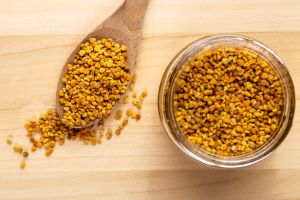
    Fenugreek has lecithin which is a natural emollient and helps in strengthening and moisturization of hair. Hence, fenugreek seed extract with water and other ingredients is used as hair mask for achieving healthy clean scalp and shiny soft hair.

    Preparation of fenugreek hair mask

     Fenugreek hair masks are commonly used for making soft silky healthy hair in traditional medicine. The emollient and moisturizing properties of the seed along with its antifungal effects has been used in the making of hair masks which impart healthy shine and glossiness to hair.

    Steps in the preparation of mask:

    • Soak 2 tablespoons of methi seeds in water overnight
    •  In the morning, blend the soaked seeds into a smooth paste with a little water in a grinder or mixer.
    •  Add 3-4 tablespoons of plain yogurt (curd), aloe vera gel and mix well to form a creamy paste.
    • Apply this mask  and massage gently onto your scalp and hair, from roots to tips. Leave on for 30-45 minutes.
    • Rinse with lukewarm water or cold water and a mild herbal shampoo.

    This hair mask is very much useful in cleaning the scalp ,removing dead skin and dandruff. It provides the hair a smooth shiny luster and softness.

    written by dr sanjana vb

    References

    1.    Mullaicharam AR, Deori G, Maheswari RU. Medicinal values of fenugreek – A review. Res J Pharm Biol Chem Sci. 2013;4:1304–13. [Google Scholar]

    2.    Schulz C, Bielfeldt S, Reimann J. Fenugreek+ micronutrients: Efficacy of a food supplement against hair loss. Cosmetic Medicine. 2006;27:176–9. [Google Scholar]

    3.    Verma V, Saxena R, Garg P, Sharma S, Khanna P, Singh M, et al. Effect of germinated seeds of fenugreek on malassezia furfur from hair dandruff. Int J Curr Res. 2011;3:322–3. [Google Scholar]

  • Almond oil antioxidants to rejuvenate your skin

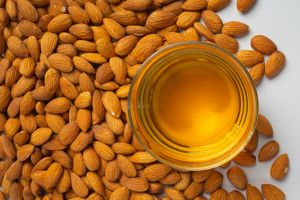
    Almond oil is an amazing rejuvenating ingredient used since time immemorial for enhancing the glow. Almond oil has been enriched with linoleic acid & vitamin E & antioxidants which accentuate the beauty of your skin.

       Almond oil is yellowish oil extracted from the seeds of the Prunus dulcis tree. It belongs to the family Rosaceae. Almonds are edible seed with great nutritive value. They are abundant source of vitamin E antioxidants.

    Almonds are native to southwestern Asia, and grown primarily in Mediterranean climates. California [U.S.A] is the major producer of almonds in the world [ around 80 percent of the global production].

    There are two varieties of almonds:

    sweet almond (P. dulcis, variety dulcis) and bitter almond (P. dulcis, variety amara). Sweet almonds are the edible type consumed as nuts and used in cooking or as a source of almond oil or almond meal.

    Uses of almond oil

    Almond oil is used for various purposes  :

    • Cosmetic use
    • Food preparation
    • Pharmaceutical use
    • Others

    How does almond oil rejuvenate your skin?

    The ageing skin

    Skin ageing happens through the synergistic activity of intrinsic as well as extrinsic factors. The intrinsic factors include genetics, cellular metabolism, hormone and metabolic processes. The extrinsic factors of ageing include chronic light exposure, pollution, ionizing radiation, chemicals, toxins.

    Apart from the factors leading to normal process of ageing exposure to sun is linked with detrimental effects on skin. UV rays of sun cause premature ageing and it is called photo ageing.

      The premature photoaged skin typically shows a thickened epidermis, mottled discoloration, deep wrinkles, laxity, dullness and roughness. Gradual loss of skin elasticity leads to sagging. Slowing of the epidermal turnover rate and cell cycle lengthening worsens aged look of the skin.

    Severe loss of fibrillin-positive structures as well as a reduced content of collagen type VII lead to wrinkles in sun exposed prematurely ageing skin. The sparse distribution and decrease in collagen content in photoaged skin may be due to increased collagen degradation by various matrix metalloproteinases, serine, and other proteases irrespective of the same collagen production.

    Glycosaminoglycans are among the main dermal skin matrix constituents that help in binding water. In photo-aged skin, these constituents may be associated with abnormal elastotic material and their functions on skin are impaired.

     The total hyaluronic acid level in the dermis of skin that age intrinsically remains stable but epidermal Hyaluronic acid diminishes markedly.

     UV-generated reactive oxygen species (ROS) are causing photo damage to skin. Wrinkling and pigmentation are the main visible changes of photo ageing.

    These factors may act conjointly damaging the skin and overtime the skin appears dull, dry, lusterless and parched.

    The primary goal of any skin anti-aging therapy is to achieve a healthy, smooth, blemish-free, translucent and resilient skin. There are various cosmetic procedures and therapies to rejuvenate the skin and repair it. Here we share the natural methods of rejuvenation of skin and in which the potential of almond oil is discussed.

    The role of antioxidants on skin

    The antioxidants can reduce collagen degradation by reducing the concentration of free radicals in the tissues.

    Antioxidants  act by:

    • directly neutralize free radicals
    •  reduce the peroxide concentrations and repair oxidized membranes
    •  quench iron to decrease ROS production
    •  short-chain free fatty acids and cholesteryl esters neutralize ROS through lipid metabolism

    Almond oil in reducing the impact of ageing

    Almond oil is rich in Vitamin E antioxidants and help to rejuvenate the skin and hair follicles of scalp. It can also remove fizziness of hair. Applying almond oil on your skin and hair everyday may help you get glowing radiant skin and hair.

     The antioxidants in almond oil may remove free radical induced damage to your skin. It nourishes skin deeply removing pigmentation and exfoliating the dead tissues.

    The almond oil contains vitamins E and K that help skin regeneration and maintain its elasticity.

    Almond oil is rich in antioxidants, particularly Vitamin E (α-tocopherol) and phenolic compounds, which protect against oxidative stress, reduce lipid peroxidation and enhance antioxidant enzymes.

    Almond oil has emollient and sclerosant properties and, therefore, has been used to improve complexion and skin tone.

    Almond oil is extensively used in the cosmetic industry, particularly in dry skin creams, anti-wrinkle and anti-aging products.

    Almond oil works as a good moisturizer for your skin and hair. It brings back the supple look of your skin through intense nourishing.

    • Almond oil used in aroma therapy

    Almond oil is one of the best essential oils used in aromatherapy and massage therapy as it helps to remove dryness of skin easily and it helps to rejuvenate body and mind due to its nice aroma.

    Recommendations

    For better results in your anti-ageing journey eat a handful of almonds daily. The nutritive value of almonds is very high as they are enriched with vitamin E and other antioxidants.

    Written by dr sanjana p

    References for further reading
    1. https://www.sciencedirect.com/topics/agricultural-and-biological-sciences/almond-oil
    2. https://www.researchgate.net/publication/332957892_Almond_Prunus_dulcis_oil
    3. https://pubmed.ncbi.nlm.nih.gov/20129403/
    4. https://www.databridgemarketresearch.com/reports/global-almond-oil-market#:~:text=Market%20Analysis%20and%20Size&text=Data%20Bridge%20Market%20Research%20analyses,forecast%20period%20of%202022%2D2029.