

In this digital era of extreme climate change and global warming, the green spaces serve as centres for respite which can revitalize mind and body alike. Moreover, recent researches point out their role in reducing stress and improving overall health.
Green spaces as a foundation for wellness
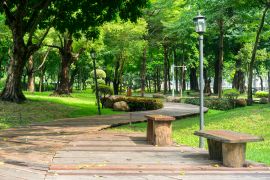
Green spaces are simply defined as open land spaces covered with grass, trees, or other vegetation located within urban, suburban, or rural environments.
They usually encompass public parks, community gardens, roof top vegetation and any rural or urban setting with a cluster of trees and plants on the avenues.
Green spaces have garnered more significance in the recent decades particularly for urban population as a means to foster their mental and physical wellbeing in the hustle and bustle of life. These space of lush greenary may be part of public domains as well as private properties including huge corporate offices and educational institutions.
The greenspaces are emerging as the symbol of enhanced health awareness as well as a solution for achieving wellness in the least expensive way from the foundational levels of health.
The green environs work as stimulus for improving mental and physical health as well as productivity.
Rooted in wellness – cultivating health in green outdoors
- Improves air quality
Green spaces have crucial role in diminishing the impact of growing air pollution and poor air quality in the urban cities. The suburban villages also bear the brunt of air pollution due to indiscriminate waste dumping and unchecked automobile generated smoke. The consequent poor air quality is the root cause of several chronically incapacitating respiratory diseases including asthma and other COPDs [ chronic obstructive pulmonary diseases].
Green spaces aid in filtering particulate matter, sulphur dioxide, nitrogen dioxide and carbon dioxide from the air and thus improve air quality.
Indoor green spaces with perfect ventilation system helps to improve air quality and energy within the homes.
- Reduces noise pollution
Plants and trees cause deflection of sounds from environment and thus help in reducing noise pollution.
- Prevents soil erosion
The trees and vegetation forming green spaces play a key role in preventing soil erosion and in handling water management.
- Affect climate change & biodiversity
Green spaces help to mitigate heat & thus influence climate of the area. They help to reduce the heat and provide cooling shades and furthermore the precipitation and rainfall of an area is closely related to its greenery.
Natural and man-made green spaces help to add to biodiversity as these niches provide food and shelter for animals and other organisms of the ecosystem.
Evidence based research data on the positive impact of green spaces on health
- Stress reduction
Green spaces have pivotal role in mitigating stress, anxiety and depression
- Green spaces help to improve mental wellness
Green spaces provide a platform for social cohesion, communication and spending time together which are crucial for mental well-being of a community or population.
- Green spaces have key role in reducing cortisol levels
Cortisol hormone elevation is linked with persistent and prolonged stress which may stem from multiple causes. Green spaces are indeed a respite for people who go through severe stresses in life. The green spaces like parks help to calm mind and help social cohesion and relationship building.
Educational institutions and corporate offices nowadays build huge green spaces to reduce stress of their students and employees and thus enhance creativity and productivity.
- Green spaces help to reduce brain fatigue & cognitive decline
The ageing people as well as those who are exposed to persistent and prolonged stress are predisposed to cognitive decline early. The chronic stress and ageing can have detrimental impact on brain structure and functions. Eventually it leads to oxidative stress, toxin accumulation and mild cognitive impairment to dementia or total memory loss particularly in genetically predisposed individuals. Green spaces help to mitigate stress and consequent oxidative stress.
- Green spaces help to reduce heat, improve air quality
The scorching heat of summers and altered weather conditions predispose people to several health conditions and infections. Green spaces have some role in reducing heat and climate change although a mass campaign and effort is required in this regard to have a substantially positive impact on health.
- Green spaces foster healthier environment as a space for physical activity
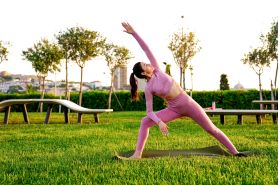
Physical activity in green spaces is rejuvenating to the body & mind; helps sound sleep
Green spaces motivate for doing physical exercise & therefore to reduce obesity. Obesity is closely linked with lifestyle diseases such as diabetes, cancers, metabolic syndrome, fatty liver and cardiovascular diseases.
Walking in lush greenery helps to normalize stress and rhythm of heart and our hormones normalizing cortisol production in the body. This is the foundation or corner stone of wellness.
We can conclusively state that green spaces definitely help to improve mental health, freedom from lifestyle diseases by fostering physical activity and mitigating stress.
Mediprecision clinic fosters the concept of green spaces as well as sustainable development goal of United Nations organizations for better health for all and the sustenance of nonrenewable resources of our biosphere.
Written by Dr Sanjana p.[copyright]
References
- Mental health benefits of long-term exposure to residential green and blue spaces: a systematic review https://pubmed.ncbi.nlm.nih.gov/25913182/
- What Types of Greenspaces Are Associated with Depression in Urban and Rural Older Adults? A Multilevel Cross-Sectional Study from JAGES https://pubmed.ncbi.nlm.nih.gov/33322467/