

Choline is one of the most essential nutrients that your brain and liver needs for healthy functioning. Choline deficiency may compromise your liver and brain health. Choline is available to human body from your foods such as eggs, meat etc.
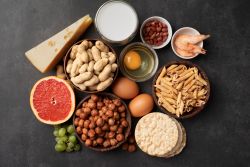
Choline to protect your brain &liver
Functions of choline in human body
Choline has a crucial role in metabolic activities of human body. It is a part of our cell membrane also. Choline is needed for the formation of phosphatidyl choline and sphingomyelin in cell membranes. Therefore , choline is crucial for the strength and integrity of cells.
This essential nutrient is vital for proper functioning of muscles, liver and brain. Choline is very crucial for the formation of acetyl choline in nerve synapses and hence in controlling muscle functioning. It is also important for the formation of neurotransmitters and memory storage.
Choline is crucial during foetal development for brain during pregnancy
Choline can modulate gene expression. Most f the choline is received through the foods we consume. However, a small amount of choline is produced in liver. The choline reaching our body through the foods we consume, is also stored in liver.
Choline deficiency
Choline is usually low in people having folate deficiency. Folate is an important vitamin for our body.
However, extreme deficiency of choline do not happen commonly as choline is released from the cellmembrane phospholipids and some amount is also produced by the liver.
Choline rich foods
The major food sources of choline include:
Eggs
Choline is abundant in egg yolks.Eggs contain around 146mg/serving
Meat
It is also found in meat, fish and beaf. Beaf contains 117mg , chicken breast 72 mg. fish 71mg.
Plant sources of choline
Among plant foods, choline is found in broccoli, cauliflower, peas, soybeans &potato.
Nuts &seeds
Nuts and quinoa also contain some amount of choline[43mg].
yoghurt
Yoghurt is yet another source of choline [38mg].
Adequate intake for choline daily
In infants 125mg/day
Adolescents [14-18yrs] 400-550mg/day
Adults 425-5550mg/day
written by Dr.Sanjana p
References
- Perinatal choline influences brain structure and function. https://pubmed.ncbi.nlm.nih.gov/16673755/
- Zeisel S. Choline: Critical role during fetal development and dietary requirements in adults. Annu Rev Nutr. 2006;26:229–250. doi: 10.1146/annurev.nutr.26.061505.111156 https://pubmed.ncbi.nlm.nih.gov/16848706