Manganese is a mineral crucial for bone formation, collagen formation , metabolism and a very crucial cofactor for an antioxidant preventing serious illnesses.
Manganese is the great co factor for antioxidant manganese superoxide dismutase. This enzyme protects cells from free radical damage. The antioxidant enzyme can prevent various organ diseases and cancers fighting against superoxide free radicals.
Other major role of manganese in human body includes
Bone formation
Carbohydrate &cholesterol metabolism
Antioxidant defense
Enzyme co factor in metabolic pathways.
Collagen formation.
Manganese deficiency
Deficiency of the mineral manganese in human body is associated with poor growth& deterioration in bone health. Joint pain also develops mostly. The deficiency is not so common as the mineral reaches human body from our staple foods.
Manganese rich foods
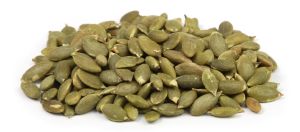
Nuts &seeds particularly pumpkin seeds &walnuts
Legumes
Spinach
Seafoods- mussels &oysters
Whole grains- quinoa, brown rice.
Potatoes
Pineapple
Berries
What is manganism?
Manganese toxicity is known by the name manganism. This neuro toxicity may happen commonly in mining industries. Another probability of occurrence of manganism is for patients in total parenteral nutrition. Usually in chronically bed ridden or acutely ill patients if nutrients and drugs are given through intravenous route for a prolonged period of time it may cause manganism.
Manganese toxicity may cause hallucinations and tremor of hands. The manganese toxin affects basal ganglia of brain and cause tremors resembling Parkinson’s disease. There will be reduction in dopamine neurotransmitter in manganism.
Lumbar Radiculopathy is a lower backpain and weakness associated with nerve root compression. This article deals with solutions to reduce its impact.
Lumbar radiculopathy- Lower back pain
Lumbar radiculopathy refers to pain in lower back, precisely in the lumbar region and down the back to the thighs and legs from a pinched or irritated nerve root in the lower back or spine.
The term ‘lumbar’ means the lower back region of the body, specifically the five large vertebrae (L1 to L5), the spinal discs, and the surrounding muscles. The term radiculopathy refers to a condition caused by the compression, irritation, or inflammation of a nerve root near the spine that may lead to pain, numbness, tingling, or muscle weakness on the nerve pathway.
The pain may be sharp, electric, or burning in nature often accompanied by numbness, tingling, or weakness.
The nerve root irritation in this condition can happen from several causes. A few are listed below.
Causes of lumbar radiculopathy
Herniated disc
Spinal stenosis
Spondylolisthesis
Nerve root injury
Degenerative disc diseases
Genetic defect
Radiculopathy happens from mild to severe causes ranging from disc bulging or herniation, facet or ligamentous hypertrophy in the nearby area of lumbar spine, spondylolisthesis to cancers and infections.
Herniated disc: it is a common condition in the lower back or lumbar region. The discs forming the vertebral column may leak after disruption and the soft material may cause inflammatory reaction in the area irritating the nearby nerve roots and may also cause compressive force over it.
According to a study degenerative spondyloarthropathies are the primary cause of lumbar radiculopathy which occur with ageing.
It can happen from age related changes on vertebra such as bone spurs or osteophytes.
Spinal stenosis is yet another cause of radiculopathy. It happens from narrowing of the spinal canal or the openings where nerves exit out of foraminal openings of the spine.
Spondylolisthesis: This is a condition that happens when one vertebra slips forward over another, it compresses the nerve roots.
Traumatic nerve injury
Nerve root injury from trauma and fall is yet another cause associated with fracture.
Apart from trauma, age itself is a risk factor for degenerative changes in the disc and affects both men and women. Mostly men are affected in their 40s and women after 50s and 60s, however, nowadays it is affecting younger women also. Of late there has been a surge in lumbar radiculopathy cases.
Symptoms
Pain radiates down the thigh, leg, and into the top of the foot or big toe. The location or area of pain distribution depends on the nerve root affected in the lumbar region or below that[L1-L5].
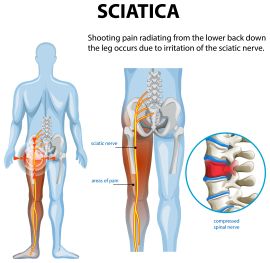
Irritation of nerve roots at specific levels (most commonly L5 and S1) causes the classic pain that shoots down the back or side of the leg. Pain travels down the back of the thigh, calf, and into the outer edge of the foot. This pain is often referred to as sciatica.
You may feel weakness when trying to push off the foot while walking.
Pathology of lumbar radiculopathy or nerve root pain
Mostly the pain in these kinds of nerve pains of spine irritation of a particular nerve happen at any point along the nerve due to a compressive force. Precisely, in case of lumbar radiculopathy [ or lower back pain from compressive forces] this may occur within the thecal sac or as the nerve root exiting the thecal sac within the lateral recess or as the nerve root passes the neural foramina or even after the nerve root emerged out of the foramina. Compression of nerve root is the major cause of pain in other areas of the body, particularly on lower limb and back.
Diagnosis of lumbar radiculopathy
History taking, physical examination and imaging study investigations conjointly help to arrive at the exact cause of pain.
Sometimes investigations or image studies such as MRI or CT-myelogram are performed to find out the nerve impingement or area of compression. The clinical symptoms in the patient and physical examination findings are correlated with these findings to arrive at a diagnosis.
Electromyography (EMG) and nerve conduction velocities (NCV), as well as somatosensory evoked potentials (SSEP) may help to differentiate other causes of nerve entrapment pain from radiculopathy.
Treatment options
Conservative treatment focuses on pain management with medications:
Non-steroidal anti-inflammatory drugs or nerve pain reducing drugs are suggested by conventional medicine
Epidural steroid injections can provide temporary but significant relief by targeting the inflammation around the nerve root
Physical therapy- stretches and some exercises to reduce pain and inflammation. McKenzie exercises has been found to be effective in reducing pain from lumbar radiculopathy
Surgery– It is indicated in cases which are not manageable by conservative methods.
Homeopathic medications
Following medications are commonly used for managing pain and allied symptoms of lumbar radiculopathy:
Hypericum perfoliatum
Rhus Toxicodendron
Colocynthis
Magnesium phosphoricum
Magnesium carbonicum
Kali iodide
Valeriana
A few “mother tinctures” [liquid drops] also are indicated as short acting drugs for managing nerve pain.
Homeopathic medicines are selected in an individualized way after comprehensive case taking and physical examination and evaluating the investigative findings. Apart from these common drugs deep acting “constitutional drugs” are chosen tailoring to individual symptoms and characteristic.
Yoga & nutrition also have key role in strengthening spine .In mediprecision clinic we focus on integrating the medications with these Yogic nutrition therapy.
Warning signs for seeking urgent or emergency medical care
When you experience any of these symptoms, please seek emergency care in a well-equipped hospital with facility to do decompression surgery:
Sudden weakness in legs
Loss of bowel or bladder control.
Numbness in groin or saddle anaesthesia in private parts perineum. All these symptoms point to a condition called cauda equina syndrome which requires immediate decompression.
According to a study from Rice university scientists, the dye free molecular atlas of brain of Alzheimer’s patients uncovers a new metabolic change across the brain beyond the amyloid plaque accumulation. It indicates a whole brain metabolic disruption beyond the amyloid protein deposits.
Rice University scientists have compiled a fresh and innovative perspective in the pathological study of Alzheimer’s brain tissues. They have created first comprehensive, label free molecular atlas of the Alzheimer’s brain in an animal model.
All over the world Alzheimer’s claims more lives in the recent decades and its incidence is spiking every year. Till date amyloid plaque deposition is considered as the major cause of the disease and still medical neuro-science has not made great progress in the management of Alzheimer’s and dementia in general.
This study throws light into the fact that metabolic disruption affects brain cells and further research in this regard may help to formulate new strategies to address the onset as well as the progress of Alzheimer’s disease.
Currently, Alzheimer’s is classified among the major diseases causing dementia or loss of memory and eventual progress to nerve degeneration to a wider area of brain incapacitating the patient to lead a normal life on both mental and physical levels.
Previous pathological overview about Alzheimer’s disease
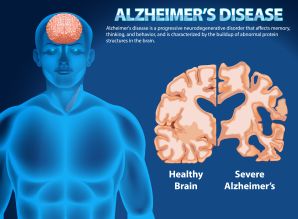
Alzheimer’s disease is a progressive neurodegenerative disorder defined pathologically by the accumulation of extracellular amyloid-beta plaques and intracellular neurofibrillary tangles (NFTs) of hyperphosphorylated tau protein.
Amyloid plaque accumulation happens through the abnormal cleavage of Amyloid Precursor Protein (APP) by beta- and gamma-secretase enzymes. Genetic mutations play key role. Early-onset Alzheimer’s is often caused by mutations in APPPSEN1, or PSEN2 genes. Also, the brain’s inability to remove the amyloid, often due to impaired proteostasis (protein degradation) adds to the pathological change.
Moreover, reduced blood flow, chronic inflammation, and hypoxia (low oxygen) can trigger amyloid plaque production leading to Alzheimer’s disease.
The amyloid proteins disrupt cell-to-cell communication and trigger immune responses (microglial activation). Microglia and astrocytes become activated by protein accumulation, releasing inflammatory cytokines that exacerbate damage.
Oxidative Stress & Mitochondrial Dysfunction exacerbate the crisis. Increased oxidative stress and damage to cellular mitochondria can accelerate neuronal decline.
Tau protein, which normally stabilizes microtubules in neurons, becomes hyperphosphorylated, changes shape, and aggregates into paired helical filaments (tangles). This causes the internal transport system to collapse, leading to neuronal dysfunction and death
Alzheimer’s is is characterized by significant synapse loss and neuron death, primarily affecting the hippocampus and entorhinal cortex, leading to severe brain shrinkage (atrophy).
This study at Rice university gives a deeper outlook towards the emergence and progress of Alzheimer’s disease. Although this study is in the incipient stage and further extensive research is needed to unravel the entire mechanism of metabolic disruption, the study provides new evidence in the pathology of Alzheimer’s disease.
Research method
The scientists of Rice university used an advanced light-based imaging method combined with machine learning, the team examined brain tissue from both healthy and Alzheimer’s affected animals. Their results, published in ACS Applied Materials and Interfaces, reveal that chemical changes linked to Alzheimer’s are not confined to amyloid plaques. Instead, these alterations appear throughout the brain in uneven and complex patterns.
The researchers scanned whole brains slice by slice, compiling thousands of overlapping measurements to build high resolution molecular maps of both healthy and diseased tissue. The imaging process generated large amounts of data, which was analyzed using machine learning. Later they resorted to supervised machine learning, training models to distinguish between Alzheimer’s and non-Alzheimer’s samples. This was a crucial step that aided in determining how different brain regions reflected Alzheimer’s related chemistry.
Research outcome by Rice university
The research team found that the changes caused by Alzheimer’s disease are not spread evenly across the brain. Some areas showed strong chemical changes, while others were less affected. This uneven pattern elucidates clearly about the gradual onset of symptoms in Alzheimer’s disease and why treatments that focus on only one problem have had limited success.
Beyond amyloid plaque accumulation, the study could throw light into the broader metabolic differences between healthy and Alzheimer’s brains.
Levels of cholesterol and glycogen varied across brain regions, with the most dramatic contrasts appearing in areas responsible for memory, specifically in the hippocampus and cortex.
Cholesterol has crucial role in maintaining brain cell structure, and glycogen serves as a local energy reserve.
In a nutshell, this research study offers a more comprehensive view of the disease and opens up new avenues for research both at pathological, investigational and pharmaceutical realms.
Delving deeper into metabolic disruption from other research studies
The findings unveiled include:
Reduced glucose uptake by brain cells
In alzheimer’s disease significantly reduced cerebral glucose metabolism, particularly in regions like the hippocampus has been detected. Neurons struggle to take up and utilize glucose, leading to a state of “intracellular starvation”.
Mitochondrial Dysfunction & ATP Failure
Also,dysfunction in the Tricarboxylic Acid (TCA) cycle, specifically a decrease in ketoglutarate dehydrogenase complex activity.
Reduced metabolic efficiency causes chronic oxidative stress, which damages brain cells. Microglia cells fail to clear debris and neuroinflammation follows.
Lipid Metabolism Dysregulation and lipid accumulation which triggers neurodegeneration.
The Alzheimer’s brain exhibits insulin/IGF resistance, which impairs neuronal glucose transport and worsens energy metabolism.
Signaling Pathway Disruptions: Dysregulation of the AMPK signaling pathway is closely linked to this impaired energy metabolism.
Conclusion:
I think the new information pertaining to the metabolic dysfunction and oxidative stress may give a new perspective to Alzheimer’s prophylaxis [ prevention], intervention and screening with more metabolic panel analysis.
written by dr sanjana p souparnika
Refernce
Machine Learning-Enhanced Hyperspectral Raman Imaging for Label-Free Molecular Atlas of Alzheimer’s Brain. ACS Applied Materials, 2025; DOI: 10.1021/acsami.5c22623
Brain Metabolic Alterations in Alzheimer’s Disease
Carlos G. Ardanaz Department of Pharmacology and Toxicology, University of Navarra, 31008 Pamplona, Spain https://www.mdpi.com/1422-0067/23/7/3785
Almond oil is an amazing rejuvenating ingredient used since time immemorial for enhancing the glow. Almond oil has been enriched with linoleic acid & vitamin E & antioxidants which accentuate the beauty of your skin.
Almond oil is yellowish oil extracted from the seeds of the Prunus dulcis tree. It belongs to the family Rosaceae. Almonds are edible seed with great nutritive value. They are abundant source of vitamin E antioxidants.
Almonds are native to southwestern Asia, and grown primarily in Mediterranean climates. California [U.S.A] is the major producer of almonds in the world [ around 80 percent of the global production].
There are two varieties of almonds:
sweet almond (P. dulcis, variety dulcis) and bitter almond (P. dulcis, variety amara). Sweet almonds are the edible type consumed as nuts and used in cooking or as a source of almond oil or almond meal.
Uses of almond oil
Almond oil is used for various purposes :
Cosmetic use
Food preparation
Pharmaceutical use
Others
How does almond oil rejuvenate your skin?
The ageing skin
Skin ageing happens through the synergistic activity of intrinsic as well as extrinsic factors. The intrinsic factors include genetics, cellular metabolism, hormone and metabolic processes. The extrinsic factors of ageing include chronic light exposure, pollution, ionizing radiation, chemicals, toxins.
Apart from the factors leading to normal process of ageing exposure to sun is linked with detrimental effects on skin. UV rays of sun cause premature ageing and it is called photo ageing.
The premature photoaged skin typically shows a thickened epidermis, mottled discoloration, deep wrinkles, laxity, dullness and roughness. Gradual loss of skin elasticity leads to sagging. Slowing of the epidermal turnover rate and cell cycle lengthening worsens aged look of the skin.
Severe loss of fibrillin-positive structures as well as a reduced content of collagen type VII lead to wrinkles in sun exposed prematurely ageing skin. The sparse distribution and decrease in collagen content in photoaged skin may be due to increased collagen degradation by various matrix metalloproteinases, serine, and other proteases irrespective of the same collagen production.
Glycosaminoglycans are among the main dermal skin matrix constituents that help in binding water. In photo-aged skin, these constituents may be associated with abnormal elastotic material and their functions on skin are impaired.
The total hyaluronic acid level in the dermis of skin that age intrinsically remains stable but epidermal Hyaluronic acid diminishes markedly.
UV-generated reactive oxygen species (ROS) are causing photo damage to skin. Wrinkling and pigmentation are the main visible changes of photo ageing.
These factors may act conjointly damaging the skin and overtime the skin appears dull, dry, lusterless and parched.
The primary goal of any skin anti-aging therapy is to achieve a healthy, smooth, blemish-free, translucent and resilient skin. There are various cosmetic procedures and therapies to rejuvenate the skin and repair it. Here we share the natural methods of rejuvenation of skin and in which the potential of almond oil is discussed.
The role of antioxidants on skin
The antioxidants can reduce collagen degradation by reducing the concentration of free radicals in the tissues.
Antioxidants act by:
directly neutralize free radicals
reduce the peroxide concentrations and repair oxidized membranes
quench iron to decrease ROS production
short-chain free fatty acids and cholesteryl esters neutralize ROS through lipid metabolism
Almond oil in reducing the impact of ageing
Almond oil is rich in Vitamin E antioxidants and help to rejuvenate the skin and hair follicles of scalp. It can also remove fizziness of hair. Applying almond oil on your skin and hair everyday may help you get glowing radiant skin and hair.
The antioxidants in almond oil may remove free radical induced damage to your skin. It nourishes skin deeply removing pigmentation and exfoliating the dead tissues.
The almond oil contains vitamins E and K that help skin regeneration and maintain its elasticity.
Almond oil is rich in antioxidants, particularly Vitamin E (α-tocopherol) and phenolic compounds, which protect against oxidative stress, reduce lipid peroxidation and enhance antioxidant enzymes.
Almond oil has emollient and sclerosant properties and, therefore, has been used to improve complexion and skin tone.
Almond oil is extensively used in the cosmetic industry, particularly in dry skin creams, anti-wrinkle and anti-aging products.
Almond oil works as a good moisturizer for your skin and hair. It brings back the supple look of your skin through intense nourishing.
Almond oil used in aroma therapy
Almond oil is one of the best essential oils used in aromatherapy and massage therapy as it helps to remove dryness of skin easily and it helps to rejuvenate body and mind due to its nice aroma.
Recommendations
For better results in your anti-ageing journey eat a handful of almonds daily. The nutritive value of almonds is very high as they are enriched with vitamin E and other antioxidants.
Cognition is a terminology that often come across in our everyday discussions& readings related to thinking and brain functions. What is cognition? How cognitive impairment do occur and what are the ways to prevent cognitive impairment?
Cognition simply refers to any process related to perceiving, thinking, understanding, reasoning and comprehending. According to American psychological association cognition is defined as all forms of knowing and awareness, such as perceiving, conceiving, remembering, reasoning, judging, imagining, and problem solving. Along with affect and conation, it is one of the three traditionally identified components of mind. An individual percept, idea, memory, or the like.
Cognitive impairment is a condition related to reduced brain functions related to memory, understanding and comprehension. It is a term used for indicating problems with thinking, memory, and judgment, ranging from mild to severe.
It may eventually affect the quality of life if left untreated. Mild cognitive impairment can often be managed with lifestyle changes and a few simple medications. However, more severe cognitive impairment may impact a person’s ability to perform daily activities. It may present as:
Difficulty with thinking and memory &in concentrating, learning new things, or remembering past events.
Language and communication also affected. Difficulty in finding the right words or following conversations.
Therefore, it is crucial to prevent risk factors leading to cognitive impairment. It is not possible to prevent totally, some dementia or severe cognitive impairment causing factors. However, the risk can be considerably reduced by paying some attention to our daily routine and habits.
Some modifiable risk factors & solutions to prevent cognitive impairment
Cognitive functioning of brain is dependent on several factors related to our daily lives.
A few factors leading to cognitive impairment are listed here:
1] Sleep
Sleeping for 6-8 hours is crucial for proper functioning and repair of nervous system. Sleep deprivation has detrimental impact on nervous system functioning. How does sleep benefits us in improving the health of nervous system?
Sleep plays a crucial role in reducing mental fatigue and helping memory and recall. Studies have proven that lack of sleep affects long-term memory, working memory, attention, higher order executive function, and various decision-making processes. Sleep deprivation can impair memory, recall functions of the brain. Furthermore, it may elevate your stress levels.
Sleep is essential for regenerating certain areas of brain
It is important for brain to continue the regenerative processes within neurons for ensuring proper functioning of brain and nervous system. It happens during sleep hours. Sleep deprivation hampers the regenerative processes.
During sleep beta amyloid fibrils are removed by CSF.
According to research studies during sleep, the cerebrospinal fluid removes the beta-amyloid metabolite in the brain which are harmful to brain functions as they have been implicated in the disease pathology of Alzheimer’s disease. Beta amyloid metabolite is notorious for causing Alzheimer’s disease. That means, sleep deprivation may enhance the risk of Alzheimer’s disease increasing beta amyloid fibril deposition.
Brain cell damage is repaired during sleep
It is during sleep that certain enzymes repair brain cell damage caused by free radicals. Sleep deprivation prevents this repairing process. It is a fact that the brain functions normally because of the neurotransmitters, and neurons that are unable to rest or regenerate.
Studies have shown that sleep [particularly NREM sleep]is important for turning off the norepinephrine, serotonin and histamine neurotransmitters, which is the time available for receptors to “rest” and regain sensitivity to be more effective at naturally produced levels again.
Each phase of the sleep cycle has critical role in restoring restores and rejuvenating the brain for optimal function. Normally the glymphatic system of brain eliminate toxins building up with in the nervous system and brain during sleep. It cannot eliminate these toxins that can build up, and negatively affects cognitive abilities, behaviour, and judgment if there is lack of sleep.
Lack of sleep also affects your linguistic capacity.
Temporal lobe of brain is linked with language processing. Sleep deprivation affects it very adversely. Lack of sleep may cause slurred speech due to the brain’s incapacity to process the neuronal signal at optimum levels during waking hours.
2] Physical activity & exercise to strengthen neuroplasticity potential of brain
Have you heard about the unique potential of human brain neuroplasticity? Neuroplasticity is the term referring to the brain’s ability to change, reorganize, or grow neuronal networks. This can involve functional changes due to brain damage or structural changes due to learning. Exercise and physical activity may help to boost it.
Regular moderate aerobic exercise is an effective solution for improving neuronal health and functional abilities. It is assumed that exercise-induced memory improvement is probably mediated through neurotrophic factors, and exerkines.
Exerkines are defined as signalling molecules released in response to acute and/or chronic exercise, which exert their effects through various pathways.
Many organs, cells and tissues release these factors, including skeletal muscle (myokines), the heart (cardiokines), liver (hepatokines), white adipose [fat]tissue (adipokines), brown adipose tissue (baptokines) and neurons (neurokines). Exerkines have potential roles in improving cardiovascular, metabolic, immune and neurological health. Thus, exercising helps your brain power.
Some brain exercises to improve cognition & memory
Brain exercises modify neuronal activity in such a way that they may help improvement in memory, cognitive functions or mental abilities.
Practise the following things to improve cognition:
Learning new and complex skills
Eg: playing instruments, games
Solving problems in mathematics
Learning a new language
Recall what you have read
Cooking
Visualization of words, things etc.
Eye- hand coordination activities such as playing tennis, chess etc.
Sports games
yoga
Meditation
Completing a jigsaw puzzle
Socializing
Increasing vocabulary or word power
Listening to music
conclusion
Mild cognitive impairment may affect quality of life overtime or it may progress to more serious forms if not addressed on time with adequate lifestyle changes and some simple medications for a short period of time in cases requiring them.
In order to prevent this mental catastrophe, make a change or modification in your habits from the very early age.
Never forget to do physical exercise in your routine; practice brain exercise and ensure that you get adequate sleep.
It is crucial to understand that erratic sleep may disrupt your memory and other brain functions even if you exercise every day. Therefore, ensure that you sleep for at least 6-8 hours a day.
Furthermore, yoga & meditation may help to improve health of brain and nervous system.
Nutrition has pivotal role in maintaining the health of nervous system. Eat healthy follow balanced diet preferably, Mediterranean diet.
Just include some micro habits to your routine for a big positive change. Enjoy this beautiful world with your senses and maintain your cognitive powers intact!
Mediterranean diet is a globally approved diet pattern for preventing and managing obesity & life style diseases and thus for sustaining healthy living.
Obesity and its associated risks are the growing concern in all age groups globally as it is the root cause of various kinds of life style diseases, hormonal disorders, cancers and depression.
Obesity is a condition which affects the quality of life and the general health of individuals as well as populations. Obesity is closely linked with diabetes and depression even in children, although genetics also plays a contributory role here. The emerging solution to preserve and sustain the health of the population is to adopt healthy lifestyle practices right from the formative years of life. Adults as well as children need to follow healthy food habits and ways for adequate physical activity to ensure better quality of life and productivity.
In the journey towards adoption of healthy life practices, diet plays a pivotal role. Everyone is worried about the right diet for their health and clinical conditions. This is quite natural and needs advice of a health care provider or nutritionist, particularly if one is affected with life style diseases such as diabetes, heart attack, stroke and some cancers.
Hormonal disorders like polycystic ovarian syndrome in females, also has been linked with obesity, insulin resistance and metabolic syndrome. This condition requires vigorous physical exercise as well as dietary modifications for reducing insulin resistance and obesity.
Mediterranean diet is a globally approved diet pattern for preventing and managing many of the life style diseases and sustain healthy living.
What is Mediterranean diet?
It is a diet based on traditional diet patterns. Mediterranean diet follows the dietary patterns of people living in Mediterranean region. The diet gives emphasis to the inclusion of whole grains, vegetables, legumes, fruits, nuts, seeds, herbs and spices. Olive oil is included as a chief ingredient of most of the recipes in Mediterranean diet, it being a source of healthy fats. Fish, sea food and poultry are also included in this diet. Although not considered as mandatory, red meat and sweet is allowed occasionally.
History of origin of Mediterranean diet &its spread
Now, Mediterranean diet is a popular dietary choice among fitness freaks as well as with people concerned about life style diseases globally. However, it is curious to know that for many decades the diet was part of the lives of various tribes existed in the Mediterranean region.
The Mediterranean region comprises areas of the globe around the Mediterranean Sea, having the Mediterranean climate characterized by rainy winters and dry, hot summers. It encompasses the countries around Mediterranean sea in three continents Africa, Asia, Europe and certain regions of other continents such as California, Chile, Southwestern Australia, and southern South Africa.
It was around 1950s that Ancel Keys, an American scientist noticed the fact that incidence of heart diseases is very low among people of Mediterranean region and he focused his research on the dietary habits of people of this region. His study is known as ‘The Seven Countries Study of Cardiovascular Diseases’.
Later further advanced research studies conducted over the years confirmed that Mediterranean diet & dietary patterns derived from it are not only beneficial in the prevention of cardiovascular diseases, but also in the therapeutic approach of obesity, type 2 diabetes, metabolic syndrome, cancer or neurodegenerative diseases.
Mediterranean diet includes food ingredients having healthy, monounsaturated fat, which lowers total cholesterol and low-density lipoproteins [bad cholesterol] levels in the human body.
Nuts and seeds being an integral part of Mediterranean diet provide monounsaturated fat and are good for health if consumed in moderation.
Th diet includes fish and seafood & legumes which provide proteins, vital minerals, vitamins and omega fatty acids to the body.
Vegetables and fruits are important part of this diet and serve as effective antioxidants, sources of vitamins and minerals required for vital functions in the body.
Health benefits of Mediterranean diet
Mediterranean diet has numerous health benefits, particularly in the prevention of life style diseases. Of late numerous studies have elucidated its role in sustaining cognitive functions of brain and nervous system.
Mediterranean diet helps to:
Lower the incidence of heart diseases & stroke
It helps to maintain optimum weight and prevent obesity
It helps to reduce blood glucose levels
It lowers blood cholesterol
Mediterranean diet helps to reduce hypertension
Reduces the risk of development of metabolic syndrome in obese peope. Metabolic syndrome is the triad of occurrence of high blood pressure, high levels of bad cholesterol and obesity in individuals.
Mediterranean diet includes ingredients that support gut microbacteria. It also improves digestive health.
The diet also helps in reducing the occurrence of some type of cancers. [ prostate, colon cancers]
Improves brain health & cognitive function.
Improves longevity
Antioxidants in mediterranean diet helps to prevent free radical injury and helps improved skin health.Antioxidants are beneficial in slowing down ageing preventing oxidative stress to skin and vital organs.
High fiber content help reduce bad cholesterol improving cardiovascular health and it also reduces the risk for colorectal cancers.
written by dr sanjana p [copyright]
References
1.Wright C.M. Biographical notes on Ancel Keys and Salim Yusuf: Origins and significance of the Seven Countries Study and the INTERHEART Study. J. Clin. Lipidol. 2011;5:434–440. PMID: 22108146 DOI: 10.1016/j.jacl.2011.09.003 https://pubmed.ncbi.nlm.nih.gov/22108146/
2. Gotsis E., Anagnostis P., Mariolis A., Vlachou A., Katsiki N., Karagiannis A. Health benefits of the Mediterranean Diet: An update of research over the last 5 years. Angiology. 2015;66:304–318. doi: 10.1177/0003319714532169. https://pubmed.ncbi.nlm.nih.gov/23553669/
Creativity is an innate trait which can instill contentment and joy to every humanbeing .However, sometimes creative pursuits are recommended by the intellectual community as well as mental wellness professionals to enhance positivity as well as professional talents. It is one of the most significant tools for boosting mental health globally.
Creative pursuits encompass a wide range of activities that involve imagination, expression, and the development of original ideas. These may range from simple house hold chores like cooking and crafting to vivid artistic performances by professionals.
Creativity offers a broad horizon to explore and practice. It is curious to know that since time immemorial creative pursuits were part of all civilizations, quite often developed as a part of the social evolution of ancient tribes from hunter gatherers into a society or population.
In the present era of advanced science and technology too, creative pursuits have indispensable role. Across the globe, people may be pursuing creativity either instinctively or as an integral part of profession as arts provide you rewards, contentment and joy, elevating the mood towards more positive outlook. Some of you may have adopted creative professions which also provide you wealth & sense of joy while stimulating your cognitive skills as well.
Research data about creative pursuits & health benefits
Do you know the creative mind is more stable, balanced and intellectually keen. Of late numerous neuroscientific research studies have been published focusing on creativity and mental and cognitive health. They point out that engaging in creative pursuits is associated with numerous benefits, including improved mental health, enhanced creativity, and increased opportunities for personal growth and expression. In short, creativity and creative pursuits boost physical, mental and emotional health.
A few examples of creative pursuits you may incorporate into life:
Artistic pursuits
Performing arts such as acting, singing, dancing etc.
Visual arts – drawing, painting, sculpture, pottery, digital arts
Creative writing of poems, short stories, fictions, journaling etc.
Other types of hobbies you are pursuing may be considered as creative pursuits if it involves your mental and physical contribution such as:
Gardening
Photography & editing
Home decoration & renovation
Learning new languages
Cooking experiments
Creating video games
Playing musical instruments
Story scripting and narration
blogging
Apart from the listed pursuits you can add more creative hobbies and ventures into your life and enjoy its positive effects on life. Creativity is the ability to discover innovative and original ideas. It is one of the 10 life skills advocated by the World Health Organization.
Four-C model of creativity given by Kaufman and Beghetto
According to this model creativity is classified as:
Mini-cmodel
It means transformative learning, meaningful interpretations of daily experiences that can make changes in the understanding at the individual level.
Little-c model
This model includes creative actions and thoughts that is out-of-box thinking in anything we do & it impacts individuals and their zone of influence.
Pro-c model
It includes the creative acts of experts/experiences people learn within an organization, community, or domain or organization, field system of practice. It has impact on the market
Big-c model
This includes eminent creativity of exceptional people that is self-taught, unconventional thinking. This can make profound impact on culture, society and the world.
Benefits of creative pursuits
Psychological or mental health is improved by creativity
Enhanced self-efficacy, coping skills and emotional regulation or balanced emotions are achieved by creative people more easily. All creative pursuits orient the mind for positive focus. Purposeful creative involvement promotes well-being.
Creativity helps to reduce stress
Creative pursuits lower stress hormone response and thus help in reducing the impact of stress on your physical and mental health.
Immunity is better in creative & active people
Enhanced immune function is another added benefit of creative pursuits
Creativity improves social involvement
Creative pursuits reduce loneliness and isolation, particularly presentation of artistic performances, digital art work etc. These kinds of pursuits are shared with audience and receive feedback also. It enhances social support, and improves social involvement.
Adoption of healthy Behaviors
A focused attempt at creativity fosters healthy habits including increased exercise or physical activity, adoption of healthier behaviors & skills development.
Creativity as an important way of enhancing and maintaining a sense of well-being. Research studies have recognized that the practice of creative pursuits can be beneficial in influencing positively psychological, physical and social components.
For example, music as a creative pursuit is associated with numerous health benefits on the brain. A study conducted on children shows that music plays an important role in reading, language, and auditory skill development. Studies have shown structural differences in grey matter and white matter in children who engage in music (especially during early childhood) compared with those who do not.
Another study shows that in adults with a mental illness, activities such as choir singing, art-making, expressive writing, and group drumming reduce mental distress, depression, and anxiety while simultaneously enhancing individual and social well-being.
The benefits achieved through creative pursuits of these kinds may be attributed to the modulation of serotonin and other neurotransmitters, a decrease in cortisol and other stress hormones. The creative activities also cause a reduction in inflammatory immune responses.
Sleep studies on music indicates that music helps to improve sleep quality, sleep efficiency, and time to sleep onset in a way much better than meditation can do.
Written by Dr Sanjana p Souparnika [ dr sanjana vb]
Reference
Hyde KL, Lerch J, Norton A, Forgeard M, Winner E, Evans AC, et al. Musical training shapes structural brain development. J Neurosci. 2009;29:3019–25. doi: 10.1523/JNEUROSCI.5118-08.2009. https://pubmed.ncbi.nlm.nih.gov/19279238/
Cordi MJ, Ackermann S, Rasch B. Effects of relaxing music on healthy sleep. Sci Rep. 2019;9:9079. doi: 10.1038/s41598-019-45608-y. doi: 10.1038/s41598-019-45608-y. https://pubmed.ncbi.nlm.nih.gov/31235748/
Anti -inflammatory diet is suitable to people suffering from chronic inflammatory diseases as well as food sensitivity or allergy.
The term anti-inflammatory diet is not a specific type of dietary habit suitable for all. As the term anti- inflammatory denotes it is a food choice to reduce inflammation as well as its impacts of body organs. In order to delve deeper into anti-inflammatory diet and understand its benefits one should know what is inflammation, its signs and symptoms and complications or impacts on the body.
The triggers as well as type of inflammations and their impacts vary from person to person. Therefore, while choosing an anti-inflammatory diet an individualized approach is better.
What is inflammation?
Inflammation is a key aspect of the body’s immune defenses. It can be acute or chronic. Symptoms can include swelling, heat, pain, and more. Treatment is offered depending on the underlying cause.
Inflammation may be acute as well as chronic. Acute inflammations occur abruptly and may last for a short period of time. Often acute inflammations are caused by injury, environmental chemicals and by infective agents causing infections of various kinds.
The sign s of acute or sudden inflammation include redness, pain, swelling , heat , loss of function.
Chronic inflammation & its impact on your body
Chronic inflammation means inflammation of the cells and tissues of body for a prolonged period of time. The chronic inflammatory state may cause damage to cells and body organs in the long run. It impairs the functions of organs such as heart, kidney, lung, brain etc.
For instance,metabolic syndrome, which includes type 2 diabetes, heart disease, and obesity is a chronic inflammatory condition which needs anti-inflammatory diet as a life style and nutritional intervention.
Anti -inflammatory diet is suitable to people suffering from chronic inflammatory diseases as well as food sensitivity or allergy.
A few Chronic inflammatory diseases affecting humans are listed below:
Crohn’s disease.
Heart disease.
Chronic obstructive pulmonary diseases
Rheumatoid arthritis.
Type 2 diabetes.
Ulcerative colitis.
High blood pressure.
Irritable bowel syndrome.
Multiple sclerosis.
Obesity.
Psoriasis.
Chronic inflammations are mostly caused by genetic, metabolic and environmental factor. Food sensitivity in people is also a type of inflammatory response.
Who are at risk of chronic inflammation & anti-inflammatory diet may be helpful?
The risk for chronic inflammation is enhanced in:
Old people
Obese people
In people who eat processed foods more
In persons who smoke
In over stressed individuals
In people who follow erratic sleep habits
How chronic inflammations adversely affect your health?
Chronic inflammation eventually leads to complicated Organ diseases
Chronic inflammation predisposes to complex diseases of liver, kidney, heart, lungs etc. which can considerably enhance the morbidity as well as mortality rates globally.
Chronic inflammatory state enhances the risk for cancer.
The incidence of diabetes and obesity are rising in the global population and this chronic inflammatory conditions alarmingly increase the risk of cancer as well as other allied complications of lifestyle diseases.
How do you know you have inflammations? Signs and symptoms
Inflammation is characterized chronic pains , swelling ,redness ,tenderness of the affected parts.
Inflammation causes other symptoms also depending on the organs and tissues affected.
Anti-inflammatory diet
Anti -inflammatory diet offers guidelines to follow to eat in a way that reduces the likelihood of inflammation. In a nutshell anti-inflammatory diet is one that includes minimally processed foods and includes healthy antioxidant rich vegetables, fruits, nuts and seeds ,fish with anti -inflammatory properties.
Avoid the following Foods:
Sweets, pre-packaged desserts, ice cream and candy.
Snacks – fried and junk foods
Processed meats, including bacon, sausage, hot dogs etc.
Processed cheeses
Sugary beverages
The anti-inflammatory diet recommends the following foods to include in your diet plan:
Brown or wild rice.
Vegetables particularly green leafy vegetables which are rich in antioxidants and phytochemicals
Fruits
Chicken breast
Eggs
Fish (oily fish, such as salmon, tuna, herring or mackerel).
Legumes
Nuts and seeds.
Oats.
olive oil
cardamom
ginger
cloves
Best types of anti-inflammatory diet patterns
Mediterranean diet
Dash diets
MIND Diet
These are specific diet patterns which help to prevent and manage life style diseases and various other organ diseases of mankind.The mediterranean and DASH diets are found to be very effective in preventing and modifying diseases of heart and blood vessels .
It helps to prevent heart attack, stroke , diabetes and hypertension. Most of these diseases are associated with chronic inflammations. These diets help to reduce inflammation also. MIND diet is a combination of Mediterranean diet and DASH diet. Here processed and junk foods, excessive intake of sweet and salt intake are restricted.
Further more, the diet includes so much of antioxidants and ingredients with anti-inflammatory properties.
Mediteraanean diet includes olive oil as the prominent ingredient of foods and which are anti-inflammatory to a great extent.
Research studies show that people of Mediterranean region who consume these foods had very low incidence of heart diseases and stroke. Now mediterranean diet is accepted by the whole world as the best and practical solution for obesity and life style diseases prevention.
Both of these conditions are related with chronic inflammation and the efficacy of Mediterranean, DASH and MIND diets prove its anti- inflammatory role also.
Benefits of Anti-inflammatory diet
Improves skin health and beauty
Reduces joint pain & swelling
Improves gut health & reduces abdominal bloating from gas
Better and refreshing sleep.
Reduces heart attack and stroke
Lower blood pressure.
Lower blood sugar and helps to manage type 2 diabetes well.
Helps in weight loss.
Improves energy level.
Foods to include in anti-inflammatory diet
Berries
Fatty fish
Broccoli
Avocados
Green tea
Peppers
Mushrooms
Grapes
Turmeric
Extra virgin olive oil
Dark chocolate and cocoa
Tomatoes
Cherries
Of late anti-inflammatory diet is gathering attention world wide as a solution for obesity and many types of diseases of inflammatory nature including lifestyle diseases.
History of Indian medical heritage points out that many centuries ago herbs, vegetables and fruits were used in the treatment of various inflammatory conditions.
The Indian systems of medicine gives emphasis to prescription of food with some inclusion and exclusion criteria, for various types of clinical conditions or diseases. Recent advances in nutritional research substantiates the ancient practice with well designed dietary protocols understanding the underlying pathology as inflammation.
Everyone can achieve wellness and health through well chosen diet plans tailoring to individual needs.