
Category: Food &nutrition

  • Cherries – Antioxidants to boost cardiovascular& brain health

    Cherries are small, sweet and tart reddish to maroon-coloured edible fruits that belong to the genus Prunus and family Rosaceae. It is a delicious & nutritious fruit consumed by all people across the globe irrespective of their age. Cherries provide numerous health benefits due to their antioxidant potential

    Cherries are part of various cuisines including salads, desserts, salads etc. There are various species of cherries.  Commercially cherries are produced worldwide and they include both sour cherries (Prunus cerasus) and sweet cherries (P. avium). Sour cherries can be frozen or canned and used in the preparation of sauces and pastries, while sweet cherries are eaten afresh or preserved.

    The cherries are fruits with a fleshy drupe (stone fruit) that is generally heart-shaped to nearly globular, measures about 2 cm (1 inch) in diameter, and varies in colour from yellow through red to nearly black.

    Drupe is a fruit having thin skin, a fleshy body, a hard stone, and an inner seed. Therefore, cherry drupes are often referred to as “stone fruits” due to the presence of a hard stone in the middle.

    Major commercial production of cherries occur in Europe and countries of Mediterranean region. It is also produced in America and Australia too.

    History of the origin of cherries

    According to historical data the Greeks were the first Europeans to start cultivating cherries and later the Romans continued to expand its production to far-flung regions.

    It is believed that sweet cherries were cultivated during the ancient times in Asia Minor[ Turkey] between the Black and Caspian seas and it spread to Europe through migratory birds consuming the fruits.

     It is an amazing fact that the stones of wild cherries have been found in deposits at bronze age settlements of entire Europe. It was Persians and the Romans who brought cherries into Britain many years before the 1st century AD. In Britain, cherry cultivation was promoted by the royals in the sixteenth century, particularly by Henry VIII.

     In the American subcontinent, Massachusetts colonists planted the first sour cherry, ‘Kentish Red’, when they  migrated to the region.

    Nutritional value of cherries

    Cherries are nutritious fruits packed with several kinds of nutrients vital to the body.

    Sweet cherries contain 82% water, 16% carbohydrates, 1% protein, and negligible amount of fat. It is also enriched with vitamin C. Sour cherries contain more vitamin C and beta carotenes having antioxidant properties. They are good source of fibers also.

    Health benefits of cherries

    • Fruits with low calories

    The cherries are highly recommended fruits with relatively low caloric content and can be consumed even by obese people in moderate doses.

    • Rich source of antioxidants

    Cherries contain polyphenols and vitamin C having anti-oxidant properties.  Chiefly sweet cherries, are enriched with anthocyanins, quercetin, hydroxycinnamates, potassium, fiber, vitamin C & carotenoids.

    Cherries prevent cancers, cardiovascular disease, diabetes, inflammatory diseases, and Alzheimer’s disease  most probably due to their high antioxidant activity.

    Cyanidin-3-glucoside and cyanidine-3-rutinoside are the major anthocyanins in cherries.

    • Improves mental health & brain health

    Cherries are abundant source of tryphtophan amino acid & neurotransmitter precursors for brain health. The cherries contain tryptophan, serotonin, and melatonin. Tryptophan is the precursor for neurotransmitters controlling mood.

    • Anti-inflammatory properties

    Cherries may reduce the risk of several chronic inflammatory diseases including, arthritis. Polyphenols, melatonin, carotenoids, and vitamins E and C all contribute to the antioxidant and anti-inflammatory properties of cherries.

    •  Helps to achieve sound sleep

    Insomnia or sleeplessness is a common problem in this digital era. Research studies state that consumption of cherries may help to improve sleep.

    • Cherries may improve cognitive function
    • Some animal and cell culture studies show that cherries improve cognitive function. Further studies are required to confirm the potential to enhance the cognitive function and mental abilities in humans. 
    •  Reduces muscle pains

    Muscle aches are common after strenuous exercise. Exercise-induced   muscle damage may lead to  reduced muscle function from mechanical and immune stressors. This stress is mainly due to inflammation and increased oxidative stress. Studies point out that daily consumption of cherries may attenuate inflammatory and oxidative responses to  exercise induced muscle damage.

    • Reduces hypertension

    Cherries can also reduce high blood pressure.

    Safety &caution

    The cherry kernels are toxic as they contain the compound amygdalin. One can reach the the inner kernal part of cherries while chewing or breaking the hard-shelled cherry pits, which contain amygdalin. It is a chemical that releases the toxic compound hydrogen cyanide when ingested.

    How to include cherries in your diet?

    Cherries are delicious fruits that could be included as part of various types of desserts, salads and smoothies.

    • In salads
    • Include in smoothies with berry
    • prepare chicken salad with cherries
    • Cherry puddings
    • Include in almond and banana smoothie
    • Cherry pan cake
    • Coconut cherry smoothie

    References

    References for further reading

    • https://www.britannica.com/plant/cherry
    • https://pubmed.ncbi.nlm.nih.gov/21229414/
    • https://pubmed.ncbi.nlm.nih.gov/22553424/
    • https://pubmed.ncbi.nlm.nih.gov/21229414/

    More posts on food &nutrition

    • https://indiheritage.com/food-nutrition/

  • Health benefits of eggs

     Eggs are commonly available highly nutritious food for all age groups. They are abundant sources of proteins, fats, vitamins, minerals, and bioactive compounds.

    Eggs have white gel-like substance which is called egg white and a yellowish portion called egg yolk.

    The egg white is composed mainly of water, fibrous structural proteins (ovomucins), glycoproteins (ovalbumin, protease inhibitors), antibacterial proteins (lysozyme), and peptides. Egg-white ovalbumin is an excellent source of amino-acids.

    Egg white also contains antibacterial lysozyme which boost immunity against infections. The viscous nature of egg white is due to ovomucin proteins.

    Chicken egg contains a large number of antioxidant compounds including vitamins, carotenoids, minerals, and trace elements along with egg-white proteins.

    The egg yolk is a great source of vitamin A, D, E, K, B1, B2, B5, B6, B9, and B12. Egg yolk also contains iron and zinc in high amounts.

    Egg is enriched with minerals such as phosphorus, calcium, potassium. It also contains moderate amounts of sodium. Trace elements including copper, iron, magnesium, manganese, selenium, and zinc also are included within eggs.

    Eggs are lacking fibers and carbohydrate content also is low. Egg carbohydrates are distributed between egg yolk and egg white. Glucose is the main free sugar found in the egg.

    Proteins in egg yolk include apolipoproteins, phosvitin, egg yolk globulin, and riboflavin binding protein. Proteins help bodybuilding and are used for the production of various hormones and enzymes in human body.

     Egg proteins are distributed equally between egg white and egg yolk, while lipids, vitamins, and minerals are essentially concentrated in egg yolk.

     The concentration of proteins is, on average, 12.5 g per 100 g of whole raw fresh egg.

    Nutritional value of eggs

    A medium-sized boiled egg (50 g) contains 78 kcal energy, 6.29 g protein, 0.56 g carbohydrate, and 5.3 g total fat, of which 1.6 g is saturated, 2.0 g is monounsaturated, 0.7g is polyunsaturated, and 186 mg is cholesterol.

    Eggs are good sources of vitamins thiamin, riboflavin, niacin, vitamin B6, folate, vitamin B12, vitamin A, vitamin E, vitamin D, and vitamin K. However, out of the group of all essential vitamins only vitamin C is lacking in eggs.

    B group vitamins in eggs are important for proper functioning of heart and nervous system. They also take part as cofactors in various metabolic functions of the body as co factors.

    Folates are very important for foetal development and maturation of nervous system in pregnant women.

    Carotenoids in egg yolks essential for health of eyes. The two major carotenoids in eggs are carotene and xanthophylls (lutein, cryptoxanthin , and zeaxanthin) which are highly bioavailable in egg yolk. They help to improve vision and prevent macular degeneration and cataract. They have role in prevention of cancer and atheromatous clots in carotid artery.

    Egg lipoproteins include LDL and HDL. About 98% of sterols in the egg yolk are cholesterol, and a small amount of phytosterols such as beta-sitosterol, methyl cholesterol, and sorbitol mycotoxins are also present in it [3].

    Eggs also contain active lipid components, such as unsaturated fatty acids, phospholipids, choline, and carotenoids.

    Phospholipids in eggs include phosphatidylcholine, phosphatidylethanolamine, lysophosphatidylcholine, sphingomyelin ,and some neutral lipids

    Egg yolk is also a rich source of essential fatty acids such as linoleic acid.

    Health benefits of eggs

    consumption of eggs provide numerous health benefits.

    •      Rich in antioxidants

    Egg proteins have been proved to possess antioxidants, such as phosvitin. Anti-oxidants help protect body from many chronic diseases ,particularly lifestyle diseases arising from free radical attack.

    •      Better brain health

    B group vitamins and folate in eggs help brain and nervous system health.

    boosts heart health

    Vitamins B and minerals potassium, magnesium and calcium in eggs play major roles in maintaining the health of heart.

    Improves bone health

    Eggs are rich sources of vitamin D and minerals such as calcium, magnesium and phosphorus which are crucial for bone health.

    Helps brain development in foetus

     Choline plays beneficial role in foetal and neonatal brain development, as deficient choline intake during pregnancy increases neural tube defects risk in infants.

    Improves vision

    Carotenoids are highly bioavailable in egg yolk and reduce the risk of age-related macular degeneration and cataracts. It improves vision.

    Facts about cholesterol raising potential of eggs &daily consumption

     Eggs are considered as cholesterol rich food by many. But studies point out that although eggs consumption raises both serum LDL and HDL levels, the LDL/HDL ratio remains unchanged. Therefore, the adverse effect of LDL on heart and blood vessels might be reduced by the beneficial effect of HDL.

        Amino acids such as glycine, glutamate, methionine, and cysteine in eggs play roles in regulating cholesterol metabolism. Egg yolk contains abundant unsaturated fatty acids which are good for heart health.

       Therefore, currently it is presumed that the consumption of eggs does not enhance the risk of heart diseases in healthy people. However, it is recommended that people already having cardiovascular risks such as diabetes or hypertension have to be cautious about egg intake.

    written by dr sanjana p

    References

    1.     https://pubmed.ncbi.nlm.nih.gov/22953815/

    2.     Zhang T. Egg processing. Taipei, Taiwan: Huaxiangyuan Press; 1992. [Google Scholar]

    3.     Ma M. Processing science of egg and egg products. Beijing, China: China Agricultural Press; 2006. [Google Scholar]

    4.     https://pubmed.ncbi.nlm.nih.gov/15234930/

    5.     Journal of Nutrition. 2010;140(11):1970–1976. doi: 10.3945/jn.110.127647.

    https://pubmed.ncbi.nlm.nih.gov/20844186

    More posts on food &nutrition

    • https://indiheritage.com/food-nutrition/

  • Best foods for bone health

    Healthy bones and joints are important for all age groups as they form the skeletal system of our body which help movement and support the body weight.

     Bone formation and resorption is a complex process happening with in the body and it is dependent on several factors such as nutrition, physical activity, hormones etc.

    Bone strength starts deteriorating with ageing as well as undernutrition. Menopausal and perimenopausal women are more prone to bone strength reduction and osteoporotic fractures consequent to the declining hormones. Ageing men also are predisposed to weak and fragile bones. Bone fractures are common in undernourished children and adults. To understand the role of nutrition for bones , first and foremost let me guide you through the complex processes involved in the physiology of bone formation and resorption. Simply, it defines how bones maintain their structural integrity and strength.

    Bones are constantly undergoing structural and biological change, and it is called remodeling of bones. This process continues throughout the lifespan in humans. Various factors affect this remodeling. Nutrition has a significant role in bone remodeling. Particularly, some vitamins and minerals are crucial for the development of bones.

    Vitamin D, vitamin K and minerals including calcium, magnesium, phosphorus etc. have significant role in the formation of healthy and strong bones.

    Bones are a type of specialized connective tissue with the capacity to remodel based on the needs. The primary cell forming bone is the osteoblast. Osteoblasts secrete a fluid known as osteoid, which is rich in a protein collagen. For the bone to become hard, the osteoid must undergo mineralization with minerals such as calcium and phosphate.

    Role of calcium &vitamin D in bone health

     Calcium helps bone mineralization and thus strength or hardness of bones. Calcium requirement for adults is 700mg / day. Calcium can keep your bones healthy and vitamin D helps your body absorb calcium.

    Adequate amount of vitamin D and calcium in the diet is essential, especially during the period of rapid growth of childhood and adolescence. [Recommended daily intake of calcium is 1300g].

     It has been found with various studies that prevalence of Vitamin D deficiency is very high in patients with hip fragility fractures. Vitamin D deficiency is associated with osteoporosis. Calcium, phosphorus, zinc, and magnesium are very important minerals required for bone development and remodeling. Vitamins A.D and K also play significant role in normal bone metabolism. Deficiency of these nutrients weakens bones and may lead to bone fractures.

    Best foods that boost bone health

    Human body needs a balanced diet with carbohydrate, proteins, vitamins, minerals in adequate amounts for the healthy functioning of skeletal system.  Out of these nutrients, some vitamins and minerals are crucial for bone health. A few bone health boosting foods enriched with these micronutrients are listed below:

    • Milk and other dairy foods

    Milk and milk products are great source of calcium. Calcium plays a pivotal role maintaining the health of bones.

    Cow’s milk contains calcium [118mg], phosphorus [89.6mg], sodium [44.5 mg], potassium[150mg], proteins, lactose and fat.

    Calcium in various types of milks[portions-200ml]

    • Whole milk 236mg
    • Semi-skimmed milk 240mg
    • Skimmed milk 244mg

    Dietary recommendations for including milk, and dairy products are vital for the prevention of osteoporosis.

    According to a study children who had avoided milk and other food fortified with calcium, suffered occurrence of fracture before puberty more frequently than children who had consumed cow’s milk.

     Another study indicates that intake of dairy products, increases bone mineral density [BMD] of the femoral bone neck and lumbar spine among subjects with normal 25(OH)D concentration [ vitamin D], but not in a group with vitamin D deficiency. This study throws light into the fact that along with calcium and other minerals vitamin D is crucial for bone health.

    Another research study points out that people on a pure vegan diet [who avoid milk and milk products] get only insufficient amount of calcium and vitamin D, which may lead to osteoporosis due to a decrease in bone mineral density .

    • Green leafy vegetables

    Green leafy vegetables, such as broccoli, cabbage and okra are rich in calcium, zinc and vitamins A,C and K; However, spinach is not considered as a good source.  Although spinach contains calcium, it also contains oxalate, which inhibits calcium absorption.

    Vegetables high in calcium include collard greens, turnip greens, kale, mustard greens, beet greens, bok choy, okra, Swiss chard, and broccoli.

    • Calcium fortified soy milk

    About 200 mL of calcium enriched soy milk contains 240 mg of calcium.

    • Soya beans

    Estrogen hormone is protective of bone. Menopause causes a fall in estrogen level in females.  postmenopausal estrogen decline is linked with bone loss and enhances the risk for osteoporotic fracture. Soy products contain isoflavones, plant-based estrogenic compounds or phytoestrogens which show an affinity with the estrogen receptor and protects from loss of bone mass.

     Most clinical studies on postmenopausal women and soy products point out a positive effect of soy on markers of bone turnover and bone mineral density. However further extensive studies are needed in this regard.

    • Tofu

    Tofu, also called bean curd, is a soft, flavorless food product made from soybeans. Tofu is made from dried soybeans that are soaked in water, crushed, and boiled.

     Tofu contains nutrients such as protein, calcium, potassium, and iron. Soy products are rich source of high amount of calcium as well as plant oestrogenic compound isoflavones. These help bone mineralization, prevent bone loss and thus prevent osteoporotic fracture.

    • Legumes

    Beans or legumes contain calcium, magnesium, fiber and other nutrients. But the presence of phytates in legumes limit their role as this compound may interfere with the absorption of calcium that is contained in beans.  The phytate level can be reduced by soaking beans in water for several hours and later they can be cooked fresh water.

    • Nuts

    Nuts are enriched with omega 3 fatty acids, protein, and minerals like calcium and magnesium.  Almonds and pistachios are good nuts rich in calcium, omega fatty acids and several other nutrients promoting bone health. Almonds are good source of calcium. A half-cup of the nuts alone has 190 mg of calcium.

    • Small fishes with bones

    Include fishes such as sardines and pilchards into your daily diet. These are rich source of omega -3 fatty acids which help bone health in elderly females at the risk of osteoporosis. Oily fish, such as salmon, sardines and mackerel contain long-chain omega-3 fatty acids. The most important biologically active omega 3 polyunsaturated fatty acids, eicosapentaenoic acid   and docosahexaenoic acid are mainly derived from certain cold-water fish or their oils. Salmon and tuna are also rich sources of vitamin D, which helps the mineralization of bones and help to improve bone strength.

    • Egg yolk

    Eggs are good source of vitamin D along with several other nutrients which can boost bone strength helping bone mineralization. Consume one egg every day to boost bone health.

    • Vitamin D fortified foods

    Mostly milk, milk products and margarine are fortified with vitamin D. Consumption of vitamin D fortified foods can increase vitamin D intake and has found to be effective in significantly increasing 25(OH)D levels in the body.

    Other types of fortified foods include some cereals, juices, staple food, other dairy products and margarine.

    Vitamin D fortified foods can strengthen the bones.

    Apart from these proteins and vitamin C are important in collagen formation and proper development of skeletal system. Bone strength depends not only on the quantity of bone tissue but also on the quality.

     Collagen, primarily Type I, forms the flexible organic framework of the bones, imparting structure and toughness. Osteoblasts [ bone cells]build this collagen matrix, controlling bone formation and remodeling.

    The minerals like calcium and phosphate deposit to form hard hydroxyapatite, creating strong, mineralized tissue.

    Therefore, intake of foods such as eggs, milk, legumes and citrus fruits, guava, gooseberry etc. is very important in building and maintaining bone strength.

    written by dr sanjana.p

    References

    1.    https://www.nhs.uk/live-well/bone-health/food-for-strong-bones/

    2.    https://orthoinfo.aaos.org/en/staying-healthy/bone-health-basics/

    3. https://pubmed.ncbi.nlm.nih.gov/16341622/

    More posts on Food&nutrition

    • https://indiheritage.com/food-nutrition/

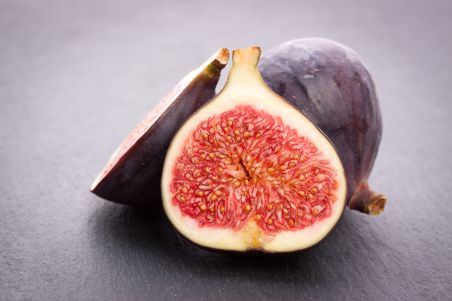
  • Figs

     Figs are edible fruits known to us since antiquity and they are available in nature in greenish purple in colors. Of late figs are consumed by more people understanding its nutritional value and the health benefits they provide to human body.

    When you delve deeper into the origin of figs consumption it may date back to ancient times.It is an integral part of Mediterranean diet since many centuries. Indian systems of medicine also use fig for managing reproductive, hormonal and immunological problems.

    Figs [ Ficus carica L] belong to moraceae family. These lush green purple fruits are mostly cultivated in Asian &Mediterranean regions.  It is an integral part of the diet of people residing near Mediterranean sea.

     There are four types of fig fruits, i.e., Caprifigs, Smyrna, San Pedro, and Common figs. Around 800 different fig varieties cultivated in almost 50 countries all over the world.

      Historical significance

    The figs were one of the principal articles of sustenance among the Greeks.

    It was one of the earliest fruit trees to be cultivated, and its cultivation spread in remote ages over all the districts around the Aegean Sea and throughout the Levant.

     Attic figs became celebrated in the East, and special laws were made to regulate their exportation.; the Spartans especially used it at their public tables

      Figs were consumed since ancient times and has great significance in Roman Empire.

    Figs are mentioned in holy books like the Bible and the Quran.

    Nutritional value of figs – A treasure trove of antioxidants

      Figs are well known for their antioxidant, anti-inflammatory and anticancer properties. Figs contain flavonoids, phenolic acids, carotenoids, and tocopherols antioxidants.

    Polyphenols and carotenoids are the two major categories of phytochemicals found in figs. The major classes of polyphenols in figs include phenolic acids, flavones, flavonones, flavonols, anthocyanins, and proanthocyanidins[3].

    Figs are comparatively low in fat. Fig consumption provides moderate number of calories mostly from carbohydrates. However, it can cause blood sugar spike immediately after eating. That is figs are high glycaemic index foods.

    The minerals potassium and magnesium present in figs are crucial for the health of bones and cardiovascular system.

    Figs are good source of vitamins too. They provide thiamine, vitamin B6 and vitamin K and these vitamins are crucial for the health of nervous system and bones. Vitamin K is essential for blood clotting.

    Figs contain calcium, potassium, phosphorus and iron in considerable amounts.

    Figs are rich in fiber and nutrients, and low in calories and hence good for gut health and reducing blood cholesterol.

    A small to medium sized fig provides around 1- 1.45 grams of fiber.

    Epicatechin is the most abundant phenolic compound in dried fig fruits, with a level of 25.4 mg/100 g DW in cultivar “Bela Petrovka” of Ficus carica. Its content is up to three times that of fresh figs. It is a good antioxidant.

    Fig fruits are a rich source of flavonoids antioxidants.

    The major flavonoids found in figs are quercetin and luteolin, which have a total of 631 and 681 mg/kg, respectively. The fruit skin has more flavonoids than the pulp.

    Health benefits of figs

    Figs offer numerous health benefits due to the presence of antioxidants, vitamins and minerals in them.

    • Figs can improve digestive health

    Figs are rich in fibers and helps digestion. It helps to prevent constipation.

    • Figs are good source of antioxidants.

    Phenolic compounds in figs help to reduce oxidative stress to body cells induced by free radicals.

     Anti-oxidants may help to prevent cancer and neurodegenerative disorders of brain including Alzheimer’s diseases, Parkinson’s disease etc. Phenolic compounds in figs can play a significant role in protecting biological cells from hydrogen peroxide free radical damage [5].

    • Figs help bone and heart health

    Figs contain potassium and magnesium in good amounts; they help to sustain heart & bone health.

    • Antimicrobial and anti-inflammatory properties

    Figs are rich in flavonoids and tannins which help to protect from microbial activity and infections.

    Cautionary warnings for fig consumption

    Generally, figs are highly nutritious fruits beneficial to improve health if consumed in moderation.

    However, it is a fruit rich in vitamin K. Vitamin k is a factor helping in blood clotting. However, there is a cautionary warning for those who are on blood thinner medications for cardiovascular events prevention.

     Anticoagulant medications are blood thinners for preventing clots. Those who are on anticoagulant medications must check their vitamin k levels if they are taking figs regularly.

     Fig allergies are common in some people; particularly those who are allergic to birch pollen may have fig allergy. If so, consume fig only after talking to your healthcare provider.

    Excessive eating of figs may cause burning sensation on tongue.

     Figs in your diet plan

    Fresh fig fruits are edible after washing and peeling its outer skin. Dried figs also are commonly eaten after soaking and softening it in water. It can be added into your diet plan in numerous ways.

    • Figs are used as chief ingredient of dessert and smoothies.
    • Figs in salads
    • Fig toast
    • Fig snack bars
    • Fig rolls

    Fig consumption in moderate amounts may boost your digestive, cardiovascular and bone healths. Enjoy the delicious fruit in many ways at frequent intervals in a month.

    References :

    1.  Sarkhosh A., Andersen P.C. The Fig. UF/IFAS Extension. 1994. https://edis.ifas.ufl.edu [Ref list]

    2.  Arvaniti O.S., Samaras Y., Gatidou G., Thomaidis N.S., Stasinakis A.S. Review on Fresh and Dried Figs: Chemical Analysis and Occurrence of Phytochemical Compounds, Antioxidant Capacity and Health Effects. Food Res. Int. 2019;119:244–267. doi: 10.1016/j.foodres.2019.01.055. https://pubmed.ncbi.nlm.nih.gov/30884655/

    3. Vinson J.A. The Functional Food Properties of Figs. Cereal Foods World. 1999;44:82–87. [Google Scholar] [Ref list]

    4. https://fdc.nal.usda.gov/fdc-app.html#/food-details/173021/nutrients

    5. https://onlinelibrary.wiley.com/doi/10.1155/2022/6597092