
Category: mediprecision healthblogs

  • Hair loss in women

    dr sanjana p

    Hair loss in women is a common condition triggered by various causes such as genetics, hormonal imbalances, ageing, nutritional deficiencies etc. Hair loss treatment requires a comprehensive approach at the root cause level for better results.

    Women suffer from a wide variety of hair loss patterns at different phases of lives. The causes are multiple and vary from women to women.

    Causes of hair loss in women

    • Acute infections
    • Poor nutrition
    • Ageing
    • stress
    • Hormonal imbalances
    • Thyroid dysfunction
    • Polycystic ovarian syndrome
    • Female pattern alopecia
    • Alopecia areata

    Hair loss in women may happen from mild to severe infections, stress and sudden weight loss. These types of hair loss are categorized as telogen effluvium type hair loss.

    Poor nutrition results in diffuse hair loss in women either from poor intake or from inadequate absorption of nutrients.

    Low levels of proteins, iron, zinc, vitamins D may trigger excessive hair loss as these nutrients are crucial for follicle growth.

    Acute as well as prolonged stress may lead to diffuse hair loss as stress can alter the hormonal rhythms in the body building up cortisol hormones. This may disrupt hair growth cycle and hair enter into resting phase.

    Ageing plays a crucial role in hair thinning and diffuse hair loss from scalp due to declining female hormones. Various physiological states like puberty, pregnancy, child birth and menopause is associated with hair loss from hormonal dysfunction. Physiological thinning of hair starts in 30s and40s.

    Rarely some androgen hormone secreting tumors may cause hair loss.

     Post chemotherapy hair loss is a common adverse effect of cancer treatment which is reversible within a short period of time.

    Thyroid dysfunctions lead to chronic hair loss. Both hypo and hyper thyroid states can have adverse impact on hair.

    Sometimes alopecia areata, an autoimmune mediated hair loss affects women. The body’s own immune system mistakenly attacks hair follicles and the hairs shed in circular patches.

    Female pattern alopecia

    Female pattern alopecia is a hereditary condition in which there is hair loss from the top and crown area preserving the front hairline.

    It is a chronic type of hair loss in which there is shortening of hair growth [ anagen phase] cycle and lengthening of hair shedding catagen and telogen phase. So, for regrowth of hair long time interval is needed.

    There is shrinking of hair follicle and thinning of hair shaft. A polygenic mode of inheritance for FPHL has now been well established. These genes may determine the age of onset, progression, pattern, and severity.

    It is characterized by widening of the central hair and thinning of hair shaft. The exact mechanism causing female pattern alopecia is still not fully understood. A separate androgen independent mechanism is believed to be in operation.

    PCOS related alopecia & female pattern alopecia – Are they same?

    PCOS and female pattern hair loss share some core features. They are not same or identical but closely linked. Women having Female pattern alopecia commonly have PCOS and women having PCOS have thinning of hair with widening of top of scalp.

     Both conditions involve hair follicles shrinking (miniaturization) when exposed to androgens like testosterone and dihydrotestosterone (DHT).

    Typical recovery timeline from hair loss

    Hair loss from acute causes such as poor nutrition, stress and acute infections may take around 6-9 months to recover. More serious causes such as hormonal diseases may require chronic or prolonged treatment for the underlying cause.

    How to manage hair loss in women?

    • Nutritional deficiency correction with balanced diet and hair growth promoting nutrients in food. Supplements like vitamin D may be prescribed for people who are spending more time indoor.
    • Stress management through mind body relaxation techniques like yoga exercises, aerobic exercises etc.
    • Treat the underlying cause in hormonal disorders causing hair loss.
    • Hair care solutions- Use shampoo and conditioners which are mild to scalp skin and hair. Follow hair care instructions if you have treated hair.
    • Conventional medicine: The modern medical trichologists prescribe commonly minoxidil topical applications and antiandrogen drugs.
    • Integrative medicine therapy at Mediprecision

    We provide homeopathic remedies chosen tailoring to the individual needs and provide customized diet charts and nutritional correction along with some well- chosen yoga poses that help to boost hair growth.

    In advanced irreversible hair loss cases we recommend other therapies at trichology &hair transplantation clinics which can be opted at your own discretion.

    In hair loss treatment the homeopathic drug selection is crucial in female pattern alopecia and hair loss from hormonal causes. Nutrition and exercises may have only adjunct role in cases which are reversible by medications.

    Written by dr Sanjana p

    References :

    1. https://pmc.ncbi.nlm.nih.gov/articles/PMC10334345/
    2. https://ijdvl.com/female-pattern-hair-loss/
  • Lumbar radiculopathy

    dr sanjana p

    Lumbar Radiculopathy is a lower backpain and weakness associated with nerve root compression. This article deals with solutions to reduce its impact.

    Lumbar radiculopathy- Lower back pain

    Lumbar radiculopathy refers to pain in lower back, precisely in the lumbar region and down the back to the thighs and legs from a pinched or irritated nerve root in the lower back or spine.

    The term ‘lumbar’ means the lower back region of the body, specifically the five large vertebrae (L1 to L5), the spinal discs, and the surrounding muscles.  The term radiculopathy refers to a condition caused by the compression, irritation, or inflammation of a nerve root near the spine that may lead to pain, numbness, tingling, or muscle weakness on the nerve pathway.

    The pain may be sharp, electric, or burning in nature often accompanied by numbness, tingling, or weakness.

    The nerve root irritation in this condition can happen from several causes. A few are listed below.

    Causes of lumbar radiculopathy

    • Herniated disc
    • Spinal stenosis
    • Spondylolisthesis
    • Nerve root injury
    • Degenerative disc diseases
    • Genetic defect

     Radiculopathy happens from mild to severe causes ranging from disc bulging or herniation, facet or ligamentous hypertrophy in the nearby area of lumbar spine, spondylolisthesis to cancers and infections.

    Herniated disc: it is a common condition in the lower back or lumbar region. The discs forming the vertebral column may leak after disruption and the soft material may cause inflammatory reaction in the area irritating the nearby nerve roots and may also cause compressive force over it.

     According to a study degenerative spondyloarthropathies are the primary cause of lumbar radiculopathy which occur with ageing.

    It can happen from age related changes on vertebra such as bone spurs or osteophytes.

    Spinal stenosis is yet another cause of radiculopathy. It happens from narrowing of the spinal canal or the openings where nerves exit out of foraminal openings of the spine.

    Spondylolisthesis:  This is a condition that happens when one vertebra slips forward over another, it compresses the nerve roots.

    Traumatic nerve injury

    Nerve root injury from trauma and fall is yet another cause associated with fracture.

    Apart from trauma, age itself is a risk factor for degenerative changes in the disc and affects both men and women. Mostly men are affected in their 40s and women after 50s and 60s, however, nowadays it is affecting younger women also. Of late there has been a surge in lumbar radiculopathy cases.

    Symptoms

    Pain radiates down the thigh, leg, and into the top of the foot or big toe. The location or area of pain distribution depends on the nerve root affected in the lumbar region or below that[L1-L5].

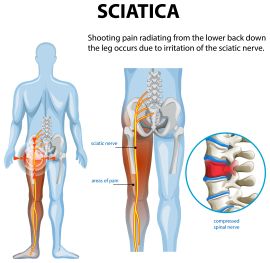
    Irritation of nerve roots at specific levels (most commonly L5 and S1) causes the classic pain that shoots down the back or side of the leg. Pain travels down the back of the thigh, calf, and into the outer edge of the foot. This pain is often referred to as sciatica.

    You may feel weakness when trying to push off the foot while walking.

    Pathology of lumbar radiculopathy or nerve root pain

    Mostly the pain in these kinds of nerve pains of spine irritation of a particular nerve happen at any point along the nerve due to a compressive force. Precisely, in case of lumbar radiculopathy [ or lower back pain from compressive forces] this may occur within the thecal sac or as the nerve root exiting the thecal sac within the lateral recess or as the nerve root passes the neural foramina or even after the nerve root emerged out of the foramina. Compression of nerve root is the major cause of pain in other areas of the body, particularly on lower limb and back.

    Diagnosis of lumbar radiculopathy

    History taking, physical examination and imaging study investigations conjointly help to arrive at the exact cause of pain.

    Sometimes investigations or image studies such as MRI or CT-myelogram are performed to find out the nerve impingement or area of compression. The clinical symptoms in the patient and physical examination findings are correlated with these findings to arrive at a diagnosis.

    Electromyography (EMG) and nerve conduction velocities (NCV), as well as somatosensory evoked potentials (SSEP) may help to differentiate other causes of nerve entrapment pain from radiculopathy.

    Treatment options

    • Conservative treatment focuses on pain management with medications:

    Non-steroidal anti-inflammatory drugs or nerve pain reducing drugs are suggested by conventional medicine

    Epidural steroid injections can provide temporary but significant relief by targeting the inflammation around the nerve root

    • Physical therapy- stretches and some exercises to reduce pain and inflammation. McKenzie exercises has been found to be effective in reducing pain from lumbar radiculopathy
    • Surgery– It is indicated in cases which are not manageable by conservative methods.
    • Homeopathic medications

    Following medications are commonly used for managing pain and allied symptoms of lumbar radiculopathy:

    • Hypericum perfoliatum
    • Rhus Toxicodendron
    • Colocynthis
    • Magnesium phosphoricum
    • Magnesium carbonicum
    • Kali iodide
    • Valeriana
    • A few “mother tinctures” [liquid drops] also are indicated as short acting drugs for managing nerve pain.
    • Homeopathic medicines are selected in an individualized way after comprehensive case taking and physical examination and evaluating the investigative findings. Apart from these common drugs deep acting “constitutional drugs” are chosen tailoring to individual symptoms and characteristic.
    • Yoga & nutrition also have key role in strengthening spine .In mediprecision clinic we focus on integrating the medications with these Yogic nutrition therapy.

    Warning signs for seeking urgent or emergency medical care

    When you experience any of these symptoms, please seek emergency care in a well-equipped hospital with facility to do decompression surgery:

    • Sudden weakness in legs
    • Loss of bowel or bladder control.
    • Numbness in groin or saddle anaesthesia in private parts perineum. All these symptoms point to a condition called cauda equina syndrome which requires immediate decompression.

    Author- dr Sanjana p

    References

    1. https://pubmed.ncbi.nlm.nih.gov/17445735/ Tarulli AW, Raynor EM. Lumbosacral radiculopathy. Neurol Clin. 2007 May;25(2):387-405. doi: 10.1016/j.ncl.2007.01.008. PMID: 17445735.
  • Peri menopause

    dr sanjana p

    Perimenopause is a phase of transition to menopause and is associated with hormonal changes in women and it begins in late 30s. Nutrition and exercise have crucial roles in alleviating the symptoms of perimenopause.

    How to understand perimenopausal problems in women?

    Perimenopause is a phase of declining female hormone oestrogen in women in their middle or late 30s .It brings about a trail of worries in women’s life such as hot flushes, sleeplessness, mood swings and problems with memory and cognition.

    Perimenopause is associated with anxiety, depression, mood disorders, joint and muscle pains. Vaginal dryness is common in late perimenopausal women. Obesity worsens in perimenopause with increasing follicular stimulating hormone FSH.

    The most important hormonal decline in peri menopause is that of oestrogen. Progesterone hormones show fluctuations.

    Periods become heavy or lighter with advancing age in perimenopausal phase. Menstrual bleeding may last longer in some women while it becomes more frequent in others.

    Stages of perimenopause

    Early phase: periods are regular in the beginning. But women experience sleeplessness hot flushes, anxiety and depression from least triggers.

    Late phase: amenorrhoea or absence of menstruation happens in late phase of perimenopause. The missing of period begins at the age of 47-49 in most of the women. However, it varies from women to women. Vaginal dryness, painful sexual intercourse are usually found in post-menopausal women although it may begin later part of perimenopause.


    A FEW INTERESTING FACTS ABOUT PERIMENOPAUSE

    • Although peri menopause begins with mood swings anxiety &depression become more prominent in late phase of perimenopause.
    • PMS or premenstrual syndrome [ symptoms and signs that usually happen as disturbances in mental and physical planes in the first five days of menstruation] becomes worse in perimenopausal women.
    • Perimenopausal symptoms are worse in women having high body mass index or BMI.
    • Perimenopausal symptoms vary with ethnicity. It has been found that symptoms are intense in American women compared to Asian and European women.
    • Perimenopausal distresses have been found to be worse in women who are addicted to smoking, alcohol and substance abuse.
    • Obesity, stressful life events, poor social support , poor educational background and financial burden make peri menopause more difficult or eventful.
    • It has been found that some women who had depressive disorder in the past are more prone to fall into major depression and suffer from fatigue, feeling of worthlessness and in some serious cases of depression a few women have committed suicides.
    • Perimenopause and menopause are associated with declining oestrogen hormone and as a consequence these women are predisposed to heart attack, stroke, diabetes and osteoporosis of bones.

    How to address perimenopausal symptoms?

    • Physical exercise

     – The benefits of physical exercise in perimenopausal women

    Exercise helps to reduce the distresses of perimenopause considerably. Physical exercise helps to boost happy hormones or neurotransmitters of brain such as serotonin and dopamine. Therefore, these neurotransmitters can help to mitigate anxiety and depressive symptoms significantly.

    Exercise may also play pivotal role in reducing joint and muscle pains, risks to cardiovascular diseases and osteoporosis associated with oestrogen decline.

    • Nutrition in perimenopause

     -The key benefits

    A balanced diet with all essential nutrients are recommended for perimenopausal women which may include some specific, well-chosen food ingredients also. The diet for perimenopausal women should include:

    • Curd – curd is enriched with calcium, probiotics which can impart health to bones and gut respectively.
    • Raisins– raisins are rich in iron which helps to prevent anaemia related to blood loss from heavy periods. The raisins are good sources of fibers which help to prevent constipation and improve gut health. They also contain potassium and vitamin E.

    Resveratrol antioxidants in raisins help to reduce estrogen and testosterone.

    • Chickpeas – they are rich sources of proteins.
    • Tofu -it contains phytoestrogens. The isoflavones helps to reduce hot flushes in peri menopausal women consuming tofu. Therefore they can help bone strength. However, women suffering from fibroids in uterus are not advised to take tofu as hyper oestrogen levels may worsen fibroid symptoms.

    Homeopathy for perimenopausal distresses

    Homeopathy can help to reduce hot flushes, sleeplessness, anxiety, depression and several other problems of perimenopause. The medicines are chosen in an individualized manner.

    The commonly prescribed homeopathic medications include Lachesis, sepia, aconite, Sulphur, glonoine etc.

    These medicines are selected based on the symptoms presented by each woman of perimenopausal age. It varies from woman to woman and hence medicines also are given tailoring to the needs of each woman. It is recommended that medicines should be used only under the guidance of a qualified, registered homeopathic physician. Over the counter medications may do more harm as dose and right choice of remedy along with disease diagnosis are crucial.

  • Serotonin & dopamine neurotransmitters for your mental health

       Dopamine and serotonin are neurotransmitters produced in your brain and they help regulating mood. However, they have distinct roles in affecting your mood. Dopamine is popularly known as the brain’s “reward/motivation” chemical promoting pleasure, motivation, and motor control, while serotonin is the “happiness” regulator, managing mood, sleep, appetite, and emotional stability.

    Dopamine

    Dopamine is a neurotransmitter released by neurons [nerve cells in the brain] and they carry signals between neurons. Dopamine is functioning as the “Accelerator” neurotransmitter. It motivates action and reward seeking. High levels feel like pleasure, addiction, or excitement.  Dopamine is your supreme motivator. In addition to that role dopamine has role in movement and coordination of the body. It also has integral role in sleep, alertness etc.

    While there is a difference between the actions of dopamine and serotonin. Dopamine provides short-term pleasure and motivation, whereas serotonin gives long-term happiness and calmness. Low dopamine causes low motivation.


    How to boost the dopamine?

    Dopamine boost is achieved by completing tasks, self-care, and engaging in exciting activities.

    Exercising, meditating, and getting enough sleep increase.

    Major dopamine boosting foods include chicken, eggs, fish, dairy, soy, avocado, nuts, seeds, fruits and vegetables.

    Dopamine deficiency is associated with Parkinson’s diseases, hallucinations and schizophrenia.

    The optimal range for dopamine in the blood is generally less than 30 picograms per milliliter (pg/mL).

    Serotonin

    Serotonin is a neurotransmitter produced in brain and gut by the nerve cells which provides satisfaction, calmness and long-term contentment to human beings. Serotonin gives long-term happiness and quietude unlike dopamine which is of short duration.

     90% of serotonin is found in the gut and help digestion.  Serotonin is present in the enterochromaffin cells in the gut, where it helps regulate the movement of the digestive system [gut motility]. Only 2%of serotonin is present in the central nervous system which plays a crucial role in mental health.

    Serotonin levels influence your mood, sleep wake cycle, metabolism, appetite, cognition etc. It plays some role in regulating body temperature.

      Serotonin production can be boosted by social connection, mood regulation techniques, and positive thinking. When serotonin levels decrease in your brain it affects neuronal signal transmission. Anxiety, insomnia, depression occurs from low serotonin. Low serotonin levels also cause constipation as it is important for digestion and gut motility.

    Serotonin levels are influenced by

    • Genetics
    • Stress and environmental factors
    • Some diseases

    How to boost serotonin?

    The optimal range for serotonin in the blood is generally 50–220 nanograms per milliliter (ng/mL)

    Exercising, meditating, and getting enough sleep helps to increase this neurotransmitter.

    Read more

     Sunlight also has great role in boosting serotonin naturally. Exposure to sunlight for about 10-15 minutes helps serotonin production by the body.

    Other ways for managing good serotonin levels in your body include

    • reducing stress through mindfulness
    •  eating tryptophan-rich foods like eggs, nuts and seeds, turkey, tofu.
    • Consuming good protein rich foods.

    Comparison between dopamine & serotonin

    • Both serotonin and dopamine are neuromodulators. That means they facilitate communication between neurons even with those neurons that are far away from the neurotransmitters release site.
    • Both serotonin and dopamine affect sleep wake cycles. Sleepiness is caused by melatonin hormone secreted by pineal gland which has receptors for both neurotransmitters. Wakefulness state is caused by dopamine regulating norepinephrine.
    • Both helps happy mood but dopamine improves mood instantly and it lasts for a short time while serotonin provides long lasting happiness and calmness.

     Both these neurotransmitters are required in the brain only in the optimum levels. Excessive intake of them in the form of medicines is associated with physical and mental problems impairing communication between neurons. Serotonin intake if exceeds normal in depression therapy it may cause serotonin syndrome.

    written by dr sanjana p souparnika

  • How to achieve weight loss?

    Obesity management tips

     Obesity or excessive body fat is associated with serious health risks across the globe due to morbidities and mortalities from cardiovascular &other life style diseases. Obesity management strategies discussed here may help to prevent deaths from heart attack, stroke, fatty liver and various other lifestyle diseases.

    All over the world a large number of people suffer from obesity from various causes and there is a huge spike in obesity in the recent decades owing to sedentary lifestyles and faulty habits. In this article I discuss the most essential strategies helping weight loss for all.

     However, in people suffering from obesity due to diseases of thyroid, adrenals, pancreas etc. may have to follow an individualized therapeutic approach under the guidance of a healthcare provider.


    Strategies to manage obesity

    1. Dietary modification
    2. Improve physical activity
    3.  Reduce stress

    Dietary modification to achieve weight loss

    • Reduce sugars or unhealthy carbohydrate

    Obesity may get worsened by the intake of sugary beverages and fruit juices with added sugars. Beverages available in the market is full of high calories and chemical compounds endangering your health. If you are on a weight loss journey totally avoid these beverages from your life.

    • Include whole grains

    Whole grains are healthy carbohydrates if consumed in moderate amounts helps to improve the nutritional status of an individual. They include whole grain oats, whole grain rice, cereals etc. Whole grains provide essential fiber, vitamins, minerals, and antioxidants that improve heart health, aid digestion, and support weight management. A dietary transition to this healthy carbohydrates has been found to be beneficial in lowering risks of type 2 diabetes, stroke, cancer, and chronic inflammation. Most of them may contain vitamin B also which helps brain and heart health.

    • Adequate intake of fibers

    Fibers help to manage weight by causing a sensation of fullness, reducing appetite, and slowing digestion, which helps create a calorie deficit. Take around 25–38 grams fibers daily from whole foods like vegetables, fruits, legumes, and whole grains for better results. Over consumption of fibers may cause flatulence or gas formation inside gut. Therefore, avoid excessive intake of fibers.

    • Consume good amount of proteins

    Proteins help body building, muscle mass, easy satiety or fullness. Recommended daily intake is 1.2–2 g/kg of body weight. Major sources of protein include lean meats, eggs, low-fat Greek yogurt, lentils, tofu, and legumes.

    • Include nuts and seeds in diet plan

    Nuts are very beneficial for weight loss as well as for better nutrition as they contain high fiber, protein, and healthy fats, which increase satiety and boost metabolism. Almonds, walnuts, pistachios, and cashews are the best quality nuts available all over the world.

    • Avoid saturated unhealthy fat

    Saturated fat intake cause weight gain and obesity due to its high calorie density, lower oxidation rates, and tendency to promote fat accumulation, particularly around vital organs. Saturated fat-rich foods include red meat, butter, cheese etc.  These fats if taken regularly may lead to higher waist circumference and obesity.

    • Avoid alcohol intake

    Alcohol consumption leads to excessive calories. It is always better to avoid alcohol. However, for those who are predisposed to alcohol consumption moderation in drinking is recommended and they must adopt a healthy lifestyle too to prevent obesity.

    • Drink adequate amount of water

    Consuming at least 2–3 liters (roughly 8–12 cups) of water daily helps weight loss. Drinking 500ml of water half an hour before food intake can help satiety, reduce excessive calorie intake, and thus help weight loss.

    Improve physical activity to help weight loss

    Physical exercise has crucial role in energy expenditure and in reducing fat from the body. Exercise helps to regulate hormonal imbalances also.

    Obesity is associated with imbalances in cortisol, insulin, growth hormones, testosterone and catecholamines. Physical activity has to be included into your routine to stay healthy and fit regulating hormones, sugar level and fat metabolites in your body.

      Often, we hear about the link between leptins and obesity. Leptins are hormonal secretions by the adipose tissue or body fats. Leptins in optimum amounts help to regulate appetite and hunger. This may cause easy satiety and it prevents overeating. This is due to the activity of leptins on hypothalamus. But leptin levels are directly proportional to your body fat levels. If body fat increases leptin levels also increase beyond normal limits. This may lead to leptin resistance.  In this condition people may feel excessive hunger and start overeating worsening obesity. Leptin resistance is due to high levels of leptins and it is associated with obesity, cardiovascular diseases and fatty liver.

    A few studies shows that physical exercise has beneficial role in controlling leptin resistance reducing leptin levels. However, further extensive studies are needed to validate this finding.

    Stress management for weight loss

    Obesity is associated with glucocorticoid hormone level elevation in people exposed to chronic stress. Primarily cortisol is elevated and it worsen obesity. Cortisol is capable of redistribution of fat to abdominal region and it also increases appetite and thus promote over eating.

    Apart from stress, other glucocorticoid increasing drugs, hormonal diseases like Cushing syndrome also leads to excess glucocorticoids in the body with fat deposition and obesity in central area of the body. This enhances the risk for cardiovascular diseases, metabolic syndrome with high blood pressure, high cholesterol etc.

    Practice yoga, meditation and mind body exercises to manage stress . Physical activity also helps to relieve stress. Do exercise everyday until you sweat. This may help you feel a sense of wellbeing very easily.

    Cognitive behavioral therapy may help to reduce stress. It is an individualized psychotherapeutic treatment to change the disturbing and negatively influencing thought pattern.

     Cognitive behavioral therapy in obese people motivates them to adopt healthy life style practices and habits beneficial to reduce stress as well as weight gain.

    written by dr sanjana p

    image courtesy [ freepi]

  • Fibromyalgia

    Fibromyalgia is a painful condition that is found mostly in women. The affected people suffer from pain all over the body along with tiredness, lack of sleep, mood swings, memory problems. Fibromyalgia is associated with increased sensitivity. There is enhanced sensitivity to pain, heat and cold, pressure. And often it is believed that fibromyalgia is connected with nervous system.

    What are the causes of fibromyalgia?

    The exact cause of fibromyalgia is not known. However, it is linked to emotional stress, habits etc.

    Fibromyalgia is found mostly in individuals who are:

    • Stressed
    • Emotional
    • Suffering from Post traumatic stress
    • Having spine and brain health problems
    • Obese
    • Smokes for a longtime

    Symptoms and signs of fibromyalgia

    • Extreme fatigue or tiredness
    • Pain all over the body
    • Cognitive and memory problems
    • Emotionally vulnerable
    • Lack of sleep
    • Muscle cramps
    • Headache
    • Painful menstruation
    • Numbness tingling
    • Restless leg syndrome
    • Sensitivity to extreme cold and heat
    • Oversensitive to noise
    • Mood swings
    • depression, anxiety

    Latest research updates about fibromyalgia

    Some studies show that the brains of people with fibromyalgia may not process pain in the same way as people not having fibromyalgia. Reduced levels of certain brain neurotransmitters, such as serotonin or norepinephrine, may cause them to be more sensitive to pain and produce a more severe reaction to pain.

    How fibromyalgia is diagnosed?

     It is diagnosed clinically based on signs and symptoms. There is no specific test to diagnose fibromyalgia. The disease condition is manifested as vague symptoms overlapping with symptoms of mild to serious other conditions. Therefore, basic investigations are done to exclude any serious underlying conditions if present. If nothing significant can be found out it is diagnosed as fibromyalgia.

    Treatment

    Usually, symptomatic management is chosen by the conventional medicine. A few drugs are available to manage pain and associated symptoms.

    Homeopathy

    Homeopathy offers some medicines to relieve pain, fatigue, increased sensitivity instantly, while addressing the causes at mental and physical dimensions at a deeper level. Remedies are selected in an individualized way.

     Yoga

    Some types of yoga and mind body relaxation techniques help to relieve the pain, tiredness and hypersensitivity. It also helps to improve mood reducing depression and anxiety.

    Various types of pranayama type yoga techniques along with muscle relaxing and strengthening yoga practices, aerobic exercises help to reduce pain as well as emotional stress.

    Nutrition & habit modification

    In fibromyalgia diet prescribed is anti-inflammatory type including wholesome foods like fruits, vegetables, lean proteins, and healthy fats. Mediterranean diet is a good choice. Fibromyalgia diet give emphasis to avoiding processed items, sugar, unhealthy fats, and excess gluten/dairy products.

    Key ingredients of the diet include leafy greens, berries, fish, nuts, seeds, turmeric, while reducing refined carbs, processed meats, and food additives.

    Habit modification

    Avoid smoking,excess alcoholism and over thinking. Ensure that sleep is not disrupted . Atleast an eight hours sleep is recommended.

    written by dr sanjana p

    image courtesy – freepik.

  •  How to boost your happy mood with  serotonin uplifting foods & habits ?

    Human body needs optimum production of happy hormones like dopamine and serotonin for feeling good and happy. Serotonin production is influenced by the food you consume everyday.

    What is serotonin?

    Serotonin is a neurotransmitter which has crucial role in determining your mental health &physical health. It is a chemical compound produced in human body and acts as a neurotransmitter which controls the feeling of well-being and happiness. 

     Serotonin is found in the brain, gut, and platelets. It regulates various bodily functions, including mood, sleep, appetite, and blood clotting.

     Serotonin is 5-hydroxytryptamine [5-HT] is a neurotransmitter, which helps to transmit impulses between nerve cells and control many physical and mental functions of your body.

    Serotonin is produced in brain and intestine. However, 95 %of serotonin is produced by the gut only5-10% production occur in brain. The gut or gastrointestinal tract is lined with a hundred million nerve cells, or neurons. Gut bacteria help the production of serotonin. This factor clearly elucidates that gut is your second brain. Apart from the function of digestion of food gastrointestinal tract neurons regulates emotions and behavior. Low serotonin levels are also associated with constipation and digestive disturbances along with depression.

    Functions of serotonin in human body:

    • regulates sleep wake cycles
    • controls appetite
    • influences mood
    • inhibits pain
    •  regulate mood, anxiety,
    • affect learning, memory, and executive function.
    •  Plays a major role in the digestive system.
    • Blood clotting
    •  bone metabolism
    • liver regeneration
    •  cell division.

    Impact of low serotonin levels in the body

      Serotonin neurotransmitter production if get reduced, it can have adverse impacts on the body and mind. Low serotonin levels in the body are associated with depressive disorder, anxiety disorders, and obsessive-compulsive disorder, sleep problems, suicidal behavior, post-traumatic stress disorder, panic disorders, schizophrenia, phobias etc. Chiefly it presents as depression and feeling of anxiety on chest. Apart from mental health problems it affects physical health  eventually leading to osteoporosis and digestive problems.

    Read more about happy hormones

    How to boost serotonin in your body?

    Serotonin is produced from an amino acid tryptophan through a complicated process. Tryptophan is found in many foods. Consuming tryptophan rich foods may help to boost serotonin production.

    • Serotonin boosting foods
    • Poultry
    • Eggs
    • Fish
    • Dairy
    • Nuts &seeds
    • Tofu
    • Pine apple
    • Dark chocolates
    • Green leafy vegetables
    • Probiotics
    • Sunlight to boost your mood

    Yet another way to induce serotonin production in the body is exposure to sunlight for 10-15 minutes every day.

    • Exercising help, you feel good instantly

    Exercise and physical activity may enhance serotonin production to a great extent. Physical exercise may give you other health benefits too including prevention of cardiovascular diseases. Do moderate physical exercise everyday for 30 minutes.

     To enhance serotonin healthcare providers may prescribe some supplements of tryptophan.

    Serotonin in optimum levels is good to body as well as mind as it sustains happy mood and improve focus and well-being.

    Caution while using anti- depressants

    In people with depression, anxiety, schizophrenia and other psychiatric disorders antidepressants and other serotonin increasing drugs are prescribed. Exert a little caution while using these drugs regularly for a prolonged time. High levels of serotonin retaining in the body is associated life-threatening situations with fever, shivering, sweating, high bp, seizure, muscle rigidity. This condition is called serotonin syndrome. Avoid overdosing of such psychiatric drugs to increase serotonin.

    Conclusion

    Naturally uplift your happy hormones and feel good. Just follow three things in life

    1. Focus on your diet. Include eggs, fish , poultry, green leafy vegetables, probiotics and pineapple in your diet.
    2. Do exercise daily for at least 30minutes.
    3. Expose yourself to sun for 10-15 minutes a day.

         Furthermore, follow mind body practices, yoga, meditation &ensure a good sound sleep for 6- 8 hours every day.

    Stay adherent to this routine and enjoy the bliss of life. You can escape from depressive spells and anxiety if you pay heed to these micro habits. Begin your journey towards happiness today, from this moment.

    written by dr sanjana p

    References for further reading

    o   https://www.health.harvard.edu/diseases-and-conditions/the-gut-brain-connection#:~:text=A%20troubled%20intestine%20can%20send,GI)%20system%20are%20intimately%20connected.

    o  https://medlineplus.gov/ency/article/003211.htm#:~:text=Stress%20is%20a%20feeling%20of,danger%20or%20meet%20a%20deadline.

    o   https://www.nimh.nih.gov/health/topics/depression

    https://www.health.harvard.edu/blog/nutritional-psychiatry-your-brain-on-food-201511168626

  • Wellness Wheel Assessment [WAA]

    Wellness wheel assessment is a visual tool to assess, strategize and evaluate the level of wellness of individuals. It has great significance in our day today life as we are living in an environment with multiple factors detrimental to state of well-being.

    Wellness is defined by various institutions across the globe in multiple ways as it encompasses different dimensions. However, it is a term often heard in relation to health.

    The   World health organization [WHO]has defined wellness as the optimal state of health of individuals and groups which is a positive state of being that goes beyond simply not having a disease or infirmity.The dimensions of wellness is not limited to health alone. Health related wellness is one of its strong pillars on which other aspects are standing on, but being interconnected with each other.

    Let us have a glimpse on the various dimensions of wellness. Wellness  encompasses emotional, physical, financial, social, occupational, environmental, intellectual and spiritual dimensions.

    Why is it crucial to assess your wellness level?

    Wellness can be redefined as an active & continuous life long process of making decisions by individuals to live a healthy& fulfilling life.

    Wellness wheel assessment is a visual tool to assess, strategize and evaluate the level of wellness of individuals. It has great significance in our day today life as we are living in an environment with multiple factors detrimental to state of well-being. Stress is mounting in everywhere and some people commit suicide to run away from the unbearable pressure life inflicts on them ,while others fall prey to serious illnesses and morbidities overtime. Here significance of wellness assessment is crucial and there is a dire need to implement strategies and action plans to improve wellness in all realms. It has to be executed as micro-habits & lifestyle modifications which will compound over the course of time giving you a fulfilling, stress free and contented life.

    Wellness is a state in which an individual achieves his or her full potential in life. It enhances the sense of well-being.

    Wellness is a process and well-being is its result achieved by traversing the journey of wellness. It is rooted in making wise  healthy decisions about habits and lifestyles.

    Wellness wheel assessment [WWA]

    This visual tool is an image wheel with 8 dimensions of wellness which may stimulate your mind in assessing your current level of wellness, strategizing making action plans and evaluating them periodically. WWA includes 8 sections portraying different categories of wellness to be achieved by an individual such as:

    • Emotional
    • Physical
    • Financial
    • Social
    •  Occupational
    •  Environmental
    •  Intellectual
    •  Spiritual

    Role of wellness experts in wellness assessment

    The wellness wheel assessment and strategizing &evaluation can be practiced after consulting a wellness expert who may recommend effective strategies to be implemented in every sector of your wellness journey. Once you make a progress you can practice it yourself lifelong for achieving your full potential and a fulfilling life.

    A wellness expert may guide you in assessing your current lifestyle, level of your emotional wellness – your ability to cope with people and incidents in your life, your physical wellness which is the strongest foundation of wellness as health of body determines your mental state [ vice versa too] and your other realms of wellness such as intellect, occupation, finance, spiritual & social wellness etc.

    A health care provider with expertise in wellness strategies can provide you with action plans to foster a lifestyle ensuring healthy body and mind in the scientific way.

    Wellness assessment is carried out in a holistic and individualized way taking into account the age, sex, intellectual level, education, realm of work, occupation, ambitions& goals, state of health, lifestyle preferences and many more factors.  

    The wellness strategies to improve your social connections, occupational satisfaction, environmental well-being and spiritual wellness may help you reach new echelons of happiness and well-being eventually. Always remember that this is a continuous lifelong journey you can pursue yourself once you gain awareness about the strategies of wellness.

  • Homeopathy & Integrative medicine solutions for ADHD -Attention deficit hyperactivity disorder

    ADHD or attention deficit hyperactivity disorder is a type of neurodevelopmental disorder found in children as well as adults which interfere with work and social life.

    Overview

    The attention deficit hyperactivity disorder may be present since childhood; however, in some people it get manifested explicitly in adulthood or get unnoticed during childhood.

     ADHD is manifested in children in different patterns including inattention, impulsivity and hyperactivity.

    ADHD begins in childhood and progress to adulthood affecting school performance, interaction with society and relationships depending on the grade of the disorder. ADHD may be seen as inattention or inability to focus on a topic or as hyperactivity [ overactivity which is inappropriate to the setting or context], impulsivity [hasty actions without any forethought].

    ADHD may occur in various forms with all these problems in combined form or singly.

    Three different types of ADHD include:

    • Predominantly inattentive form
    • Predominantly hyperactive/impulsive form
    • Combined form

    ADHD in children and adult present in different ways. ADHD may lead to relationship issues, work place problems and oversensitivity to criticism particularly in adults.

    ADHD is often diagnosed in childhood itself; however some forms of ADHD may escape the diagnosis and manifest as problems in adulthood.

    The diagnosis is based on the clinical presentation of the disorder [ the presence of persistent symptoms that have occurred over a period of time and are noticeable over the past six months]. A healthcare provider can diagnose ADHD without much difficulty. The treatment for ADHD is dependent on the manifestation &the grade of the disorder. Modern medical as well as complementary and integrative medicine treatments are available for managing ADHD.

    What are the causes of ADHD?

    Although the exact cause of ADHD is not clear, it has been found that genetics play a prominent role.ADHD runs in families.

    What are the signs & symptoms of ADHD?

    ADHD may be presented in three different ways:

    1. Predominantly inattentive type
    2. Predominantly hyperactive/impulsive type
    3. Combined
    • Predominantly inattentive type

    Attention deficient hyperactive children of this category fail to pay attention to details, to focus on the matters discussed; and often gets complaints of poor attention span while being taught in schools.

    Children with ADHD often makes mistakes in tasks due to poor attention to detail. They forget or fail to do tasks assigned due to their inability to pay attention for long and the restlessness.

    They fail to do homework, chores and can not focus on conversations for a long time. Easily get distracted.

    Sustained focus and mental effort are difficult.

    • Hyperactive /impulsive type

    People having this type of ADHD constantly fidget. They are not able to sit at one place and are bounding with energy. Quite often stamped as talkative. Children often run about in class or in places where it is not appropriate.

    Interfere while discussing a matter, will not allow to complete it. Cuts the conversation or answer a question before the question is completed.

    Difficult to wait patiently for his or her turn.

    While doing any activity or game there will be great disquiet and do things hastily and impulsively without any forethought.

    • Combined type of ADHD

    In this type of ADHD both inattentive and hyperactive symptoms can be found. It is more complex and may impact the social interaction as well as relationships if not appropriately managed right from childhood.

    ADHD symptoms in adults

    Forgetfulness. Poor attention span and inability to focus on tasks for long.Restlessness.

    Easily get distracted. Difficulty in doing some tasks in an organized way.

    Difficulty in completing tasks that need prolonged attention.

    How ADHD is diagnosed?

    Primary level health providers as well as mental health professionals can recognize ADHD and can refer for medical evaluation. Mostly ADHD is diagnosed by clinical evaluation, asking questions to the person, family, care givers etc. Family history   and upbringing environment are also taken into account to evaluate the condition. Some other psychiatric diseases or mental conditions may mimic ADHD. A well-trained mental health provider can differentiate these from ADHD.

    Treatment for ADHD

    ADHD is managed with various strategies depending on the age and grade of the condition. In preschool children medications are not recommended by modern medicine mostly. Parent child interaction therapy is recommended.

    However, in some other higher grade cases medications are advised.

    Depending on the progress or advancement of disease medications or therapy is given.

    In children who do not improve with medications special school education and learning techniques are recommended.

    Homeopathy &Integrative medicine approach

    • Lifestyle modification
    • Diet & nutrition
    • Cognitive behavioral therapy
    • Homeopathic medications

    We provide homeopathic medications after detailed case taking & evaluation of family history, drug history, parental behaviour& approach, environment etc.

    Homeopathy offers various constitutional remedies which are efficacious and safe to use in children as well as adults.

    A few of the homeopathic drugs used for managing ADHD include tuberculinum,tarentula, Lachesis etc. Homeopathic medications are helpful to a large extent in managing emotional and behavioural problems in ADHD people.  Homeopathy may be of help in integration with conventional medicine to relieve the distresses caused by pharmaceuticals and also in establishing emotional control and focus to a certain degree.

    Homeopathic medications are selected with holistic approach integrating physical, mental and emotional characteristics of the individual having ADHD. Homeopathic drugs prescribed by a qualified homeopathic physician may be gentle and safe; also, non addictive.

    Homeopathy can complement conventional medicine treatment well. Although many promising study results are there, extensive and rigorous research is needed in this realm beyond a few case studies.

    What is the advantage of using homeopathic medicine?

    Safe and gentle

    Emotional control and stability

    Improved focus and attention

    Non-addictive remedies

    Mental wellness & lifestyle protocols incorporated by us [ Mediprecision ]also in the treatment strategy tailoring to the individual needs help for improving the quality of life.

    written by dr sanjana p

    image courtesy:

    https://www.freepik.com/search?format=search&last_filter=query&last_value=attention+deficit+hyperactivity&query=attention+deficit+hyperactivity

  • Mediterranean diet for preventing obesity & Life style diseases

     Mediterranean diet is a globally approved diet pattern for preventing and managing obesity & life style diseases and thus for sustaining healthy living.

    Obesity and its associated risks are the growing concern in all age groups globally as it is the root cause of various kinds of life style diseases, hormonal disorders, cancers and depression.

      Obesity is a condition which affects the quality of life and the general health of individuals as well as populations. Obesity is closely linked with diabetes and depression even in children, although genetics also plays a contributory role here. The emerging solution to preserve and sustain the health of the population is to adopt healthy lifestyle practices right from the formative years of life. Adults as well as children need to follow healthy food habits and ways for adequate physical activity to ensure better quality of life and productivity.

    In the journey towards adoption of healthy life practices, diet plays a pivotal role. Everyone is worried about the right diet for their health and clinical conditions. This is quite natural and needs advice of a health care provider or nutritionist, particularly if one is affected with life style diseases such as diabetes, heart attack, stroke and some cancers.

    Hormonal disorders like polycystic ovarian syndrome in females, also has been linked with obesity, insulin resistance and metabolic syndrome. This condition requires vigorous physical exercise as well as dietary modifications for reducing insulin resistance and obesity.

     Mediterranean diet is a globally approved diet pattern for preventing and managing many of the life style diseases and sustain healthy living.

    What is Mediterranean diet?

    It is a diet based on traditional diet patterns. Mediterranean diet follows the dietary patterns of people living in Mediterranean region. The diet gives emphasis to the inclusion of whole grains, vegetables, legumes, fruits, nuts, seeds, herbs and spices. Olive oil is included as a chief ingredient of most of the recipes in Mediterranean diet, it being a source of healthy fats. Fish, sea food and poultry are also included in this diet. Although not considered as mandatory, red meat and sweet is allowed occasionally.

    History of origin of Mediterranean diet &its spread

    Now, Mediterranean diet is a popular dietary choice among fitness freaks as well as with people concerned about life style diseases globally. However, it is curious to know that for many decades the diet was part of the lives of various tribes existed in the Mediterranean region.

    The Mediterranean region comprises areas of the globe around the Mediterranean Sea, having the Mediterranean climate characterized by rainy winters and dry, hot summers. It encompasses the countries around Mediterranean sea in three continents Africa, Asia, Europe and certain regions of other continents such as California, Chile, Southwestern Australia, and southern South Africa.

    It was around 1950s  that Ancel Keys, an American scientist noticed the fact that incidence of heart diseases is very low among people of Mediterranean region and he focused his research on the dietary habits of people of this region. His study is known as ‘The Seven Countries Study of Cardiovascular Diseases’.

     Later further advanced research studies conducted over the years confirmed that Mediterranean diet & dietary patterns derived from it are not only beneficial in the prevention of cardiovascular diseases, but also in the therapeutic approach of obesity, type 2 diabetes, metabolic syndrome, cancer or neurodegenerative diseases.

    Mediterranean diet includes food ingredients having healthy, monounsaturated fat, which lowers total cholesterol and low-density lipoproteins [bad cholesterol] levels in the human body.

    Nuts and seeds being an integral part of Mediterranean diet provide monounsaturated fat and are good for health if consumed in moderation.

    Th diet includes fish and seafood & legumes which provide proteins, vital minerals, vitamins and omega fatty acids to the body.

    Vegetables and fruits are important part of this diet and serve as effective antioxidants, sources of vitamins and minerals required for vital functions in the body.

    Health benefits of Mediterranean diet

    Mediterranean diet has numerous health benefits, particularly in the prevention of life style diseases.  Of late numerous studies have elucidated its role in sustaining cognitive functions of brain and nervous system.

    Mediterranean diet helps to:

    • Lower the incidence of heart diseases & stroke
    • It helps to maintain optimum weight and prevent obesity
    • It helps to reduce blood glucose levels
    • It lowers blood cholesterol
    • Mediterranean diet helps to reduce hypertension
    • Reduces the risk of development of metabolic syndrome in obese peope. Metabolic syndrome is the triad of  occurrence of high blood pressure, high levels of bad cholesterol and obesity in individuals.
    • Mediterranean diet includes ingredients that support gut microbacteria. It also improves digestive health.
    • The diet also helps in reducing the occurrence of some type of cancers. [ prostate, colon cancers]
    • Improves brain health & cognitive function.
    • Improves longevity
    • Antioxidants in mediterranean diet helps to prevent free radical injury and helps improved skin health.Antioxidants are beneficial in slowing down ageing preventing oxidative stress to skin and vital organs.
    • High fiber content help reduce bad cholesterol improving cardiovascular health and it also reduces the risk for colorectal cancers.


    written by dr sanjana p [copyright]

    References

    1.Wright C.M. Biographical notes on Ancel Keys and Salim Yusuf: Origins and significance of the Seven Countries Study and the INTERHEART Study. J. Clin. Lipidol. 2011;5:434–440. PMID: 22108146 DOI: 10.1016/j.jacl.2011.09.003 https://pubmed.ncbi.nlm.nih.gov/22108146/

    2.      Gotsis E., Anagnostis P., Mariolis A., Vlachou A., Katsiki N., Karagiannis A. Health benefits of the Mediterranean Diet: An update of research over the last 5 years. Angiology. 2015;66:304–318. doi: 10.1177/0003319714532169. https://pubmed.ncbi.nlm.nih.gov/23553669/

    3. https://www.sciencedirect.com/topics/earth-and-planetary-sciences/mediterranean-region

    4. https://pmc.ncbi.nlm.nih.gov/articles/PMC12027923/