
The Arts of Indian subcontinent

History of Indian art
Indian art encompasses a wide variety of art forms, including painting, sculpture, pottery, and textile arts. Geographically, it spans the entire Indian subcontinent, including the current India, Pakistan, Bangladesh, Sri Lanka, Nepal, Bhutan, and at times eastern Afghanistan. The arts of Indian subcontinent has been influenced by culture as well as religions such as Hinduism, Buddhism, Jainism, Sikhism and Islam.
Indian art also has influences from foreign countries and continents especially from Central Asia, Iran, and Europe. Indian subcontinent also has a wide literary history of stalwarts contributing to it immensely since ancient times. The art & literature of the Indian subcontinent has merged intimately with Indian tradition and culture.
List of contents
Literature
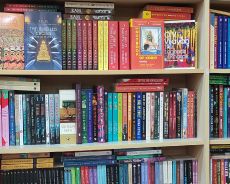
Indian literature refers to the literature produced on the Indian subcontinent until 1947 and in the Republic of India thereafter. India has a rich literary heritage spanning over centuries. The ancient Indian literature has contributed immensely to the world as sources of inspiration spiritual ,philosophical and historical realms.The earliest works of Indian literature were orally transmitted. Sanskrit literature begins with the oral literature of the Rig Veda, a collection of literature dating to the period 1500–1200 BCE. Sanskrit literature developed rapidly during the first few centuries of the first millennium BCE.
Blogs – Indian Art forms
Rock arts of prehistoric era

Rock art of India includes rock relief carvings, engravings and paintings, some from the South Asian Stone Age. It is estimated there are about 1300 rock art sites with over a quarter of a million figures and figurines
Buddhism in Indian art
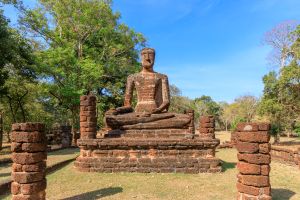
Buddhist art of Indian subcontinent (c. 150 BCE – c. 500 CE) has imbibed the art of other religions & geographical regions due to foreign influence overtime. Sanchi, Bharhut and Amaravati are embodiments of Buddhist art forms. Buddhist stupas and sculptures were built during the reign of various dynasties who ruled the subcontinent